
Birding Big Day 2026: How It Works and How to Plan Your Team’s Day
BirdLife South Africa's 24-hour count is on Saturday 5 December. The 2 radius categories, how to register and log on BirdLasser, what last year's winners scored, and how to plan a route that adds species instead of kilometres.
Birding Big Day is BirdLife South Africa’s yearly count: on a single Saturday, teams across the country try to record as many bird species as they can in 24 hours, a day that can begin and end with owls. In 2026 it falls on Saturday 5 December. It is free to enter, it is open to anyone in South Africa, and every record goes into the Southern African Bird Atlas Project, the dataset behind the national Red Data Book for birds, so even a dove in the garden does its bit for science.
It is also a competition, and a serious one at the top. In 2025 a record 503 teams took part and logged more than 670 species between them. Team Hamerkop, from Mpumalanga, won the main category for the third year running with 322 species in a day, which suits a team named after a bird that never quite stops building.
How it works
Each team has up to 6 people. You choose a category and a central point, and you may bird anywhere inside a circle around that point for 24 hours.
| Category | Area | Provincial challenge | Best for |
|---|---|---|---|
| 50 km radius | A circle 100 km across | Entered automatically | Competitive teams covering several habitats by car |
| 6 km radius | A circle 12 km across | Only if you email [email protected] | A slower day on foot or bicycle, close to home |
Every species you see or hear counts, and you log it on the BirdLasser app as you go, which records the time and place of each sighting. A live leaderboard on the BirdLasser event page shows team totals across the 9 provinces through the day. Register on BirdLife South Africa’s website before the day; there is no entry fee, though BirdLife asks for donations to its Science and Innovation Programme, which runs the event, and sells a cloth badge for each year, for birders who like proof.
The 6 km category has a second use. BirdLife points out that its circle lines up closely with the atlas pentads, so many 6 km teams can submit a full atlas card from the same day’s birding: 2 jobs, 1 alarm clock.
What the winners scored
The 2025 national title went to Team Hamerkop (Johan Eksteen, Duncan McKenzie, Lourens Grobler and Ehren Eksteen), with 322 species inside 50 km in Mpumalanga. In the 6 km category, Bosveld Laksmanne and Wild Tomorrow Watchers tied on 234 species each, not a single bird between them, which shows what a small circle can hold if it takes in water, woodland and grassland. Provincial winners ranged from 322 species in Mpumalanga to 163 in the Northern Cape.
Planning the day
The teams that score highest plan the route as carefully as the birds. A few principles hold whatever your circle.
Start in the dark. The count runs for 24 hours, so owls, nightjars and thick-knees calling before dawn are species most teams in the same area will miss, mostly because most teams are asleep. A night drive or walk at the start, or the end, of your window adds them.
Put habitats in order. Spend the first hours of light where the most birds are singing, usually woodland or forest, then move to water and grassland as the morning warms. Wetlands and dams can be worked through the middle of the day, when the bush goes quiet.
Count by ear. Heard birds count. A team that knows the calls of cisticolas, larks and forest birds will log species another team walks past, seeing only grass.
Plan for the common species. It is the ordinary birds that build a total: a garden can give sunbirds, weavers, bulbuls and doves before breakfast, and a dove scores 1, the same as an eagle. Make a list beforehand of what your circle should hold and tick it off, so the team knows what is still missing in the afternoon.
Scout in the week before. Where the target birds are breeding, roosting or feeding this year saves hours on the day.
The Pafuri prize and the broadcast
RETURN Africa is the headline sponsor for the second year. Everyone on every registered team (who opts in) goes into a lucky draw for 4 nights for 4 people at its Pafuri Camp, in the Makuleke Concession in the far north of Kruger, worth R66,000.
BirdLife’s Dr David Ehlers Smith will be at Pafuri Camp from Thursday 3 to Sunday 6 December, broadcasting the day live from camp and joining teams in the field. RETURN Africa is opening dedicated routes on the concession and sending its vehicles out to help guests staying at Pafuri Camp find birds on the day. BirdLife says 9 birders based at RETURN Africa logged 340 species in the Pafuri area in 2026, in a region with more than 450 recorded species, so the far north is not short of things to count. Our Pafuri birding guide covers the area, and the Kruger birding guide the rest of the park. If you are on safari that weekend, our sister site Safari Dispatch covers where to base a team in Kruger, from Pafuri Camp to a self-drive from Punda Maria.
Where to stay
For a team that wants to spend Birding Big Day in Kruger’s richest corner, these are the listings at Pafuri:
| Place to stay | Where | For birders | From |
|---|---|---|---|
| Pafuri Camp | Makuleke, northern Kruger | BirdLife Recommended, Luvuvhu River, guided drives after dark, the Birding Big Day base | R8,450 pp sharing all-inclusive |
| Baobab Hill House | Makuleke, northern Kruger | Bird-focused walks and drives, private guiding, Pel’s Fishing Owl | Ask the lodge |
If you are birding from home, our guides to birding near Johannesburg, birding near Durban and the Cape Peninsula suggest circles worth drawing.
Dates, rules and prizes are BirdLife South Africa’s and were checked on 14 November 2026. Register and check the final rules on BirdLife South Africa’s Birding Big Day page before the day.
More from the Journal
 Spring Birding in South Africa: September to November, the Arrivals, the Flowers and the BreedingThe first Red-chested Cuckoos call in September, bee-eaters land in October and Woodland Kingfishers arrive in early November. What arrives when, where the flowers are, and where to stay.
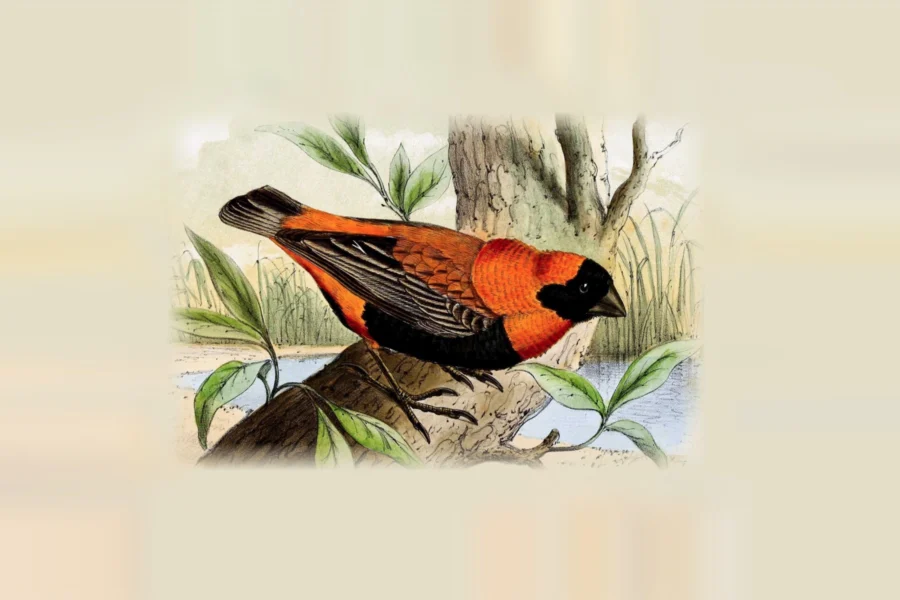 January Birding in South Africa: Where to Go, What’s About, the Heat and the RainJanuary is high summer: bishops in scarlet, Woodland Kingfishers at their breeding peak and European Rollers still arriving. Where to go, and how to work around the heat and the holidays.
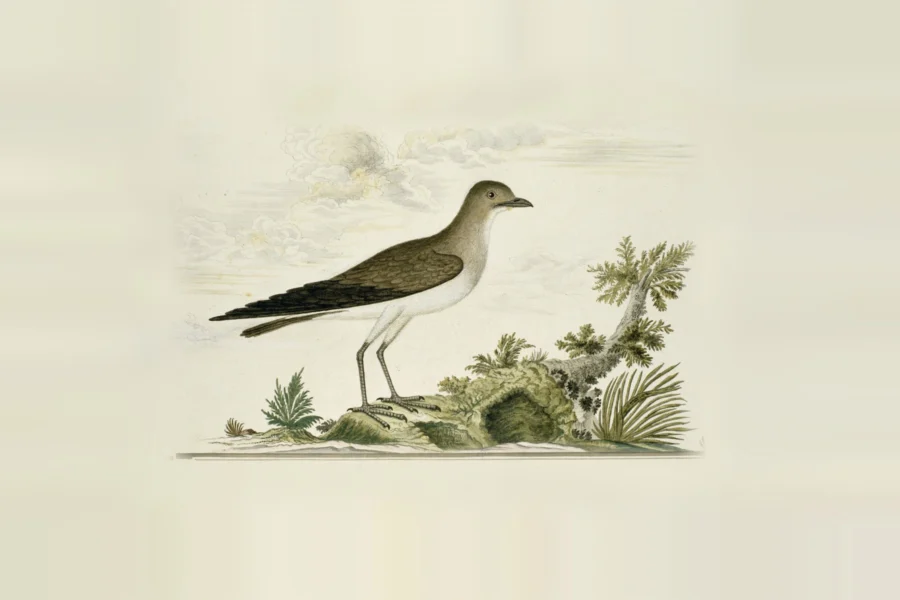 Autumn Birding in South Africa: March to May, When the Migrants LeaveFrom March to May the summer visitors leave: rollers in March, swallows in early April, Woodland Kingfishers by night from mid-April. Who goes when, what replaces them, and where to bird.
The Pigeon Post
Every Thursday: 1 bird, 1 place to go and 1 place to stay, by email. Sign up and get our printable checklist of the 163 endemics of southern Africa.