
Birding the Cape Peninsula and Kirstenbosch in a Long Weekend
Forest, fynbos, sewage pans and open sea in one long weekend: Kirstenbosch, the Cape of Good Hope, Boulders, Strandfontein and Rooi Els, with the birds at each, the 2026/27 fees and where to sleep.
Few cities let a birder work forest, fynbos, sewage pans and an albatross-rich ocean in the same 3 days without leaving the metro. The Peninsula runs between the Atlantic and False Bay, and BirdLife South Africa’s GoBirding guides cover 6 sites on it. A long weekend works best split by habitat: forest and fynbos at Kirstenbosch, coast and sea at the Cape of Good Hope, then wetlands on the Cape Flats. Rooi Els, across False Bay, adds the one fynbos bird the Peninsula lacks, which is reason enough to cross a bay.
At a glance
| Site | Habitat | Key birds (GoBirding) | Entry, 2026/27 |
|---|---|---|---|
| Kirstenbosch | Forest, fynbos, garden | Cape Sugarbird, Orange-breasted Sunbird, Lemon Dove, Forest Canary | R270 international adult; R110 South African |
| Cape of Good Hope (Cape Point) | Fynbos, cliffs, rocky shore, sea | Cape Siskin, Bank and Crowned Cormorants, albatrosses from shore in winter | R592 international adult |
| Boulders, Simon’s Town | Beach colony | African Penguin | R282 international adult |
| Strandfontein Sewage Works | 21 treatment pans | Maccoa Duck, Black-necked Grebe, Greater and Lesser Flamingo, waders | Free |
| Rondevlei Nature Reserve | Vlei, reed beds, hides | Little Bittern, Purple Heron, Great White Pelican | Free |
| Rooi Els | Mountain fynbos, boulder slopes | Cape Rockjumper, Ground Woodpecker, Cape Rock Thrush | Free |
Day 1: Kirstenbosch, forest first
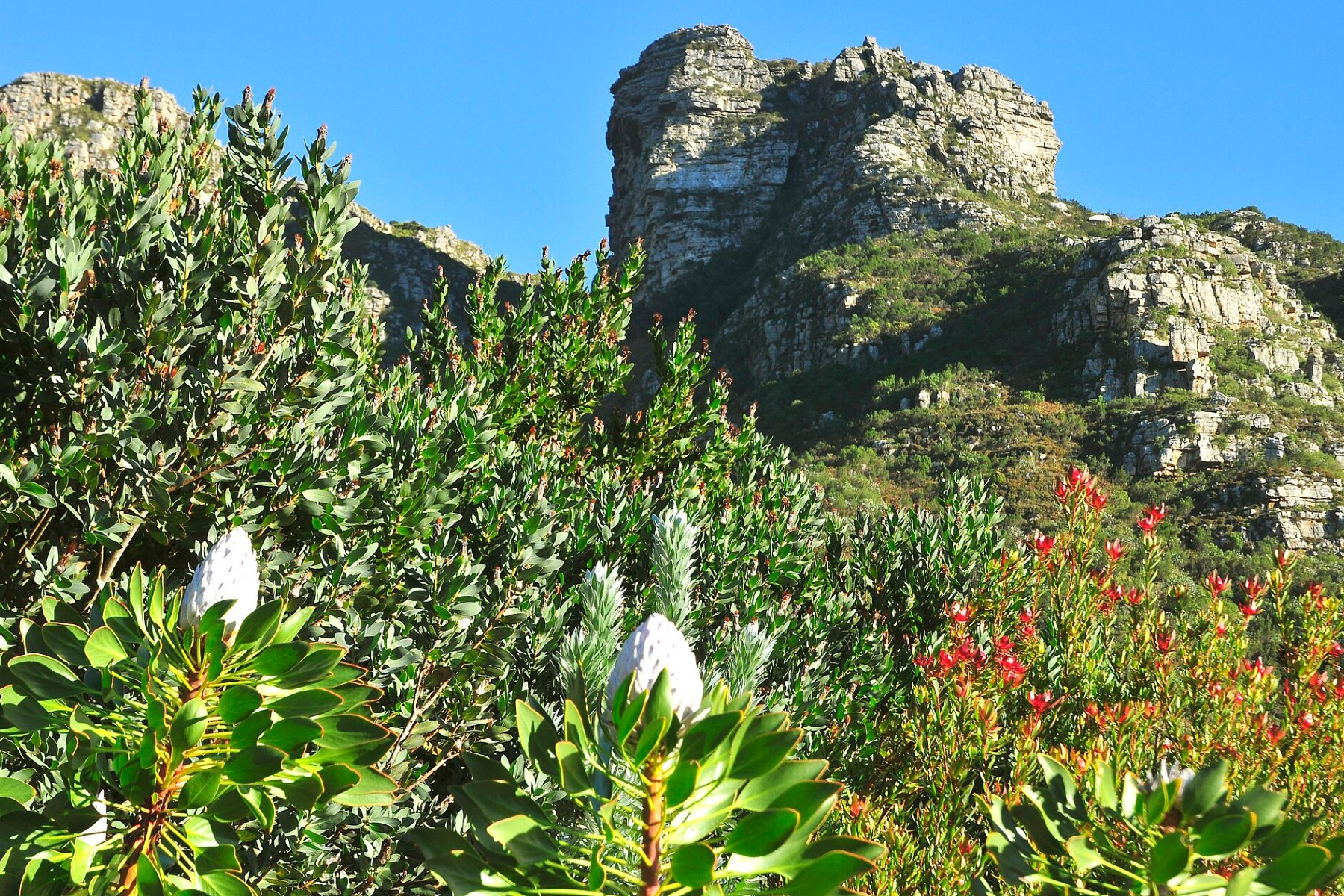
Most birders head straight for the protea beds, and the fynbos endemics guide explains how to find Cape Sugarbird and Orange-breasted Sunbird there from the Rycroft Gate. What the garden offers beyond those 2 is forest. GoBirding describes the Arboretum and the Enchanted Forest around the Boomslang canopy walkway as one of the few places on the Peninsula for Lemon Dove, which walks the forest paths as if it owns them and is easiest early, before the crowds arrive. Cape Batis, Sombre Greenbul, African Paradise Flycatcher and African Olive Pigeon share the same trees, and Olive Woodpecker and Spotted Eagle-Owl are often seen from the Boomslang itself.
The walkway is also a good platform for raptors. GoBirding lists African Goshawk and Black and Rufous-breasted Sparrowhawks flying over early in the day, then Common and Jackal Buzzards, African Harrier-Hawk and Booted Eagle on the thermals once it warms up. European Honey Buzzard has become regular in recent years, with Forest Buzzard and Verreaux’s Eagle seen more rarely. Several pairs of Spotted Eagle-Owls breed in the garden, and staff often know the latest roost.
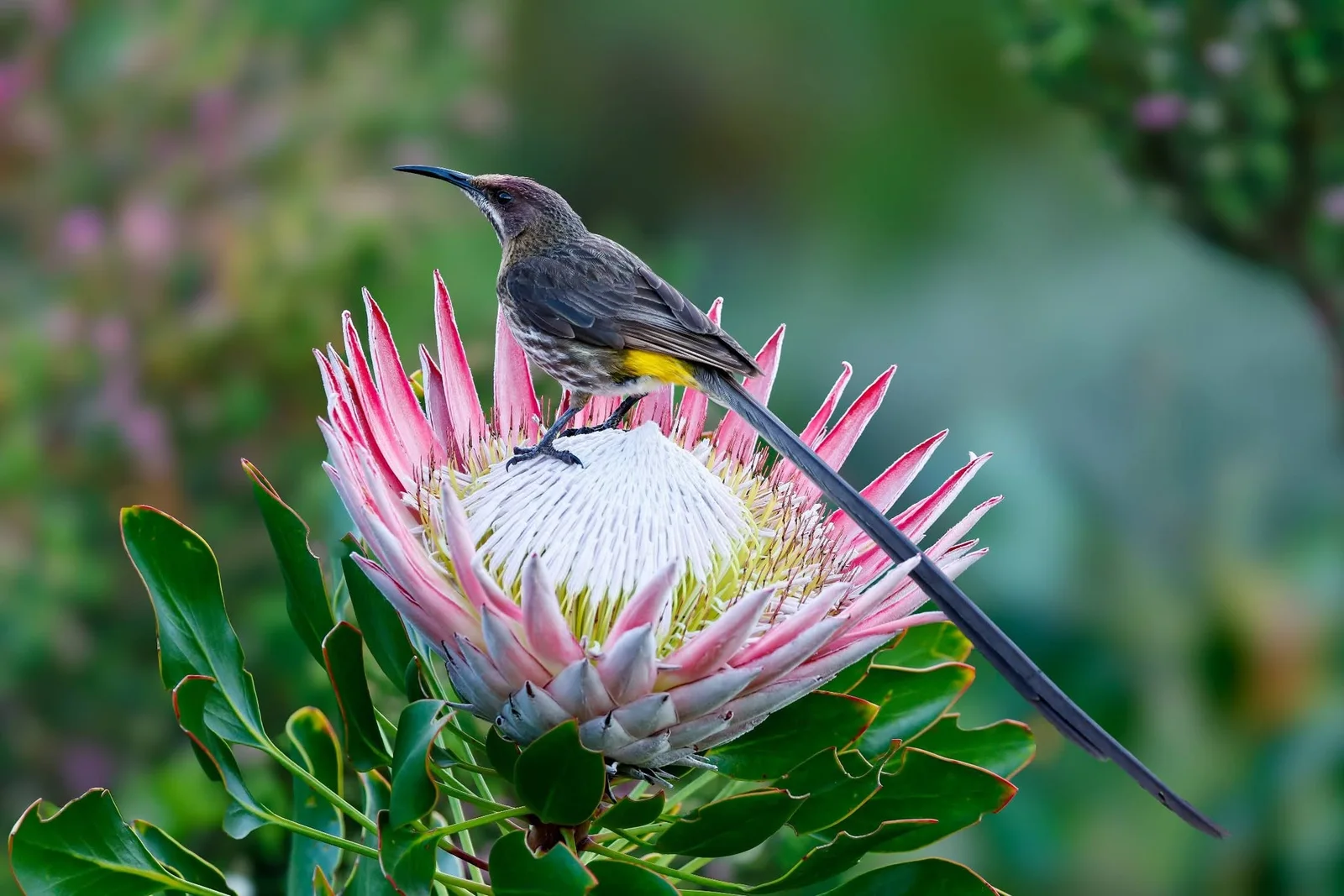
In the lower garden, the Aloe Garden draws Malachite and Southern Double-collared Sunbirds when the aloes flower, and the lawns around the pond hold Swee Waxbill and Bronze Mannikin. Forest Canary and Brimstone Canary feed in the fynbos section, and Brown-backed Honeybird calls above the Dell. GoBirding notes that Kirstenbosch gets more than 1 million visitors a year, so the birds have long since stopped being impressed by people and come close enough for photographs.
SANBI charges R270 for international adults and R110 for South African and SADC adults in 2026/27. Tickets are sold online through Webtickets, because the garden no longer takes cash. Kirstenbosch is run by SANBI and sets its own fees, separate from the SANParks rate card.
Day 2: the Cape of Good Hope section
The southern tip of Table Mountain National Park is where most visitors go for the view; GoBirding, being a birding guide, treats the whole reserve as a birding drive. Stops anywhere along the roads can produce Orange-breasted Sunbird and Cape Sugarbird. The rocky slopes on the right before the Olifantsbos turn-off are worth checking for Cape and Sentinel Rock Thrushes, and Cape Siskin and Ground Woodpecker live in the rockier areas.
At Cape Point itself, the cliff paths and the lighthouse viewpoints look down on a large breeding colony of Cape Cormorants, and a resident pair of Peregrine Falcons hunts the cliff faces, which makes for lively neighbours. Below the Cape of Good Hope sign, the large parking area sits beside a summer seabird roost of Kelp and Hartlaub’s Gulls with Common, Sandwich and Swift Terns. On the rocks, look for Cape, White-breasted and Crowned Cormorants and the occasional Bank Cormorant, among common African Oystercatchers.
Sea-watching from land is the reason to come in winter, when the worse the weather, the better the birding. GoBirding says strong cold fronts push Shy and Black-browed Albatrosses, both giant petrels, Subantarctic Skua, White-chinned Petrel and Sooty Shearwater close in. In summer the list switches to Cape Gannet, Cory’s Shearwater, Parasitic Jaeger and Sabine’s Gull. The best spots are the Cape Point viewpoints, Gifkommetjie, Platboom and the road down to the Cape of Good Hope, and a telescope helps. For the full pelagic experience, see Cape Town pelagic birding.
The circular loop road can produce Grey-backed Cisticola, Karoo Prinia, Plain-backed Pipit and Cape Longclaw, with Common Ostrich, Eland, Bontebok and Cape Mountain Zebra alongside. Fynbos Buttonquail occurs in very low numbers and has been seen crossing the road and along the gravel cycle path near Sirkelsvlei. Olifantsbos beach on the Atlantic side adds White-fronted Plover, and Whimbrel and Ruddy Turnstone in summer. The area has a history of rare waders, including American and Pacific Golden Plovers. Visitors may not leave any designated road or trail.
From 1 November 2026 the SANParks conservation fee for the Cape of Good Hope section is R592 for international adults and R288 for children aged 2 to 11, according to the 2026/27 rate card as reported by The Rio Times. The gates are cashless, so bring a card.
Boulders and Simon’s Town
On the way back north, the African Penguin colony at Boulders in Simon’s Town, where the residents wear formal dress all year, costs international adults R282 from 1 November 2026, with children at R138. For 2 foreign adults, Cape Point and Boulders on the same day come to R1,748 in fees. Pelagic trips also leave from Simon’s Town, which makes it the natural base for a Peninsula weekend.
Day 3: the Cape Flats wetlands
Strandfontein Sewage Works, on the Cape Flats beside Zeekoevlei, is an Important Bird Area within the False Bay Nature Reserve, and GoBirding counts more than 200 species there. It is a sprawl of 21 pans with a road network, so the car works as a hide, and a comfortable one. Entry is free, from sunrise to sunset, through the gate at the end of Flowerpecker Street. GoBirding noted security guards on P1 in January 2021.
Drive the causeway between pans P6 and P7 first and scan the open water for Maccoa Duck and Black-necked Grebe among Greater Flamingos, Cape Teal and Cape Shoveler. Pans P1 and P2 are usually the best for waders: in summer, Curlew Sandpiper, Ruff, Grey Plover and Bar-tailed Godwit, with small numbers of Terek Sandpiper in recent years. P2 also holds a big evening roost of Kelp, Grey-headed and Hartlaub’s Gulls and Swift Terns, joined by Sandwich Terns in summer. Pans P3 and P4 are for ducks, including Southern Pochard and Blue-billed and Red-billed Teal, with African Swamphen, Purple Heron and Little Rush Warbler in the reeds. African Marsh Harriers quarter the pans all year. Strandfontein’s fame rests on rarities, and GoBirding lists Baird’s Sandpiper, Temminck’s Stint, Elegant Tern and Franklin’s Gull among past finds. The roads to the lower S pans are often sandy and can defeat some 4×4 vehicles.
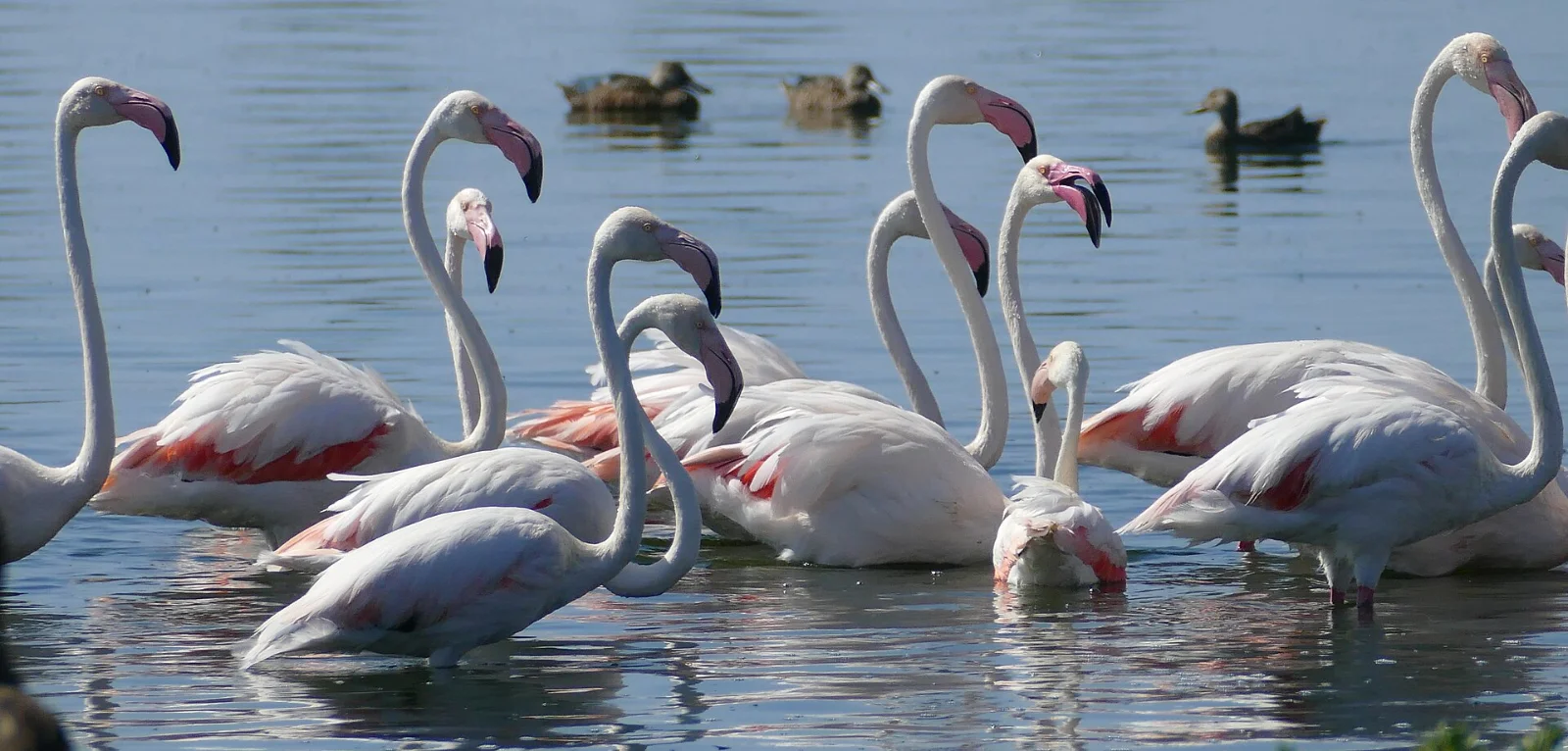
Rondevlei Nature Reserve, also part of the False Bay Nature Reserve, is nearby in Grassy Park and suits a quieter session. It is city-run, free, and open from 07:30 to 17:00, with hides linked by a paved trail and 2 lookout towers. GoBirding says around 70 species can be seen on a summer morning and the reserve list passes 200. The Scotto Hide, the farthest out, is often the most productive, with Great White Pelican, Caspian Tern and African Spoonbill on the sandbank in front of the heronry. Little Bittern, Black Crake and Malachite Kingfisher are possible from the hides, and, a little unexpectedly for a suburb, hippos live in the vlei.
Across False Bay: Rooi Els for the rockjumper
Cape Rockjumper does not occur on the Peninsula, so a weekend that wants it needs a morning across False Bay. Clarence Drive (the R44) runs from Gordon’s Bay along the Kogelberg coast, and GoBirding says the damp stream gullies between Kogelberg Resort and Rooi Els are good for Victorin’s Warbler. Stop at the viewpoint before town to scan the river-mouth roost for gulls and terns.
In Rooi Els, turn onto Porter Drive and park at the gate where the paving ends. Walk south along the track and start scanning the slopes from the lone telephone pole, listening for the rockjumper’s piercing alarm call, and try not to get excited about the commoner Red-winged Starlings, which are not it. Ground Woodpecker, Cape Rock Thrush, Cape Siskin and Cape Bunting share the hillside. The land is private property despite the lack of fences, so stay on the track, and playback is strictly forbidden. Entry is free. The fynbos endemics guide adds Harold Porter in Betty’s Bay for the warbler.
When to go
Summer is wader season at Strandfontein and Olifantsbos, and the best time for Rondevlei. Winter fronts bring albatrosses and petrels close to Cape Point. The sugarbirds and sunbirds at Kirstenbosch are present for most of the year, but flowering decides where they feed, so ask at the garden which beds are in bloom and follow the nectar. GoBirding notes Southern Right Whales off Clarence Drive from July to December.
Where to stay
Avian Leisure in Simon’s Town is the base GoBirding recommends for all of these Peninsula sites. It is BirdLife Recommended, with 2 self-catering apartments on Dorries Drive above Boulders Beach: Shearwater sleeps 4 and Watsonia sleeps 2. Sunbirds and sugarbirds come to the fynbos garden and its feeders, so some of the weekend’s targets may well come to the guest, and the owners help plan self-drive birding days and explain the pelagic trips from Simon’s Town harbour. It no longer runs tours of its own. From the door, the Cape of Good Hope gate is a short drive south.
For the Rooi Els morning, Oudebosch Eco Cabins sit inside CapeNature’s Kogelberg Nature Reserve near Kleinmond, a short drive east along the R44. CapeNature publishes a Kogelberg bird checklist, and the Rooisand Ramble elsewhere in the reserve has a bird hide on the Bot River Estuary. A Palmiet studio for 2 starts at R1,730 a night off peak, self-catering.
For a longer trip, places to stay for birders within 2 hours of Cape Town covers the West Coast, Overberg and Breede River Valley.
The places in this guide, with what each offers a birder:
| Place to stay | Where | For birders | From |
|---|---|---|---|
| Avian Leisure | Simon’s Town, Cape Peninsula | BirdLife Recommended; fynbos garden and feeders for sunbirds | Ask the lodge |
| Oudebosch Eco Cabins | Kogelberg, near Kleinmond | Kogelberg checklist; bird hide on the Rooisand Ramble | R1,730 for 2 (off peak), self-catering |
Fees, access and bird reports change. Facts were checked on 13 November 2026 with BirdLife South Africa’s GoBirding guides to Kirstenbosch, the Cape of Good Hope Nature Reserve, Strandfontein Sewage Works, Rondevlei and Rooi Els, SANBI’s 2026/27 Kirstenbosch fees, The Rio Times report on the SANParks 2026/27 rate card, and the Birding Dispatch listings for Avian Leisure and Oudebosch. Confirm fees and opening times before you go.
More from the Journal
 Namib-Naukluft and Sossusvlei for Birders: Dune Lark, Desert Raptors and the Naukluft SpecialsA lark that lives on the dunes and nowhere else, Lappet-faced Vultures nesting in the desert, coursers on the gravel plains and the northern specials around the Naukluft cliffs, in one of Africa's largest parks.
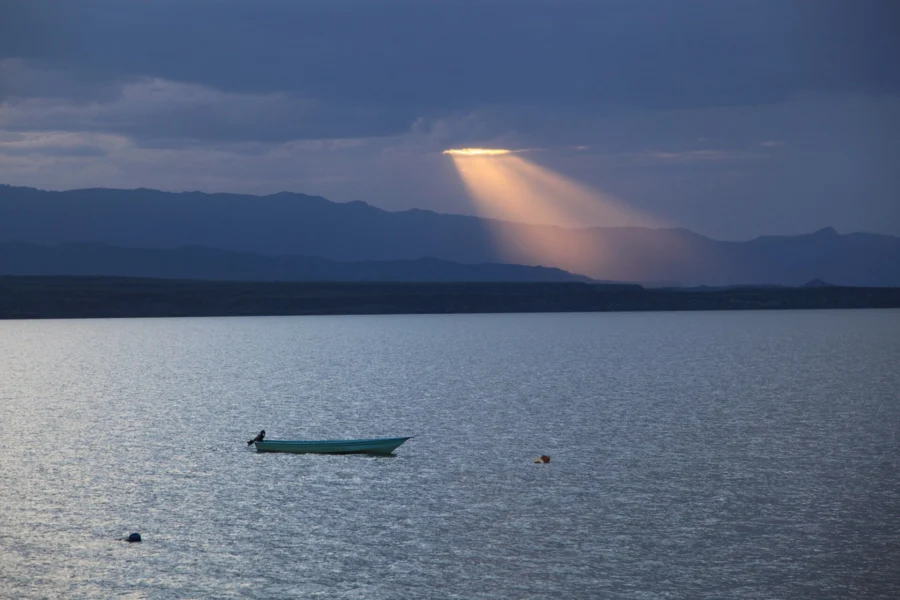 Lake Baringo and Lake Bogoria Birding: The Owl Walks, the Cliffs and the FlamingosA local guide who knows where every nightjar and eagle-owl slept last night, thorn scrub full of hornbills, a Goliath Heron colony on a rock, and the flamingo lake next door that keeps rising.
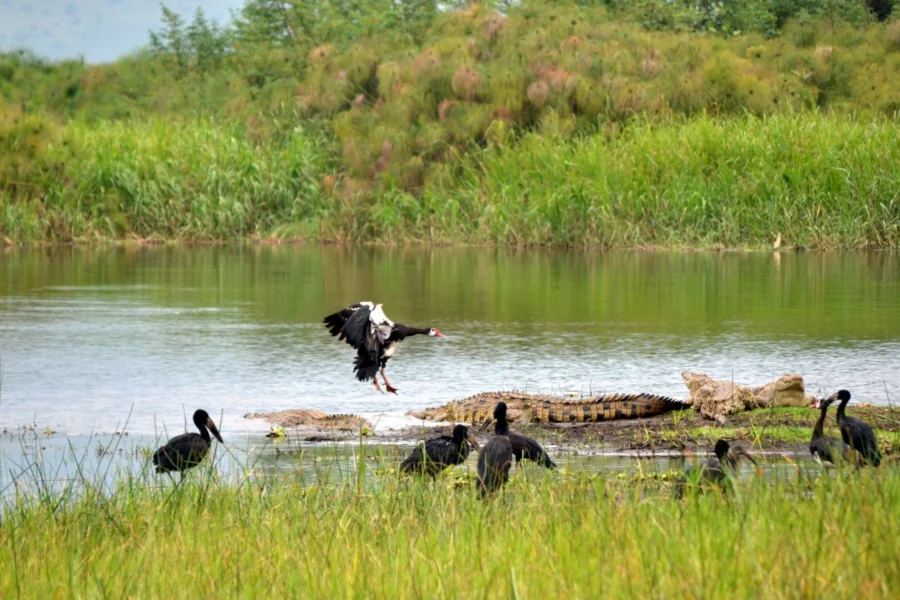 Akagera Birding: Rwanda’s Savanna, Lakes and Papyrus, and the Shoebill ChancesRed-faced Barbet in the southern woodland, Papyrus Gonolek and Carruthers's Cisticola in the swamps, a lake of hippos and lapwings, and a Shoebill that hides in the wetlands more than it shows.
The Pigeon Post
Every Thursday: 1 bird, 1 place to go and 1 place to stay, by email. Sign up and get our printable checklist of the 163 endemics of southern Africa.