
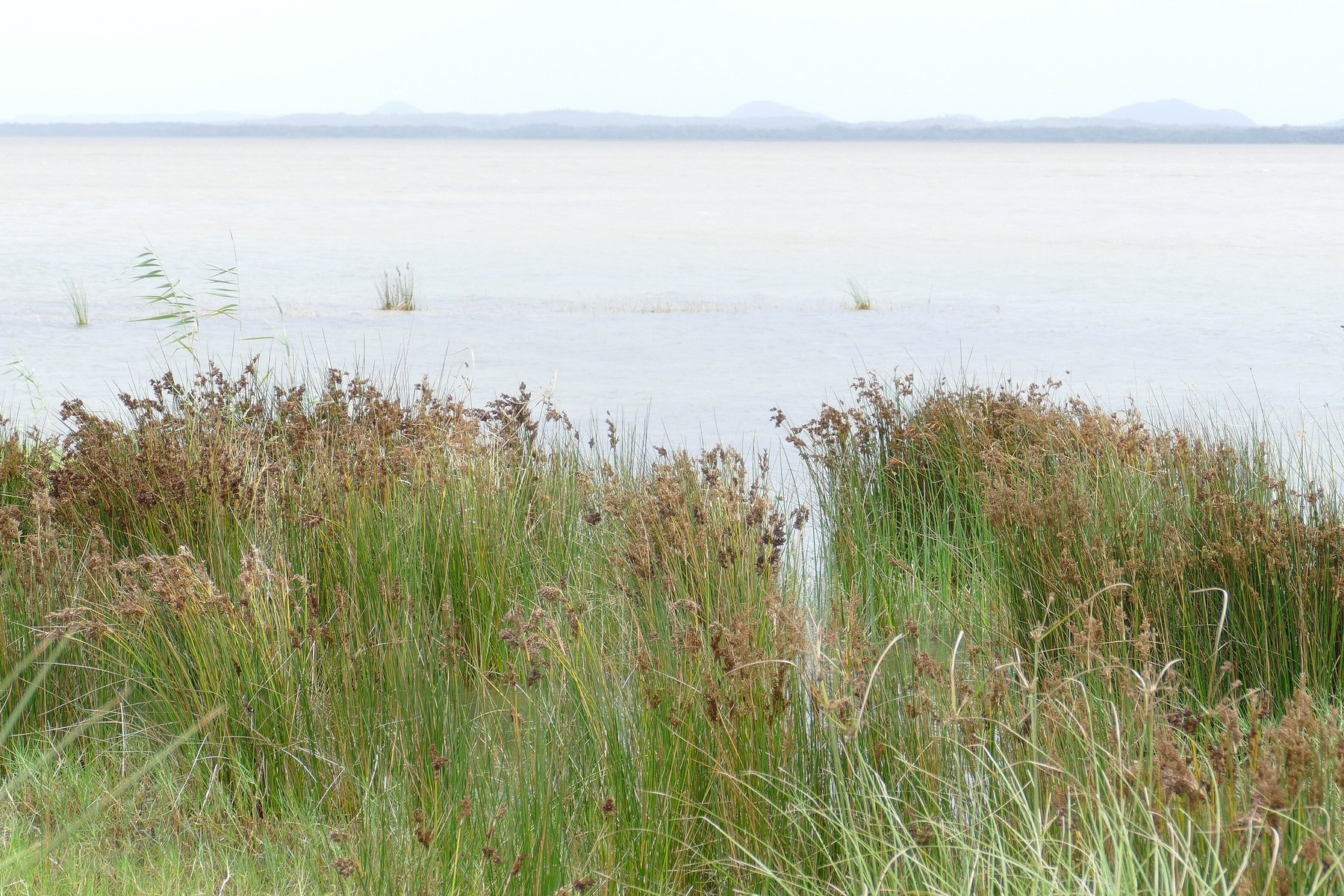
Birding Near Durban: The Coastal Forests, iSimangaliso and the Zululand Specials
Spotted Ground Thrush winters in Durban's city forests; Green Barbet, Woodward's Batis and Pink-throated Twinspot make you drive north. Where to find them all from a Durban base, as far as uMkhuze.
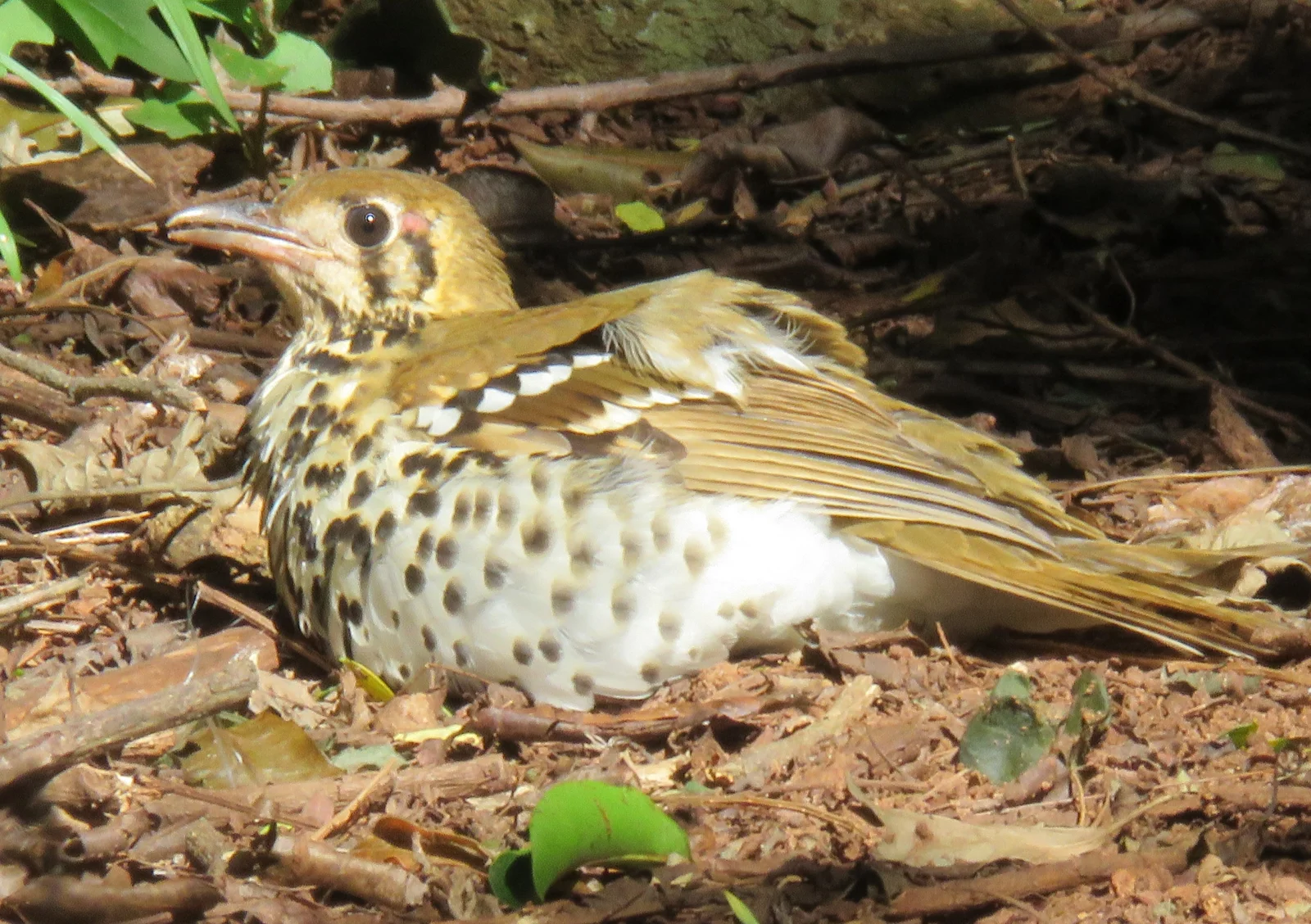
Durban is the easiest city in South Africa to start a forest birding trip from. BirdLife South Africa calls the eThekwini metro the country’s most biodiverse city, with well over 500 bird species, and its small forest reserves hold birds most visitors expect to travel for, Spotted Ground Thrush first among them. Here, an endangered forest bird spends the winter in the suburbs.
North of the city the coast turns tropical. The forests of Eshowe, Ngoye and St Lucia and the sand forest of uMkhuze hold the specials that put KwaZulu-Natal on every serious itinerary: Green Barbet, Woodward’s Batis, Rudd’s Apalis, Pink-throated Twinspot and Neergaard’s Sunbird. None of them live in Durban, which is inconsiderate of them, so the trip has 2 halves.
The short answer
Give Durban 2 mornings: Pigeon Valley for Spotted Ground Thrush and Krantzkloof for Green Twinspot. Then drive north up the N2, stopping at Dlinza Forest in Eshowe and at Ngoye for Green Barbet. Spend 2 nights in St Lucia for Woodward’s Batis and Southern Banded Snake Eagle, and 2 more at uMkhuze for Pink-throated Twinspot, Rudd’s Apalis, African Broadbill and Neergaard’s Sunbird. Go between April and September for the thrush, which treats Durban as a winter address, and hire a community bird guide in Zululand.
At a glance
| Site | Where | Specials (BirdLife South Africa) | Entry |
|---|---|---|---|
| Pigeon Valley | Berea, central Durban | Spotted Ground Thrush (winter), Green Malkoha, Green Twinspot | Free, 07:30 to 16:00 |
| Beachwood Mangroves | 6 km north of the centre | Mangrove Kingfisher (mainly winter), Black-throated Wattle-eye | Free; 3rd Saturday of the month or by arrangement |
| Krantzkloof | Kloof, west of the city | Green Twinspot, Crowned Eagle, Narina Trogon, Barratt’s Warbler (winter) | R70 SA residents, R140 standard |
| Umdoni Park | Pennington, under 1 hour south | Spotted Ground Thrush, White-starred Robin, Gorgeous Bush-shrike | No booking for day visitors |
| Oribi Gorge | About 150 km south | Knysna Woodpecker, Barratt’s Warbler, African Broadbill | R50 SA residents, R100 standard |
| Dlinza Forest | Eshowe | Spotted Ground Thrush, Eastern Bronze-naped Pigeon, Narina Trogon | Small fee |
| Ongoye (Ngoye) Forest | About 150 km north | Green Barbet, Green Malkoha, Green Twinspot | Gate fee and community levy |
| St Lucia and Cape Vidal | iSimangaliso, Eastern Shores | Woodward’s Batis, Livingstone’s Turaco, Southern Banded Snake Eagle | iSimangaliso gate fee at Cape Vidal |
| uMkhuze | iSimangaliso, north of Hluhluwe | Pink-throated Twinspot, Rudd’s Apalis, Neergaard’s Sunbird, African Broadbill | iSimangaliso gate fee |
Pigeon Valley and Krantzkloof
Pigeon Valley is a 10 ha patch of coastal lowland forest on the Berea, and BirdLife South Africa’s GoBirding guide calls it the most accessible place to find the endangered Spotted Ground Thrush. Several pairs winter in the reserve. Walk the trails slowly, listen for rustling in the leaf litter, and check the drainage line, where the thrushes feed at the cleared forest edges. Green Malkoha and Purple-crested Turaco are in the canopy, and Green Twinspot feeds in the dry grassland in the south-eastern corner, so the birds have the place neatly zoned. Entry is free, the gates are open from 07:30 to 16:00, and parking is on the street with patrols.
Krantzkloof, in Kloof on the N3 west of the city, covers about 600 ha of gorges, cliffs and forested valleys. Several pairs of Crowned Eagle nest here, and GoBirding rates it among the better sites in KwaZulu-Natal for Green Twinspot, which feeds where forest grasses are seeding, so follow the seed heads. Narina Trogon, Grey Cuckooshrike and Collared Sunbird are the forest regulars. Between April and September, Spotted Ground Thrush, Barratt’s Warbler and White-starred Robin visit. Ezemvelo KZN Wildlife’s 2025 to 2026 tariffs put entry at R70 for South African residents and R140 standard.
Beachwood Mangroves and the Umgeni
The Beachwood Mangroves sit beside the Umgeni estuary, 6 km north of the city centre, and hold Mangrove Kingfisher, mainly in winter, plus Black-throated Wattle-eye and Green Malkoha. Getting in takes planning. The reserve opens to the public only on the 3rd Saturday of each month, from 08:00 to 13:00. On other days you must arrange a visit on 072 339 6113. GoBirding rates the Umgeni River next door among the easiest and most popular sites in the city, and the tide, not the birder, decides how many waders are on the sandbanks.
South coast: Umdoni Park and Oribi Gorge
If the city sites produce a dip (a bird you went for and missed), go south. Umdoni Park at Pennington is under an hour from Durban and holds Spotted Ground Thrush in small numbers in winter. GoBirding’s tip is to check the lawns around the cottages at first light. The estate is open from 06:00 to 18:00 and day visitors need no booking.
Oribi Gorge, about 150 km south of Durban near Port Shepstone, is the most reliable site in KwaZulu-Natal for Knysna Woodpecker, which reaches the northern limit of its range here: this is as far north as it is prepared to go. Barratt’s Warbler calls at the forest edge, and African Broadbill displays in early summer. Entry is R50 for South African residents and R100 standard under the 2025 to 2026 tariffs.
Dlinza Forest, Eshowe
Eshowe is 28 km up the R66 from the N2, and GoBirding calls it the best site in South Africa for both Spotted Ground Thrush and Eastern Bronze-naped Pigeon. The Dlinza Forest Aerial Boardwalk runs over 125 m through the canopy of a 250 ha forest to a viewing tower 20 m high, which puts birders level with birds they usually see from underneath. From the platform, watch for Bronze-naped Pigeons crossing the canopy in the early morning and late afternoon, and for Narina Trogon, Trumpeter and Crowned Hornbills and Crowned Eagle.
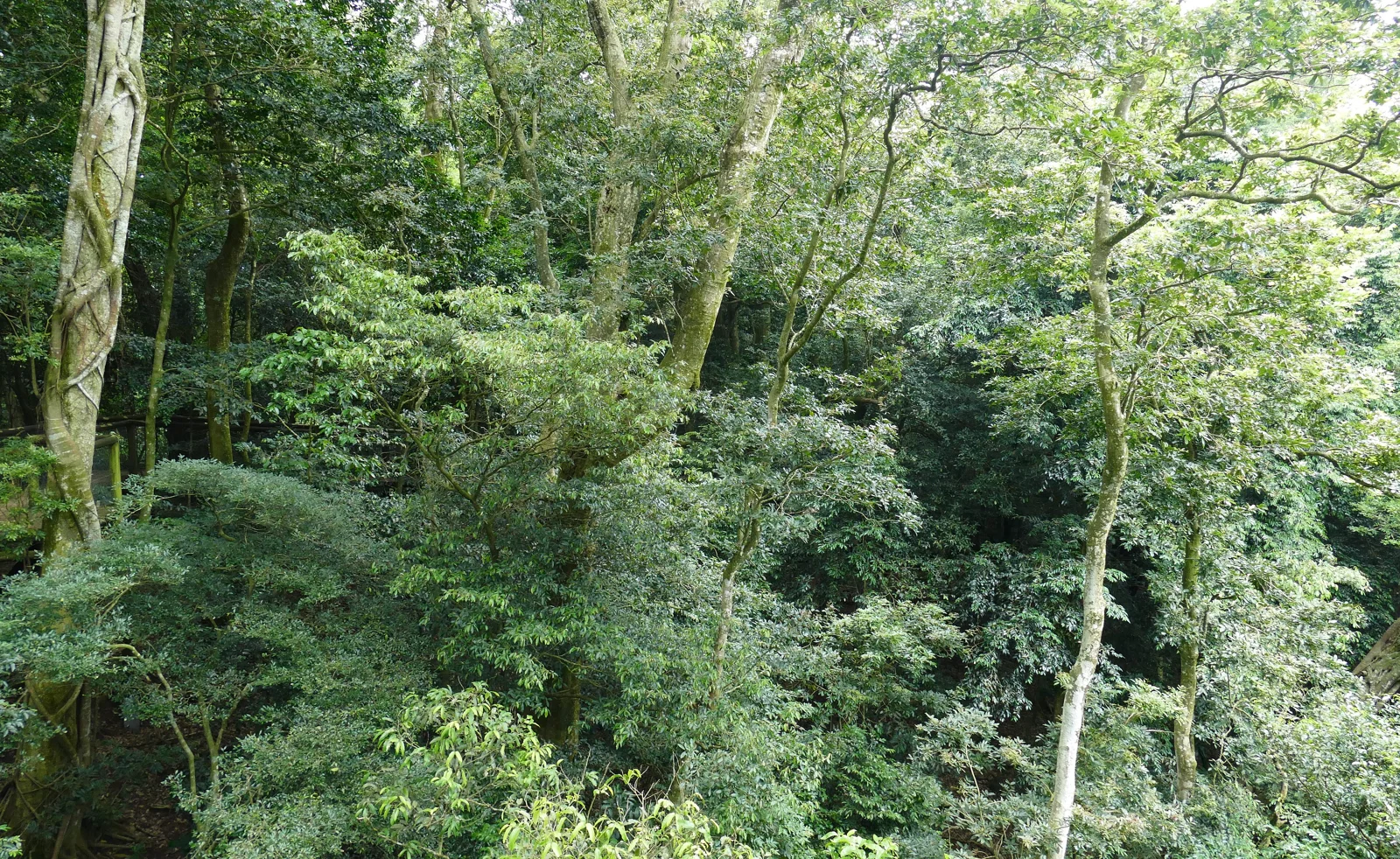
For the thrush, leave the boardwalk and walk the Impunzi and Unkonka trails, where it feeds on the floor of the deep gullies. The hide near the entrance is seeded for Green Twinspot and Red-backed Mannikin, so ask at reception whether seed has gone down; the birds will already know. A small fee is payable; check the opening times before you go.
Ngoye: the Green Barbet
The Ongoye Forest Reserve, usually called Ngoye, lies about 150 km north of Durban between Mtunzini, Eshowe and Empangeni. GoBirding says it is the only place in southern Africa to see the endemic race of Green Barbet, which is a lot of responsibility for 1 forest. Walk the main track beyond the offices, especially the first 2 km, and listen for the barbet’s hollow calls. The same forest holds Green Malkoha, Green Twinspot, Olive Woodpecker and, at the weir about 2 km in, Mountain Wagtail. No permit is needed: report to the main office and pay a small gate fee and community levy. The road in is badly potholed in places, so take a high-clearance vehicle.
St Lucia and Cape Vidal
St Lucia village is the base for the Eastern Shores of iSimangaliso, roughly 250 km from Durban’s airport and 2.5 to 3.5 hours on the N2. Start on the iGwalagwala trail along the estuary for Livingstone’s Turaco, Green Malkoha, Narina Trogon and Black-throated Wattle-eye. Woodward’s Batis is scarce there; it saves itself for Cape Vidal.
The road to Cape Vidal is, in GoBirding’s words, perhaps the best area in South Africa for the threatened Southern Banded Snake Eagle, usually perched on telephone poles near forest in the late afternoon. Stay in the car until the fenced Cape Vidal camp: this is dangerous game country. Inside the camp, a short walk should produce Woodward’s Batis, Green Twinspot and Brown Scrub-robin, the 3 birds GoBirding rates Cape Vidal best in the country for.
Ezemvelo’s 2025 to 2026 sheet listed Cape Vidal’s 4-bed log cabins from R1,890 a night in standard season. From 1 March 2026, iSimangaliso took over tourism facilities and bookings inside the park, so book and check gate fees with iSimangaliso.
uMkhuze: the sand forest specials
uMkhuze, about 50 km north of Hluhluwe on the N2, has a checklist of over 400 species and is the place for the birds Durban cannot give you. GoBirding ranks the sand forest around the Kubube and Kumasinga hides among the premier sites in the country for Pink-throated Twinspot, African Broadbill and Neergaard’s Sunbird, and says knowing the calls is essential for all 3: in sand forest, the ear finds them long before the eye does. Rudd’s Apalis is in the same sand forest. The Riverview Walk from the main office is good for the twinspot and tame Crested Guineafowl.
The guided fig forest walk beside Nsumo Pan is limited to 8 people and booked at reception, for Narina Trogon, Green Malkoha and, some years, a roosting pair of Pel’s Fishing Owl (see how to find Pel’s Fishing Owl). For Neergaard’s and the other camp sunbirds, see the sunbirds of southern Africa. The 2025 to 2026 sheet listed 2-bed safari tents at Mantuma from R1,300 a night.
Community bird guides
GoBirding lists no community bird guides in the eThekwini metro, so Durban is self-guided; for Pigeon Valley it names Crispin Hemson on +27 82 926 5333. Zululand is where guides earn their fee. BirdLife South Africa lists Junior Gabela for Eshowe, Dlinza, Ongoye, iSimangaliso and greater Durban (+27 82 667 3704), and Themba Mthembu for St Lucia, Mkuze, False Bay and Hluhluwe-iMfolozi (+27 71 413 3243). On the south coast, Mpendulo Innocent Mzindle guides at Oribi Gorge and Umtamvuna (+27 73 893 0241). A guide who knows the calls is the difference between hearing Neergaard’s Sunbird and seeing it.
When to go
April to September is thrush season: Spotted Ground Thrush winters at Pigeon Valley, Krantzkloof, Umdoni and Dlinza, along with White-starred Robin and Chorister Robin-chat, and Mangrove Kingfisher is mainly a winter bird at Beachwood and St Lucia. Summer brings cuckoos to Dlinza and calling Buff-spotted Flufftails to the forests. At uMkhuze, Olive-tree Warbler is best found in March and April, when the birds call before migrating, announcing their departure like polite guests. Winter is the stronger choice overall, because the city forests are at their best and the Zululand residents are there all year.
The verdict
Give it 6 days. Spend 2 mornings in Durban, then a day for Dlinza and Ngoye, 2 nights in St Lucia and 2 at uMkhuze. Go in winter, book a community guide for uMkhuze and Ngoye, and learn the calls of the twinspot, the broadbill and the batis before you leave home. Most of the Zululand specials are found by ear first, and seen, with patience, second.
Where to stay
The places in this guide, with what each offers a birder:
| Place to stay | Where | For birders | From |
|---|---|---|---|
| Birds of Paradise Bed and Breakfast | Eshowe, South Africa | BirdLife Recommended, custom birding tours, Dlinza boardwalk 800 m away | Ask the lodge |
| Eshowe Hills Eco and Golf Estate | Eshowe, South Africa | 5 km forest trail, Dlinza Forest boardwalk nearby | Ask the lodge |
| Chase Guest House | Eshowe, South Africa | BirdLife Recommended, 94 species, farm’s indigenous forest | R800 for 1 guest, self-catering |
| Oliver’s Tale | Mtunzini, South Africa | BirdLife Recommended, Palm-nut Vulture, Ongoye Forest for Green Barbet | Ask the lodge |
| Quintasol | Mtunzini, South Africa | BirdLife Recommended, about 380 species, bookable BirdLife-trained guide | Ask the lodge |
| Kwalucia Private Safari Retreat | St Lucia, South Africa | Zululand Birding Route guides arranged, Southern Banded Snake Eagle | Ask the lodge |
| Lodge Afrique | St Lucia, South Africa | Front desk books birding tours, Trumpeter Hornbills in garden | R2,665 per room sharing, B&B |
| Bhangazi Lodge | St Lucia, South Africa | 2-hour guided bird walk, 526 species for the estuary | Ask the lodge |
| Makakatana Bay Lodge | Lake St Lucia, South Africa | Resident birder on staff, early-morning wetlands outing | R10,880 pp sharing, fully inclusive |
| Ghost Mountain Inn | Mkuze, South Africa | BirdLife Recommended, guided birding safaris in Manyoni | R7,250 pp sharing for 3 nights, DB&B |
| Zimanga Private Game Reserve Main Lodge | Mkuze, South Africa | 9 photographic hides, bird bath and lagoon hides, feeders | Ask the lodge |
| Oribi Gorge Guest Farm | Port Shepstone, South Africa | 255 species recorded, Cape Vulture, 28 km of trails | R400 pp, self-catering |
Fees and access change. Facts were checked on 9 November 2026 with BirdLife South Africa’s GoBirding site guides and community guide pages, Ezemvelo KZN Wildlife’s 2025 to 2026 fees and charges, and Time Out Durban’s report on the iSimangaliso handover. Confirm current fees with Ezemvelo KZN Wildlife and iSimangaliso before you go.
More from the Journal
 Namib-Naukluft and Sossusvlei for Birders: Dune Lark, Desert Raptors and the Naukluft SpecialsA lark that lives on the dunes and nowhere else, Lappet-faced Vultures nesting in the desert, coursers on the gravel plains and the northern specials around the Naukluft cliffs, in one of Africa's largest parks.
 Lake Baringo and Lake Bogoria Birding: The Owl Walks, the Cliffs and the FlamingosA local guide who knows where every nightjar and eagle-owl slept last night, thorn scrub full of hornbills, a Goliath Heron colony on a rock, and the flamingo lake next door that keeps rising.
 Akagera Birding: Rwanda’s Savanna, Lakes and Papyrus, and the Shoebill ChancesRed-faced Barbet in the southern woodland, Papyrus Gonolek and Carruthers's Cisticola in the swamps, a lake of hippos and lapwings, and a Shoebill that hides in the wetlands more than it shows.
The Pigeon Post
Every Thursday: 1 bird, 1 place to go and 1 place to stay, by email. Sign up and get our printable checklist of the 163 endemics of southern Africa.