
Autumn Birding in South Africa: March to May, When the Migrants Leave
From March to May the summer visitors leave: rollers in March, swallows in early April, Woodland Kingfishers by night from mid-April. Who goes when, what replaces them, and where to bird.
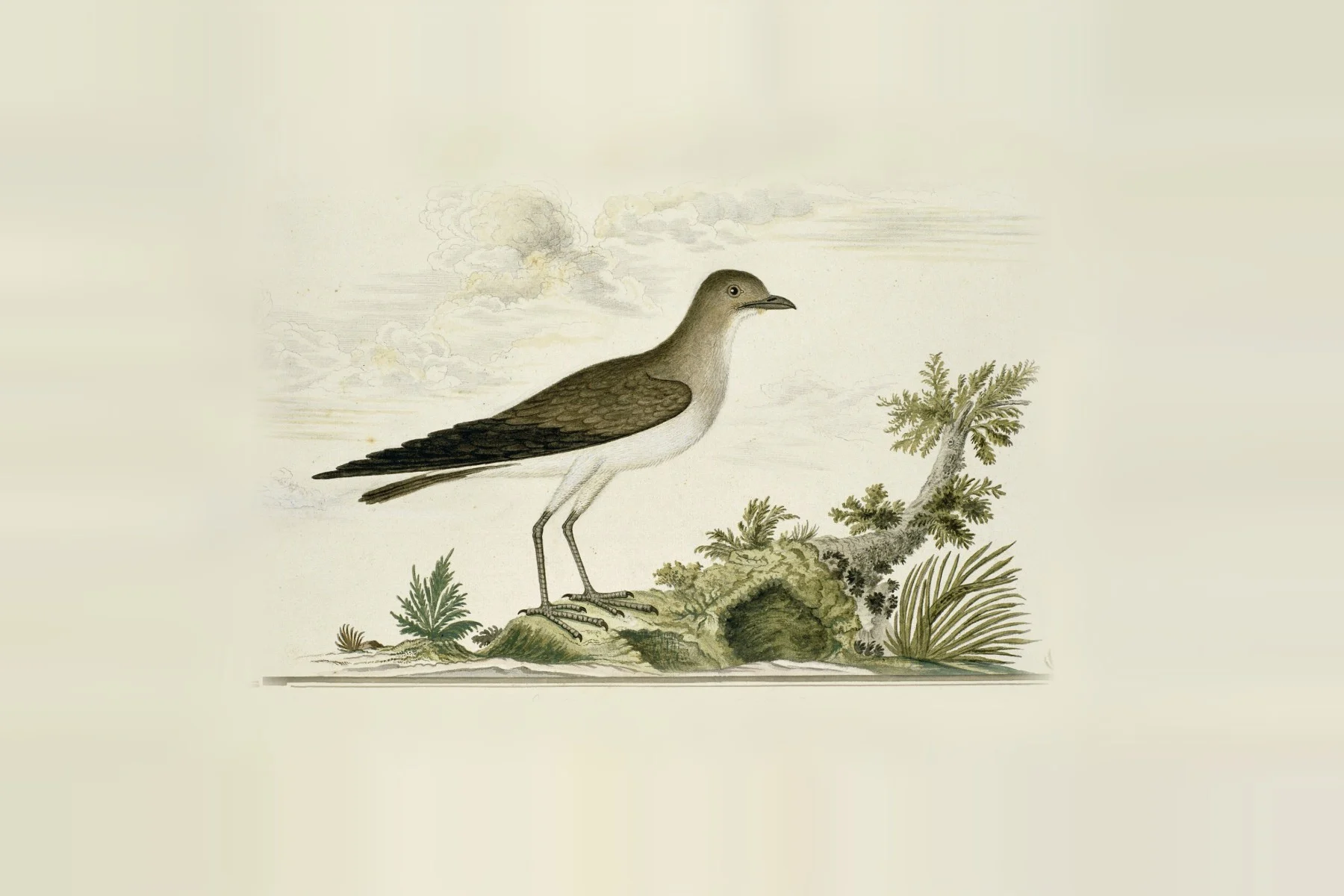
The European Roller takes its time arriving and none at all leaving. The Atlas of Southern African Birds says it is one of the last Palearctic migrants to reach peak numbers in the region, in February, and then departs mainly in March, showing what the author calls the classic pattern of slow arrival and rapid departure. Just before it goes, it gathers in larger flocks, sometimes of many hundreds. A few birds linger into May, and the odd one stays all winter, presumably having missed the memo.
That is autumn in South African birding: the summer migrants leave, each on its own timetable, and the resident birds and the winter specials take over. March, April and May are quieter than December, but they are not empty. The departures are a show of their own, the days are cooler, and by May the first aloes and the first sugarbird nests mark the start of the winter season. This guide covers who leaves when, what replaces them, and where to go.
Who leaves, and when
European Roller. Departure is mainly in March, with flocks forming before the birds go. Our guide to the rollers covers the residents that stay behind.
European Bee-eater. The Palearctic birds depart in late March and April. Winter records, from April to August, come mostly from the old Transvaal, Zimbabwe and north-central Namibia, and the Atlas suggests they may be bee-eaters bred in southern Africa, though it says this needs confirmation.
Barn Swallow. Departure from all areas is in early April, with a small number of birds recorded into May, especially in Zimbabwe. Overwintering is rare, though more common in the south-western Cape. Before they go, the evening flights into the reedbed roosts are worth an hour of anyone’s time: the Atlas describes roosts of over a million birds, some in use for at least 50 years.
Amur Falcon. The last birds leave by early May in most areas, but by mid-March in the far south. The return journey to eastern Asia, the Atlas notes, follows a more northerly route than the one they came by.
Woodland Kingfisher. The return migration starts from mid-April, and the birds travel at night. Once the trilling stops, the woodland sounds noticeably emptier.
Red-chested Cuckoo. The bird that shouted Piet-my-vrou all summer goes quiet well before it goes. The Atlas warns that the end of calling does not coincide with departure: silent, inconspicuous birds are still found after the calling stops, so the date the last call is heard says little about when the last cuckoo left. Where these birds spend the southern winter is, according to the same account, unknown. It is a rare thing for a bird that loud to keep a secret that well.
For the arrival dates of all of these, our guide to summer migrants has the other half of the story.
Who stays, and what starts
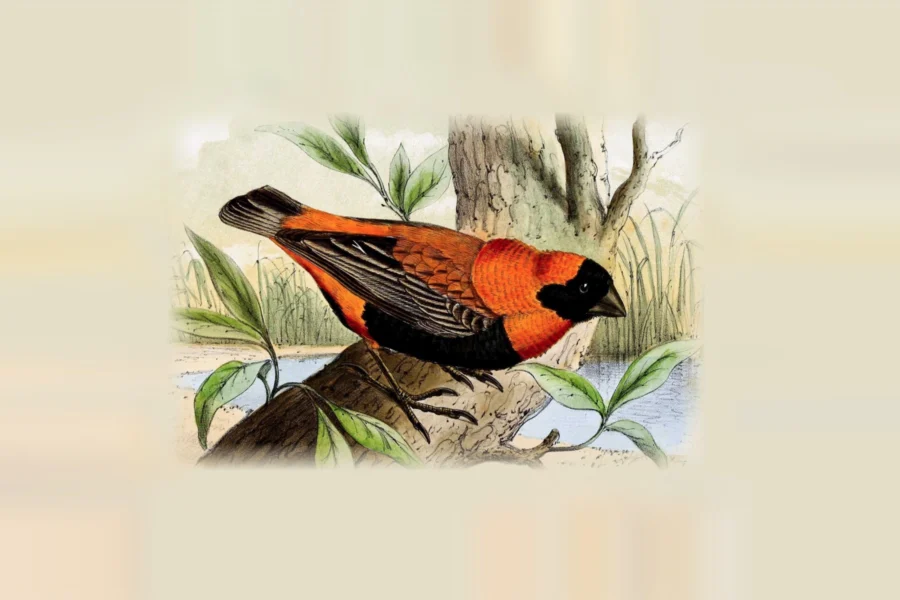
Not every summer breeder is finished by March. In much of South Africa’s summer-rainfall region the Southern Red Bishop breeds from October to March, and in Namibia and Zimbabwe most breeding comes later, from December to April, so some males are still in red into autumn.
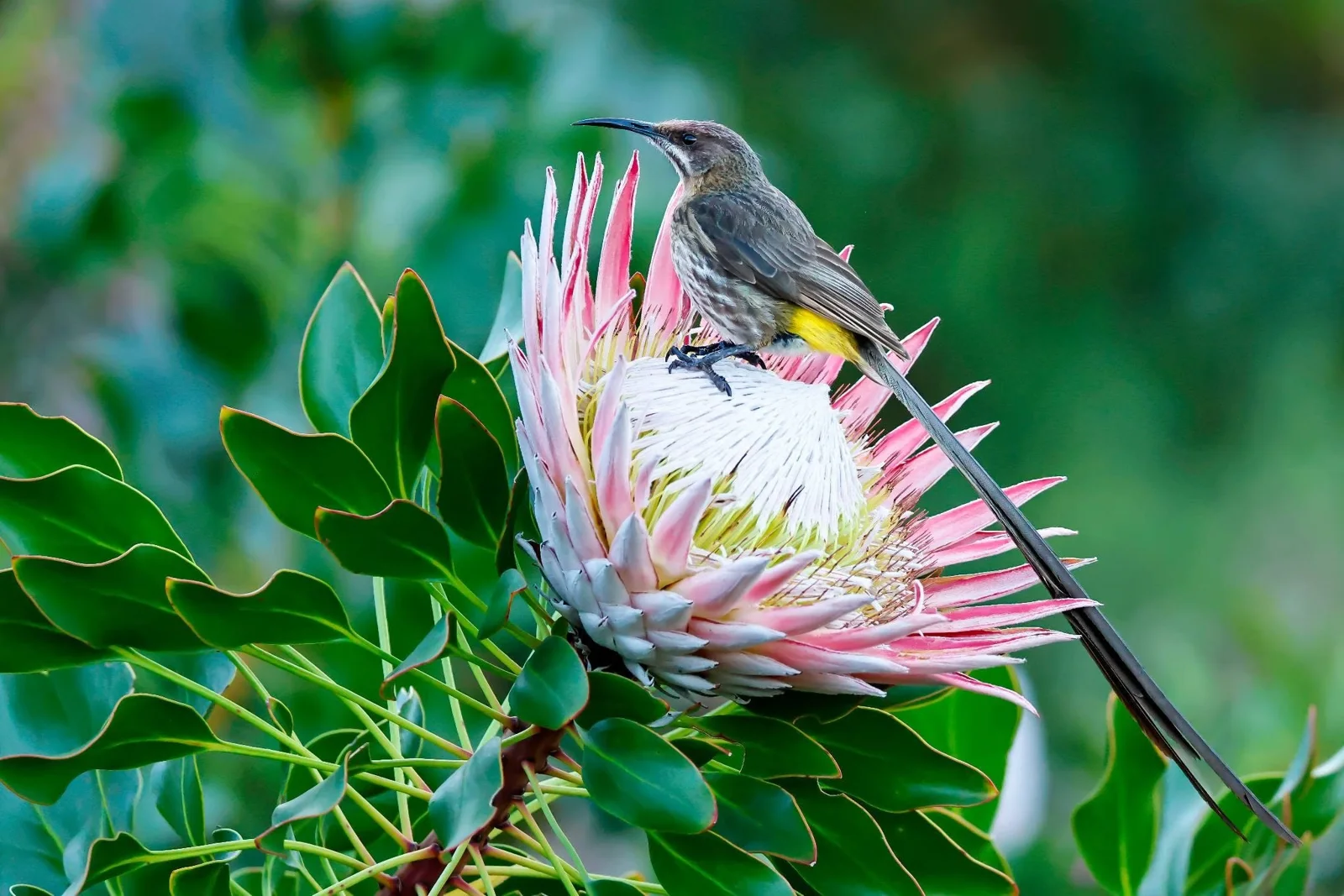
In the Western Cape, autumn ends with the start of the sugarbird season. The Cape Sugarbird’s breeding records are concentrated from May to September, matching the main flowering season of the proteas. It follows its food plants: pincushions on the coastal plains in spring and summer, and Suikerbos, Protea repens, on the hillsides in winter. Males defend flowering shrubs against Orange-breasted Sunbirds and other sugarbirds.
In the north and east, May brings the first aloes. SANBI’s PlantZAfrica gives the flowering season of the Mountain Aloe, Aloe marlothii, as May to September, and says its nectar is an important source of energy for sunbirds. It grows in North West, Gauteng, Limpopo and Mpumalanga, and into KwaZulu-Natal north of Durban, with large populations in the Drakensberg, Lebombo, Soutpansberg and Waterberg ranges. Our guide to winter birding takes the aloe season from there.
Where to go in autumn
Kruger and the far north. March is the last good month for the full summer cast, and the far north holds the specials all year. Pafuri Camp, on the Luvuvhu River in the Makuleke Contract Park, is BirdLife Recommended, lies within an Important Bird Area and names Pel’s Fishing Owl, Racket-tailed Roller, African Finfoot and Lemon-breasted Canary among its specials.
The Soutpansberg. The Mountain Aloe’s range includes the Soutpansberg, where Leshiba Wilderness keeps its own list of 214 species, including Verreaux’s Eagle, Crowned Eagle and Bat Hawk, and offers guided walks that include birding.
The highveld. Greystone Lodge, between Dullstroom and Belfast, describes breeding Blue Cranes and a Red-chested Flufftail by its dam, with Secretarybird and Spotted Eagle-Owl among the residents that stay put when the migrants go.
The Western Cape. For the start of the sugarbird season, Grootbos Private Nature Reserve near Gansbaai names Cape Sugarbird among its birds, runs guided birding outings and has bird lists and books for guests.
Shorter days, quieter roads
Autumn trims the birding day. Kruger’s entrance gates open at 05:30 and close at 18:00 in March, open at 06:00 in April, and in May close at 17:30. SANParks says times may change without notice, so check them before you travel. The cooler days make the middle hours more pleasant for birding than in high summer, which partly makes up for the later starts. By May an open game-drive vehicle at 06:00 is a cold place to be, so the warm jacket that stayed in the bag all summer earns its place again.
For families, the school calendar shapes the season. In 2027, the first school term ends on 19 March and the second begins on 6 April, according to the Department of Basic Education, so the gap between them is the time to book early in the popular parks.
Where to stay
The places in this guide, with what each offers a birder in autumn:
| Place to stay | Where | For birders | From |
|---|---|---|---|
| Pafuri Camp | Makuleke, northern Kruger | BirdLife Recommended, Important Bird Area, Pel’s Fishing Owl | R8,450 pp sharing, fully inclusive |
| Leshiba Wilderness | Soutpansberg, Limpopo | 214-species list, guided birding walks | Ask the lodge |
| Greystone Lodge | Between Dullstroom and Belfast | BirdLife Recommended, breeding Blue Cranes | R1,200 a chalet, weekdays |
| Grootbos Private Nature Reserve | Near Gansbaai, Western Cape | Cape Sugarbird, guided birding outings | R8,450 pp sharing, full board (special) |
Departure dates come from the Atlas of Southern African Birds and vary from year to year. Gate times and school dates were checked on 15 November 2026; confirm them before you travel.
More from the Journal
 Spring Birding in South Africa: September to November, the Arrivals, the Flowers and the BreedingThe first Red-chested Cuckoos call in September, bee-eaters land in October and Woodland Kingfishers arrive in early November. What arrives when, where the flowers are, and where to stay.
 January Birding in South Africa: Where to Go, What’s About, the Heat and the RainJanuary is high summer: bishops in scarlet, Woodland Kingfishers at their breeding peak and European Rollers still arriving. Where to go, and how to work around the heat and the holidays.
 Winter Birding in South Africa: Where to Go from June to AugustThe summer migrants have left town, but June to August brings albatrosses off Cape Point, nesting sugarbirds, aloe bars full of nectar drinkers and forest thrushes in Durban. Where to go, and stay.
The Pigeon Post
Every Thursday: 1 bird, 1 place to go and 1 place to stay, by email. Sign up and get our printable checklist of the 163 endemics of southern Africa.