
Birding Kruger National Park: The Best Camps, Roads and Seasons for Birders
Where birders should base themselves in Kruger, from Punda Maria and Pafuri to Lower Sabie, which hides to sit in, and when to go while everyone else drives south for lions.
Kruger National Park is the first place most birders go in South Africa. SANParks puts the park list at more than 500 species, some found nowhere else in the country, and BirdLife South Africa’s GoBirding guide says Birding Big Day teams in the far north have recorded more than 260 species in 24 hours, which leaves very little time for lunch.
The birds are not spread evenly. The big game is better in the south and centre, but in GoBirding’s words, “northern Kruger is for the birds.” Where you sleep decides most of what you see, which makes the booking page the first birding decision of the trip.
The short answer
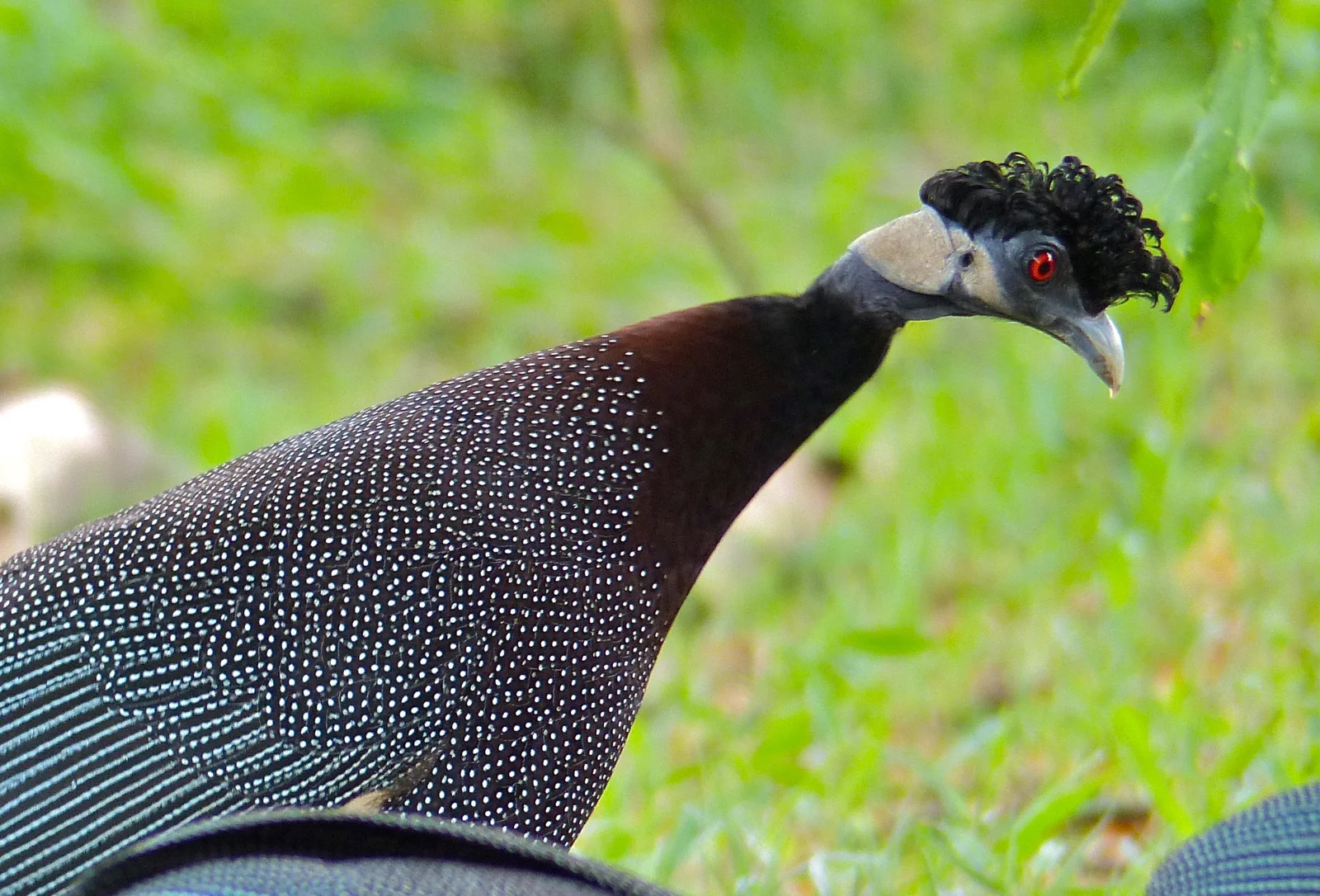
Spend at least 3 nights at Punda Maria. Drive the Mahonie Loop at dawn and give Pafuri a full day, leaving camp when the gate opens. That is where Racket-tailed Roller, Crested Guineafowl, Tropical Boubou, Three-banded Courser and Pel’s Fishing Owl live, and they are worth the early alarm. Then work south: Shingwedzi for Kanniedood Dam, Letaba or Olifants for river birds and owls, Satara for harriers on the plains, and Lower Sabie or Skukuza for Sunset Dam, Lake Panic and the Sabie River. Go between November and March, when the summer migrants are in.
At a glance
| Base | Habitat | Specials (SANParks, GoBirding) | Best site |
|---|---|---|---|
| Punda Maria | Sandveld woodland and mopane | Grey-headed Parrot, Arnot’s Chat, White-breasted Cuckooshrike | Mahonie Loop (S99) |
| Pafuri (day trips or Makuleke lodges) | Riverine forest, baobabs, palm savanna | Pel’s Fishing Owl, Racket-tailed Roller, Crested Guineafowl, Tropical Boubou | Pafuri Picnic Site, Luvuvhu bridge |
| Shingwedzi | River and mopane | Collared Palm Thrush, Bat Hawk, Dwarf Bittern (summer) | Kanniedood hide |
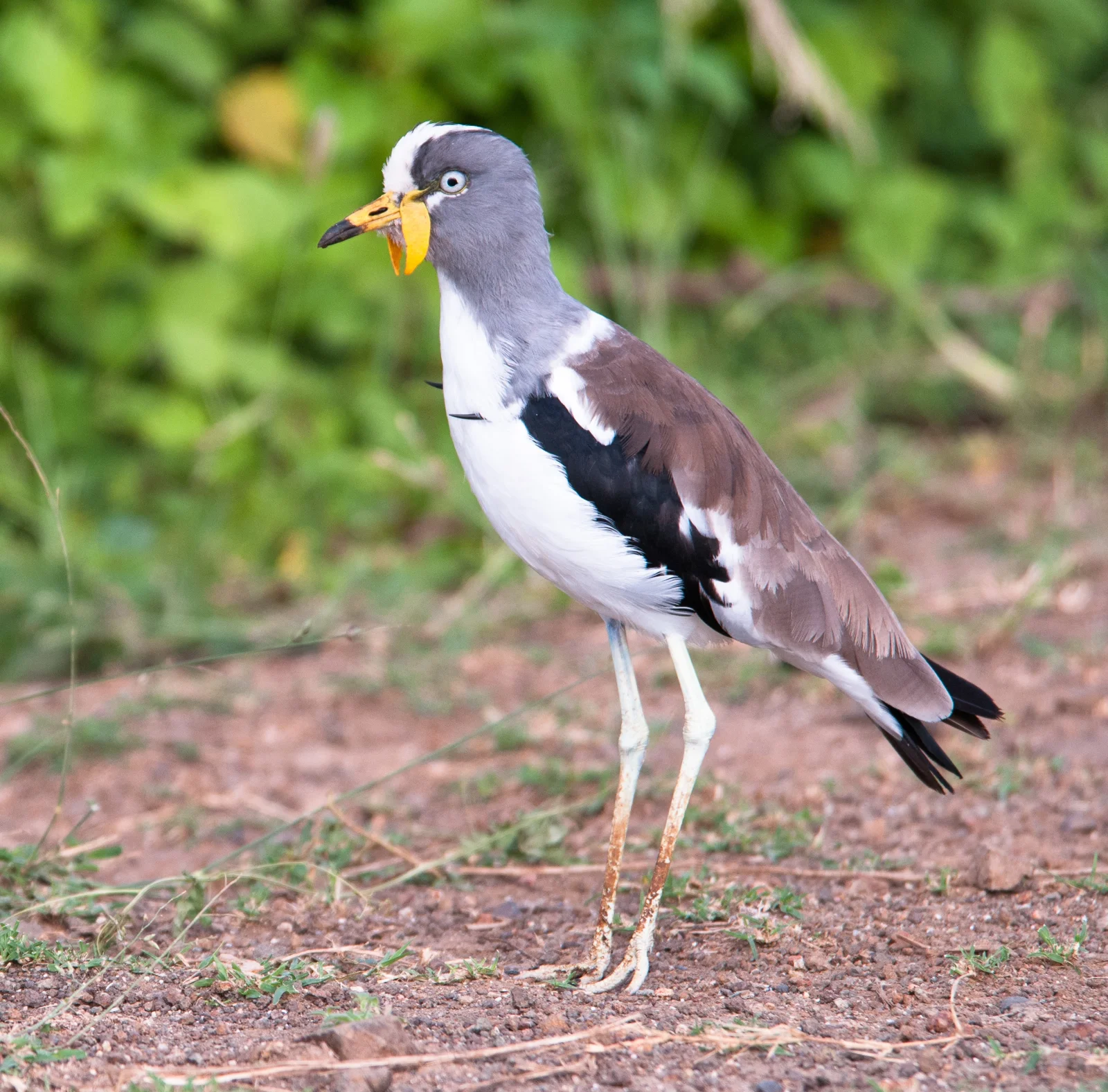
| Letaba and Olifants | Big rivers | Owls, White-crowned Lapwing, White-fronted Plover | Matambeni hide, Balule low-level bridge |
| Satara | Open plains | Montagu’s and Pallid Harriers | Sweni hide |
| Lower Sabie and Skukuza | Sabie River | Storks, African Finfoot, White-backed Night Heron | Sunset Dam, Lake Panic |
The far north: Punda Maria and Pafuri
Punda Maria is the northernmost SANParks camp, set on a ridge, and GoBirding calls it the usual base for Pafuri. In camp, White-throated Robin-chat, Bearded Scrub Robin, Green-winged Pytilia and Purple-crested Turaco come to the small bird bath below the picnic site in the heat of the day, which makes a bird bath the best seat in camp at lunchtime. At night, listen for African Scops Owl and Southern White-faced Owl.
The Mahonie Loop (S99) is the drive to do first. GoBirding calls the 28 km circuit the best route in the park for Grey-headed Parrot, Arnot’s Chat and Mosque Swallow, with White-breasted Cuckooshrike and, in summer, Broad-billed Roller. SANParks advises driving it with the windows down and stopping often for calls, which amounts to official permission to dawdle.
Pafuri is about 60 km north of Punda Maria, and GoBirding calls it one of the best, if not the best, birding areas in the park. At the Pafuri Picnic Site you may get out of the car, and SANParks lists Black-throated Wattle-eye, Tropical Boubou, Narina Trogon and Thick-billed Cuckoo (summer) there. Crested Guineafowl come out onto the roads in the early morning and late afternoon, with the air of birds that know about speed limits. Scan the tall riverine trees for a roosting Pel’s Fishing Owl, and the overhanging vegetation for African Finfoot and White-backed Night Heron. The Luvuvhu River bridge is the spot for Mottled and Böhm’s Spinetails, and the palm savanna along the S63 holds Dickinson’s Kestrel and Lemon-breasted Canary.
For Racket-tailed Roller, cross the Pafuri bridge into the Makuleke Concession and search the dry mopane along the tar road, where GoBirding also lists Arnot’s Chat and the rare Three-banded Courser. Stay on the tar, however inviting the mopane looks. Sleeping in the concession is the upgrade: lodge guests can take guided drives after dark, the best way to look for the fishing owl and the night heron. GoBirding recommends the EcoTraining camp and Return Africa’s Pafuri collection. A February 2019 Birding Ecotours group based at Pafuri Camp had a White-backed Night Heron land below the Luvuvhu bridge at dusk, then Three-banded Coursers on the drive back. For the owl in detail, see how to find Pel’s Fishing Owl.
Shingwedzi and Mopani
Shingwedzi reopened on 6 March 2026 after the January floods. SANParks lists Bennett’s Woodpecker and Grey Penduline Tit in camp, and Collared Palm Thrush, first recorded in 1995, has turned up every year since, which by now counts as a standing booking. Watch the sky from the high-water bridge at dusk for Bat Hawk. Downstream, Kanniedood Dam has storks, and its hide puts Black Crake and African Jacana close, with Dwarf Bittern in summer for the lucky.
Letaba and Olifants
SANParks singles out Letaba for owls: Pearl-spotted Owlet, African Barred Owlet and African Scops Owl are resident in camp, so the night shift starts outside your door, and Verreaux’s Eagle-Owl is regular along the river. See owls you can find without a guide. Matambeni hide, on the northern bank of the Letaba River, is the place for waterbirds. At Olifants, look for White-crowned Lapwing and White-fronted Plover in the riverbed from the main tar road bridge and the bridge at Balule. The low-level bridge at Balule is also where Pel’s Fishing Owl is occasionally seen on night drives.
Satara and the central plains
SANParks calls the plains north of Satara perhaps the best place in the park for Montagu’s and Pallid Harriers, and Red-billed Buffalo Weaver and Burchell’s Starling are everywhere in camp and need no looking for. The plains are also Kori Bustard country; the Big Six birds of Kruger guide covers it and the other 5. Drive the S37 to Sweni hide, about 5 km from N’wanetsi Picnic Site, where Blue-cheeked Bee-eater is regular.
Lower Sabie and Skukuza
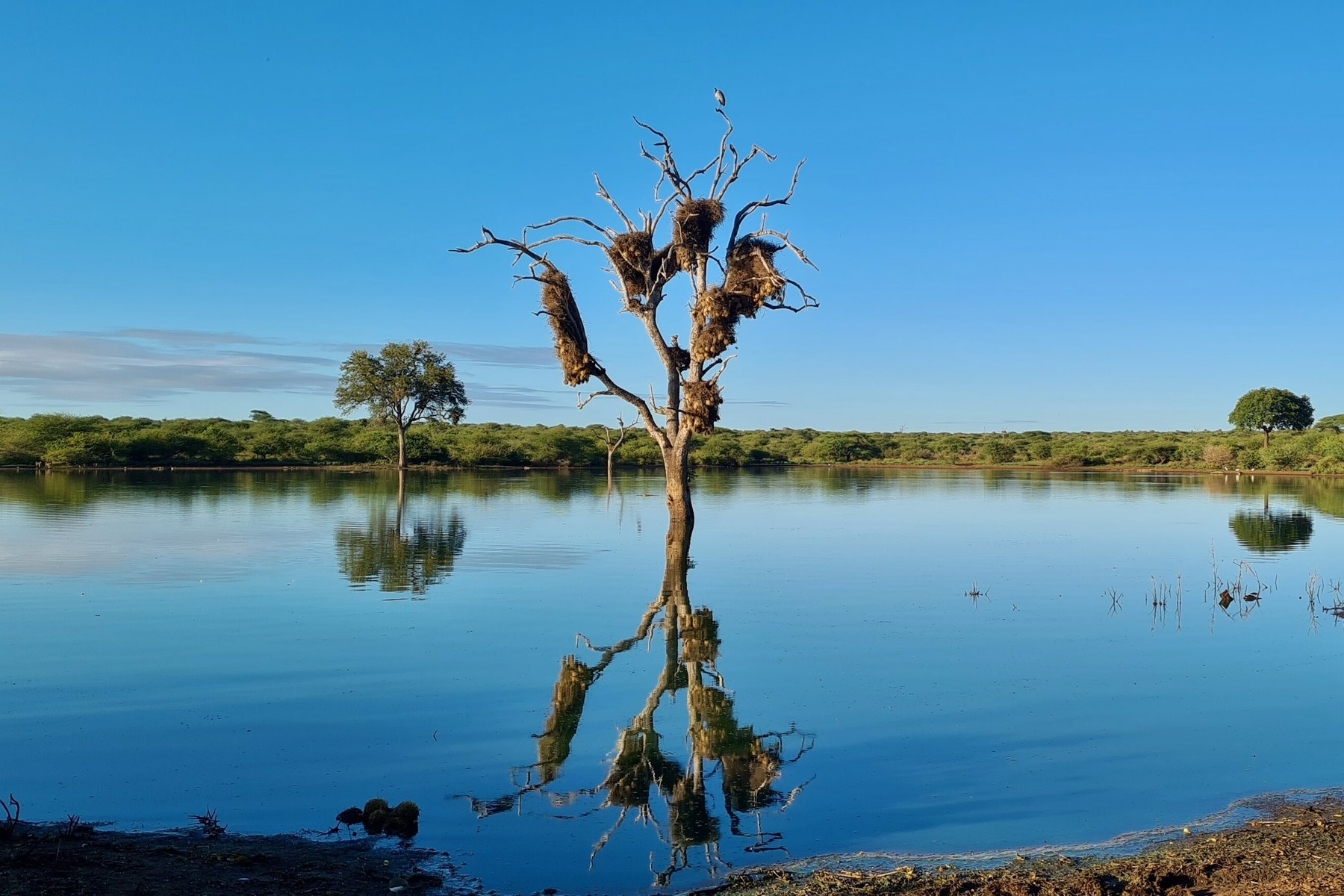
Just outside Lower Sabie on the Skukuza road, Sunset Dam regularly holds 6 stork species, a lot of storks for one dam beside the road, Saddle-billed and Black Storks among them, and GoBirding notes a White-backed Night Heron sometimes sits in the overhanging branches near the parking area. A few kilometres towards Skukuza, White-fronted Bee-eaters breed in the river banks, the N’watimhiri causeway is good for White-crowned Lapwing, and Nkuhlu Picnic Site is worth a scan for African Finfoot.
At Skukuza, scan the river from the restaurant for Finfoot and Half-collared Kingfisher, and after dark watch the floodlit fig tree, where Woodland Kingfishers hunt insects drawn to the light. Expect traffic: trip logs describe jams on the H4-1 between Skukuza and Lower Sabie whenever a cat is near the road. A birder heading for a finfoot waits for the lion to finish being looked at.
The hides worth sitting in
SANParks lists 11 public hides, plus in-camp hides at Punda Maria, Bateleur, Sirheni, Talamati and Tamboti. There are no toilets at any of them, so plan around a camp or picnic site and time the flask accordingly.
Lake Panic, on the S42 near Skukuza, is the one to prioritise, for kingfishers, herons and Wire-tailed Swallows at close range. It faces east, so afternoons have the best light, and it fills up because it is so close to Skukuza; one photography guide that rates it the park’s best hide says it has sometimes found no seat. Sweni, on the S37, is quieter and at its best in winter, when low water exposes rocks and mud and passerines come down to drink. Kanniedood, on the S50 near Shingwedzi, gives close views of Black Crake and African Jacana, but it is reached by a ladder, so the cool box may stay in the car.
For a night in a hide, book Shipandani on the S142 near Mopani. It sleeps up to 6, takes 1 party a night and is booked through SANParks central reservations or Mopani camp. Sable Dam hide near Phalaborwa Gate sleeps up to 9 and is booked through the gate.
Guided walks, drives and local guides
SANParks runs guided walks and drives with armed guides, and GoBirding says the activities at Punda Maria are booked at camp reception. Ask for current prices when you book. A guided night drive is the way to look for nightjars on the roads, where they sit in the open and are still easy to miss, and GoBirding says October and November night drives from Punda Maria can produce Pennant-winged Nightjar.
For a dedicated bird guide in the north, GoBirding lists 4 BirdLife South Africa Community Bird Guides: Christopher Nethonzhe (+27 76 302 9383), Khotso Snymes (+27 78 365 8102), Lungile Mteyane (+27 76 376 0435) and Samson Mulaudzi (+27 83 662 9960).
Fees, gates and getting there
The daily conservation fee for international adults is R692 (about US$42) from 1 November 2026 to 31 October 2027, and R345 for children, according to the SANParks 2026/27 rate card as reported by The Rio Times. South African adults pay R140. A week costs a foreign couple R9,688 in fees alone.
SANParks lists entrance gates opening at 05:30 and closing at 18:30 from November to February, and 06:00 to 17:30 from May to July. A second table on the same page shows 04:30 openings from November to January, so confirm with your camp. There is no late admission at Pafuri or Phalaborwa gates. Punda Maria Gate is 550 km from Johannesburg, 5 to 6 hours via Makhado and the R524.
When to go
GoBirding says birding is best from November to March, when the summer migrants arrive, though winter (May to July) still produces a long list. Summer brings Wahlberg’s, Steppe and Lesser Spotted Eagles, and River Warbler and Thrush Nightingale at Pafuri, both most vocal in March and both far easier to hear than to see.
Summer also brings the problems. Heavy rain in January 2026 closed roads and camps, and the Sand River low-water bridge at Skukuza was still overflowing in April. Check the SANParks Kruger Roads Register before each day’s drive. Over the December holidays in 2025, SANParks set daily quotas for day visitors, with overnight guests exempt, so book a bed rather than relying on a day permit.
The verdict
Give Kruger a week and spend most of it in the north, however loudly the south advertises its lions. Book 3 nights at Punda Maria, or 2 there and 2 in the Makuleke Concession for the night drives, then 2 at Shingwedzi or Letaba before finishing at Lower Sabie for Sunset Dam. Go in November or early December, with the migrants in and before the January rains that closed roads in 2026. If time is short, cut the south, not the north: the species that occur nowhere else in South Africa are in the Pafuri and Punda Maria woodlands, not at Skukuza.
Where to stay
The places in this guide, with what each offers a birder:
| Place to stay | Where | For birders | From |
|---|---|---|---|
| Pafuri Camp | Makuleke, northern Kruger | BirdLife Recommended, Luvuvhu River, guided drives after dark | R8,450 pp sharing all-inclusive |
| Baobab Hill House | Makuleke, northern Kruger | Bird-focused walks and drives, private guiding, Pel’s Fishing Owl | Ask the lodge |
| Hutwini Walking Camp | Makuleke, northern Kruger | Guided birding walks, Pafuri Birding Challenge, open April to October | R8,450 pp sharing FB |
| Mopani Rest Camp | Mopani, northern Kruger | Pioneer Dam bird hide, Shipandani sleep-over hide | R1,888 per bungalow for 2 self-catering |
| Plains Camp @ Rhino Walking Safaris | Near Skukuza, southern Kruger | BirdLife Recommended, walking safaris, tailor-made birding safaris | R9,830 pp sharing FB |
Fees, road access and hides change, especially after floods. Facts were checked on 9 November 2026 with BirdLife South Africa’s GoBirding guides to Pafuri, Punda Maria and Lower Sabie, SANParks’ Kruger birding, hides and gate pages, The Rio Times report on the SANParks 2026/27 rate card, a Birding Ecotours trip report and Getaway’s flood updates. Confirm fees and closures with SANParks before you go.
More from the Journal
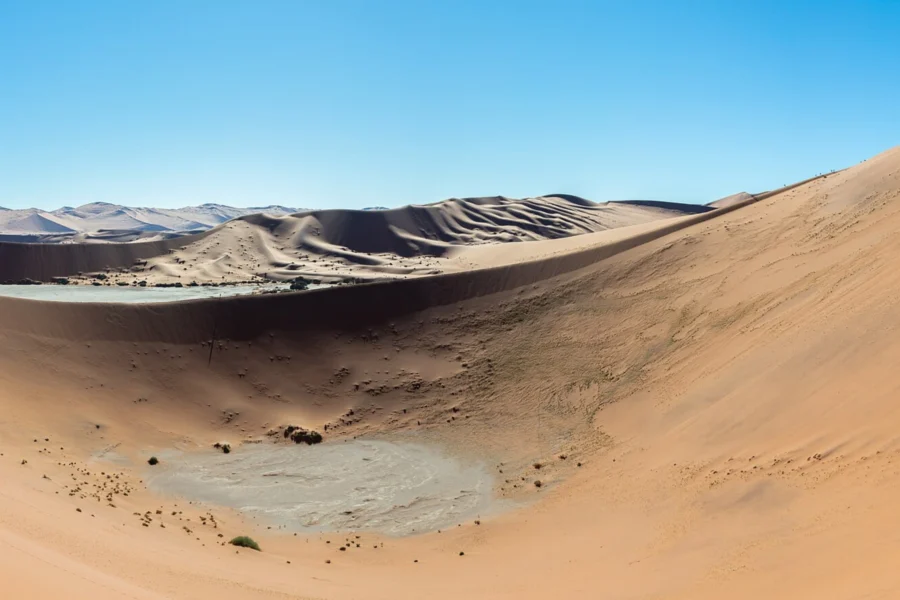 Namib-Naukluft and Sossusvlei for Birders: Dune Lark, Desert Raptors and the Naukluft SpecialsA lark that lives on the dunes and nowhere else, Lappet-faced Vultures nesting in the desert, coursers on the gravel plains and the northern specials around the Naukluft cliffs, in one of Africa's largest parks.
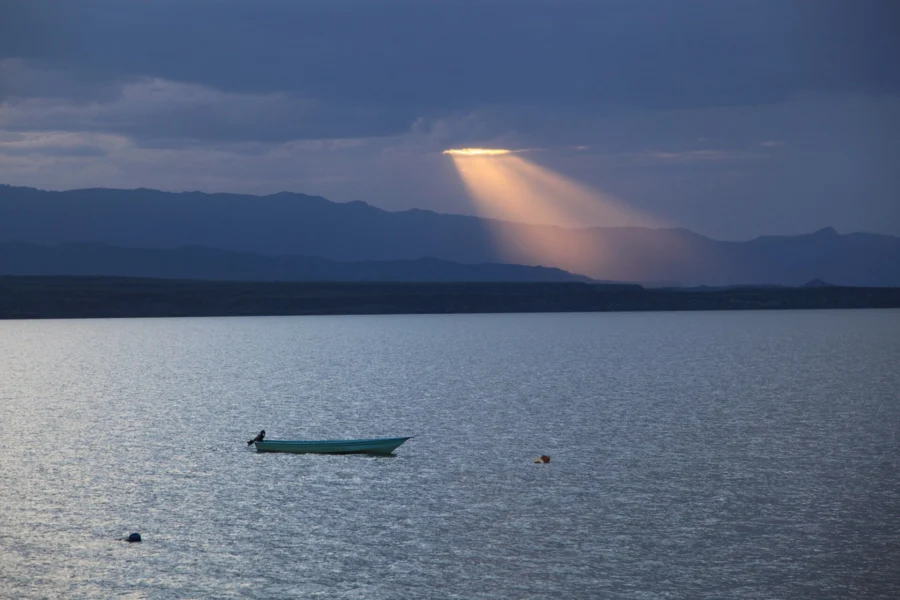 Lake Baringo and Lake Bogoria Birding: The Owl Walks, the Cliffs and the FlamingosA local guide who knows where every nightjar and eagle-owl slept last night, thorn scrub full of hornbills, a Goliath Heron colony on a rock, and the flamingo lake next door that keeps rising.
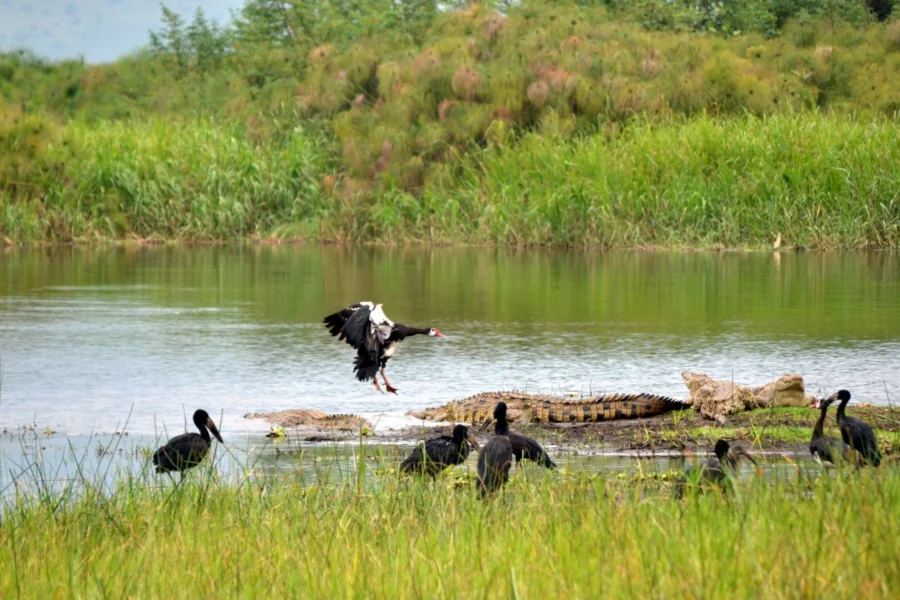 Akagera Birding: Rwanda’s Savanna, Lakes and Papyrus, and the Shoebill ChancesRed-faced Barbet in the southern woodland, Papyrus Gonolek and Carruthers's Cisticola in the swamps, a lake of hippos and lapwings, and a Shoebill that hides in the wetlands more than it shows.
The Pigeon Post
Every Thursday: 1 bird, 1 place to go and 1 place to stay, by email. Sign up and get our printable checklist of the 163 endemics of southern Africa.