
When to Go Birding in South Africa: A Month-by-Month Guide
When the summer migrants check in and out, when the bishops and widowbirds dress up, and the best months for Kruger, the fynbos, the Karoo, KwaZulu-Natal, pelagic trips and Birding Big Day.
South Africa runs on 2 rainfall calendars. Most of the country, Kruger, the highveld and KwaZulu-Natal included, gets its rain in summer, while the south-western Cape gets it in winter. The birds follow the rain, and the birders follow the birds. The Atlas of Southern African Birds found that Southern Red Bishops in the winter-rainfall Cape breed mainly from August to December, while over most of the summer-rainfall country their season runs from October to March.
So no single month suits the whole country, which is either a problem or an excellent excuse for several trips. Even the sea keeps its own season: the albatrosses off Cape Point peak in midwinter, just when a boat trip sounds least appealing.
The short answer
For the most species, go between November and March, when the migrants are in and the bishops and widowbirds are in breeding colours. November is the strongest single month: the last migrants have arrived and the worst of the rain is usually still ahead, a rare moment when the birds and the weather agree. For the Cape and the Karoo, come from August to October. For albatrosses, book a pelagic between June and August. For the forest thrushes around Durban, go between April and September.
Month by month
| Month | Where to be | What to look for |
|---|---|---|
| January | Kruger, KwaZulu-Natal, Cape Point pelagics | Woodland Kingfishers breeding; Spectacled Petrel at sea |
| February | West Coast, Cape Point pelagics | Waders at Langebaan; Spectacled Petrel |
| March | Pafuri, uMkhuze | River Warbler and Thrush Nightingale singing; Olive-tree Warbler |
| April | KwaZulu-Natal forests | Swallows and kingfishers leaving; Spotted Ground Thrush arriving |
| May | Fynbos, Kruger | Cape Sugarbirds start breeding; dry season begins |
| June | Cape Point pelagics, Durban forests | Peak albatross numbers; wintering thrushes |
| July | Cape Point pelagics, Kruger | Great albatrosses; Sweni hide at low water |
| August | West Coast, Tankwa Karoo | Waders arrive; Karoo spring starts; Cape bishops start breeding |
| September | Tankwa Karoo, Postberg | Karoo larks displaying; first Barn Swallows |
| October | West Coast, Wakkerstroom, northern Kruger | Wader numbers peak; grassland larks displaying; Pennant-winged Nightjar |
| November | Kruger, highveld grassland | Woodland Kingfishers and Amur Falcons arrive |
| December | Anywhere you can field a team | Birding Big Day on 5 December 2026 |
When the summer migrants arrive and leave
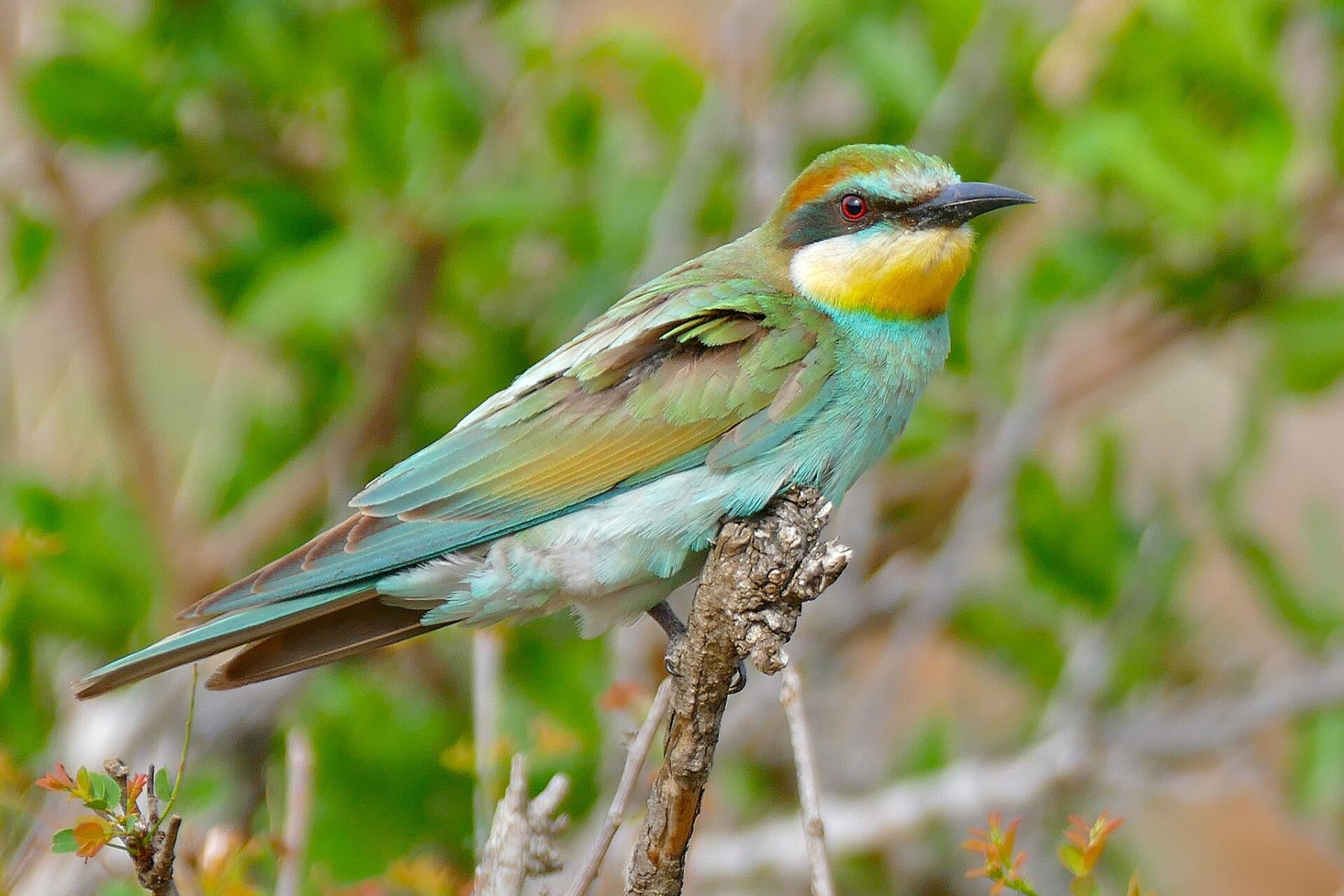
The Atlas of Southern African Birds, from the first bird atlas project, gives the clearest timings. Barn Swallows (European Swallow in the atlas) can turn up from early September, but most arrive in late October or early November, a little later in the south, and leave in early April. Palearctic European Bee-eaters arrive mainly in October and leave in late March and April.
The intra-African migrants keep a tighter schedule, more airline than backpacker. Woodland Kingfishers arrive in the first 2 weeks of November, breed from November to March with a peak in December and January, and start back north from mid-April. Amur Falcons reach most of the country in early November and the far south about a month later, and the last leave by early May. Their stronghold is the grassland of south-eastern Mpumalanga, western KwaZulu-Natal and the north-eastern Free State, where they share roosts in tall trees, often in towns, with Lesser Kestrels; the atlas says these can hold tens of thousands of birds.
The waders come first. BirdLife South Africa’s GoBirding guide says Palearctic shorebirds start arriving at Langebaan Lagoon in numbers in August and peak by October, most of them Curlew Sandpipers and Little Stints. See West Coast National Park and Langebaan.
Breeding plumage
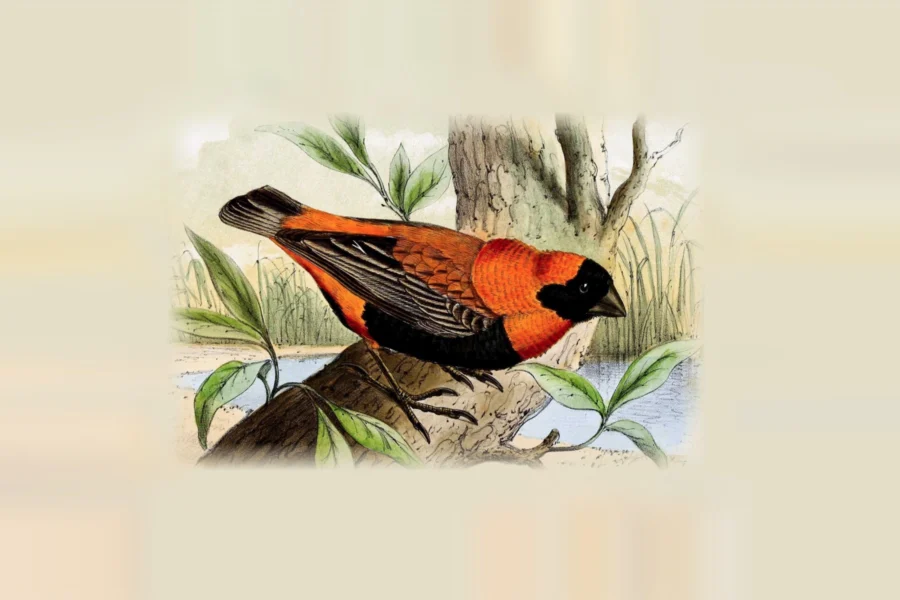
The atlas notes that Southern Red Bishop reporting rates climb in summer because males in scarlet and black are so easy to identify. Out of breeding plumage they flock with similar brown weavers and queleas and are easily overlooked, the bishop’s yearly fall from scarlet to anonymity. Long-tailed Widowbird, whose males fly slow display flights over the highveld grassland with their tails arched, has breeding records mainly from October to April.
Cape Sugarbird runs to the Cape’s winter calendar: its atlas breeding records are concentrated from May to September, the main flowering season of the proteas. In the fynbos, winter and early spring are the months for displaying sugarbirds, and a calm morning counts for as much as the month. See the 6 fynbos endemics.
Kruger and the Lowveld
GoBirding says Kruger birding is best from November to March, when the summer migrants are in, and lists Wahlberg’s, Steppe and Lesser Spotted Eagles among them. At Pafuri, River Warbler and Thrush Nightingale are most vocal in March, so late summer is the time for the far north’s skulkers, which are far easier to hear than to see. In October and November, guided night drives from Punda Maria can produce Pennant-winged Nightjar. For a bed in the far north, Pafuri Camp on the Luvuvhu River is BirdLife South Africa Recommended Accommodation.
The dry season runs from May to September, as Safari Dispatch’s guide to the best time to visit South Africa sets out, and SANParks says Sweni hide near Satara is at its best then, when low water exposes rocks and mud and small birds come down to drink. Summer brings the risks: heavy rain in January 2026 closed roads and camps, so check the SANParks Kruger Roads Register in the wet months. Our Kruger birding guide goes camp by camp.
The Western Cape: winter rain, spring song
The south-western Cape gets most of its rain from May to August, with a dry, windy summer. Sugarbirds breed through the wet months, the Red Bishops mainly from August to December, and spring, from August to October, is when the region is loudest. GoBirding says spring brings European Bee-eaters and displaying Cape Clapper Larks to Postberg in West Coast National Park, which opens only in flower season; in 2026 that was 1 August to 30 September.
Winter fronts are the drawback. Wind and rain make Cape Rockjumpers and Victorin’s Warblers harder to hear, so use the calm days. From about July to December, GoBirding notes, Southern Right Whales are in False Bay, below Clarence Drive on the way to the rockjumpers at Rooi-Els, which is a very large distraction on the way to a fairly small bird.
The Karoo after rain
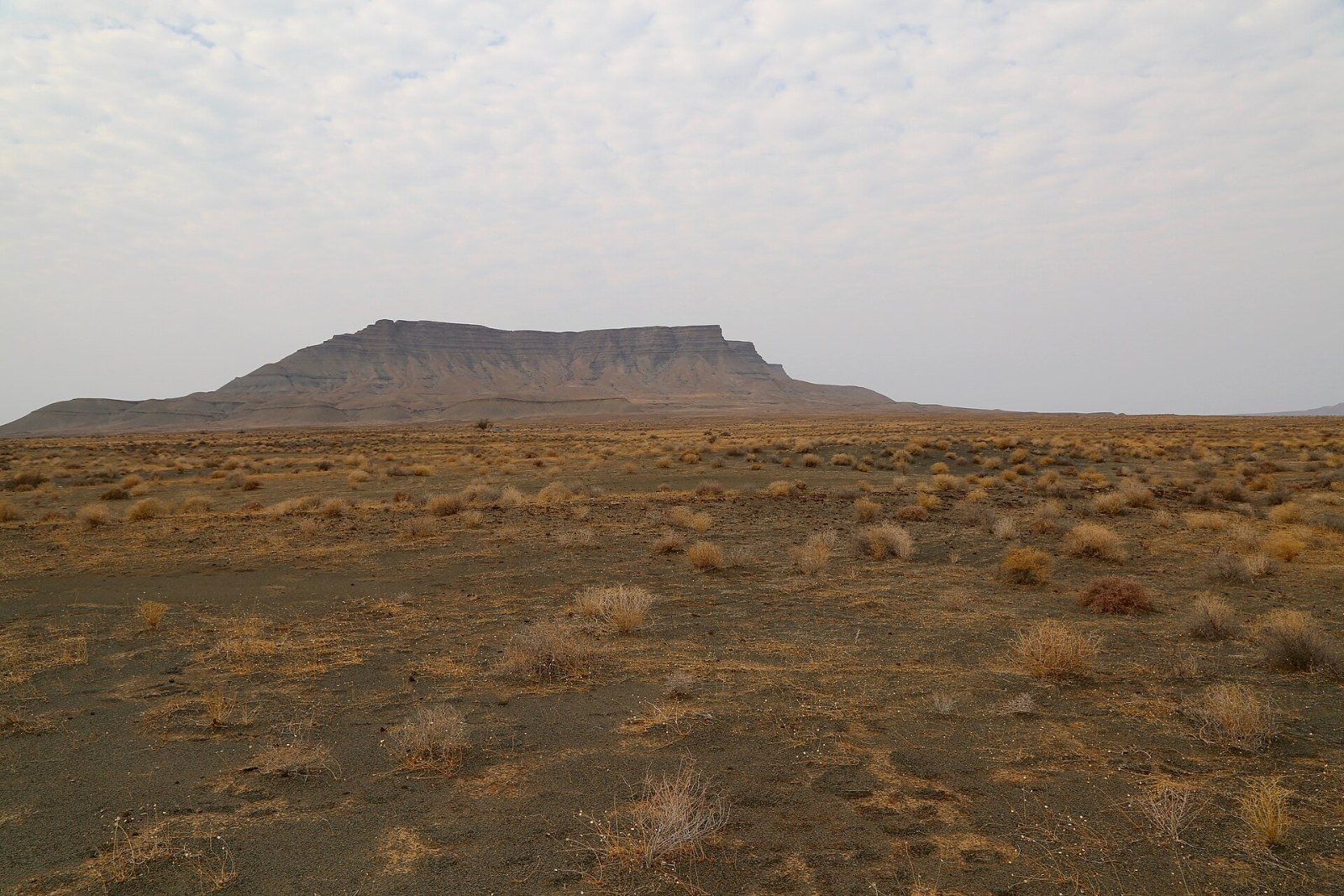
The Karoo keeps a different clock again. In an account reproduced by SANParks, Callan Cohen and Claire Spottiswoode put the peak of birding in the Tankwa Karoo from August to October, when the region may also burst into flower, and rate the P2250 road towards Tankwa Karoo National Park among the best birding roads of the south-western Karoo in spring, “when the scrub is alive with displaying, nest-building and chick-provisioning birds.” Karoo Lark is easiest then, when its rattling call is heard everywhere, and Ludwig’s Bustards can be present in numbers in winter and spring.
Rain decides the rest. GoBirding’s park guide says the nomadic Black-eared Sparrow-lark can suddenly irrupt into the area after periods of exceptional rain, and the SANParks account records it breeding in the park in 1996 and invading again in spring 2001. Black-headed Canary and Lark-like Bunting also move in from time to time, without consulting anyone’s travel dates. The same account says most of the specials can be found all year with a little effort, the possible exceptions being the canary, Ludwig’s Bustard and the sparrow-lark. Before a dedicated trip, phone the park on +27 (0)21 741 7136 and ask about recent rain. It is about 2 and a half hours from Cape Town, and GoBirding advises a high-clearance car.
KwaZulu-Natal: forest birds in winter, cuckoos in summer
KwaZulu-Natal is a summer-rainfall province, but its forest birding goes against the grain and peaks in the dry months. From April to September, GoBirding says, Spotted Ground Thrush winters in Durban’s Pigeon Valley, at Krantzkloof and in Dlinza Forest at Eshowe, with White-starred Robin and Chorister Robin-chat. Mangrove Kingfisher is mainly a winter visitor to the Beachwood Mangroves and iSimangaliso’s Eastern Shores.
Summer brings cuckoos to Dlinza and calling Buff-spotted Flufftails to the forests, and African Broadbill displays at Oribi Gorge. At uMkhuze, Olive-tree Warbler is best found in March and April, when the birds sing before they migrate. The Zululand residents, Pink-throated Twinspot among them, are there all year. On the Nibela Peninsula, Malkoha Lake St. Lucia is BirdLife Recommended and has its own bird guides. See birding near Durban.
Pelagic season
Trips out of Simon’s Town run all year. Winter, June to August, is the strongest season for albatrosses, which mind the weather rather less than the passengers do: Cape Town Pelagics’ reports for those months in 2025 and 2026 include Wandering, Southern Royal and Northern Royal Albatrosses. It is also when cold fronts most often cancel trips, so every booking comes with a backup day. Summer brings Cory’s and Great Shearwaters and Sabine’s Gull, and Birding Ecotours says January and February give the best odds of Spectacled Petrel. Avian Leisure, with apartments above the Boulders penguin colony, runs guided pelagic trips. See Cape Town pelagic trips for operators and prices.
Birding Big Day
Birding Big Day is BirdLife South Africa’s flagship birding event, held each year on a single Saturday in late November or early December. In 2026 it is on 5 December. Teams of up to 6 record every species they see or hear in 24 hours, inside a 50 km or a 6 km radius of a point they choose, and log them on the BirdLasser app. Entry is free, and every record feeds the second Southern African Bird Atlas Project (SABAP2).
The 2025 event drew a record 503 teams, which logged more than 670 species between them. Team Hamerkop, from Mpumalanga, won for the 3rd year running with 322 species in the 50 km category, which leaves the other 502 teams something to aim for. RETURN Africa sponsors again in 2026, and the lucky-draw prize is a 4-night stay for 4 at Pafuri Camp.
Crowds, floods and other things that move the dates
South African school holidays decide when parks fill, and the 2026 summer break runs from about 10 December into January. Over the December 2025 holidays SANParks set daily quotas for day visitors to Kruger, with overnight guests exempt, so book a bed rather than relying on a day permit.
Flower season does the same to the Cape: SANParks recorded more than 23,000 visitors at West Coast National Park in August 2025, so go on a weekday. Summer thunderstorms can make the gravel roads around Wakkerstroom slippery, and in spring Birding Ecotours puts the chance of a Cape Point pelagic going ahead at about 50:50, even with the backup day.
Where to stay
The places in this guide, with what each offers a birder:
| Place to stay | Where | For birders | From |
|---|---|---|---|
| Pafuri Camp | Makuleke, northern Kruger | BirdLife Recommended, on the Luvuvhu River | R8,450 pp sharing all-inclusive |
| Malkoha Lake St. Lucia | Nibela Peninsula, KwaZulu-Natal | BirdLife Recommended, own bird guides, photography hide | Ask the lodge |
| Avian Leisure | Simon’s Town, Western Cape | Garden feeders, pelagic trip advice, Orange-breasted Sunbird | Ask the lodge |
Seasons shift with the rain. Facts were checked on 11 November 2026 with the Atlas of Southern African Birds, BirdLife South Africa’s GoBirding guides and Birding Big Day pages, and SANParks’ Tankwa Karoo and Kruger pages. Confirm dates and access with the parks before you go.
More from the Journal
 Spring Birding in South Africa: September to November, the Arrivals, the Flowers and the BreedingThe first Red-chested Cuckoos call in September, bee-eaters land in October and Woodland Kingfishers arrive in early November. What arrives when, where the flowers are, and where to stay.
 January Birding in South Africa: Where to Go, What’s About, the Heat and the RainJanuary is high summer: bishops in scarlet, Woodland Kingfishers at their breeding peak and European Rollers still arriving. Where to go, and how to work around the heat and the holidays.
 Autumn Birding in South Africa: March to May, When the Migrants LeaveFrom March to May the summer visitors leave: rollers in March, swallows in early April, Woodland Kingfishers by night from mid-April. Who goes when, what replaces them, and where to bird.
The Pigeon Post
Every Thursday: 1 bird, 1 place to go and 1 place to stay, by email. Sign up and get our printable checklist of the 163 endemics of southern Africa.