
Winter Birding in South Africa: Where to Go from June to August
The summer migrants have left town, but June to August brings albatrosses off Cape Point, nesting sugarbirds, aloe bars full of nectar drinkers and forest thrushes in Durban. Where to go, and stay.
In August, at the peak of flowering in a stand of Mountain Aloes at Suikerbosrand Nature Reserve, Craig Symes and his colleagues found bird numbers 2 to 3 times higher than at other points in their survey. They recorded 38 species drinking the nectar, from barbets and mousebirds to bulbuls, starlings, weavers and canaries. Only 2 sunbird species turned up, both in small numbers, outnumbered at their own bar by the rest of the neighbourhood. The study, published in the Journal of Ornithology in 2007, called the aloes a nectar oasis in the dry South African winter.
That is the short case for birding South Africa between June and August. The Palearctic migrants have left: the European Bee-eaters that spend the northern winter here arrive mainly in October and depart in late March and April, according to the first Southern African Bird Atlas. But winter has its own birds, and some of them are only easy now, which is worth a cold start and a second jersey.
The Cape: albatross season
On 13 June 2026 a Cape Town Pelagics boat out of Simon’s Town found a trawler and, by the guide’s count, more than 2,000 Black-browed Albatrosses, more than 1,600 Shy Albatrosses, more than 1,500 Sooty Shearwaters and more than 1,000 White-chinned Petrels. Among them were 2 young Wandering Albatrosses, a Southern Royal Albatross and 3 Southern Fulmars. The trip report called it “a beautiful winter’s day at sea”, which may be the understatement of the season.
Not every winter trip is like that, but the operator’s 2026 reports for June, July and August list Southern Fulmar on several trips, Northern Royal Albatross on 18 July, 8 August and 15 August, and Spectacled Petrel on 26 July, 8 August, 15 August and 23 August. Birding Ecotours, which also runs Cape Town pelagics, says that in winter large flocks of Cape Petrels push up from the cold subantarctic waters, along with Antarctic Prions.
Some practical points, because the Southern Ocean does not take bookings. Trips are booked over 2 consecutive days, so that the skipper can choose the better day, and they can still be called off if the sea is bad on both. And the price: Birding Ecotours lists its 1-day trip at R4,000 per person sharing (checked 14 November 2026); Cape Town Pelagics asks you to email for a quote and gives all its profits to seabird research and conservation. Our guide to Cape Town pelagic trips covers the boats and the seasons in detail.
You can also watch from land. BirdLife South Africa’s GoBirding guide to the Cape of Good Hope section of Table Mountain National Park says the winter months are best for seawatching from the Atlantic side, because strong cold fronts push seabirds inshore. Shy and Black-browed Albatrosses, both giant petrels, Subantarctic Skua, White-chinned Petrel and Sooty Shearwater are all regular. It names the viewpoints at Cape Point, Gifkommetjie and Platboom, and the road down to the Cape of Good Hope, and warns that a scope is generally needed for the best views. A cold front makes for an uncomfortable morning at a viewpoint, and the best one for seabirds. Bring a flask; the albatrosses will not wait while you fetch one.
The fynbos in flower
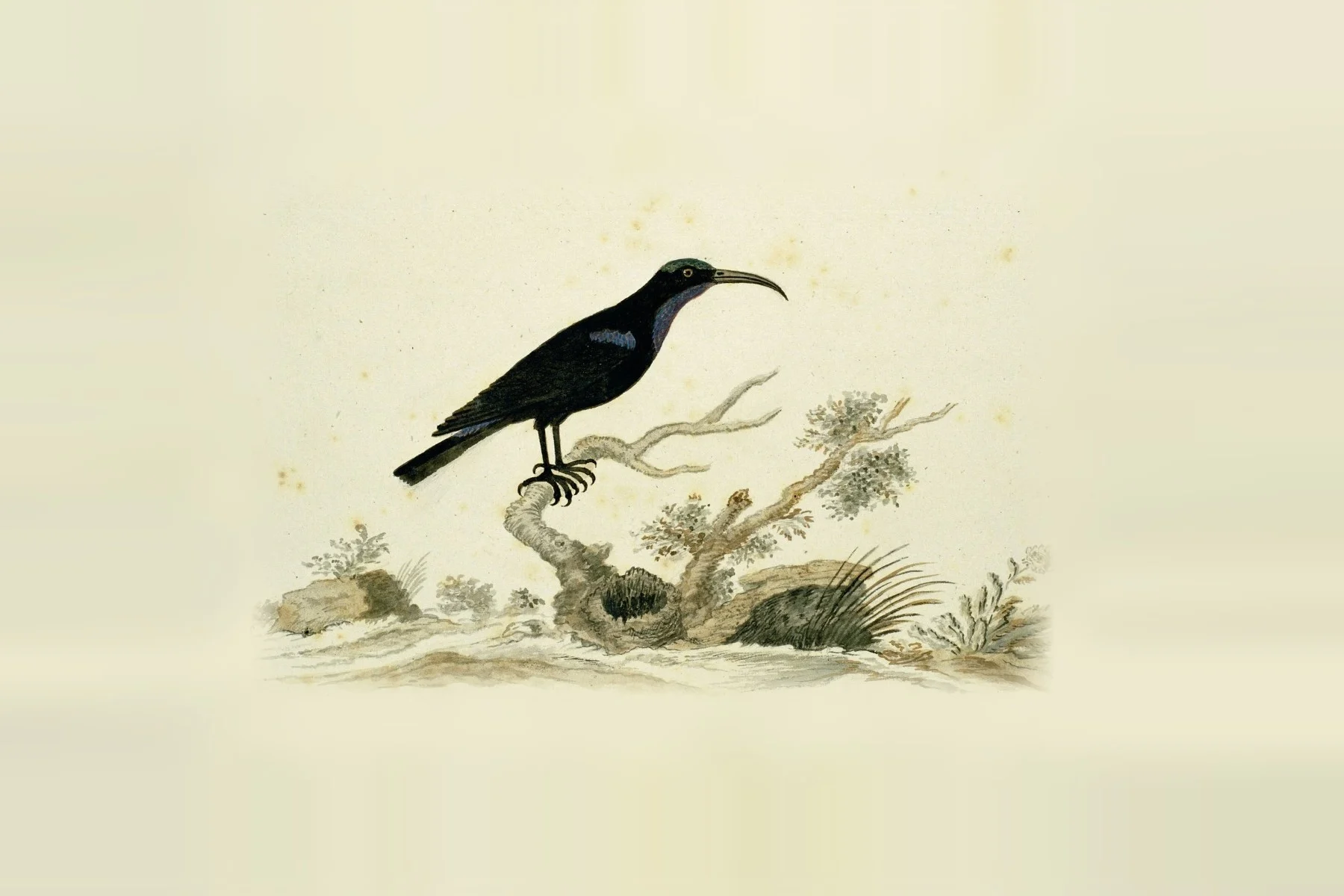
Winter is also nesting season for a Cape endemic. The species account for the Cape Sugarbird in the first bird atlas says breeding records are concentrated from May to September, which matches the main flowering season of the proteas. The birds move with the flowers: on the coastal plains they follow pincushions in spring and summer, and in winter they work the Suikerbos, Protea repens, on the hillsides. Males defend flowering plants against Orange-breasted Sunbirds and other sugarbirds, as though each protea were a private garden.
GoBirding’s advice for the Cape of Good Hope applies across the Peninsula: look in areas of flowering proteas and ericas for Cape Sugarbird and Orange-breasted, Malachite and Southern Double-collared Sunbirds. On the False Bay side, 2 places to stay have fynbos gardens of their own. Lark House in Glencairn Heights opens onto the Table Mountain National Park trails, and its host can book pelagic trips. At Avian Leisure, above Boulders Beach in Simon’s Town, guests can watch sunbirds and sugarbirds in the garden without leaving the breakfast table.
Aloes in the north and east
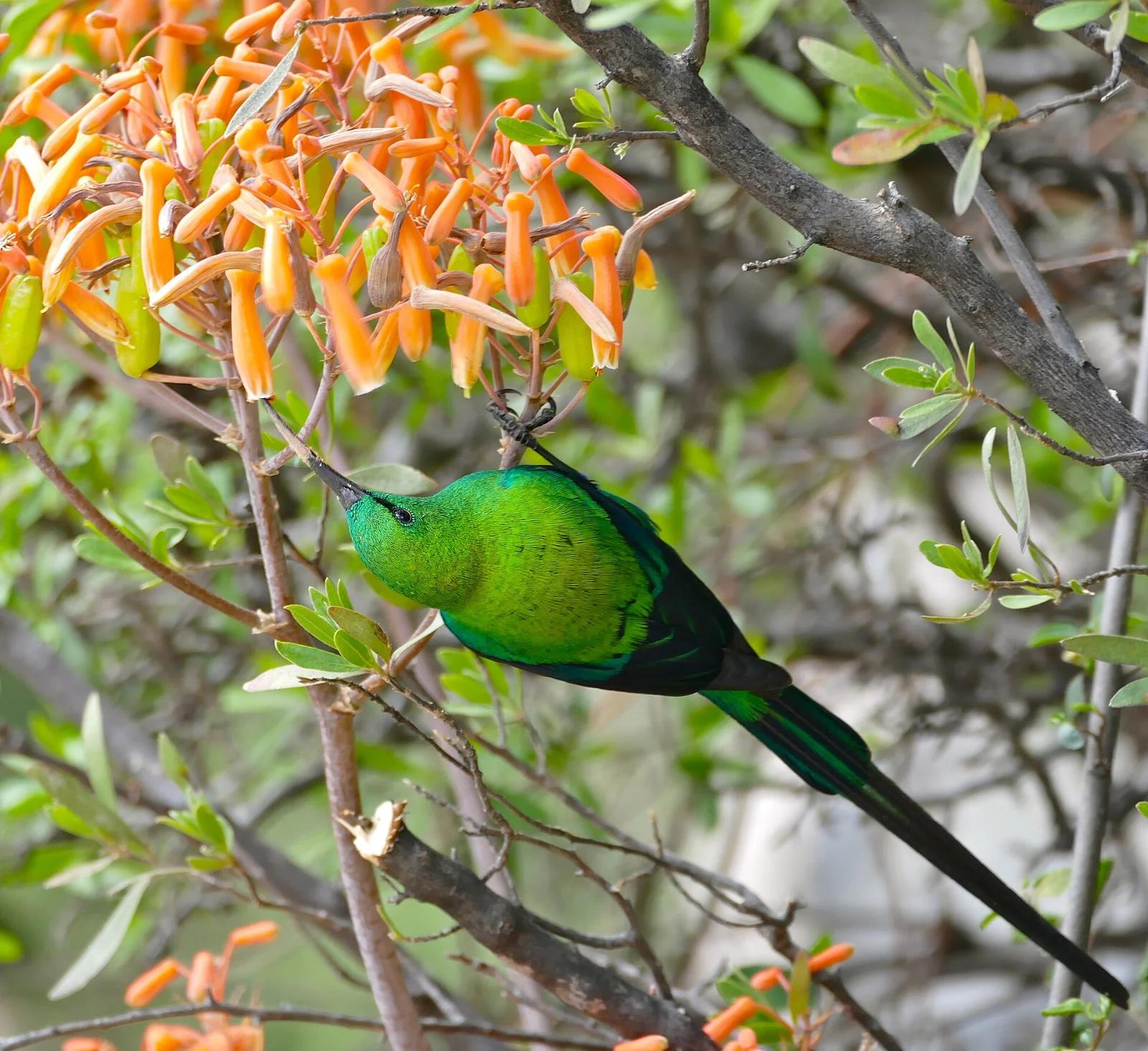
Away from the Cape, winter belongs to the aloes, which choose the driest, coldest months to open the bar. SANBI’s PlantZAfrica account of the Mountain Aloe, Aloe marlothii, gives its flowering season as winter, with flowers between May and September, and says its nectar is an important source of energy for sunbirds. It grows in North West, Gauteng, Limpopo and Mpumalanga and into KwaZulu-Natal north of Durban, with large stands in the Drakensberg, Lebombo, Soutpansberg and Waterberg ranges.
The Suikerbosrand study has a tip for timing a visit. At peak flowering, insect eaters drank nectar in the cold early morning, when few insects were flying, while fruit and seed eaters came to the flowers in the middle of the day. A flowering aloe on a frosty morning can hold birds you would not think of as nectar feeders, all of them wanting something sweet before work.
Kruger in the dry months
GoBirding’s guide to northern Kruger is refreshingly frank about the seasons: birding is best from November to March, when the summer migrants arrive, but a long list of birds can still be seen from May to July. Its account of Punda Maria, the northernmost rest camp, points winter birders to resident specials. The small bird bath below the picnic site draws birds in the heat of the day, and the camp is good for White-throated Robin-Chat, Bearded Scrub Robin and Purple-crested Turaco. The Mahonie Loop (S99) is the best route in the park for Grey-headed Parrot and Arnot’s Chat, neither of which GoBirding marks as a summer bird. North of Punda Maria, Pafuri Camp on the Luvuvhu River names Grey-headed Parrot and Pel’s Fishing Owl among its birds and lists every month as a good one.
Water matters more as the dry season goes on, and a waterhole becomes the busiest address in the bush. SANParks lists 11 bird and game-viewing hides in Kruger, and all of them sit at waterholes or on rivers. At Mopani Rest Camp, the Shipandani hide can be booked for the night: up to 6 people, 1 party a night, through SANParks central reservations or at the camp. Our Kruger birding guide covers the camps and roads.
Winter also changes the malaria picture. The National Institute for Communicable Diseases (NICD) says malaria in South Africa is distinctly seasonal, with the highest risk in the wet summer months from September to May, in the low-altitude areas of Limpopo, Mpumalanga and northern KwaZulu-Natal. Lower risk is not no risk: take advice from a travel clinic before any trip to those areas. The mosquitoes have not read the calendar.
Durban’s winter visitors
Some forest birds are winter visitors to Durban’s small coastal reserves, like any sensible holidaymaker. GoBirding calls Pigeon Valley, 10 hectares of coastal forest in the city, the most accessible place to find the endangered Spotted Ground Thrush. Several pairs winter in the reserve; walk the trails, listen for rustling in the leaf litter and watch the cleared edges along the drainage line, where the thrushes come out to feed. Chorister Robin-Chat, Cape Robin-Chat and White-starred Robin also appear in the winter months. The reserve is open from 07:30 to 16:00 and is free, which makes an endangered thrush about the best bargain in the city.
Further south, River Valley Nature Reserve in Margate names Spotted Ground Thrush among the birds on its own checklist of more than 130 species. Our guide to birding near Durban covers the city’s other forest reserves.
What winter leaves out
Plan around what will not be there. The Palearctic migrants are gone, and even the European Bee-eaters that breed in South Africa spend the southern winter in central Africa, the atlas says. GoBirding marks African Golden Oriole, Thick-billed Cuckoo and Broad-billed Roller as summer birds on the Mahonie Loop, and gives October and November for Pennant-winged Nightjar on Punda Maria’s night drives. The trade is fewer species for birds gathered at water, seabirds in numbers off the Cape, and nectar feeders at the flowers. Most birders would take that deal.
Where to stay
Places to stay near the winter birding in this guide:
| Place to stay | Where | For birders | From |
|---|---|---|---|
| Avian Leisure | Simon’s Town, Western Cape | Fynbos garden with sugarbirds; pelagics leave from Simon’s Town | Ask the lodge |
| Lark House | Glencairn Heights, Cape Peninsula | Fynbos garden, Cape Sugarbird, host books pelagic trips | Ask the lodge |
| Mopani Rest Camp | Kruger National Park | Pioneer Dam hide and Shipandani sleep-over hide | R1,888 per bungalow for 2, self-catering |
| Pafuri Camp | Makuleke, northern Kruger | Grey-headed Parrot, Pel’s Fishing Owl; birding all year | R8,450 pp sharing, fully inclusive |
| River Valley Nature Reserve | Margate, KwaZulu-Natal | Spotted Ground Thrush on its 130-species checklist | R130 pp sharing, camping |
Seasons shift with rain, fire and the sea, and a pelagic trip report describes a single day. Facts and rates were checked on 14 November 2026; confirm dates, prices and malaria advice with the operator, SANParks, a travel clinic or the place to stay before you go.
More from the Journal
 Spring Birding in South Africa: September to November, the Arrivals, the Flowers and the BreedingThe first Red-chested Cuckoos call in September, bee-eaters land in October and Woodland Kingfishers arrive in early November. What arrives when, where the flowers are, and where to stay.
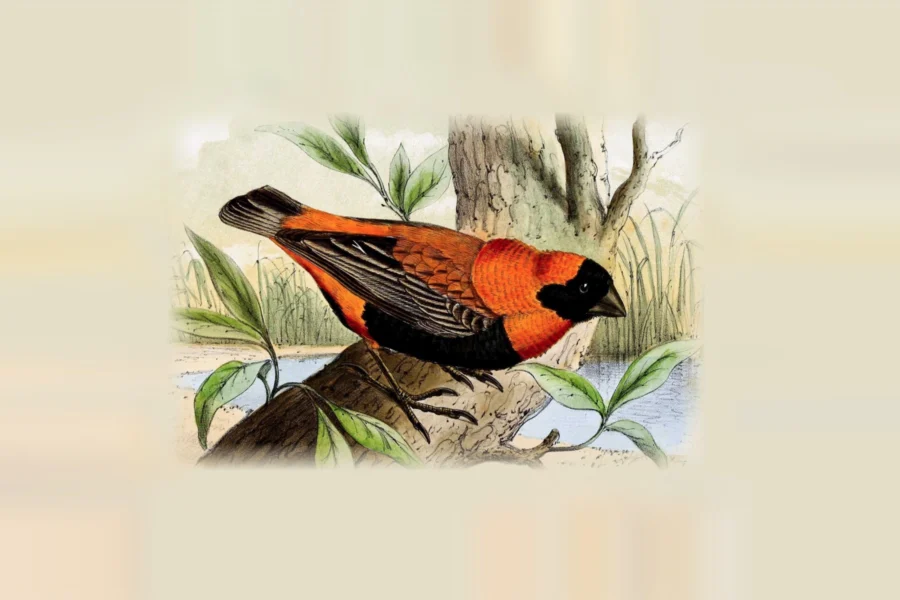 January Birding in South Africa: Where to Go, What’s About, the Heat and the RainJanuary is high summer: bishops in scarlet, Woodland Kingfishers at their breeding peak and European Rollers still arriving. Where to go, and how to work around the heat and the holidays.
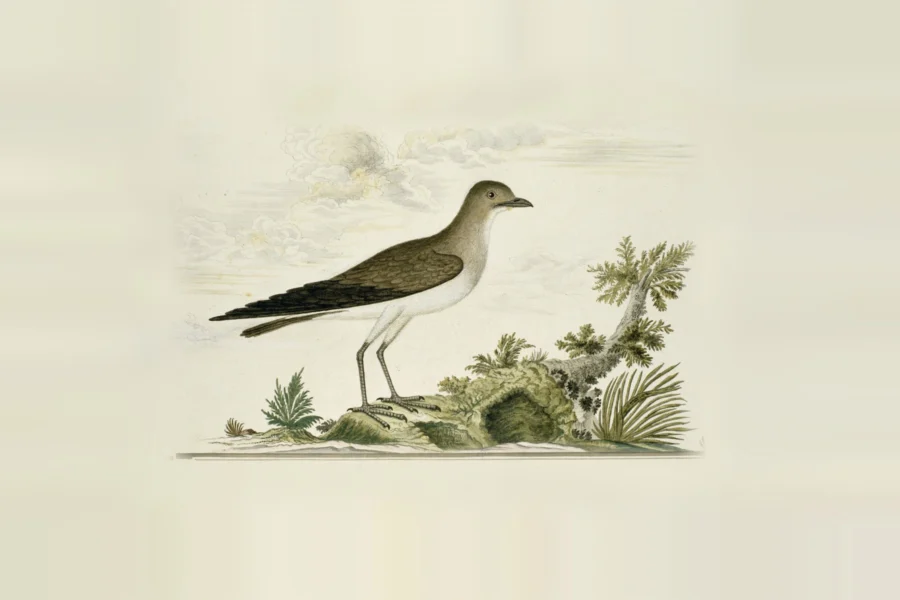 Autumn Birding in South Africa: March to May, When the Migrants LeaveFrom March to May the summer visitors leave: rollers in March, swallows in early April, Woodland Kingfishers by night from mid-April. Who goes when, what replaces them, and where to bird.
The Pigeon Post
Every Thursday: 1 bird, 1 place to go and 1 place to stay, by email. Sign up and get our printable checklist of the 163 endemics of southern Africa.