
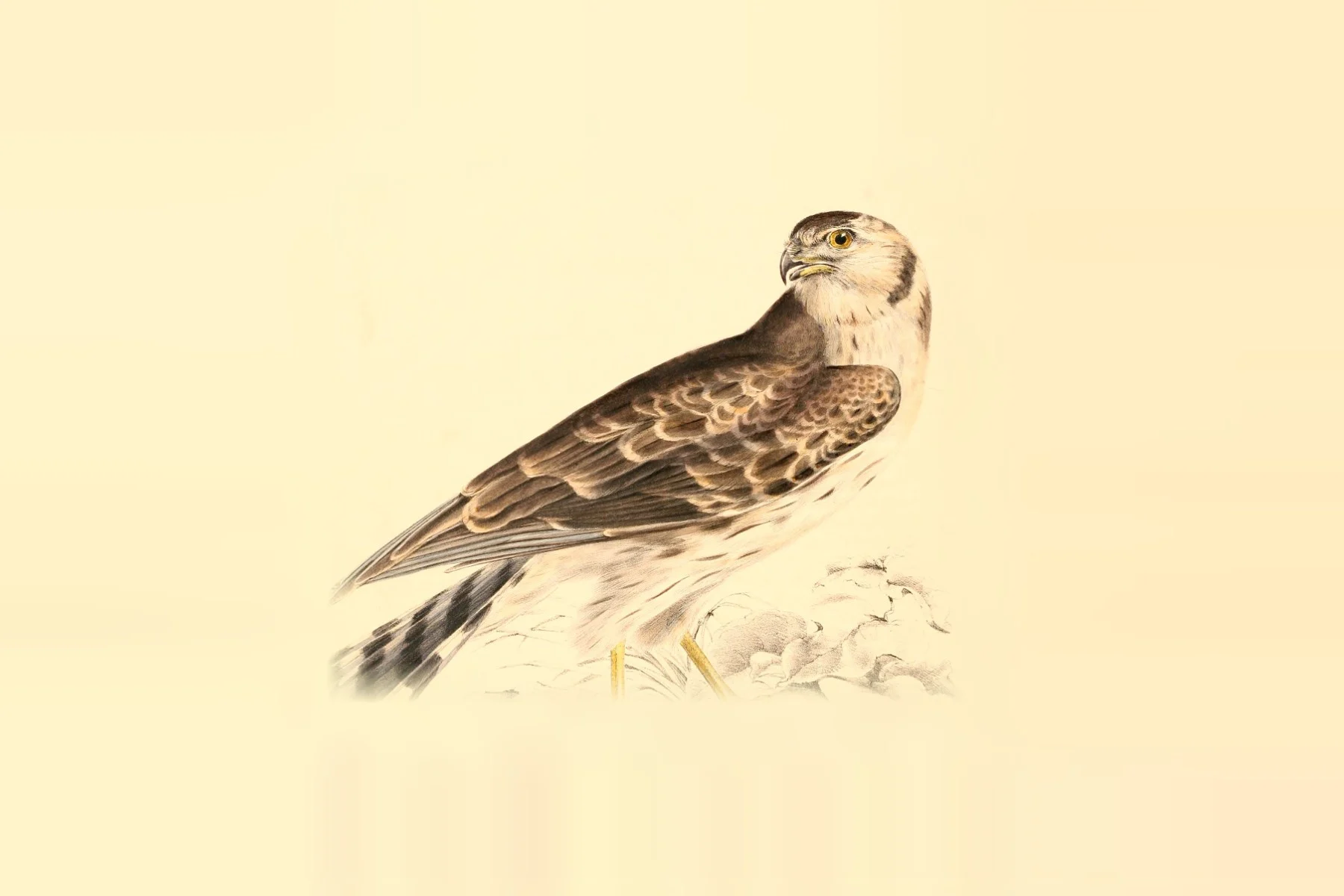
Where to See a Black Harrier: West Coast National Park, De Hoop and the Overberg Renosterveld
A slim black raptor with a white rump that hunts mice low over the fynbos. Where it breeds, when it heads east for the summer, and the 7 roosts that name it.
In 2025, 3 conservation trusts bought a farm in the Overberg, partly for the sake of a bird. The Overberg Renosterveld Trust, the UK-based World Land Trust and the Mapula Trust together bought Goereesoe, 270 ha of critically endangered Eastern Rûens Shale Renosterveld, Mongabay reported in August 2025. With the neighbouring Haarwegskloof Renosterveld Reserve and a third property, Plaatjieskraal, it supports about 30 breeding pairs of Black Harrier, which the trust puts at around 6% of the world’s population. Most birds are offered a nest box. The Black Harrier got a farm.
That 6% says a lot about how few there are. The trust gives fewer than 500 breeding pairs left in the wild, and Wikipedia’s species account, drawing on a 2019 tracking study, puts the population at fewer than 1,000 birds. It is classed as Endangered. GoBirding, BirdLife South Africa’s site guide, calls it an endemic, and the bulk of the population breeds in the Western Cape.
The good news for birders is that a bird this rare is also a bird of open country, and it hunts in plain view.
The sites at a glance
| Where | What the sources say | Best time | Where to stay |
|---|---|---|---|
| West Coast National Park | GoBirding’s favoured spot for the bird | Winter and spring | Day trip from Cape Town |
| De Hoop Nature Reserve, Overberg | A stronghold of threatened endemics like Black Harrier | Winter and spring | De Hoop Collection |
| Overberg renosterveld and fynbos farms | About 30 pairs on the Haarwegskloof cluster alone | Winter and spring | Melozhori, Farm 215, Grootbos |
| Biedouw Valley, Cederberg | Named on a farm’s own 123-species checklist | Winter and spring | Enjo Nature Farm |
| Herbertsdale, near Mossel Bay | Named by a reserve with fynbos and renosterveld | Winter and spring | Gondwana Game Reserve |
| Near Springbok, Namaqualand | Named on a 7,500 ha private reserve | Winter and spring | Naries |
How to recognise one
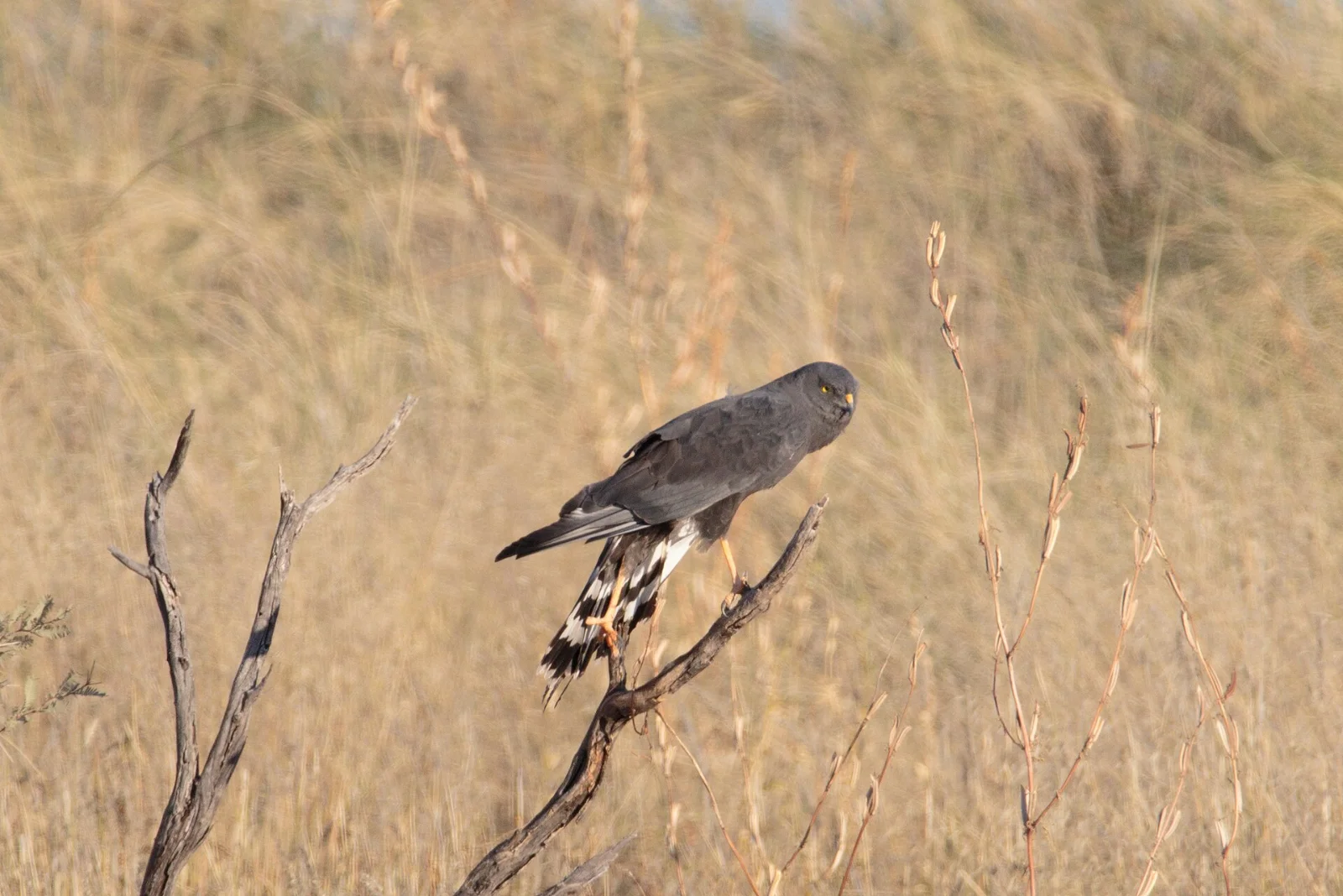
Perched, a Black Harrier looks all black. In flight it shows a white rump and pale flight feathers, on the narrow wings, slim body and long tail of a harrier. Its wingspan is 105 to 115 cm and its body 44 to 50 cm long, according to Wikipedia’s account, and males and females look alike, which saves a lot of arguing in the car. Young birds are different: buff underneath, with heavily spotted breasts.
It hunts by flying low over its hunting grounds and dropping onto prey. The main prey is the Four-striped Mouse, with birds and the odd reptile, and harriers breeding inland eat more birds than those at the coast. In the Karoo heat the mice are less active by day, which leaves the inland harriers working harder for lunch.
When to look
The Black Harrier breeds in the southern winter and spring. Eggs are laid from June to November, with peaks in July and September, so from about June to November the breeding birds are on territory in the Western Cape and easier to pin down. It nests on the ground in tall vegetation, laying 2 to 4 eggs that take 35 days to hatch.
Ground nests change the etiquette. Watch from roads, tracks and hides, and never walk into the veld to look for a nest: a quarter of the nests in a study were lost to predators, and a birder’s trail through the bushes does not help.
West Coast National Park and the strandveld
For a day trip from Cape Town, start here. GoBirding’s guide to West Coast National Park calls it the favoured spot for the endemic Black Harrier and Southern Black Korhaan, and names the endangered harrier among the rare resident endemics of its pristine strandveld. Most of the birding is done from the car, which suits a bird that hunts by flying low over the scrub, and the park’s lagoon hides are reached by wheelchair-accessible boardwalks for the waders in between. The park has 2 gates, a southern gate off the R27 and a northern gate through Langebaan, and GoBirding gives gate times of 7am to 7pm.
In spring the Postberg section of the park fills with flowers. Our West Coast National Park guide has the hides, the tides and the best roads to drive slowly.
De Hoop and the Overberg renosterveld
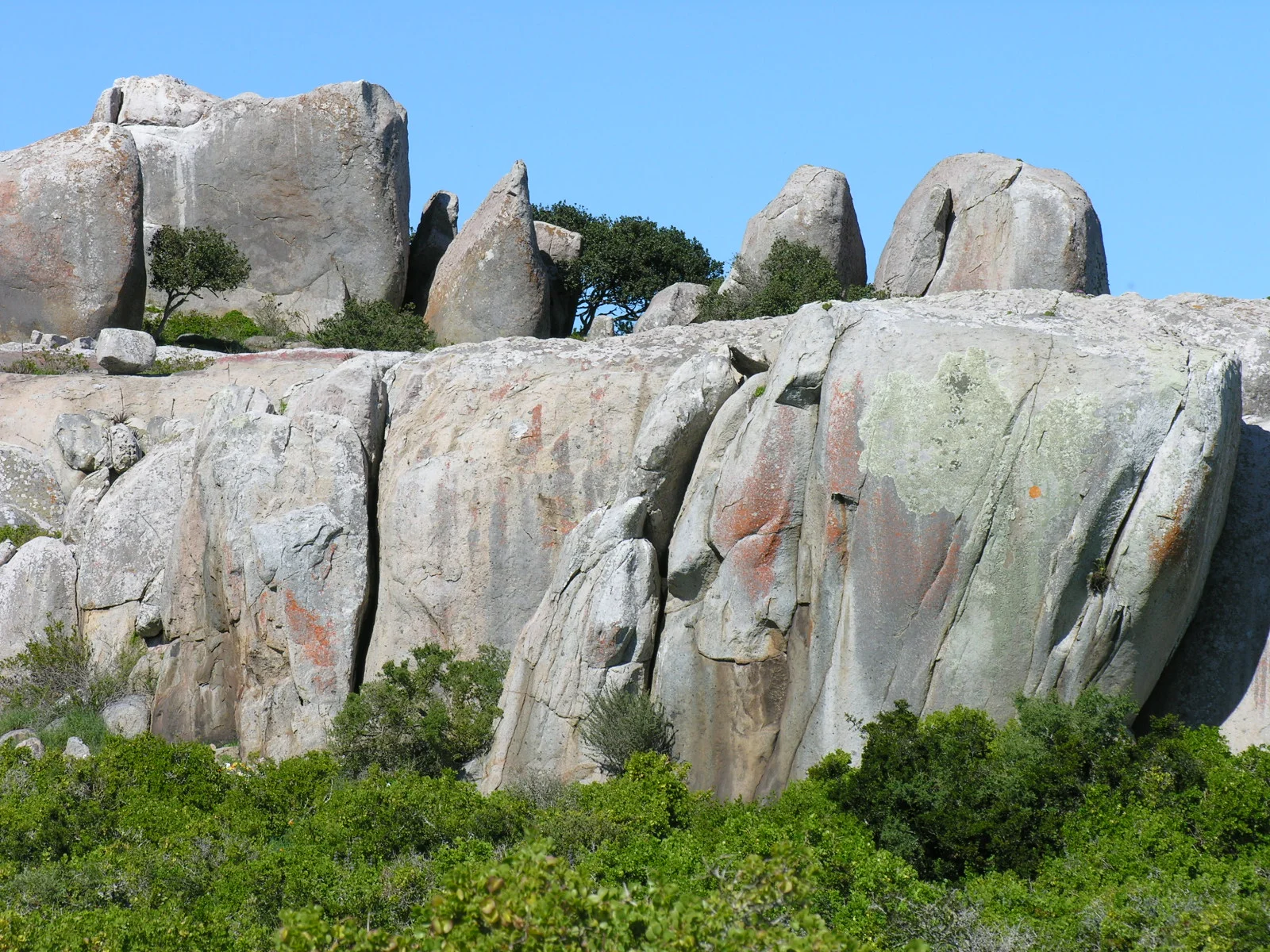
The Overberg is the harrier’s heartland, and also where it has lost the most. Mongabay reports that renosterveld once covered a large part of the region and that only 5% remains, after land was turned over to farming. Wikipedia’s account adds that harriers nest away from transformed and cultivated land, although they do hunt over it, and that birds pushed into mountain habitats breed less well than those on the coastal strip: coastal pairs start earlier, raise bigger broods and lose fewer nests. Wind turbines have also affected the birds’ movements, the trust says.
The approach roads to De Hoop Nature Reserve cross farmland with a few remaining patches of renosterveld, and GoBirding calls De Hoop, the flagship reserve of the Western Cape, a stronghold of threatened endemics like Black Harrier. It is also home to the province’s only remaining Cape Vulture colony, at Potberg. De Hoop Collection runs the accommodation in the reserve, names Black Harrier among about 260 species, and offers bird walks of 1 to 3 hours with a qualified guide. Rondawels start at R2,150 a night, room only, from October 2026 to September 2027. From Bredasdorp, take the R319 for 6 km and follow the signs on the gravel.
Elsewhere in the Overberg, 3 more stays name the bird. Farm 215 Nature Retreat, near Gansbaai, reports that Black Harrier and Cape Eagle-Owl have raised young on the reserve, which is about as good a reference as a harrier can give. Grootbos Private Nature Reserve, on the R43 between Stanford and Gansbaai, runs dedicated birding outings with its guides, gives a count of 118 species and names Black Harrier. Melozhori Private Game Reserve, 5 km from the N2 turn-off to Stormsvlei, publishes its own list of more than 129 species and names Black Harrier alongside Blue Crane and Cape Vulture. The Overberg birding guide covers De Hoop Vlei, Potberg and the wheatlands in more detail.
The Cederberg, the Garden Route and Namaqualand
Harriers also breed inland and further along the coast, and 3 stays in those areas name the bird. Enjo Nature Farm, in the Biedouw Valley of the Cederberg, about an hour from Clanwilliam, publishes its own checklist of 123 species and names Black Harrier with Grey-winged Francolin, Verreaux’s Eagle and Karoo Chat. Camping starts at R140 per adult a night, with cottages too. Gondwana Game Reserve, on Heuningklip Farm near Herbertsdale in the Mossel Bay area, has fynbos and renosterveld, guided fynbos walks and Black Harrier first on its list of named birds. Naries, 27 km west of Springbok, sits on a 7,500 ha private reserve of Succulent Karoo, fynbos and renosterveld, has identified more than 170 species and names Black Harrier with Burchell’s Courser and Cinnamon-breasted Warbler.
The fynbos endemics guide covers the other birds to look for in the same country.
Summer: the harriers go east
After breeding, most Black Harriers make an unusual journey. Satellite tracking summarised in Wikipedia’s account shows a west to east migration: from the breeding areas in the south-west of South Africa towards the Eastern Cape, south-western KwaZulu-Natal, south-western Mpumalanga and north-eastern Lesotho for the summer months. Pair members do not travel together and do not share non-breeding areas, so the couples split up for the holidays and take separate routes. The birds travel almost twice as fast on this post-breeding leg as on the return trip, perhaps because the slower spring journey is used to find the best breeding sites.
Many return to areas where they have bred before, and young birds often return to breed where they hatched. So a harrier seen over the Eastern Cape grasslands in January may well be back over the same patch of Overberg renosterveld by July.
Where to stay
The places in the directory that name Black Harrier, from the Overberg to Namaqualand:
| Place to stay | Where | For birders | From |
|---|---|---|---|
| De Hoop Collection | De Hoop Nature Reserve, near Bredasdorp | Guided bird walks, about 260 species, Black Harrier named | R2,150 per rondawel, room only (Oct 2026 to Sep 2027) |
| Farm 215 Nature Retreat | Near Gansbaai, Overstrand | Black Harrier has raised young on the reserve | Ask the lodge |
| Grootbos Private Nature Reserve | R43 between Stanford and Gansbaai | Guided birding outings, 118 species, Black Harrier | R8,450 pp sharing, full board (Fynbos Superbloom special) |
| Melozhori Private Game Reserve Lodge | Near Stormsvlei, Overberg | 129+ species list, Black Harrier, Blue Crane | R55,000 for the first 4 guests, exclusive use (1 Sep to 19 Dec 2026) |
| Enjo Nature Farm | Biedouw Valley, Cederberg | 123-species checklist, Black Harrier named | R140 per adult, camping |
| Gondwana Game Reserve | Herbertsdale, near Mossel Bay | Guided fynbos walks, renosterveld, Black Harrier | Ask the lodge |
| Naries | 27 km west of Springbok | 170+ species, Black Harrier named | Ask the lodge |
A Black Harrier is never guaranteed, and rates change each season. Facts were checked on 15 November 2026 with BirdLife South Africa’s GoBirding site guides, Mongabay, Wikipedia’s species account and each place’s listing on Birding Dispatch.
More from the Journal
 Woodpeckers of Southern Africa, Including the One That Doesn’t Need TreesSouthern Africa's woodpeckers, from the Cardinal in every bushveld tree to the Ground Woodpecker that lives on treeless mountain slopes and eats almost nothing but ants.
 Where to See a Taita Falcon: the Strijdom Tunnel, the Blyde Cliffs and the Batoka GorgeA stocky falcon smaller than a pigeon, a handful of cliffs and surveys that keep coming back empty. Where it still nests, how to look, and the 2 roosts beside its cliffs.
 Where to See a Southern Bald Ibis: the Breeding Cliffs, Dullstroom, Wakkerstroom and LesothoA red-capped grassland ibis that nests on cliffs over waterfalls and feeds on burnt veld and maize stubble. The colonies you can watch, the fields to scan, and where to stay.
The Pigeon Post
Every Thursday: 1 bird, 1 place to go and 1 place to stay, by email. Sign up and get our printable checklist of the 163 endemics of southern Africa.