
Overberg Birding: De Hoop, Blue Cranes and Where to Stay
The cliffs above De Hoop Vlei, the Cape Vultures of Potberg and the cranes and larks hiding in plain sight in the wheatlands, with 11 places to stay between the Bot River Lagoon and Witsand.
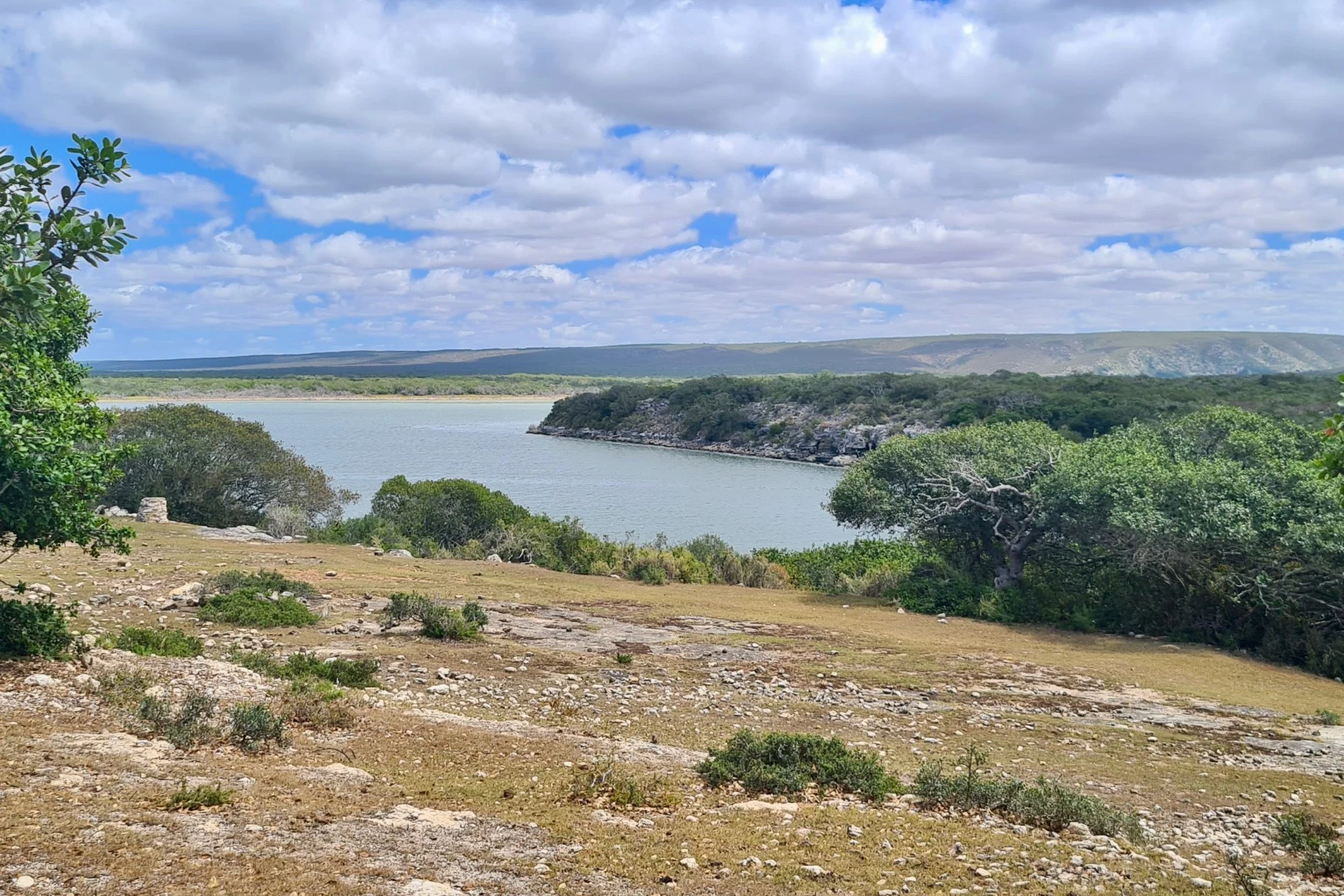
From the limestone cliffs near the De Hoop restaurant, the vlei below runs for about 15 km between the Koppie Alleen dunes and the bulk of Potberg. Great Crested Grebes sit among rafts of Red-knobbed Coot, Cape Shoveler and Yellow-billed Duck, Great White Pelicans are common, and in summer a Western Osprey may be fishing. BirdLife International counts at least 260 species for De Hoop Nature Reserve, 97 of them waterbirds, and in good years the vlei has held more than 30,000 birds, which is a lot of coot to count before breakfast.
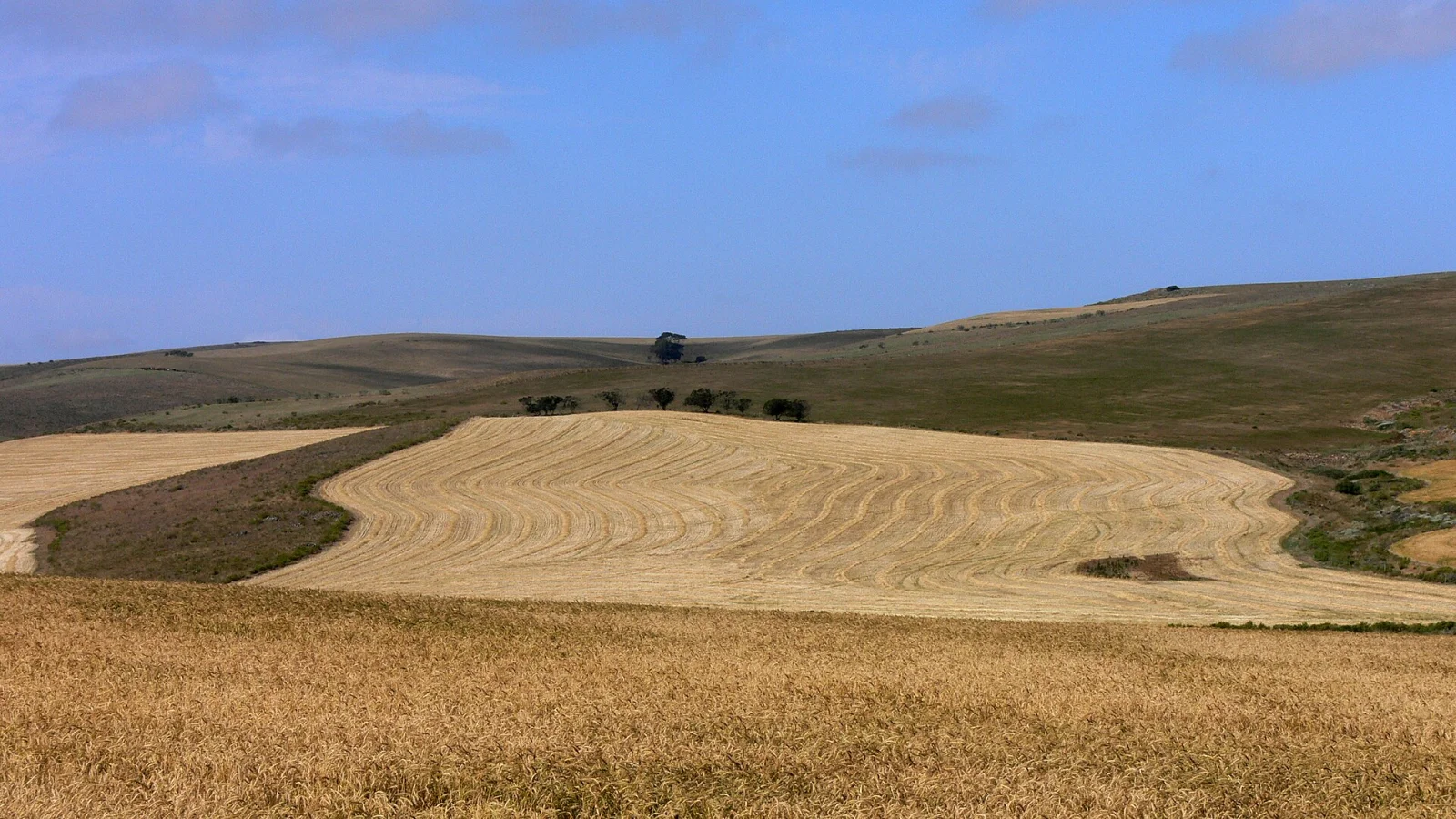
De Hoop is the centre of an Overberg birding trip, not the whole of it. The wheat and pasture country around it, which looks like nothing more than farmland from the car window, holds the largest Blue Crane population in the world and most of the range of the Agulhas Long-billed Lark, and Potberg, at the eastern end of the reserve, holds the only Cape Vulture colony left in the Western Cape. These are 11 places to stay in the Birding Dispatch directory that suit a trip built around all 3.
The places at a glance
| Place to stay | Where | For birders | From |
|---|---|---|---|
| Lekkerwater Beach Lodge | De Hoop Nature Reserve, on the coast | Birding trails, visit to the Potberg vulture colony | R7,700 pp sharing, all meals and local drinks (13 Apr to 30 Jul 2026) |
| De Hoop Collection | De Hoop Nature Reserve | Qualified guide, bird walks of 1 to 3 hours | R2,150 per rondawel, room only (Oct 2026 to Sep 2027) |
| Whale Watchers Inn | Witsand, Breede River mouth | Estuary, dunes and wetlands close to the house | Ask the lodge |
| Tides River Lodge | Malgas, Breede River | Birdwatching lapa at 1 unit, Blue Crane, Osprey | Ask the lodge |
| Melozhori Private Game Reserve Lodge | Near Stormsvlei | 129+ species list, Blue Crane, Black Harrier, Cape Vulture | R55,000 for the first 4 guests, exclusive use (1 Sep to 19 Dec 2026) |
| Frog Mountain Getaway | Buffeljagsrivier, 18 km from Swellendam | BirdLife Recommended, 80+ confirmed species | Ask the lodge |
| Grootvadersbosch Cabins | Grootvadersbosch Nature Reserve, near Heidelberg | 2 forest hides, 196+ species, Narina Trogon | R1,375 for 1 to 2 guests in a 4-person cabin, self-catering (off-peak) |
| Black Oystercatcher Wines | Near Elim, Agulhas Plain | Bird ID sheet, Red-chested Flufftail in the farm wetland | Ask the lodge |
| Platbos Forest | Near Gansbaai | Own list of 151 species, forest trail | Ask the lodge |
| Grootbos Private Nature Reserve | R43 between Stanford and Gansbaai | Guided birding outings, 118 species, Black Harrier | R8,450 pp sharing, full board (Fynbos Superbloom special) |
| Benguela Cove Lagoon Wine Estate | Bot River Lagoon, Walker Bay | BirdLife Recommended, lagoon eco-cruise, 86 species | Ask the lodge |
De Hoop: the vlei, the plains and the coast
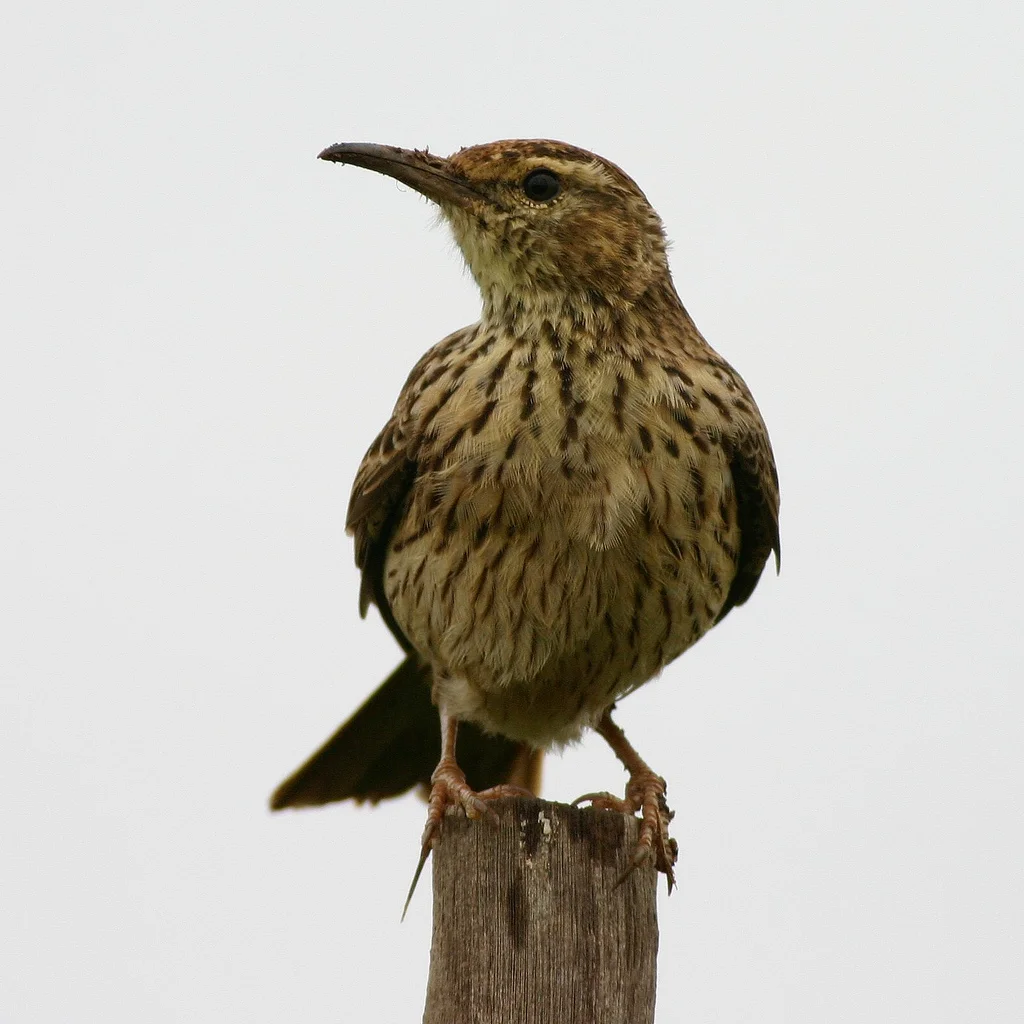
BirdLife South Africa’s GoBirding guide to De Hoop, written by Vincent Ward of Birding Africa, starts before the gate: the entrance road crosses old calcified dunes where Black Harrier is often seen in the troughs. Inside, the limestone plains hold the endemics and near-endemics: Southern Black Korhaan, Agulhas Long-billed Lark, the Agulhas form of Cape Clapper Lark, Fynbos Buttonquail, Cloud Cisticola and Grey-winged Francolin. The guide’s tip is to work the road between the Opstal junction and the Koppie Alleen turn-off, and it calls the buttonquail nearly impossible to see, so count it as a bonus rather than a target.
Around the accommodation, the old fields and airfield hold Crowned Lapwing and Namaqua Sandgrouse, night birding usually turns up Fiery-necked Nightjar and Spotted Eagle-Owl, and the milkwoods around the campsite are where to listen for Knysna Woodpecker. Some of the best birding is a short walk from the kettle.
Scan the vlei from the cliffs near the restaurant and above the boathouse, or take the organised boat ride. Greater and Lesser Flamingo, Water Thick-knee, Pied Avocet and African Fish Eagle are regulars, and BirdLife International says the vlei is the only place in South Africa where Greater Flamingo has bred successfully, in 1960 and 1963. The flamingos have not been in a hurry to repeat it. The vlei is also highly variable, full in good years and dry in droughts, so ask about water levels first. At Koppie Alleen on the coast, African Oystercatchers work the rocks and White-fronted Plovers the sand.
Both stays here are inside the reserve. De Hoop Collection runs the accommodation at the reserve centre, from rondawels and campsites to cottages for up to 8, and books a qualified guide for bird walks of 1 to 3 hours, guided vulture outings and boat trips; rondawels start at R2,150 a night, room only. Lekkerwater Beach Lodge is a fully inclusive 7-suite lodge on the coast, reached from the Potberg entrance with a lodge 4×4 transfer for the last 6 km. Its activities include birding trails, lookout points and a visit to the vulture colony.
Potberg and the Cape Vultures
CapeNature describes the Potberg mountains as breeding habitat for the only population of Cape Vultures in the Western Cape, and its staff hike up to the colony each year to count it, which is one way to keep a census team fit. To see the birds, GoBirding sends you back to the Bredasdorp to Malgas road and east to the Potberg entrance, scanning the fields on the way for Secretarybird, Denham’s Bustard and Agulhas Long-billed Lark. After signing in, park at the Potberg Educational Centre or the Whale Trail office: from anywhere around there, vultures fly overhead towards the colony in a valley on the eastern side of the mountain. The car park does a fair impression of a hide. The Klipspringer trail goes closer, and Cape Siskins are common along it.
The colony’s safety depends on the farms around it. BirdLife International notes that the vultures forage well outside the reserve, that a single poisoned carcass could wipe out the colony, and that vulture-friendly farming by neighbouring landowners reversed an earlier decline. The Cape Vulture colonies guide compares Potberg with the colonies further north.
The wheatlands: cranes, bustards and the Agulhas lark
BirdLife International’s Overberg Wheatbelt Important Bird Area runs from Caledon to Riversdale and south to the coast between Hermanus and Stilbaai, and wheat and pasture cover more than 85% of it. In winter, when breeding pairs gather in loose flocks, it can hold nearly 20% of the world’s Blue Cranes, stalking between the wheat rows as if they own the place. It also holds large numbers of Denham’s Bustard, Black Harrier hunts over it, and the Agulhas Long-billed Lark is almost confined here to stony wheatfields and pastureland. Karoo Korhaan, Grey Tit and Sickle-winged Chat turn up in the scraps of renosterveld.
GoBirding’s De Mond guide, by CapeNature ecologist Kevin Shaw, gives a good drive for all of these: the gravel road to De Mond Nature Reserve, about 9 km out of Bredasdorp on the R316 to Arniston, crosses farmland where Blue Crane, Secretarybird, Denham’s Bustard and the lark are often seen. At the reserve, the Heuningnes estuary holds migrant waders in summer and Damara Tern at the river mouth. The Blue Crane guide has the numbers and the months for the cranes themselves.
The stays for the wheatlands sit along the Breede River and under the Langeberg. Tides River Lodge at Malgas, about 30 minutes from Swellendam, has a birdwatching lapa at 1 of its 4 self-catering houses and names Blue Crane, Cape Vulture and Osprey. Downstream, Whale Watchers Inn in Witsand points guests to the estuary, dunes and wetlands around the village. Melozhori Private Game Reserve Lodge, near Stormsvlei, publishes a list of more than 129 species and is let whole, so the bird list is yours alone.
Frog Mountain Getaway in Buffeljagsrivier is BirdLife Recommended, with renosterveld, a dam and the Buffeljags River on the farm. For a forest morning, Grootvadersbosch Cabins are in CapeNature’s reserve near Heidelberg, which has 2 hides looking into and over the forest canopy; CapeNature names Narina Trogon, African Crowned Eagle and Striped Flufftail among the birds seen there.
The Agulhas Plain and Walker Bay
West of De Hoop, Black Oystercatcher Wines near Elim has 4 self-catering cottages and a bird ID sheet, and Red-chested Flufftail lives in the Waskraalvlei wetland on the farm. Of the flufftail and the wine, the wine is the easier one to find. Near Gansbaai, Platbos Forest has 5 off-grid stays and a trail from the door, with Forest Buzzard, Knysna Woodpecker and Olive Woodpecker among its birds, and Grootbos Private Nature Reserve runs dedicated birding outings with its guides.
At the western edge, Benguela Cove Lagoon Wine Estate on the Bot River Lagoon books the Lady Bonnie eco-cruise and names Chestnut-banded Plover and Caspian Tern. The Stanford stays are covered in places to stay within 2 hours of Cape Town.
When to go
Summer brings Western Osprey to the vlei, swift and swallow flocks over the water and migrant waders at De Mond. Winter is the time for the big crane flocks, and BirdLife International notes that Southern Right Whales calve off De Hoop between June and December. The plains specials and the vultures are there all year. A plan of 2 nights inside De Hoop and a night on the Breede or near Swellendam covers the region without rushing, and leaves time for a second look at that lark on the fence post.
Rates and access change. Facts were checked on 14 November 2026 against each place’s Birding Dispatch listing, which cites the place’s own website, and against BirdLife South Africa’s GoBirding guides, BirdLife International’s Important Bird Area factsheets and CapeNature. Confirm rates, water levels and access with the place before you book.
More from the Journal
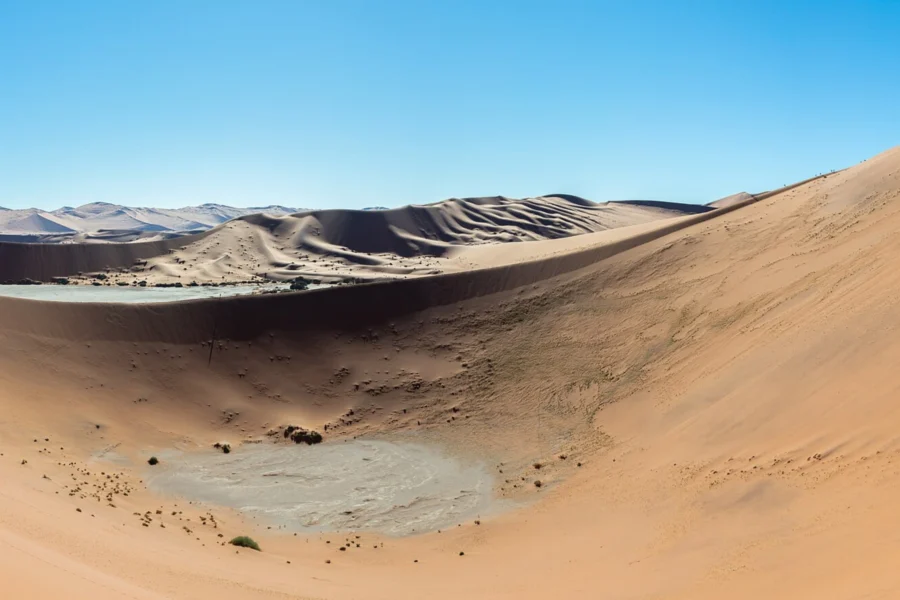 Namib-Naukluft and Sossusvlei for Birders: Dune Lark, Desert Raptors and the Naukluft SpecialsA lark that lives on the dunes and nowhere else, Lappet-faced Vultures nesting in the desert, coursers on the gravel plains and the northern specials around the Naukluft cliffs, in one of Africa's largest parks.
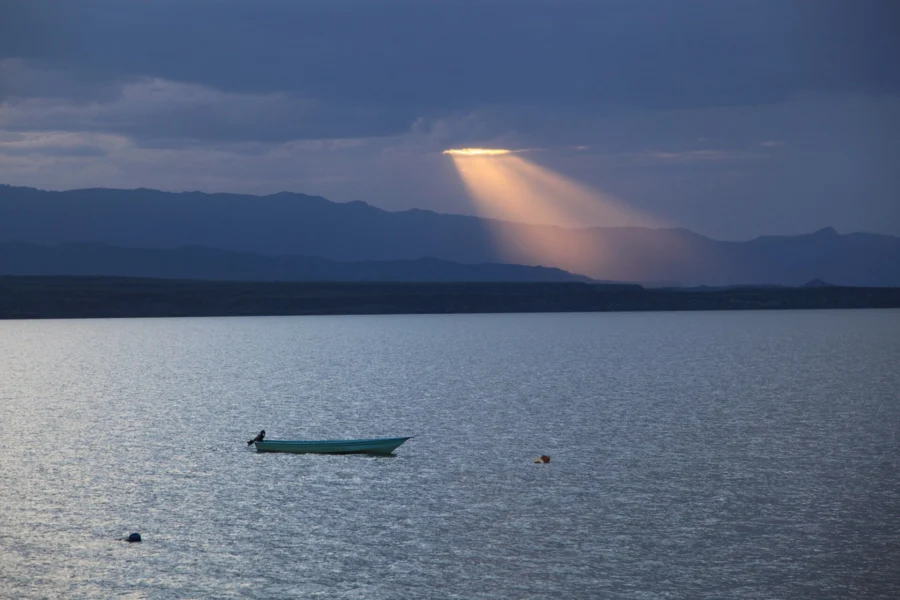 Lake Baringo and Lake Bogoria Birding: The Owl Walks, the Cliffs and the FlamingosA local guide who knows where every nightjar and eagle-owl slept last night, thorn scrub full of hornbills, a Goliath Heron colony on a rock, and the flamingo lake next door that keeps rising.
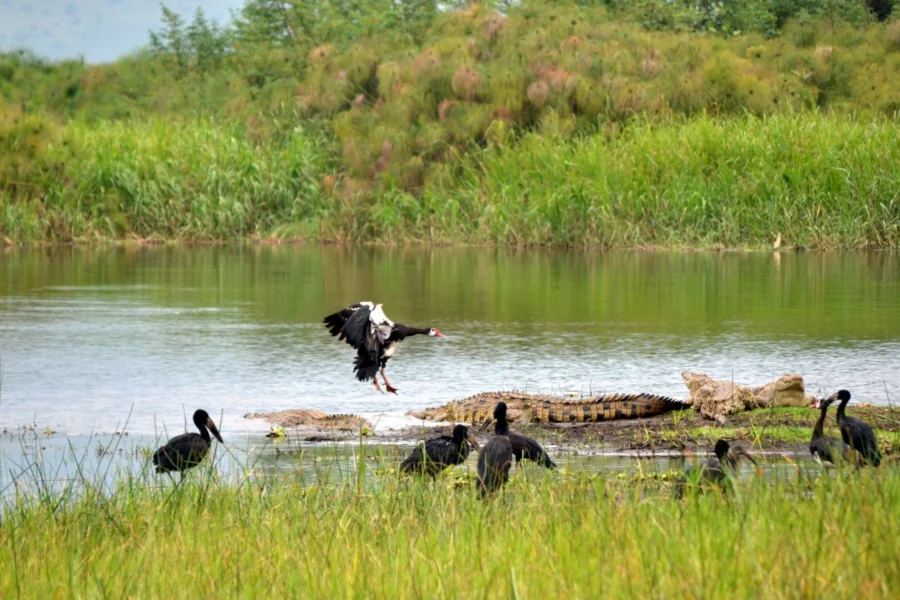 Akagera Birding: Rwanda’s Savanna, Lakes and Papyrus, and the Shoebill ChancesRed-faced Barbet in the southern woodland, Papyrus Gonolek and Carruthers's Cisticola in the swamps, a lake of hippos and lapwings, and a Shoebill that hides in the wetlands more than it shows.
The Pigeon Post
Every Thursday: 1 bird, 1 place to go and 1 place to stay, by email. Sign up and get our printable checklist of the 163 endemics of southern Africa.