
Where to See a Taita Falcon: the Strijdom Tunnel, the Blyde Cliffs and the Batoka Gorge
A stocky falcon smaller than a pigeon, a handful of cliffs and surveys that keep coming back empty. Where it still nests, how to look, and the 2 roosts beside its cliffs.
In late July 2025, 13 teams of observers, 8 on the Zambian side and 5 on the Zimbabwean side, settled along the rim of the Batoka Gorge below Victoria Falls with binoculars and telescopes pointed at the cliffs. They were looking for the Taita Falcon, the small, cliff-nesting falcon that once made the gorge famous among raptor watchers. According to the Mail & Guardian’s report that August, they saw plenty of other raptors and not one Taita Falcon. Anthony van Zyl, of BirdLife South Africa’s Taita Falcon Survey Team, told the paper he believes the gorge population is now gone.
That is the state of play for one of the rarest falcons in Africa. BirdLife South Africa estimates fewer than 500 pairs remain, scattered from Ethiopia to northern South Africa, and in South Africa it is listed as Critically Endangered. Mongabay, reporting in October 2025, describes a bird smaller than a pigeon, and Wikipedia’s species account gives a body length of 25 to 28 cm, with males weighing 212 to 233 g and females 297 to 346 g. It is robust, long-winged and short-tailed, a falcon built like a bullet that forgot to grow a tail.
Seeing one now means being at the right cliff, at the right hour, and being ready to dip. A dip, in birding slang, is a bird you went for and missed, and Taita Falcon twitchers collect a few.
The sites at a glance
| Where | What the sources say | Best time | Where to stay |
|---|---|---|---|
| Strijdom Tunnel, R527, Limpopo | Signposted nest site on the Hoedspruit side of the tunnel | Early morning, mid to late afternoon | Cape Vulture Lodge |
| Blyde River Canyon cliffs | 4 of 11 known territories active at the last survey | Early morning, mid to late afternoon | Cape Vulture Lodge |
| Batoka Gorge, Zambia and Zimbabwe | The old stronghold; none found in 2013, 2014 or July 2025 | Dawn from the rim | Taita Falcon Lodge |
| Niassa Special Reserve, Mozambique | 14 pairs found in 2021; 68 to 76 pairs estimated | Remote; no directory stays | None in the directory |
How to look for one
The falcon is active mostly from dawn until mid-morning, and again from the middle to the end of the afternoon, according to Wikipedia’s account, which draws on breeding studies in Zimbabwe. It catches small birds in the air close to the nest, such as Red-billed Queleas, swifts, swallows and doves, either by quartering from a cliff top or by stooping from height. Pairs in Zimbabwe have even been seen hunting together, which is unfair on the queleas.
So the method is a cliff, a scope and patience: scan the rock faces and the sky above them in the first hours of light, take a long lunch, and come back for the afternoon. The middle of the day is the falcon’s quiet time and should be yours too.
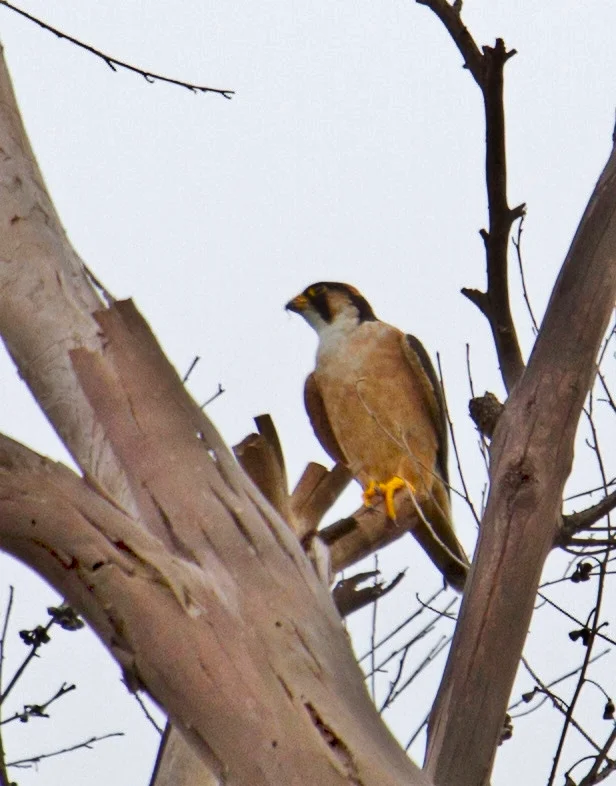
Identification needs care. The Taita Falcon is often confused with the African Hobby, and the features to look for are the white throat and the rufous patches on the nape. Its calls are very like a Peregrine Falcon’s, and the 2 species are so closely related that some genetic studies place the Taita inside the Peregrine. A brief, distant falcon on a gorge wall is more likely to be one of the commoner species, so wait for a good view before you claim the tick.
Nests are in holes in cliffs, sheltered from direct sun. In Zimbabwe, breeding starts after July and runs to about October, with eggs incubated from late August to early September, and the clutch is 2 to 4 eggs. The adults are secretive about their nests and will attack intruders as large as Trumpeter Hornbills, so a birder is in no danger of being welcomed. Watch from a distance, keep your voice down and move on if a bird gives alarm calls.
South Africa: the Strijdom Tunnel and the Blyde cliffs
South Africa’s few Taita Falcons live on the cliffs of the Blyde River Canyon and the escarpment around it. BirdLife South Africa’s GoBirding guide to the Strijdom Tunnel describes the R527 through the Abel Erasmus Pass as some of the best raptor birding on the Kruger to Canyons route, with sheer cliffs above the road and wooded valleys below. Several lay-bys let you pull off safely and scan the cliffs. The Taita Falcon nest site is on the Hoedspruit side of the tunnel, beside a craft market, and is well signposted. GoBirding lists Taita Falcon, Cape Vulture, Mountain Wagtail and Purple-crested Turaco as the key species, and gives Michael Kumako as the local contact for up-to-date news on the falcons. It also notes that petty crime is possible at remote stops, so keep valuables out of sight.
The news from the canyon is not good. Mongabay reported in October 2025 that only 4 of 11 known Taita Falcon territories in the Blyde River Canyon were still active at the last survey, and that only 1 produced chicks. The Mail & Guardian headline from August 2025 put it more bluntly: a survey suggested there may be only 1 breeding pair left in South Africa.
The roost on the spot is Cape Vulture Lodge, which is BirdLife South Africa Recommended. Its gate is 10 km after the Strijdom Tunnel when approaching from Ohrigstad, about 40 minutes from Hoedspruit Airport via the R40 and R527. The lodge runs a sunset outing to Lookout Ridge to watch its Cape Vulture colony and guided trails on the escarpment, and charges from R2,000 per person sharing, bed and breakfast, in 2026. The guide to Cape Vulture colonies has more on the vultures that share these cliffs.
Zambia and Zimbabwe: the Batoka Gorge
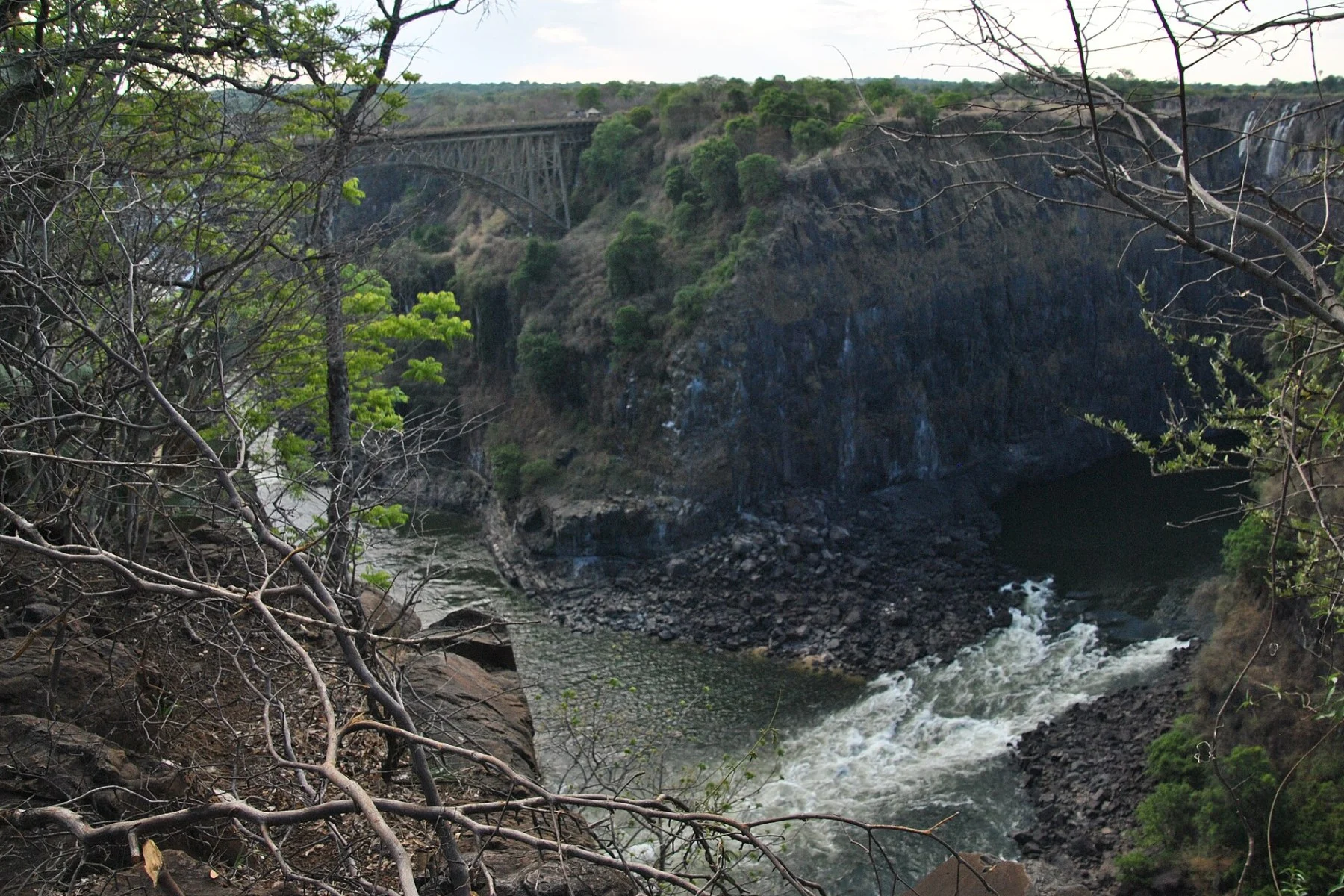
Below Victoria Falls the Zambezi runs through a chain of gorges for about 120 km. BirdLife Zimbabwe’s Important Bird Area account describes a gorge up to 140 m deep, cut through basalt, with cliffs and scree. It was known as a haven for the Taita Falcon, but the species has declined there, and its status is now thought to be threatened. The gorge still holds about 18 pairs of Peregrine Falcon, 34 other raptor species including Bat Hawk, at least 4 pairs of Black Stork, and a rafting survey once counted 103 Rock Pratincoles.
The history reads like a slow fade. The Mail & Guardian says the gorge was the stronghold for the bird from the 1950s to the 1990s, with at least 6 pairs found in the mid-1990s. An intensive survey in 2013 and 2014 found none, Mongabay gives 2006 as the last record of an active nest, and the July 2025 survey drew a blank. Wikipedia’s account lists possible causes: disturbance from tourism and air traffic, and the loss of woodland on both sides of the gorge, which favours the larger Lanner Falcon. BirdLife Zimbabwe names the proposed Batoka Dam, with a 196 m wall below the Moemba Falls and a lake of about 50 km, as the overriding threat to the whole system.
A safety note that matters more than any sighting: BirdLife Zimbabwe warns that the lip of the gorge downstream of the falls on the Zimbabwe side is a minefield, and that animals such as buffalo are regularly killed by it. Stay on marked paths and go with someone who knows the ground.
On the Zambian rim, Taita Falcon Lodge has 5 chalets and a family cottage, offers free birding walks on the property and names Taita Falcon, Verreaux’s Eagle and Peregrine Falcon as birds of the gorge. It is about 45 minutes from Livingstone, the last 11 km on a dirt road that needs a high-clearance vehicle, and charges from US$220 per person a night, dinner, bed and breakfast, on its 2027 green-season self-drive rate. Even on a falcon-free morning, the Peregrines and Verreaux’s Eagles put on a show. Our Victoria Falls birding guide covers the rest of the gorge and the river above the falls.
Mozambique: the stronghold few birders reach
The best news in years came from somewhere few birders will ever drive to. In 2021 a research team surveyed 35 possible Taita Falcon territories within 75 km of the administrative camp of Mozambique’s Niassa Special Reserve, reaching some on foot and some by helicopter. Mongabay reports that they found 14 breeding pairs and, by modelling other likely nest sites across the 4.2 million ha reserve, estimated 68 to 76 pairs, the largest population known. Here the falcons nest on the peaks of granite hills rather than in river gorges. Most other known sites hold fewer than 10 pairs, which makes 14 pairs in a single survey a very good day’s work.
Zimbabwe’s eastern mountains have records too, as the Chimanimani photograph above shows, and the Zimbabwe birding guide covers the Eastern Highlands and the rest of the country.
When to go, and what to expect
Plan for the dry season, from about July to October, when pairs in Zimbabwe are breeding and most active around their cliffs, and plan your day around the early morning and late afternoon. Set your expectations by the survey results: a Taita Falcon is a bird for a patient birder who enjoys a cliff full of other raptors while waiting.
If you do see one, note the time, the exact cliff and what the bird was doing, and send the record to BirdLife South Africa, whose Taita Falcon Survey Team is recognised by BirdLife International as the species guardian. With so few birds left, every sighting counts.
Where to stay
The 2 places in the directory beside Taita Falcon cliffs:
| Place to stay | Where | For birders | From |
|---|---|---|---|
| Cape Vulture Lodge | 10 km past the Strijdom Tunnel, Limpopo | BirdLife Recommended, guided trails, Cape Vulture colony outing | R2,000 pp sharing, B&B (2026) |
| Taita Falcon Lodge | Batoka Gorge rim, near Livingstone, Zambia | Free birding walks, Taita Falcon named | US$220 pp, DB&B (2027 green season, self-drive) |
A Taita Falcon is never guaranteed, and rates change each season. Facts were checked on 15 November 2026 with BirdLife South Africa’s GoBirding site guide, BirdLife Zimbabwe, the Mail & Guardian, Mongabay, Wikipedia’s species account and each place’s listing on Birding Dispatch.
More from the Journal
 Woodpeckers of Southern Africa, Including the One That Doesn’t Need TreesSouthern Africa's woodpeckers, from the Cardinal in every bushveld tree to the Ground Woodpecker that lives on treeless mountain slopes and eats almost nothing but ants.
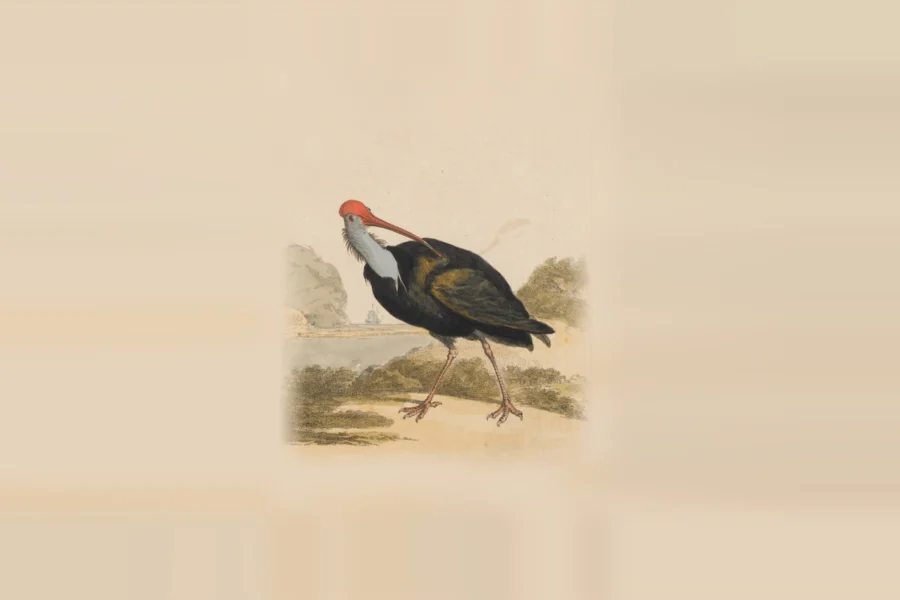 Where to See a Southern Bald Ibis: the Breeding Cliffs, Dullstroom, Wakkerstroom and LesothoA red-capped grassland ibis that nests on cliffs over waterfalls and feeds on burnt veld and maize stubble. The colonies you can watch, the fields to scan, and where to stay.
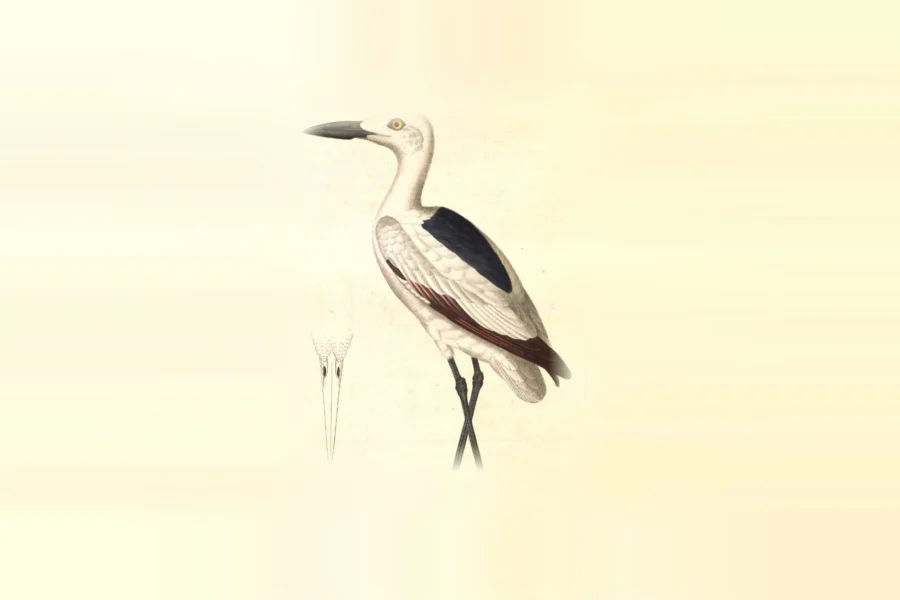 Where to See a Crab-plover: Bazaruto, Mida Creek, Zanzibar, Mafia and the Odd One at Kosi BayA black-and-white shorebird with a bill like pliers, the only member of its family. Where it winters on the East African and Mozambique coasts, how to time the tide, and where to stay.
The Pigeon Post
Every Thursday: 1 bird, 1 place to go and 1 place to stay, by email. Sign up and get our printable checklist of the 163 endemics of southern Africa.