
Where to See an African Pitta: the Zambezi Valley, Catapu, Lake Malawi and the Odds at Each
A crimson-bellied bird that is near invisible for months, then calls and leaps for a few weeks. Which sites work, the late November to December window, the rains, and where to stay.
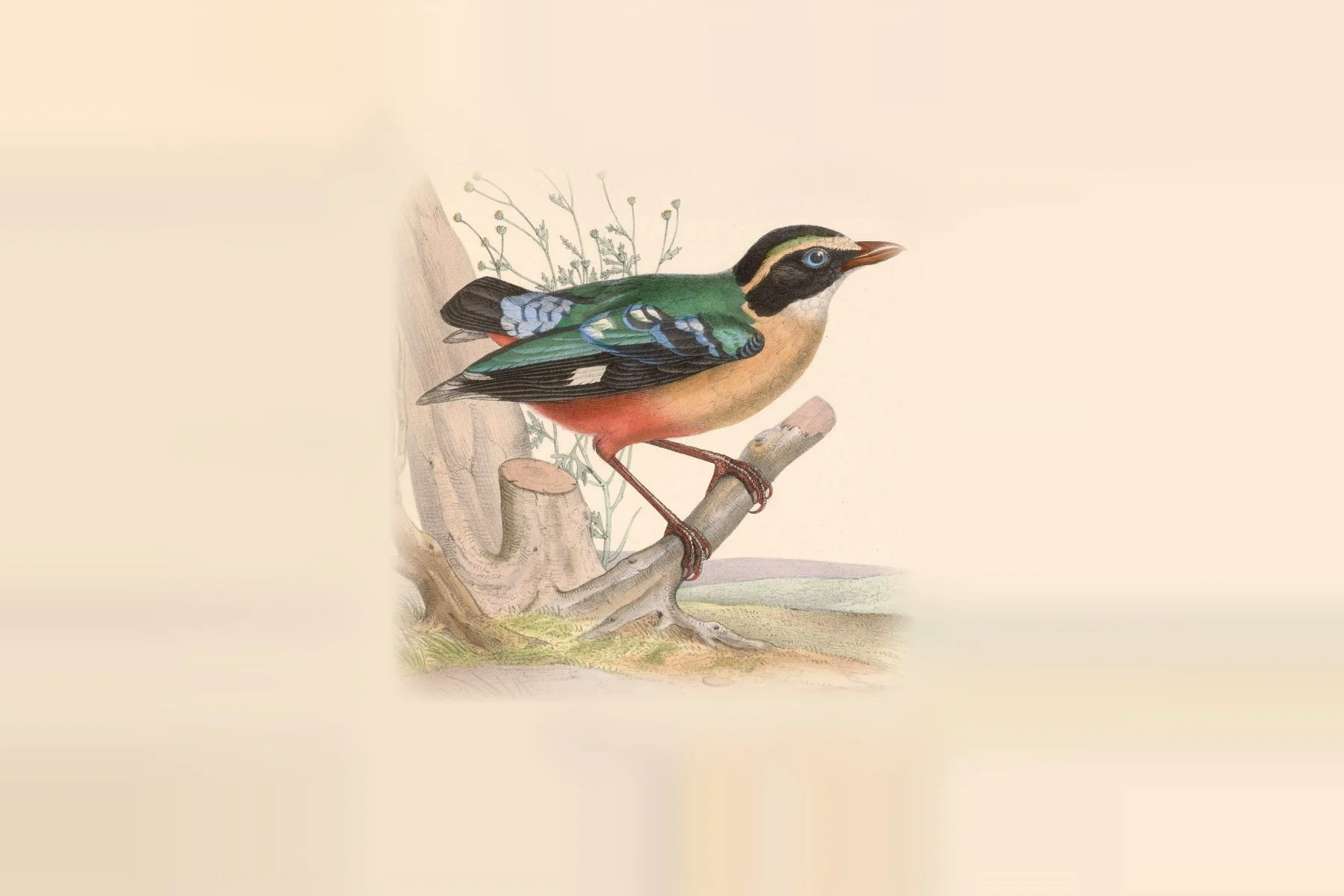
The African Pitta is a plump, short-tailed bird of the forest floor, with a black crown, a buff eyebrow, a green back, turquoise wing spots and a crimson belly. It is dressed for a carnival and lives like a hermit. It is listed as Least Concern by BirdLife International on the IUCN Red List, so it is not rare in the sense of being threatened. It is hard to see because it lives in dense, deciduous riverine thicket, spends the morning and dusk scratching in leaf litter, and can stand motionless for long periods, which is an unfair skill in a bird that colourful.
The southern breeding birds, the race longipennis, are intra-African migrants. They spend the southern winter as far north as western Uganda and coastal Kenya, and come south to breed in the thickets of the Zambezi Valley, central Mozambique and Malawi. Birdquest’s tour notes say that outside a short window after the birds arrive and start calling, seeing one is usually hard or impossible. Few birds come with such a short shop window.
Odds at a glance
| Where | Odds in the window | Best weeks | Where to stay |
|---|---|---|---|
| Mana Pools, Zimbabwe | Good, with several days and a guide | Late November to mid-December | Mhara River Camp, Mana Pools Safari Lodge |
| Chirundu area, Zambia | Good in a wet year | Early December | No listing yet |
| Luangwa Valley, Zambia | A chance | December | Munyamadzi Camp |
| Catapu, Mozambique | Good in a wet year | Late November and early December | No listing yet |
| Nankoma Island, Malawi | Good | Late November and December | Blue Zebra Island Lodge |
| Liwonde, Malawi | Low, not every year | December | No listing yet |
The window, and why the rain decides it
The first Southern African Bird Atlas Project account of the species, by Tony Tree, and the East African and Zimbabwean handbooks it draws on, give the calendar. Birds arrive in southern Africa from late October, mostly in November and early December. They display for a few weeks after they arrive, eggs are laid in November and December, and the birds go quiet once incubation starts, having said all they needed to say. They leave again in February, occasionally as late as April.
The display is what finds them. A male leaps up from a branch in the mid-canopy, gives a loud, explosive call written as “quoip”, and opens his wings to show a white patch at the base of the flight feathers: a bird that has kept still all year suddenly jumping up and shouting. Pairs may be about 150 m apart. In the weeks before the display starts, and after it ends, a pitta on the ground in a thicket is close to invisible.
Rain is the trigger, and the birder’s whole trip hangs on the weather forecast. A 2016 trip report by Bruce Wedderburn, as cited in the Mozambique birding guide, says the pitta starts calling and displaying when the rains arrive, usually in late November or early December. Birdquest’s Zambia itinerary times its pitta days to the onset of the rains and says calling usually starts in early December.
When the rains are late, the window can close before it opens. Birding Ecotours missed the bird in the Zambezi Delta lowlands on its 2021 Mozambique trip, putting it down to the ongoing drought there. Birdquest’s 2024 Zambia report, for a tour from 27 November to 9 December, says the Zambezi Valley had a severe drought that year and almost no rain in November and early December. In the same weeks, Birding Ecotours’ Zimbabwe group had several good views at Mana Pools, so a dry year in one valley does not always mean a dry year in the next.
Book for the last week of November and the first 2 weeks of December, and keep the dates flexible if you can. The pitta does not read itineraries.
Zimbabwe: Mana Pools
Mana Pools is the site with the most recent success. Birding Ecotours, as cited in the Zimbabwe birding guide, says the pitta is only realistically possible there from late November to mid-December. Its group of 21 November to 3 December 2024 spent 4 nights at Mhara River Camp, a private concession in the south of the park, with local guides. The pittas were displaying in thick riverine growth near camp, and it took several days of patient work before everyone had a good view, which by pitta standards counts as a quick result. Livingstone’s Flycatcher, African Broadbill and Southern Crested Guineafowl were in the same vegetation. BirdLife Zimbabwe’s Mana Pools page lists African Pitta with Eastern Nicator, Red-capped Robin-chat and Bearded Scrub Robin, the thicket birds you will also be hearing.
Mhara River Camp has 6 tents on a private concession above the Chitake River. Camp guides lead birding walks across the concession, guests watch bird baths from their patios, and the camp names African Pitta and Narina Trogon. It gives November to April as its season, so it is open in the pitta weeks. Rates and directions are not published, so ask when you enquire.
Mana Pools Safari Lodge is a solar-powered lodge of 12 chalets on the floodplain, about 15 km upstream of Nyamepi. It lists pittas among the birds seen often around it, with Narina Trogon, Spotted Creeper and Lilian’s Lovebird, and runs birdwatching tours. It does not say which months it is open, so confirm that December works.
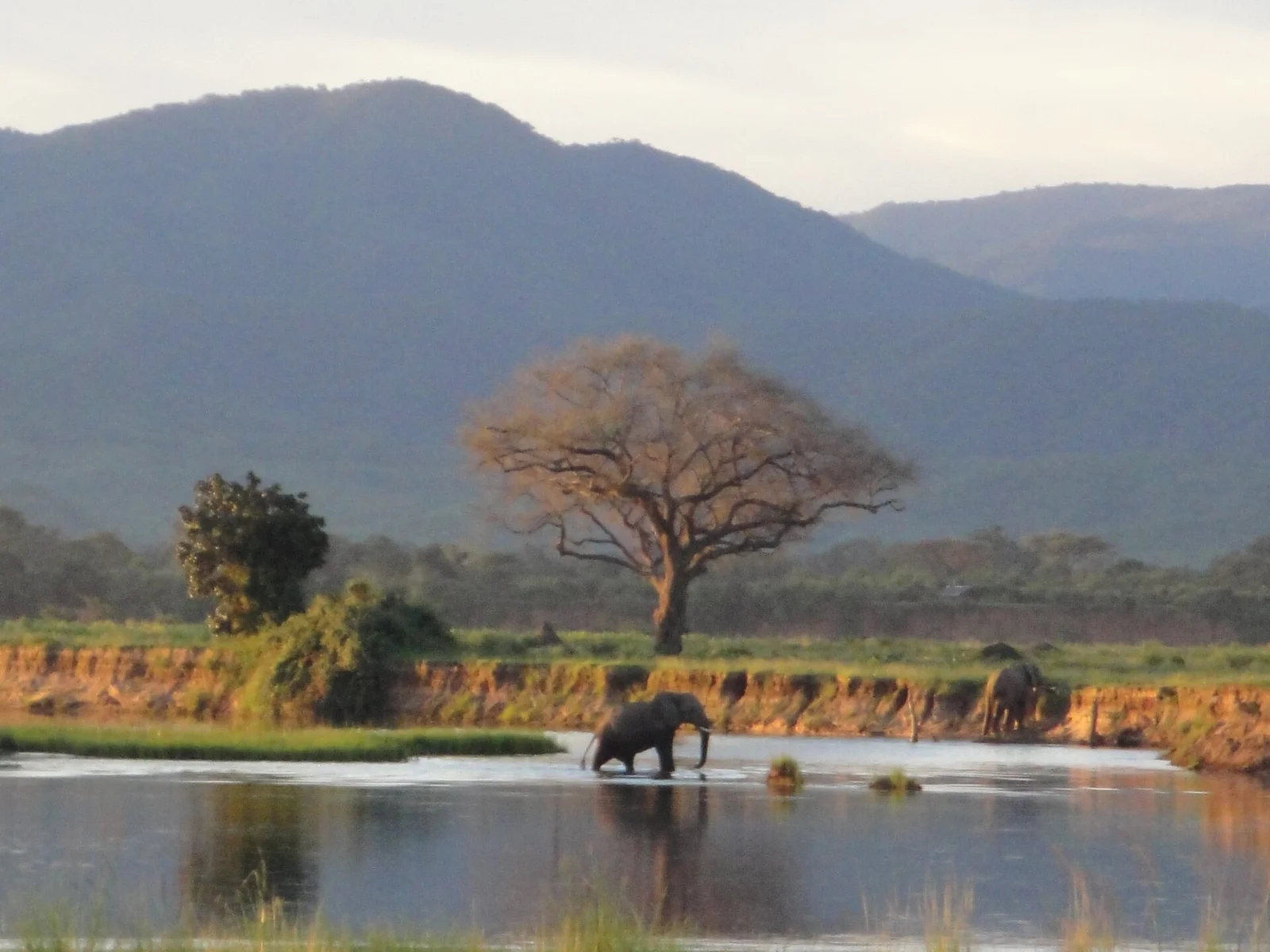
In the thickets, walk only with a licensed guide. Under the park’s 2023 code of conduct, unguided walking is limited to the floodplain and needs a permit bought in advance, as set out in the Mana Pools birding guide. Expect heat: BirdLife Zimbabwe says the valley can reach 44°C in November before the rains break. The pitta waits for the rain; the birder melts.
Upriver, Rukuru Bush Camp sits on a 10,000 ha concession on the Zimbabwean bank below Chirundu, about 60 km from Mana Pools, with more than 350 species recorded. It does not name the pitta, but it is on the same stretch of the Zambezi that Birdquest works for the bird from the Zambian side, and it costs from US$150 per person a night self-catering on its 2027/28 rates.
Zambia: Chirundu, the Lower Zambezi and Luangwa
Birdquest calls the Zambezi Valley in Zambia the best place for the bird at present. Its 2026 tour, from 25 November to 10 December, ends with 3 days in the Chirundu area near Lake Kariba, timed for the rains. The 16-day tour costs US$8,100 per person in 2026. BirdLife International’s factsheet for the Mutulanganga Important Bird Area, along the Chirundu to Siavonga road, describes it as a regular breeding ground for the migratory African Pitta. There is no listing in the directory in the Chirundu area yet.
Downstream, Chula Island Camp in the Lower Zambezi National Park has camp-based bird guides, canoe safaris through the river channels, and names African Pitta. It is open only from 1 April to 31 October, though, and its operator gives February and March as the pitta months in the Lower Zambezi, which does not match the November to December window in the other sources. Treat Chula as a dry-season birding camp rather than a pitta base. The calendars do not overlap.
In the Luangwa Valley, Rockjumper’s South Luangwa extension, as cited in the Zambia birding guide, lists a chance of African Pitta. Munyamadzi Camp, on a private reserve on the Luangwa River in the valley’s Important Bird and Biodiversity Area, names the bird under its older name, Angolan Pitta, with Lilian’s Lovebird, Pel’s Fishing Owl and Bat Hawk, and can arrange a specialist bird guide on request. Ask whether it is open in December, because many Zambian bush camps close in the rains, just as the pitta opens for business.
Mozambique: Catapu
The lowland forests of the coutadas south of the Zambezi are the Mozambique option. Birding Ecotours’ trip of 21 November to 5 December 2023 found a displaying male in the forest near the Zambezi Delta and had prolonged views, after extensive searching, alongside White-chested Alethe and East Coast Akalat. Its December tours stay at M’Phingwe Lodge in Catapu, which is not yet in the directory. The 2021 drought miss shows the risk here as clearly as anywhere: no rain, no display, no pitta.
Malawi: Nankoma Island and Liwonde
Blue Zebra Island Lodge is on Nankoma Island in the Marelli Islands, inside Lake Malawi National Park, and is the most accessible pitta site in this guide. An island lodge on a lake is not the worst place to wait for a bird. The lodge reports African Pittas nesting in the islands and names Pennant-winged Nightjar, Livingstone’s Flycatcher and Black-throated Wattle-eye on its list of about 350 species. Birding Ecotours, as cited in the Malawi birding guide, goes to Nankoma for the pitta, a breeding migrant present there for only a few weeks in late November and December. Boats leave from Whistlers Cottage at Senga Bay, with a scheduled island departure at 12:00.
On the mainland, the odds drop, and some years they drop to nothing. A Liwonde birding guide published by Travis Audubon says an occasional African Pitta turns up in the park, typically in December, and a birder’s account from the Mvuu Camp area reports years with no sighting at all. African Parks also includes the pitta in its list for Majete Wildlife Reserve. Neither Mvuu Camp nor any Majete lodge is in the directory yet.
Outside the breeding range
South Africa is not a place to look, however much South African birders might wish otherwise. The atlas account explains the occasional bird in the north-east of the old Transvaal, and on the Zimbabwean plateau, as overshooting migrants that followed moist tropical fronts at night. In the non-breeding months the birds are in western Uganda as far north as Budongo and on the Kenya coast as far north as the Gedi ruins, but they are quiet there, and no tour builds a trip around them. Off duty, a pitta is just a rumour in a thicket.
Giving yourself the best chance
Choose one site and give it time. Pitta hunting rewards patience, and patience alone. The 2024 Mana Pools group needed several days, and Birdquest gives its pitta search 3 days at the end of a 16-day tour. Be in the thicket in the early morning and at dusk, when the birds are most active, and listen for the “quoip” before you look. Book with a camp or guide who has found the bird in the last 2 seasons, and ask them how the rains are going a week before you leave.
Where to stay
The places in this guide, with what each offers a birder:
| Place to stay | Where | For birders | From |
|---|---|---|---|
| Mhara River Camp | Mana Pools, Zimbabwe | Camp birding walks, bird baths, African Pitta, Narina Trogon | Ask the lodge |
| Mana Pools Safari Lodge | Mana Pools, Zimbabwe | Birdwatching tours, pittas seen often, Narina Trogon | Ask the lodge |
| Rukuru Bush Camp | Below Chirundu, Zimbabwe | 10,000 ha concession, more than 350 species | US$150 pp self-catering |
| Chula Island Camp | Lower Zambezi, Zambia | Camp bird guides, canoe safaris, open April to October | Ask the lodge |
| Munyamadzi Camp | Luangwa Valley, Zambia | Specialist bird guide on request, Angolan Pitta, Pel’s Fishing Owl | Ask the lodge |
| Blue Zebra Island Lodge | Nankoma Island, Malawi | Pittas nest in the islands, about 350 species | Ask the lodge |
Seasons, opening dates and rates change. Facts were checked on 13 November 2026 against each place’s listing on Birding Dispatch, BirdLife Zimbabwe’s Mana Pools page, BirdLife International, Birdquest’s Zambia tour page and 2024 report, Birding Ecotours trip reports, the African Bird Club, African Parks and the species account on the IUCN Red List and in the atlas literature. Confirm with your camp that it is open in December before you book.
More from the Journal
 Woodpeckers of Southern Africa, Including the One That Doesn’t Need TreesSouthern Africa's woodpeckers, from the Cardinal in every bushveld tree to the Ground Woodpecker that lives on treeless mountain slopes and eats almost nothing but ants.
 Where to See a Taita Falcon: the Strijdom Tunnel, the Blyde Cliffs and the Batoka GorgeA stocky falcon smaller than a pigeon, a handful of cliffs and surveys that keep coming back empty. Where it still nests, how to look, and the 2 roosts beside its cliffs.
 Where to See a Southern Bald Ibis: the Breeding Cliffs, Dullstroom, Wakkerstroom and LesothoA red-capped grassland ibis that nests on cliffs over waterfalls and feeds on burnt veld and maize stubble. The colonies you can watch, the fields to scan, and where to stay.
The Pigeon Post
Every Thursday: 1 bird, 1 place to go and 1 place to stay, by email. Sign up and get our printable checklist of the 163 endemics of southern Africa.