
Birding the Garden Route: Knysna Turaco, Forest Specials and Where to Stop
The 5 best birding stops on the N2 between George and Storms River, for Knysna Turaco, Knysna Warbler, Narina Trogon and African Finfoot.
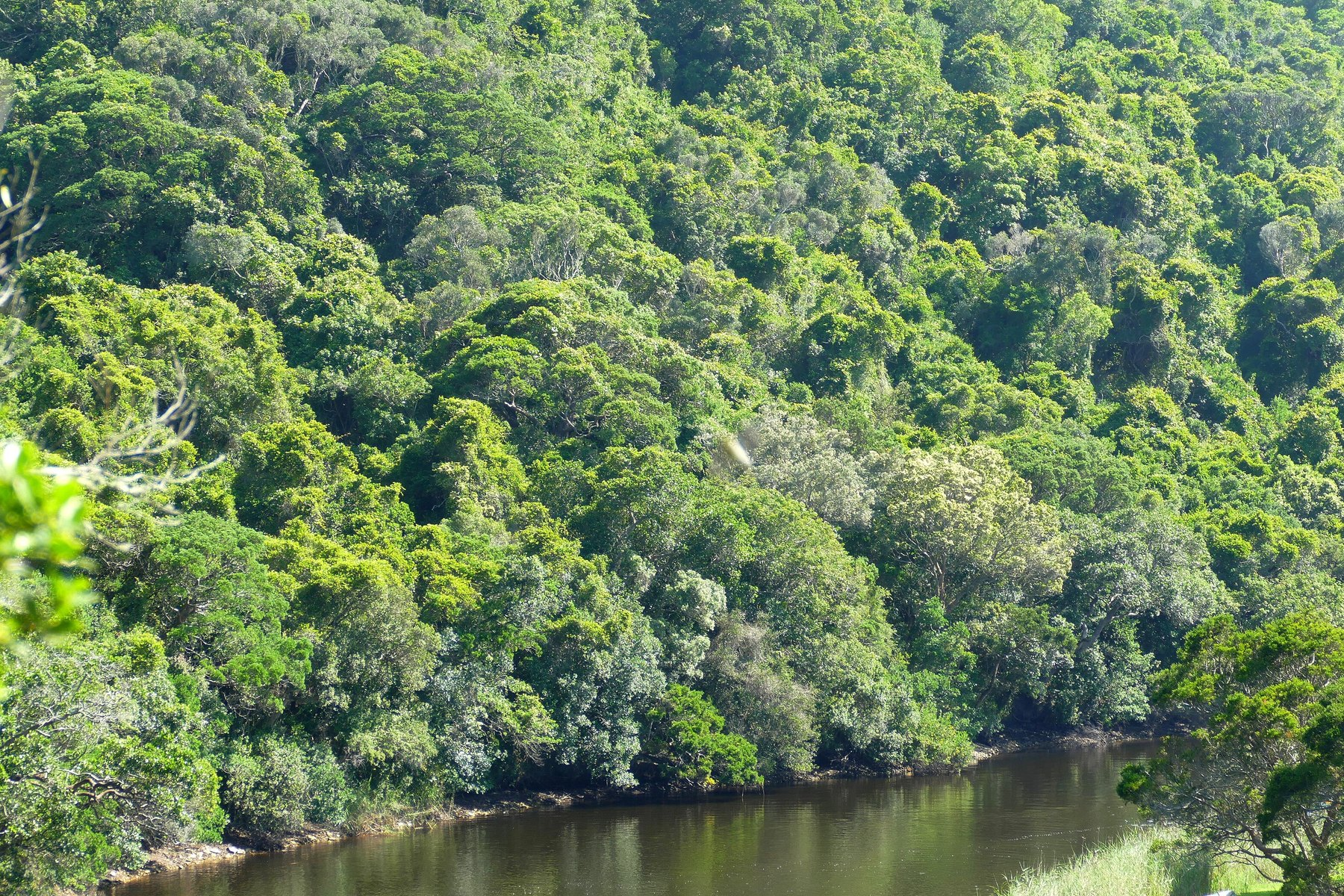
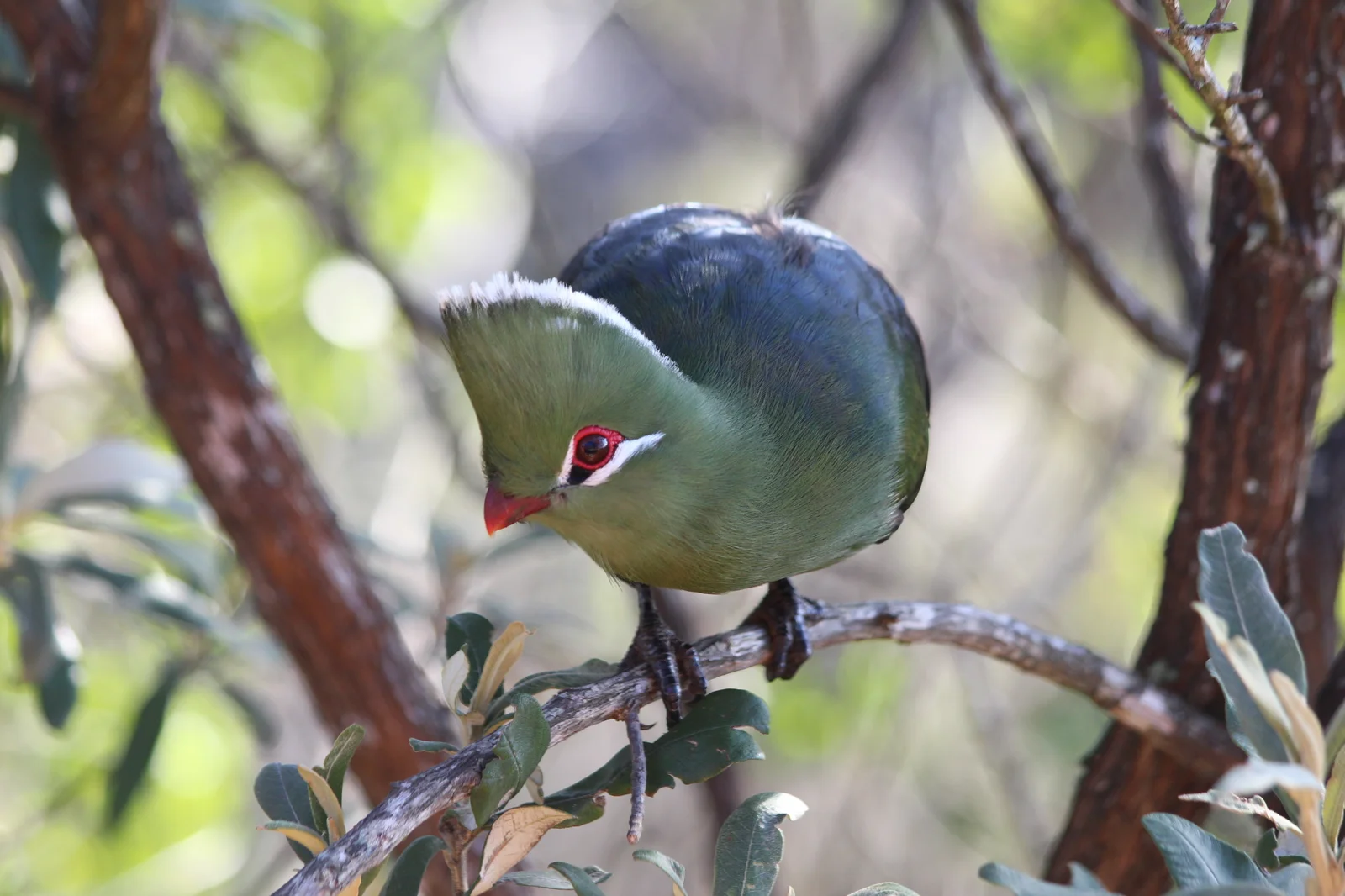
The Garden Route is South Africa’s forest coast. Between George and the Storms River, the N2 runs past Afromontane forest, with fynbos on the hills above it and estuaries and rivers below. Several of its birds carry the name of the forest town, as if Knysna had been handing out naming rights: Knysna Turaco, Knysna Woodpecker and Knysna Warbler, along with Narina Trogon, Chorister Robin-Chat and, on the quieter rivers, African Finfoot.
The birding is easy to reach and hard to finish. Most stops are a few minutes off the highway, and BirdLife South Africa’s GoBirding guides say most of the specials are not particularly difficult to find. The exception is the warbler, which you will hear far more often than you see, and which seems to prefer it that way.
The short answer
Drive it from west to east over 2 or 3 days. Start at Ebb and Flow in the Wilderness section of Garden Route National Park for Knysna Turaco, Knysna Woodpecker and Half-collared Kingfisher before you have even finished paying. Spend a morning on the Diepwalle, Kom se Pad and Gouna forest loop above Knysna, which GoBirding rates as probably the best forest birding in the area. Then take the R102 over the Crags plateau into Nature’s Valley, and finish at Storms River Mouth. Go between September and April, when the forest is loudest and the Knysna Warbler is singing.
At a glance
| Stop | Best for (BirdLife South Africa) | 2026/27 adult conservation fee |
|---|---|---|
| Wilderness: Ebb and Flow and the Half-collared Kingfisher Trail | Knysna Turaco, Knysna Woodpecker, Half-collared Kingfisher, Knysna Warbler | R63 SA, R133 SADC, R270 international |
| Diepwalle, Kom se Pad and Gouna, above Knysna | Narina Trogon, Blue-mantled Crested Flycatcher, Terrestrial Brownbul | No permit for the road loop |
| Crags plateau and Salt River trail (R102) | Victorin’s Warbler, Cape Sugarbird, Narina Trogon | Free; forest permit from the farm stall |
| Nature’s Valley and the Groot River | African Finfoot, Half-collared Kingfisher, Crowned Eagle | R76 SA, R81 SADC, R190 international |
| Storms River Mouth, Tsitsikamma | Knysna Turaco, Knysna Woodpecker, seabirds | R85 SA, R179 SADC, R422 international |
Fees are SANParks daily conservation fees per adult for 1 November 2026 to 31 October 2027. Children aged 2 to 11 pay about half. WILD Card holders pay nothing.
1. Wilderness: start at reception
GoBirding rates the Half-collared Kingfisher Trail as the better of the Kingfisher trails from a birding perspective, though it allows room for argument. It starts and ends at the reception of Ebb and Flow rest camp, where you pay for your permit, and the first good birds are within metres of the office, which saves the legs for later. The Wild Bananas and Broom Cluster Fig outside reception draw Knysna Turacos and the resident Grey Sunbird. Knysna Woodpecker is often seen and heard in a clump of milkwoods behind the building, and Half-collared Kingfisher perches on the small boardwalk in front of it.
From there, walk out of camp and cross the rail bridge on the northern side. Listen in the thickets around the bridge for the ringing call of the Knysna Warbler, particularly in summer. The trail then follows the western bank of the Touw River through forest, crosses the river once on a hand-pulled pont, so the arms get a workout as well as the neck, and ends at a waterfall. GoBirding lists Chorister Robin-Chat, Narina Trogon, Blue-mantled Crested Flycatcher, Olive Bushshrike, Scaly-throated Honeyguide and Grey Cuckooshrike as regulars. Allow about 4 hours with stops; the return walk is 7 to 8 km.
The trail was closed after storm damage and high water in mid-2026 and reopened in July. SANParks asks hikers to take care after rain, when the path gets slippery. If you stay overnight at Ebb and Flow, GoBirding says Buff-spotted Flufftail and African Wood Owl can be found in camp after dark, so the birding carries on after supper. For more night birds, see the owls you can find without a guide.
2. Diepwalle, Kom se Pad and Gouna: the forest loop
This is the stop to give a full morning. GoBirding says it offers “probably the best forest birding in the area”, with up to 100 species possible on a summer day, and all the birding is done from a gravel road, so it suits birders who cannot walk far, and anyone who likes a forest that comes to the car window. No permit is required.
Leave the N2 at Knysna on the R339 and drive through the plantations, checking the tall eucalyptus for Rufous-breasted Sparrowhawk. The birding starts at the turn-off to Diepwalle forest station. On the way up, look for Blue-mantled Crested Flycatcher, White-starred Robin, Olive Woodpecker, Knysna Turaco and Black-backed Puffback. The station has toilets and a view south for raptors, which covers most of a birder’s needs.
The Forest Decks campsite is, in GoBirding’s words, a very good spot for Narina Trogon. Listen for Green Wood Hoopoes, which often travel in mixed flocks with Terrestrial Brownbul and Cape Batis. Continue north and take the first road west, Kom se Pad, through mature forest. Its junction with the Gouna road is a good place for African Emerald Cuckoo. Drive the Gouna road back to Knysna: its fynbos patches hold Cape Sugarbird, Orange-breasted Sunbird and Victorin’s Warbler, and the small milkwood clumps along the road are good for Knysna Woodpecker and Olive Bushshrike. Allow about 5 hours.
3. The Crags plateau and the Salt River trail
East of Plettenberg Bay, leave the N2 just past Kurland Village onto the R102. The road crosses farmland, forest and fynbos, and GoBirding says up to 80 species are possible on a summer morning here.
At Nature’s Way Farm Stall, ask for the free permit and map for the small coastal forest patch behind it, which holds Forest Buzzard, Narina Trogon, White-starred Robin and Cape Batis. Further on, the road crosses a fynbos reserve where Victorin’s Warbler calls from several spots, Cape Sugarbird and Orange-breasted Sunbird feed on the proteas, and African Cuckoo-hawk and Long-crested Eagle use the telegraph poles. Just before the Grootrivier Pass, a car park marks the Salt River trail: a 20 to 30 minute walk out and back is enough for the fynbos birds and Southern Tchagra, and short enough to fit between coffee stops. For the full set of fynbos endemics, see the 6 fynbos endemics near Cape Town.
4. Nature’s Valley: the river birds
Nature’s Valley is a small village inside the forest, and GoBirding says walking its streets can produce Knysna Turaco and African Dusky Flycatcher, which beats most suburbs for a stroll to the shop. Forest Drive at the top of the village is good for Yellow-throated Woodland Warbler and Forest Canary.
The Groot River is the reason to stop. View it from the bridge on the eastern edge of the village, where African Black Duck and Giant Kingfisher are regular and African Finfoot is reported occasionally. GoBirding’s Tsitsikamma guide says both African Finfoot and Half-collared Kingfisher breed at Nature’s Valley and along the Keurbooms River near Plettenberg Bay. At the SANParks De Vasselot campsite, on the western side of the bridge, look for Lemon Dove and Chorister Robin-Chat, and watch the river for Half-collared Kingfisher. The forest trails, including the Groot River route, hold Narina Trogon and Scaly-throated Honeyguide. The Kalanderkloof trail climbs into fynbos for Cape Siskin and Victorin’s Warbler, and from the pass road into the valley, watch the sky for African Crowned Eagle and African Cuckoo-hawk.
Pay the day visitor fee at De Vasselot reception, open 08:00 to 17:00, where trail maps are available. There is no fuel in Nature’s Valley, so arrive with a full tank and leave with a full notebook.
5. Storms River Mouth, Tsitsikamma
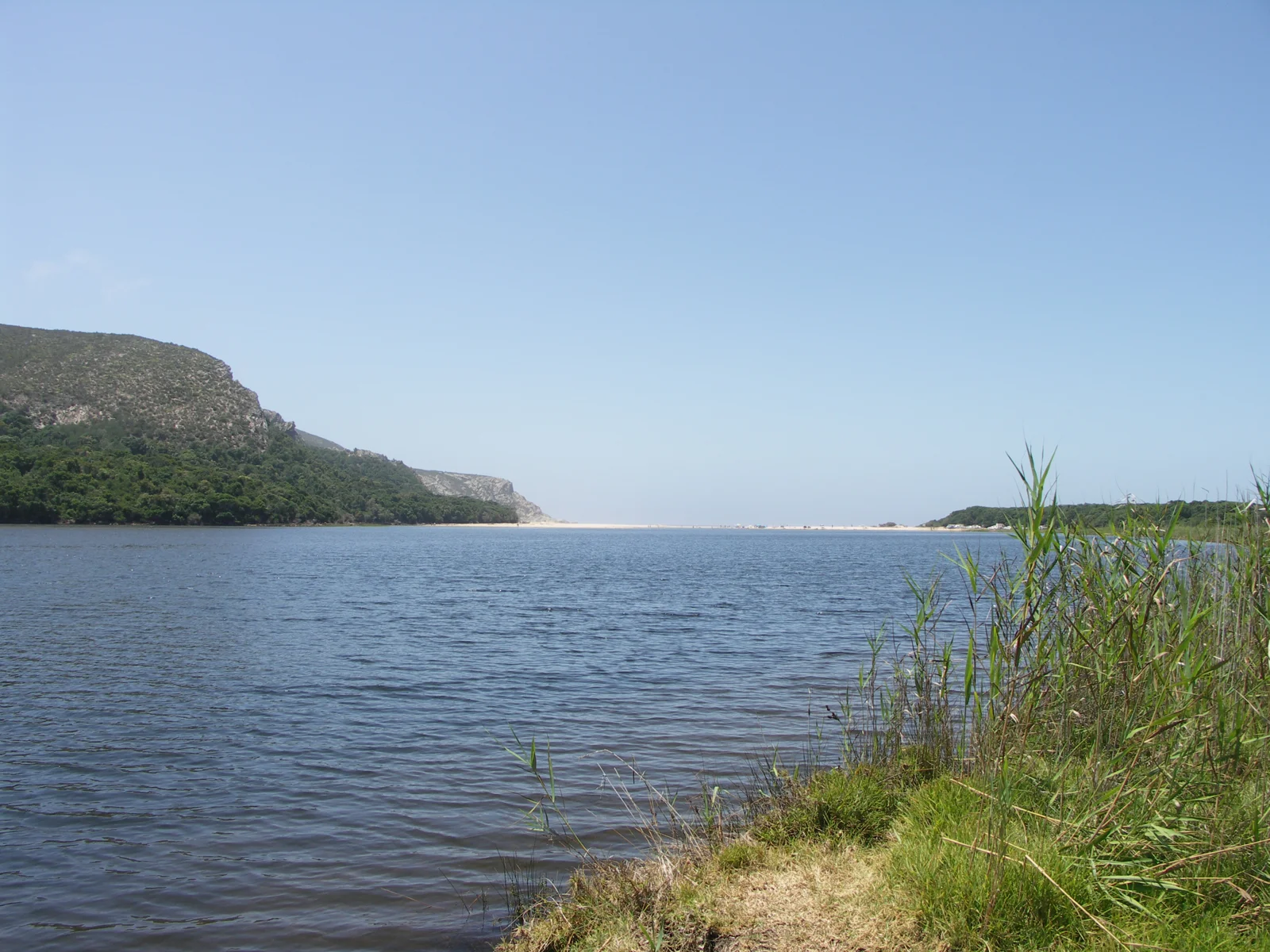
Rejoin the N2, drive east through the toll plaza, and turn off for Storms River Mouth, which sits about 5 km south of Storms River village. GoBirding’s guide, written by a Rockjumper tour leader, says at least 300 species have been recorded in this part of the park and that Knysna Turaco, Knysna Woodpecker, Chorister Robin-Chat and Forest Buzzard are all relatively common in its forest. It also says the area holds a substantial share of the world’s Knysna Warblers, and that knowing the call is essential to finding one. The warbler, in other words, holds all the cards.
The Mouth, Loerie and Blue Duiker trails all bird well; maps are at the gate. The rocky shore adds tern roosts and, offshore, Cape Gannet. Day visitors may enter between 08:00 and 17:00. The nearest fuel is at Witelsbos, about 30 km away.
In Storms River village, the Plaatbos Walk is another good forest stop. SANParks introduced a separate daily permit at the Plaatbos and Goesa gates from December 2025, covering those trails and the Tsitsikamma Big Tree. The 2025/26 rates expired on 31 October 2026, so check the current fee on arrival.
Where to stay and who to ask
SANParks runs self-catering rest camps at Ebb and Flow, De Vasselot (Nature’s Valley) and Storms River Mouth, all booked on +27 (0)12 428 9111. GoBirding lists Masescha Country Estate near Plettenberg Bay, on 12 ha against forest, as the nearest BirdLife Birder Friendly Establishment to Tsitsikamma. Nature’s Way Farm on the Crags plateau also offers farm-stay accommodation.
There are no BirdLife South Africa Birder Friendly tour operators in the Tsitsikamma area. GoBirding names Ian Pletzer (+27 (0)83 357 5267) as a guide who operates locally.
Places to stay in the directory near the sites in this guide, with what each offers a birder:
| Place to stay | Where | For birders | From |
|---|---|---|---|
| Pirates Creek | Touw River, Wilderness | BirdLife Recommended, river birdwatching, canoeing | Ask the lodge |
| Reflections Eco-Reserve | Rondevlei, Wilderness | BirdLife Recommended, owner is a birding guide, 246 species | R1,275 pp, 2-night minimum |
| In Toto Retreat | The Island, Sedgefield | BirdLife Recommended, Swartvlei, Goliath Heron, flamingos | Ask the lodge |
| Teniqua Treetops | Karatara, near Sedgefield | Treetop suites, Knysna Turaco, 100+ species | R1,950 per suite for 2, self-catering |
| Pumula Lodge | Hunters Home, Knysna | 120-species garden list, Narina Trogon, Knysna Turaco | Ask the lodge |
| Fynbos Ridge Country House | Outside Plettenberg Bay | Feeding trays, birdbaths, Knysna Woodpecker, Victorin’s Warbler | R3,300 a night |
| Kwendalo | Plettenberg Bay | BirdLife Recommended, hide and heronry blind, avitourism guide | Ask the lodge |
| Emily Moon River Lodge | Bitou wetland, Plettenberg Bay | Wetland views from suite balconies, canoe hire | Ask the lodge |
| Bitou River Lodge | Bitou River, Plettenberg Bay | African Finfoot, Malachite Kingfisher, eco-walk | Ask the lodge |
| The Fernery Lodge & Chalets | Storms River, Tsitsikamma | Guided nature walks, forest and coastal trails | Ask the lodge |
When to go
September to April is the best time. The Knysna Warbler calls most in summer, the cuckoos arrive, and the GoBirding counts of 80 to 100 species in a morning or day are summer figures. The Plaatbos and Goesa gates keep longer summer hours, 07:00 to 18:00 from September to April, against 08:00 to 17:00 from May to August. Cape Sugarbird and Orange-breasted Sunbird follow the flowering proteas and ericas; see the sunbirds of southern Africa. Heavy rain can close forest trails, as it closed the Half-collared Kingfisher Trail in 2026, so check with SANParks after a storm.
The verdict
Give it 3 days. Day 1: Ebb and Flow at first light and the Half-collared Kingfisher Trail. Day 2: the Diepwalle and Gouna loop, the best single forest morning on the route. Day 3: the Crags plateau, Nature’s Valley and Storms River Mouth. Buy a WILD Card if you plan to enter more than 2 sections, learn the Knysna Warbler’s song before you arrive, and stand still on the Groot River bridge for 20 minutes. GoBirding calls the finfoot an occasional bird there, and patience is the only way to improve those odds. The bridge has a good view while you wait.
Fees, trail access and bird reports change. Facts were checked on 9 November 2026 with BirdLife South Africa’s GoBirding guides to the Half-collared Kingfisher Trail, Diepwalle, the Crags to Nature’s Valley route, Nature’s Valley and Tsitsikamma, SANParks’ 2026 to 2027 conservation fees and George Herald reporting on trail access and fees. Confirm fees and opening times with SANParks before you go.
More from the Journal
 Namib-Naukluft and Sossusvlei for Birders: Dune Lark, Desert Raptors and the Naukluft SpecialsA lark that lives on the dunes and nowhere else, Lappet-faced Vultures nesting in the desert, coursers on the gravel plains and the northern specials around the Naukluft cliffs, in one of Africa's largest parks.
 Lake Baringo and Lake Bogoria Birding: The Owl Walks, the Cliffs and the FlamingosA local guide who knows where every nightjar and eagle-owl slept last night, thorn scrub full of hornbills, a Goliath Heron colony on a rock, and the flamingo lake next door that keeps rising.
 Akagera Birding: Rwanda’s Savanna, Lakes and Papyrus, and the Shoebill ChancesRed-faced Barbet in the southern woodland, Papyrus Gonolek and Carruthers's Cisticola in the swamps, a lake of hippos and lapwings, and a Shoebill that hides in the wetlands more than it shows.
The Pigeon Post
Every Thursday: 1 bird, 1 place to go and 1 place to stay, by email. Sign up and get our printable checklist of the 163 endemics of southern Africa.