
Northern Cape Birding: Kimberley, Augrabies and the Kalahari
Kimberley's swifts and the lost flamingos of Kamfers Dam, the Orange River gorge at Augrabies and the red dunes of the Kalahari, with the 10 places to stay that suit a dry-country birding trip.
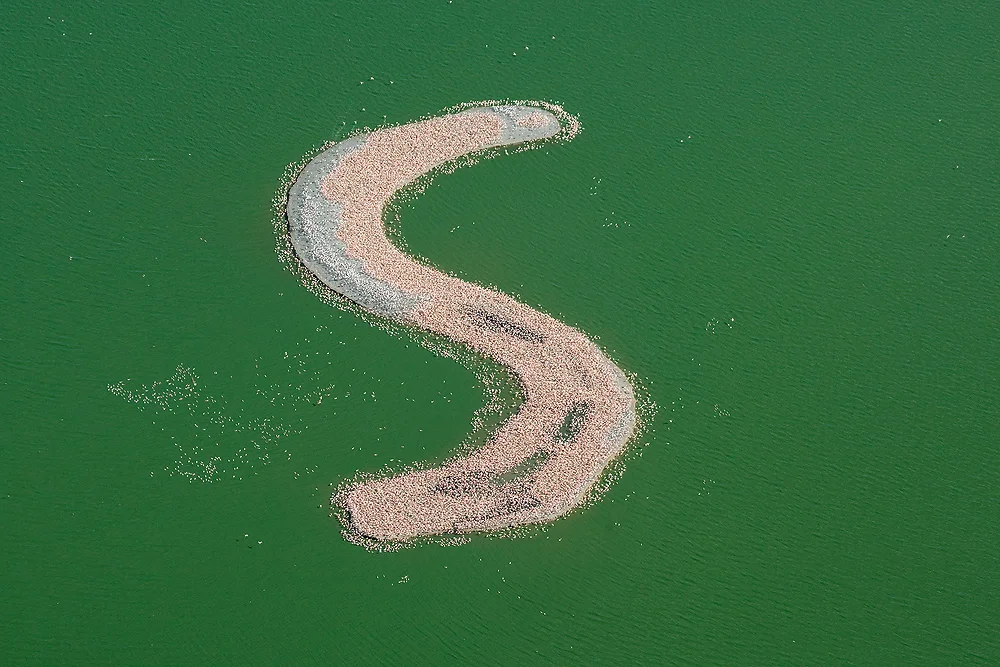
In May 2020, Kamfers Dam on the northern edge of Kimberley was pink with flamingos. The Ekapa Group’s wetlands specialist told Reuters there were 71,000 on the water that year, with up to 5,000 chicks a season. When Reuters went back in May 2025 there were none. Years of raw sewage from a broken treatment works had turned the water toxic, and the only South African site where Lesser Flamingos bred in numbers had been abandoned.
The rest of the Northern Cape still makes a dry-country birding trip worth the distance, and there is a great deal of distance. Kimberley’s thornveld, the Orange River gorge at Augrabies and the red dunes of the Kalahari hold Bradfield’s Swift, Rosy-faced Lovebird, Burchell’s Courser and some of the best raptor watching in the country. The Birding Dispatch directory lists the places to stay below for that circuit, from SANParks wilderness cabins to Tswalu.
The places at a glance
| Place to stay | Where | For birders | From |
|---|---|---|---|
| !Xaus Lodge | Kgalagadi, on a red dune above a pan | 260 species, morning walk with San trackers | R7,820 pp sharing, full board (to 28 Feb 2027) |
| Kieliekrankie Wilderness Camp | Kgalagadi, 50 km from Twee Rivieren | Red dunes, park checklist of 272 species | R2,146 per cabin for 2, self-catering |
| Tswalu Kalahari Reserve (Motse, Loapi, Tarkuni) | Near Van Zylsrus | Private guide and tracker, 264 species, Pygmy Falcon | R46,400 per adult sharing at Motse, fully inclusive (2026) |
| Tutwa Desert Lodge | Schuitdrift, near Augrabies | Birding and photographic safaris on the Orange River | Ask the lodge |
| Plato Lodge | Orange River, 50 km west of Augrabies Falls | Verreaux’s Eagle, African Fish Eagle, quiver-tree trails | Ask the lodge |
| New Holme Nature Lodge | Near Hanover, off the N1 | 2 birding drives a day, 230-species checklist | R2,275 pp for 7 nights, room only |
| Naries | 27 km west of Springbok | 170+ species, Burchell’s Courser, Cinnamon-breasted Warbler | Ask the lodge |
| Pedroskloof Farm | Kamiesberg, east of Kamieskroon | 113 species on the farm | Ask the lodge |
| Papkuilsfontein Guest Farm | Nieuwoudtville | 145 species, Booted Eagle | R300 a night, solo camper (Aug and Sep) |
| Tatasberg Wilderness Camp | Richtersveld, near the Orange River | Park checklist of 211 species | R1,278 per reed cabin for 2, self-catering |
Kimberley and Kamfers Dam
Kimberley sits in Kalahari thornveld, and BirdLife South Africa’s GoBirding site rates it as a base for several good birding sites: Kamfers Dam and Dronfield Nature Reserve on the N12 north of town, Mokala National Park, Benfontein Nature Reserve and Spitskop Dam. Even the Big Hole, the 215 m mine dug by hand in the diamond rush, earns a mention, though for once the treasure is in the air above it. GoBirding suggests watching the sky above it for Rock Martin, Lesser and Greater Striped Swallows and 5 swifts, among them Alpine Swift and Bradfield’s Swift, which it calls an exceptionally good bird to see in South Africa. Bring a strong neck: this is birding straight up. Its key species for the area also include Booted Eagle, Chestnut-banded Plover, Black-necked Grebe, South African Cliff Swallow, Acacia Pied Barbet and White-backed Mousebird.
Kamfers Dam is the sad part of the story. Lesser Flamingos began breeding there in 2006, Reuters reported, but by 2025 about 36 megalitres of untreated sewage a day were reaching the dam, the birds had missed 3 or 4 breeding seasons and many had died of botulism. A landowner on the dam won a court order in April 2025 compelling the municipality to fix the plant, which the municipality said needed R106 million it did not have. No later report on the dam was found for this guide, so check before driving to Kimberley for flamingos. The flamingo guide covers the sites where they still gather.
None of the places to stay in the directory is in Kimberley itself, and GoBirding warns that the semi-arid climate brings big swings between day and night, so pack for both, sometimes within the same morning.
Augrabies and the Orange River
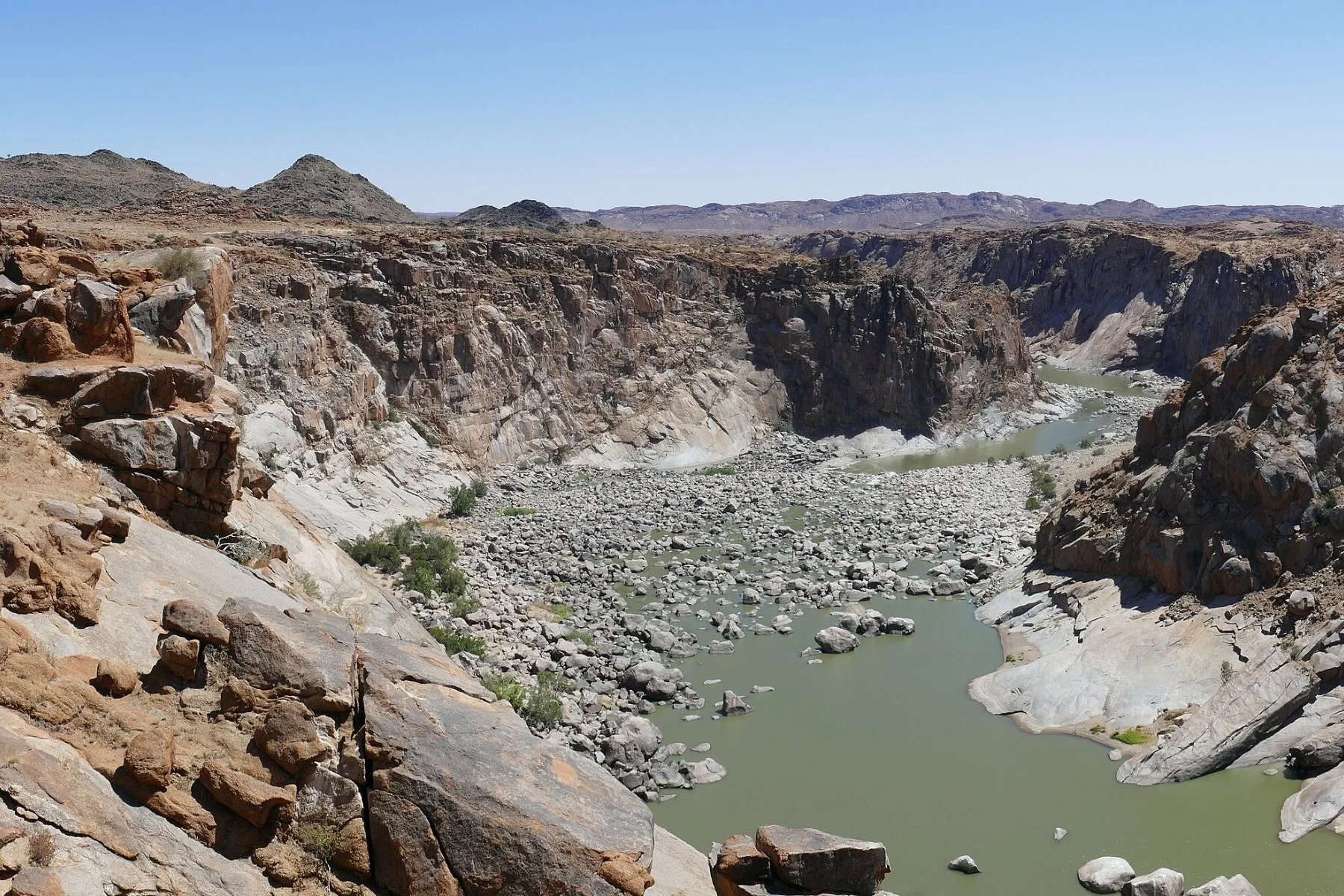
SANParks gives a checklist of 184 species for Augrabies Falls National Park, and Verreaux’s Eagles breed in the gorge: a nursery with a view. Its birding notes send visitors to the gorge for the eagles, Peregrine Falcon, Rock Kestrel, Bradfield’s and Alpine Swifts and Rock and Brown-throated Martins; to Echo Corner for Cinnamon-breasted Warbler; to the rocky koppies for Mountain Wheatear, Short-toed Rock Thrush and Cape Bunting; and to the open country away from the river for Ludwig’s Bustard, Karoo Korhaan, Double-banded Courser and larks. The park also holds Pygmy Falcon, Rosy-faced Lovebird, Fairy Flycatcher and an isolated western population of Double-banded Sandgrouse alongside Namaqua Sandgrouse.
GoBirding points out that most visitors look at the falls and leave, which leaves the birds to the birders. The wooded campsite is its starting point for Pririt Batis, Orange River White-eye, Namaqua Warbler, Pale-winged Starling, Ashy Tit and Golden-tailed Woodpecker, and it lists Burchell’s Courser, Black-eared Sparrow-Lark, Karoo Long-billed Lark and Chat Flycatcher among the park’s key species. Day visitors are admitted from 07:00 to 18:00.
Tutwa Desert Lodge, at Schuitdrift on the Kenhardt road, runs birding and photographic safaris on the Orange River across Green Kalahari desert and open plains. It is about an hour from Augrabies, including 45 km of dirt road, and has an airstrip and transfers from Upington. Plato Lodge is a 5-room bed and breakfast on a 4,700 ha farm on the Orange River, 50 km west of the falls, with walking trails over rocky ground and among quiver trees. It names African Fish Eagle, Verreaux’s Eagle and the odd Double-banded Sandgrouse, though the sandgrouse is odd only in the sense of occasional.
The Kalahari
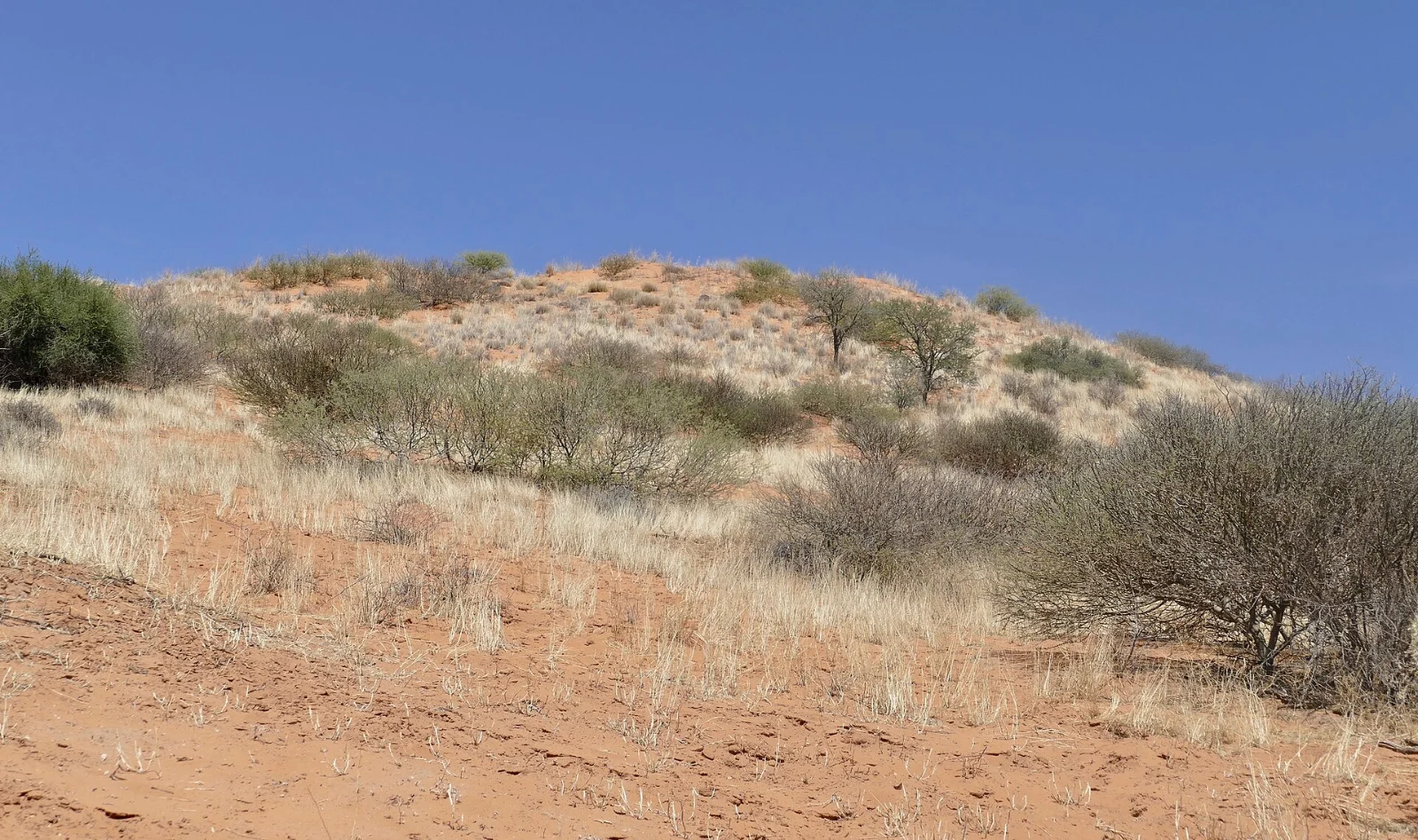
SANParks gives a checklist of 272 species for the Kgalagadi Transfrontier Park and says only about 92 are resident; the rest are nomads, migrants and vagrants, passing through like the rest of us. Tawny Eagle, Black-chested Snake Eagle, Bateleur, White-backed and Lappet-faced Vultures, Pale Chanting Goshawk, Gabar Goshawk, Pygmy Falcon and Greater Kestrel are the commonest raptors, and Martial Eagle and Red-necked Falcon less so. Kori Bustard, a very large bird walking a very dry riverbed, is common along both the Auob and Nossob, Ludwig’s Bustard is relatively common in summer, and larks, sparrow-larks and seedeaters such as Black-throated Canary and Lark-like Bunting turn up in numbers after good rains, as if someone had rung a dinner bell. The Kgalagadi guide covers the waterholes and camps in detail.
!Xaus Lodge stands on a red dune above a salt pan, inside the !Ae!Hai Kalahari Heritage Park, and is owned by the ‡Khomani San and Mier communities. Every chalet deck faces the waterhole on the pan, birding sits on the activity list with a morning walk led by San trackers, and the lodge counts 260 species. Getting there is part of the trip: guests drive 64 km up the Auob riverbed to the Kamqua picnic site, where the lodge guide meets them at 14:30 for a 30 km crossing of the dunes; there is a 2-night minimum, which after that drive seems only fair.
Kieliekrankie Wilderness Camp is the SANParks option in the dunes, 50 km from Twee Rivieren on the Southern Dune Road, with self-catering cabins for 2. Its listing gives November to March as the wet season, when the migrants arrive; under-12s are not permitted, so the loudest calls at night will be the birds’. Outside the park, near Van Zylsrus, Tswalu Kalahari Reserve gives each party a dedicated guide and tracker, promotes guided walks for birders and counts 264 species across red dunes, pans, rocky hills and grassy plains, from Sociable Weaver and Pygmy Falcon to Ant-eating Chat, Red-necked Falcon and Barred Wren-Warbler.
The Karoo and Namaqualand
The province runs south into the Karoo and west into Namaqualand, and keeps going for a long time in both directions. New Holme Nature Lodge, 8 km off the N1 near Hanover, offers 2 birding drives a day, with co-owner PC Ferreira leading the bookable early drives, and its conservancy publishes a checklist of 230 species in English and Afrikaans. The rate on its listing is a 7-night room-only offer, for birders who mean it.
West of Springbok, Naries has a manor house, mountain suites and cottages on a 7,500 ha private reserve. Guests bird it on their own or on the lodge’s birding walks, it has identified more than 170 species, and it names Burchell’s Courser, Black Harrier, Cape Clapper Lark and Cinnamon-breasted Warbler. Pedroskloof Farm, a working farm about 25 km east of Kamieskroon in the Kamiesberg, records 113 species around its gardens, hills and lake. At Nieuwoudtville, Papkuilsfontein Guest Farm reports 145 species across fynbos, renosterveld, Hantam Karoo and wetland. In the far north-west, Tatasberg Wilderness Camp has chalets within sight of the Orange River in the Richtersveld, where SANParks lists 211 species; the entry is through Sendelingsdrift, more than 300 km from Springbok. The Namaqualand and Richtersveld guide covers the flower season and the Succulent Karoo specials.
When to go
The Kalahari is at its best for birds in the wet season, from November to March, when the migrants arrive and good rains bring larks, sparrow-larks and seedeaters. Summer is also when Ludwig’s Bustard is most common in the Kgalagadi. The Northern Cape is big: allow full days for the drives between Kimberley, Augrabies and the Kgalagadi, and book the SANParks camps early. The roads are long; the playlists should be longer.
Rates and openings change. Facts were checked on 14 November 2026 against each place’s listing on Birding Dispatch, which cites the place’s own website or SANParks, against SANParks and BirdLife South Africa’s GoBirding site guides, and against Reuters’ May 2025 report on Kamfers Dam. Confirm rates, park fees and access with the place before you book.
More from the Journal
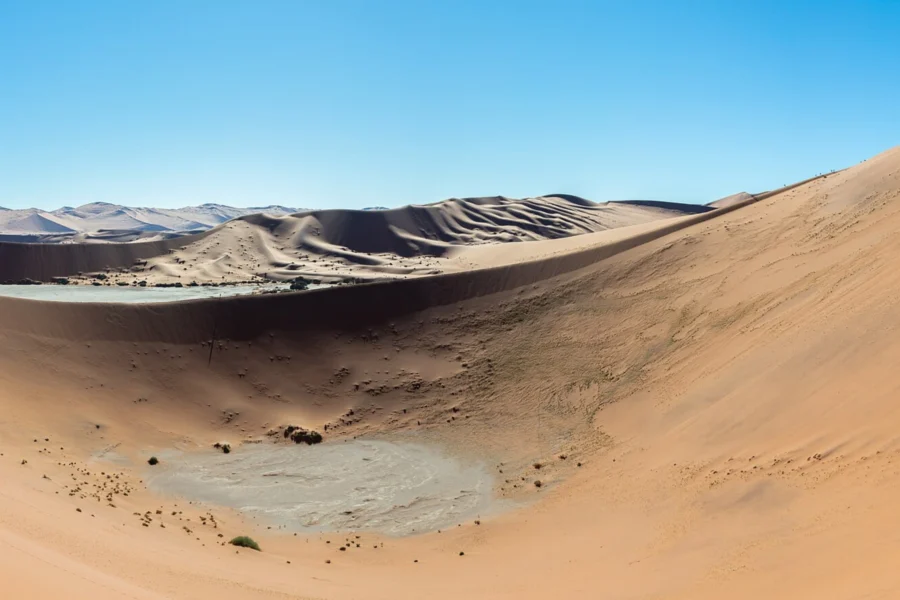 Namib-Naukluft and Sossusvlei for Birders: Dune Lark, Desert Raptors and the Naukluft SpecialsA lark that lives on the dunes and nowhere else, Lappet-faced Vultures nesting in the desert, coursers on the gravel plains and the northern specials around the Naukluft cliffs, in one of Africa's largest parks.
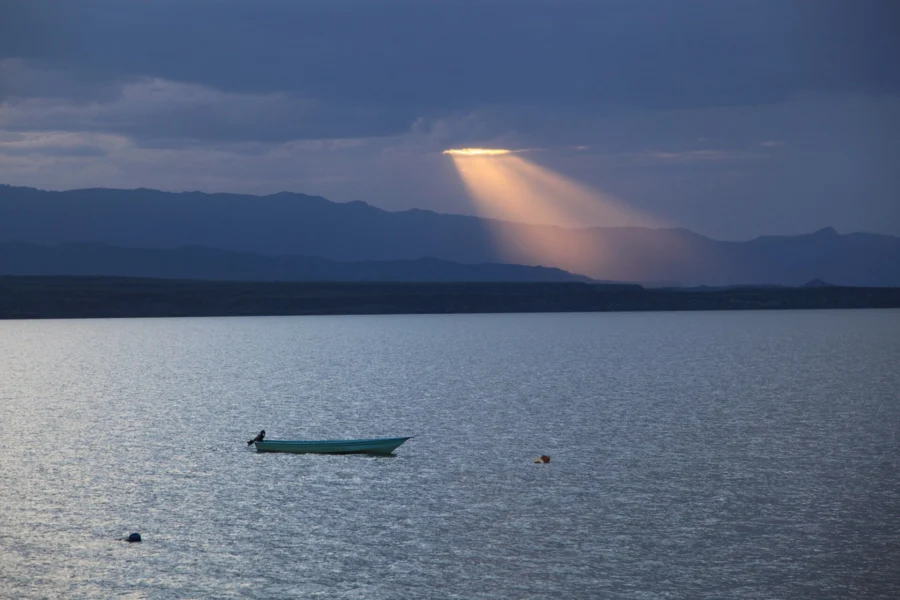 Lake Baringo and Lake Bogoria Birding: The Owl Walks, the Cliffs and the FlamingosA local guide who knows where every nightjar and eagle-owl slept last night, thorn scrub full of hornbills, a Goliath Heron colony on a rock, and the flamingo lake next door that keeps rising.
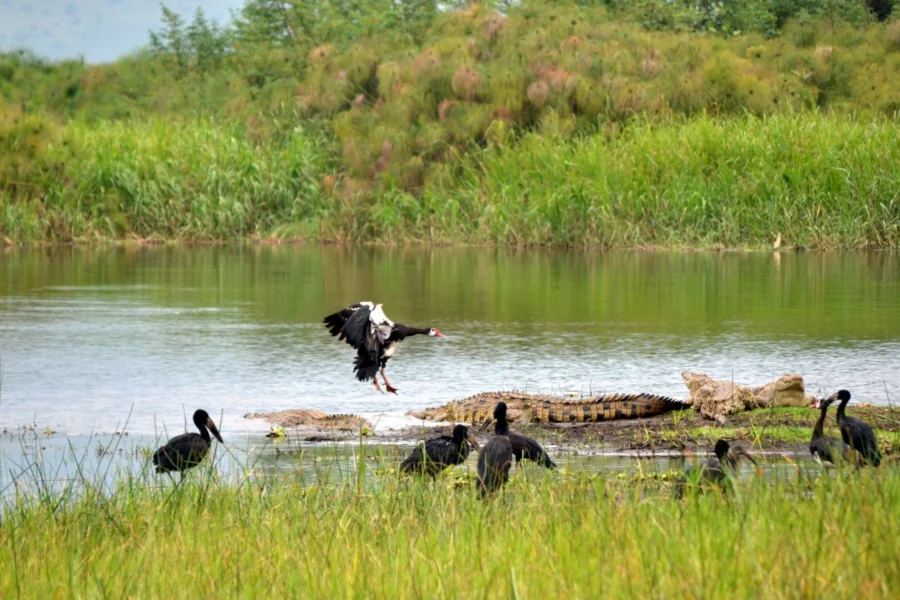 Akagera Birding: Rwanda’s Savanna, Lakes and Papyrus, and the Shoebill ChancesRed-faced Barbet in the southern woodland, Papyrus Gonolek and Carruthers's Cisticola in the swamps, a lake of hippos and lapwings, and a Shoebill that hides in the wetlands more than it shows.
The Pigeon Post
Every Thursday: 1 bird, 1 place to go and 1 place to stay, by email. Sign up and get our printable checklist of the 163 endemics of southern Africa.