
Wild Coast Birding: Forests, Estuaries and the Mangrove Kingfisher
Mangrove Kingfishers and Spotted Ground Thrushes check in to the coastal forests from September, Cape Vultures hold the Mtentu cliffs, cranes walk the grassland, and 4 places to stay between Mkambati and Morgan Bay.
In September, 2 birds that most South African birders struggle to find arrive in the forests of the Mtentu gorge, as if they had read the field guides and decided to be difficult somewhere scenic. BirdLife South Africa’s GoBirding guide to Mkhambathi Nature Reserve says Spotted Ground Thrush and Mangrove Kingfisher are both breeding visitors there between September and May, with small numbers staying all year. They are the reason to bird the Wild Coast, and the forests and estuaries between Port Edward and Kei Mouth are where to look.
GoBirding calls the old Transkei, from Kei Mouth to Port Edward, the least explored part of the Eastern Cape, and warns that a birding visit needs inside knowledge, planning and a level of self-reliance. Pack the patience. Its remnant coastal forests hold a set of localised and threatened species: Cape Parrot, Yellow-streaked Greenbul, Eastern Bronze-naped Pigeon, African Barred Owlet, Mangrove Kingfisher and Spotted Ground Thrush. Most are protected as state forests inside provincial reserves, and GoBirding names 4 sites of particular importance: Manubi State Forest, Hluleka, Dwesa-Cwebe and Mkhambathi.
Mkhambathi and the Mtentu gorge
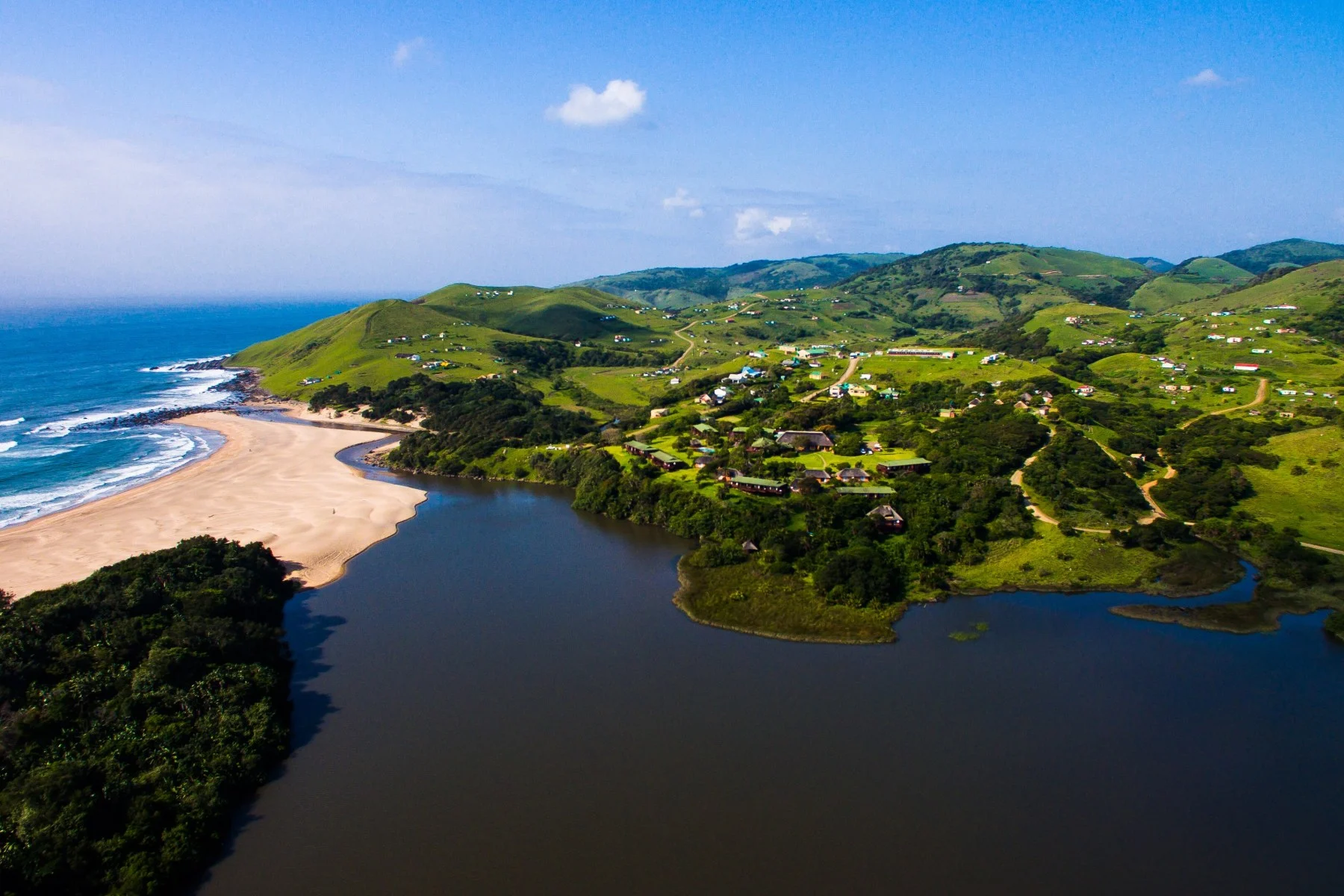
Mkhambathi, spelt Mkambati on many maps, is the northern anchor, about 180 km south of Durban. The reserve covers roughly 8,000 ha between the Mtentu River in the north and the Msikaba River in the south. The Mtentu has cut a forested gorge between sandstone cliffs that rise 300 m above the river, and about halfway up the gorge it falls over a cliff in a waterfall some 500 m wide, which rather upstages the birds for a moment.
The reserve is an Important Bird Area for its populations of Spotted Ground Thrush, Knysna Woodpecker and Buff-streaked Chat, and for its breeding Cape Vultures. GoBirding calls the Mtentu colony one of the largest left in the Eastern Cape and one of the few protected breeding sites for the species in the world. For the other cliffs where the species breeds, see Cape Vulture colonies you can visit.
The gorge forest has Yellow-streaked Greenbul, Chorister Robin-Chat, Brown Scrub Robin, Yellow-throated Woodland Warbler, Knysna Turaco and Knysna Woodpecker alongside the 2 summer specials. Up on the plateau, the grassland holds Wattled and Grey Crowned Cranes, Southern Ground Hornbill and Denham’s Bustard, Black-winged Lapwings often in large numbers among the Crowned Lapwings, and a few Gurney’s Sugarbirds in the scattered proteas. GoBirding adds Swamp Nightjar, Black-bellied Bustard, Little Bee-eater and African Wattled Lapwing as birds seen nearby, and lists African Grass Owl and Fan-tailed Grassbird among the key species.
The road network in the reserve is limited, so GoBirding says the best way to see it is on foot along the trails, and canoeing is allowed on the rivers, which is a fine way to arrive at a kingfisher. Getting in takes effort: the gravel road from Flagstaff, 70 km, is in poor condition and needs a high-clearance vehicle. There is no fuel or shop in the reserve and cellphone signal is limited to the gate. Inside, the Eastern Cape Parks and Tourism Agency runs a self-catering main lodge and a stone cottage. GweGwe Beach Lodge, also in the reserve, includes birding expeditions in its all-inclusive stays, gives more than 300 species for the reserve and names the Msikaba vulture colony on its birding page.
Port St Johns and the Mngazi
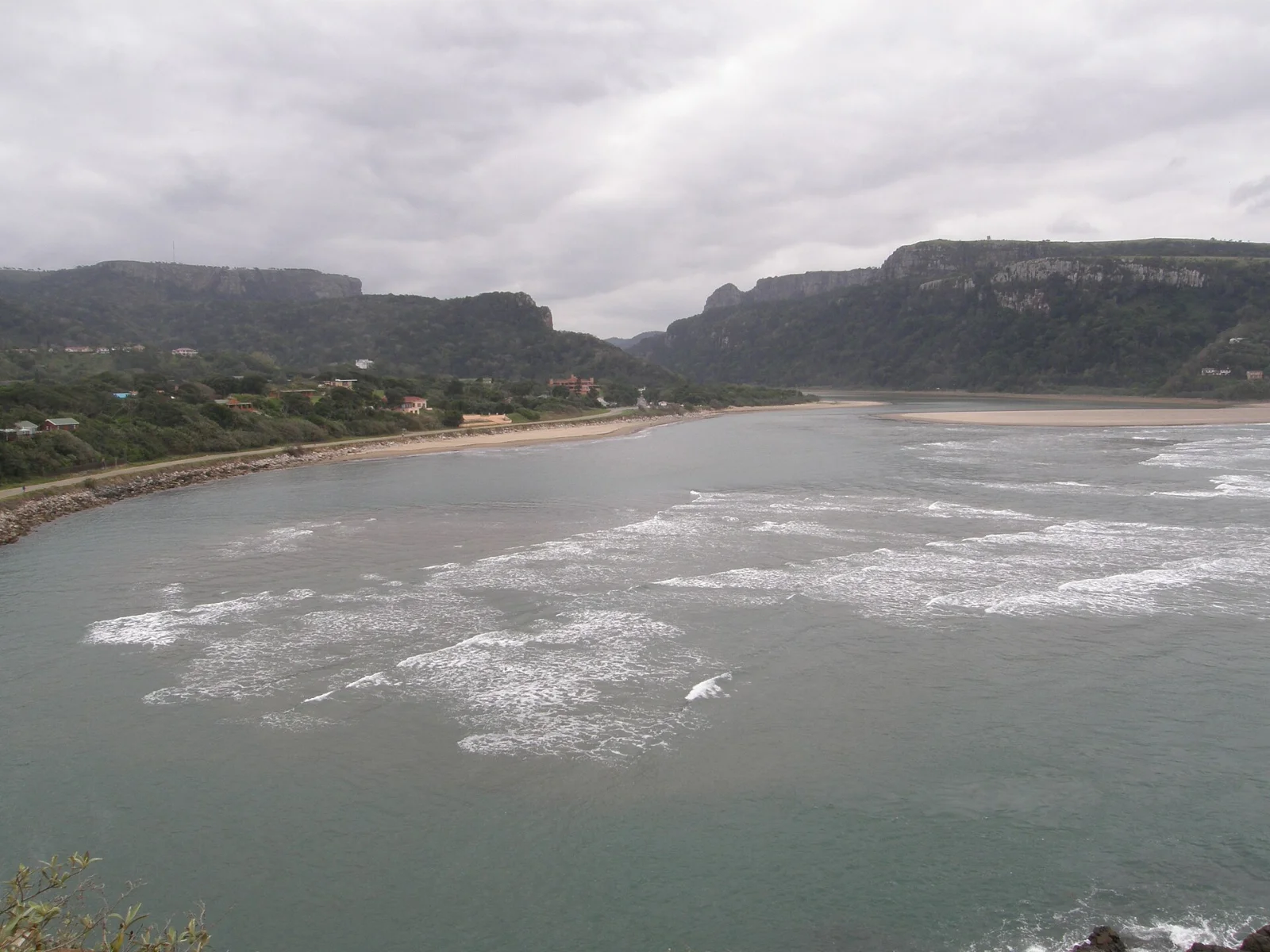
South of Mkhambathi, Port St Johns sits at the mouth of the Mzimvubu River. Umngazi Hotel and Spa has bungalows at the mouth of the Mngazi River nearby, about 100 km or 1 hour 45 minutes from Mthatha, with estuary, mangroves, indigenous forest and beach around it. It is the only one of the 4 Wild Coast stays here with bird guides on staff: guests can book a bird walk with Albert or Freedom, there is a boat cruise with a forest walk, and reception keeps a local checklist. Spotted Ground Thrush is the bird it names, a bold promise to put in writing.
Dwesa-Cwebe and the Mbashe
Further south, Dwesa-Cwebe is 2 adjoining reserves on either side of the Mbashe River, together an Important Bird Area of 5,740 ha. BirdLife International’s IBA factsheet says its coastal forest is vitally important for Spotted Ground Thrush, which breeds there, and that Red-necked Spurfowl and Lemon Dove are common on the forest floor and edge. Common, for a Lemon Dove, still means it will see you first.
Mazeppa Bay, Manubi Forest and the Qwaninga
About 180 km north of East London, the Mazeppa Bay area and Manubi State Forest hold roughly 300 species, and GoBirding calls the forests one of the most reliable sites in the Eastern Cape for both of the Wild Coast’s specials. It is pleasingly precise about where: Spotted Ground Thrush is best found in Manubi State Forest itself, and Mangrove Kingfisher along the Qwaninga River nearer Kob Inn. A 6 km hiking trail runs from Mazeppa Bay to Kob Inn, and a 17 km trail runs through the reserve.
The forest list here adds Square-tailed Drongo, Narina Trogon, Barratt’s and Knysna Warblers, Brown Scrub Robin, Chorister Robin-Chat, Knysna Woodpecker, Knysna Turaco, Blue-mantled Crested Flycatcher, Olive Sunbird and Dark-backed Weaver. African Finfoot and White-backed Night Heron both favour overhanging riverside vegetation, but GoBirding says they are scarce here and need dedicated searches, the birding equivalent of looking for keys under the sofa. On the coastal grassland, look for Yellow-throated Longclaw, Croaking Cisticola, Fan-tailed Grassbird, Black-winged Lapwing among the Crowned and Blacksmith Lapwings, and Grey Crowned Cranes in considerable numbers.
The road in, from the N2 at Butterworth, follows the Kentani road towards Wavecrest. Wavecrest itself is a hotel of 30 rooms and chalets on the Nxaxo estuary near Kentani, with its own birding notes for the estuary, the mangroves and the dune forest. Guests can paddle the quiet rivers by kayak to look for kingfishers, who will usually spot the kayak first, and the hotel names Mangrove Kingfisher, African Finfoot, White-backed Night Heron and Narina Trogon, with summer the time for the kingfisher.
Morgan Bay and the southern end
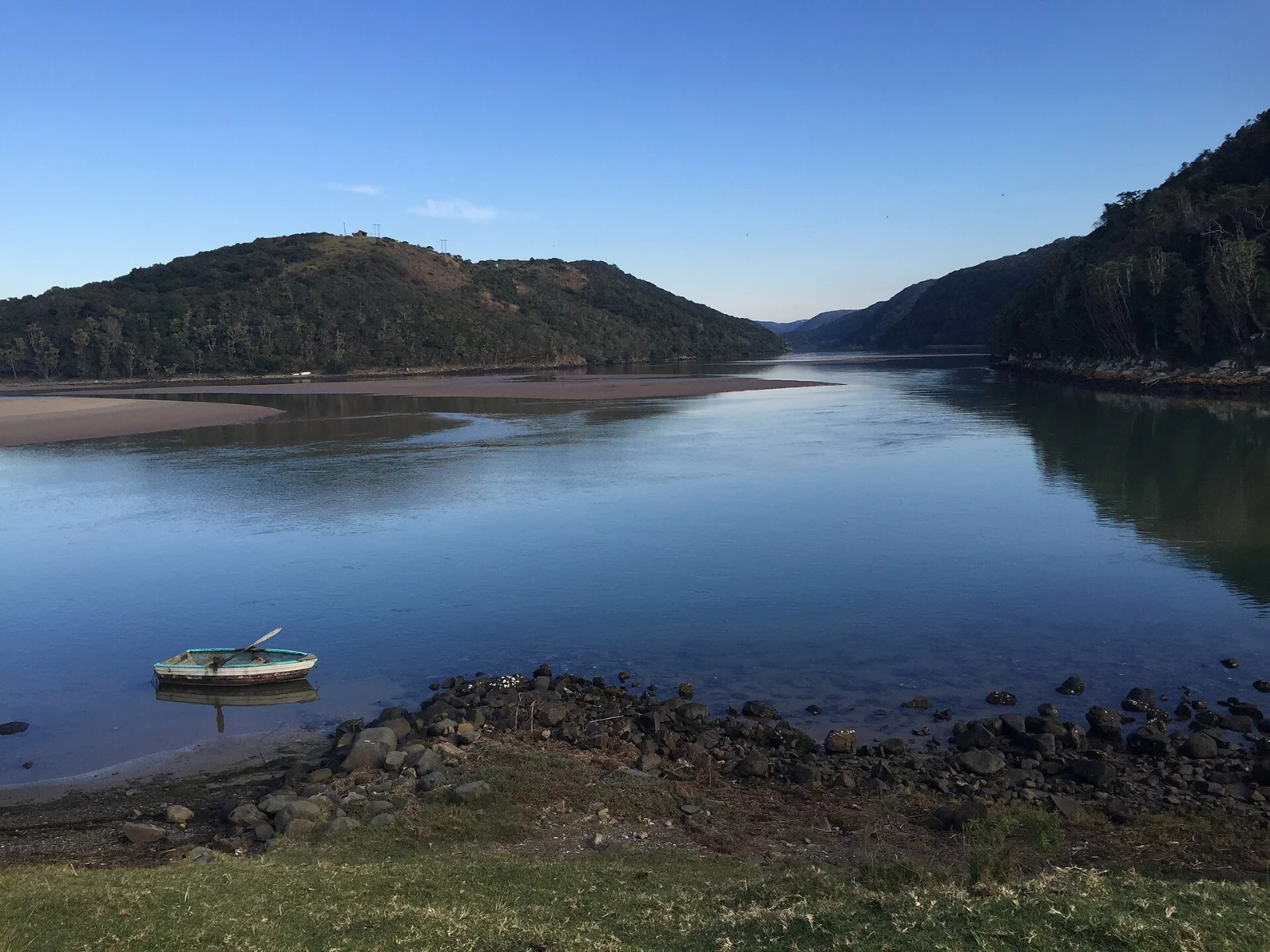
At Morgan Bay, south of Kei Mouth, Yellowwood Forest has campsites and self-catering accommodation in riverside forest on the Inchara River. It publishes its own checklist of 153 species, plenty to tick on a long weekend. Its Forest Trail runs through the riverside forest, where Narina Trogon lives and Mangrove Kingfisher turns up in season, and it also names African Finfoot, Half-collared Kingfisher and Lemon Dove. For a forest bird that is easier to hear than to see, the Narina Trogon guide explains how to track one by its call.
When to go and how to find the specials
The timing is set by the 2 specials, who keep a strict calendar. Both arrive to breed from September and stay until May, with small numbers present through the winter, so plan a visit inside that window. GoBirding’s advice at Kosi Bay, further north, applies here too: Mangrove Kingfisher is best found by its loud call, so learn it before you travel; it is not shy about using it. For the thrush, walk the forest trails slowly in the early morning. For the rest of the family, see Kingfishers of southern Africa.
Plan the logistics before the birds; the birds have done their planning already. At Mkhambathi the access road is poor gravel and there is no fuel, and GoBirding lists no local bird guides at Mkhambathi or Mazeppa Bay, which makes Umngazi’s guides the exception among these stays.
Where to stay
The places to stay on the Wild Coast, from north to south as they appear above:
| Place to stay | Where | For birders | From |
|---|---|---|---|
| GweGwe Beach Lodge | Mkambati Nature Reserve, Eastern Cape | Birding expeditions, 300+ species, Cape Vulture colony nearby | R3,825 pp, SADC guests, selected 2026 dates |
| Umngazi Hotel and Spa | Mngazi mouth, near Port St Johns | Bird guides on staff, Spotted Ground Thrush | R2,210 pp sharing, full board (2026 low season) |
| Wavecrest | Nxaxo estuary, near Kentani | Kayaking for kingfishers, Mangrove Kingfisher in summer | Ask the lodge |
| Yellowwood Forest | Inchara River, Morgan Bay | 153-species checklist, Forest Trail, Narina Trogon | Ask the lodge |
Roads, gate times and lodge details on the Wild Coast change, and some reserves have no fuel or shops. Facts were checked on 14 November 2026 with BirdLife South Africa’s GoBirding guides to Mkhambathi and to Mazeppa Bay and Manubi, BirdLife International’s Dwesa-Cwebe IBA factsheet and each listing on Birding Dispatch. Confirm access with the reserve or the lodge before you travel.
More from the Journal
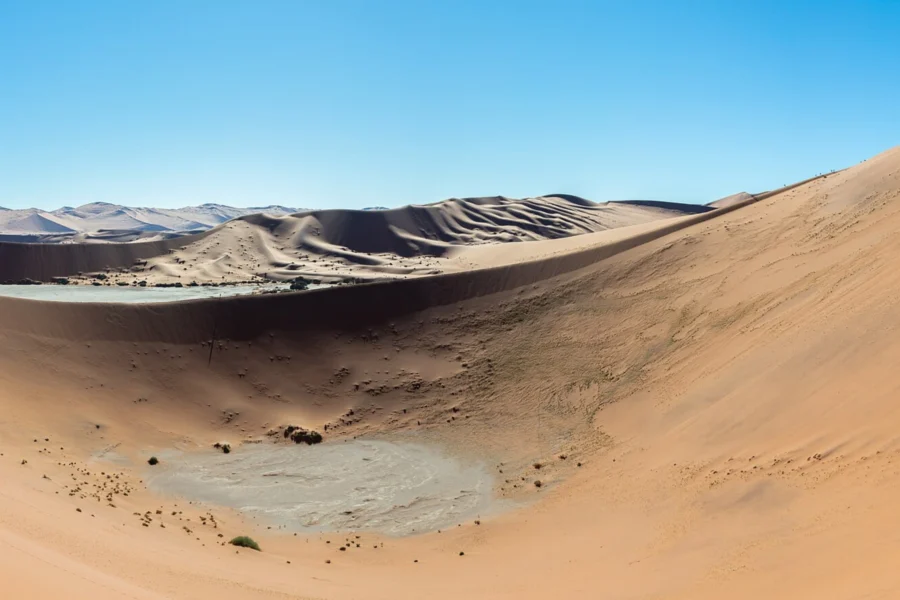 Namib-Naukluft and Sossusvlei for Birders: Dune Lark, Desert Raptors and the Naukluft SpecialsA lark that lives on the dunes and nowhere else, Lappet-faced Vultures nesting in the desert, coursers on the gravel plains and the northern specials around the Naukluft cliffs, in one of Africa's largest parks.
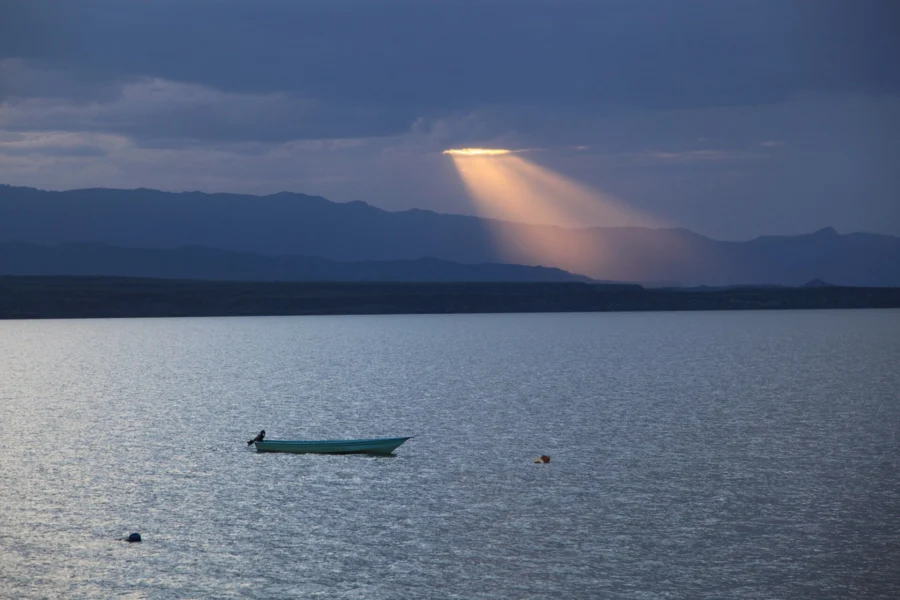 Lake Baringo and Lake Bogoria Birding: The Owl Walks, the Cliffs and the FlamingosA local guide who knows where every nightjar and eagle-owl slept last night, thorn scrub full of hornbills, a Goliath Heron colony on a rock, and the flamingo lake next door that keeps rising.
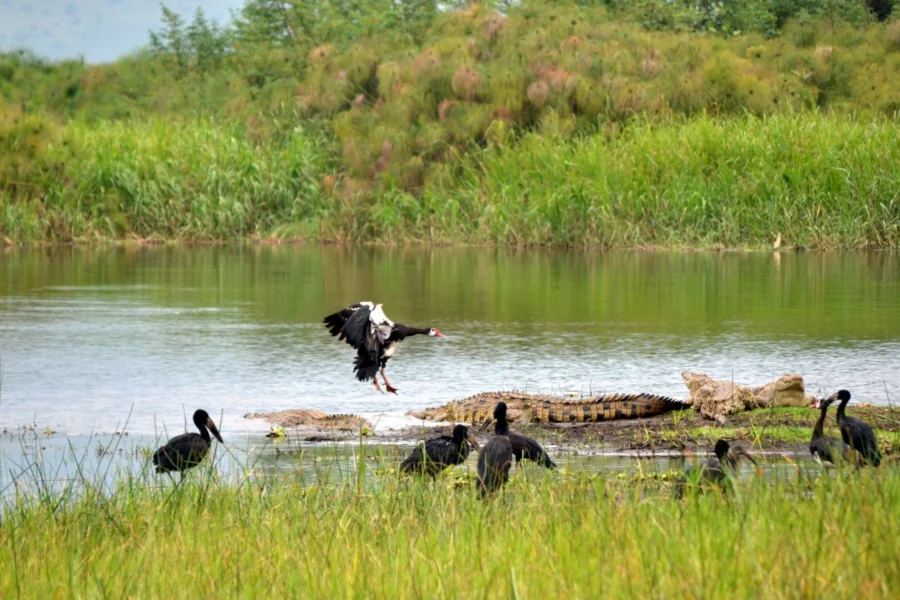 Akagera Birding: Rwanda’s Savanna, Lakes and Papyrus, and the Shoebill ChancesRed-faced Barbet in the southern woodland, Papyrus Gonolek and Carruthers's Cisticola in the swamps, a lake of hippos and lapwings, and a Shoebill that hides in the wetlands more than it shows.
The Pigeon Post
Every Thursday: 1 bird, 1 place to go and 1 place to stay, by email. Sign up and get our printable checklist of the 163 endemics of southern Africa.