
Where to See a Blue Crane: the Overberg, the Karoo, the Grasslands and the Farm Stays
South Africa's national bird has swapped wild grassland for wheat fields, and most of the world's population now farms the Overberg. Where to look, which months bring flocks, and crane-country stays.
The Blue Crane is South Africa’s national bird, and almost all of the world’s Blue Cranes live in the country. The International Crane Foundation puts more than 99% of the population inside South Africa, with a small, separate group in and around Etosha Pan in Namibia. BirdLife South Africa’s 2025 Red Data Book says the Namibian count has been under 50 birds every year since 2007.
What surprises first-time visitors is where most of the South African birds are. The species is a dry grassland bird by nature, but the Red Data Book estimates that about 61% of the national population now lives in the wheat and pasture lands of the Western Cape, about 31% in the Karoo and only about 8% in the eastern grasslands. Drive the farm roads of the Overberg and you will almost certainly see one, probably standing in a wheat field as if it owned the place.
Where the birds are
| Region | Estimated birds | Best months | Where to stay |
|---|---|---|---|
| Overberg wheatbelt | 25,458 (2018 aerial survey) | All year; flocks in winter | Tides River, Melozhori, Benguela Cove |
| Swartland and West Coast | 6,072 (2018) | All year | Bartholomeus Klip, !Khwa ttu, Quagga River |
| Karoo | About 16,464 (extrapolated) | Summer breeding | Ganora, Inverdoorn, Kwandwe |
| Eastern grasslands (KZN, Mpumalanga) | About 4,000 | All year | Gartmore, Greystone, The Wetlands |
The figures are from the Red Data Book, which adds them up to about 51,000 Blue Cranes in South Africa, within a range of 34,000 to 68,000.
How to know one
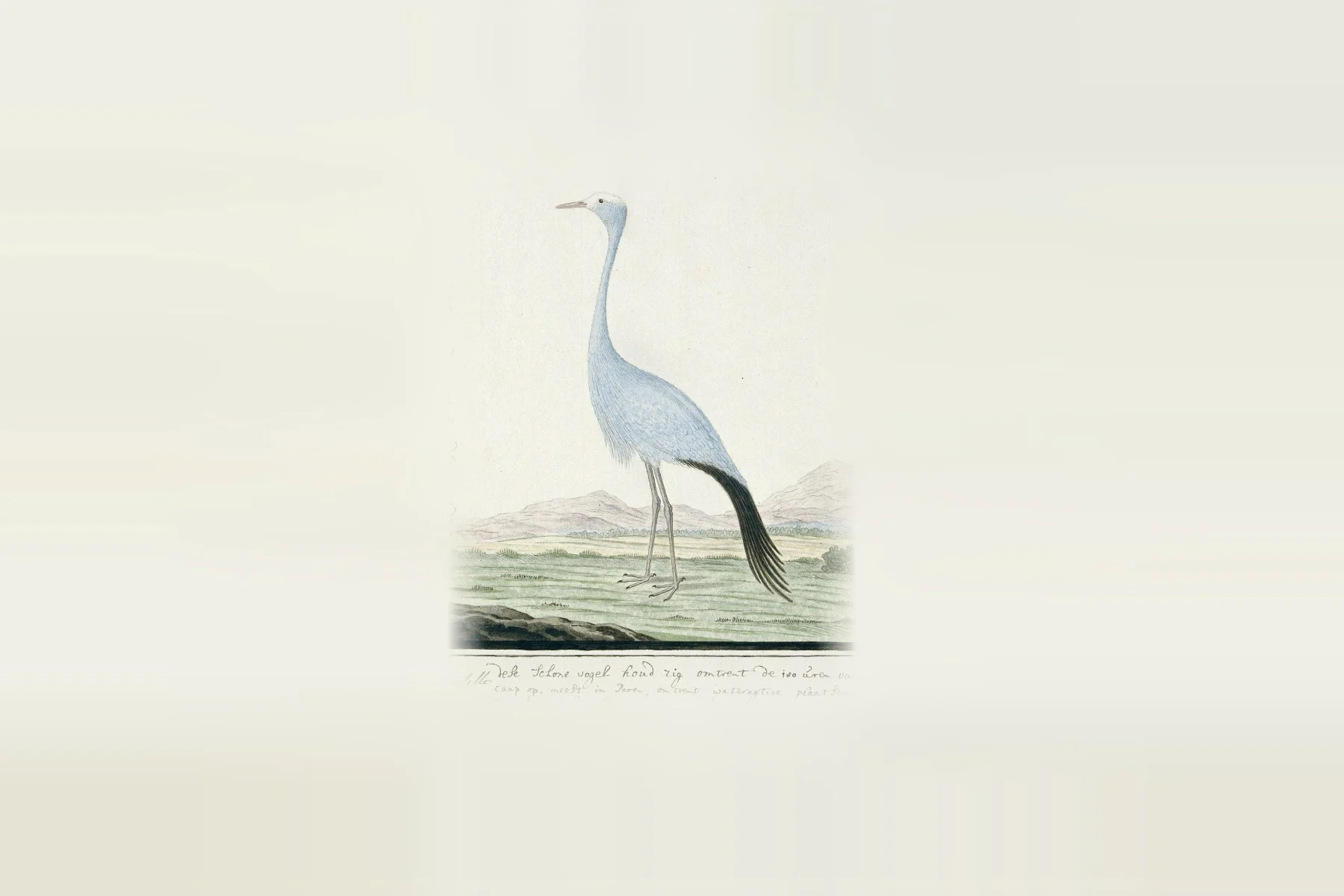
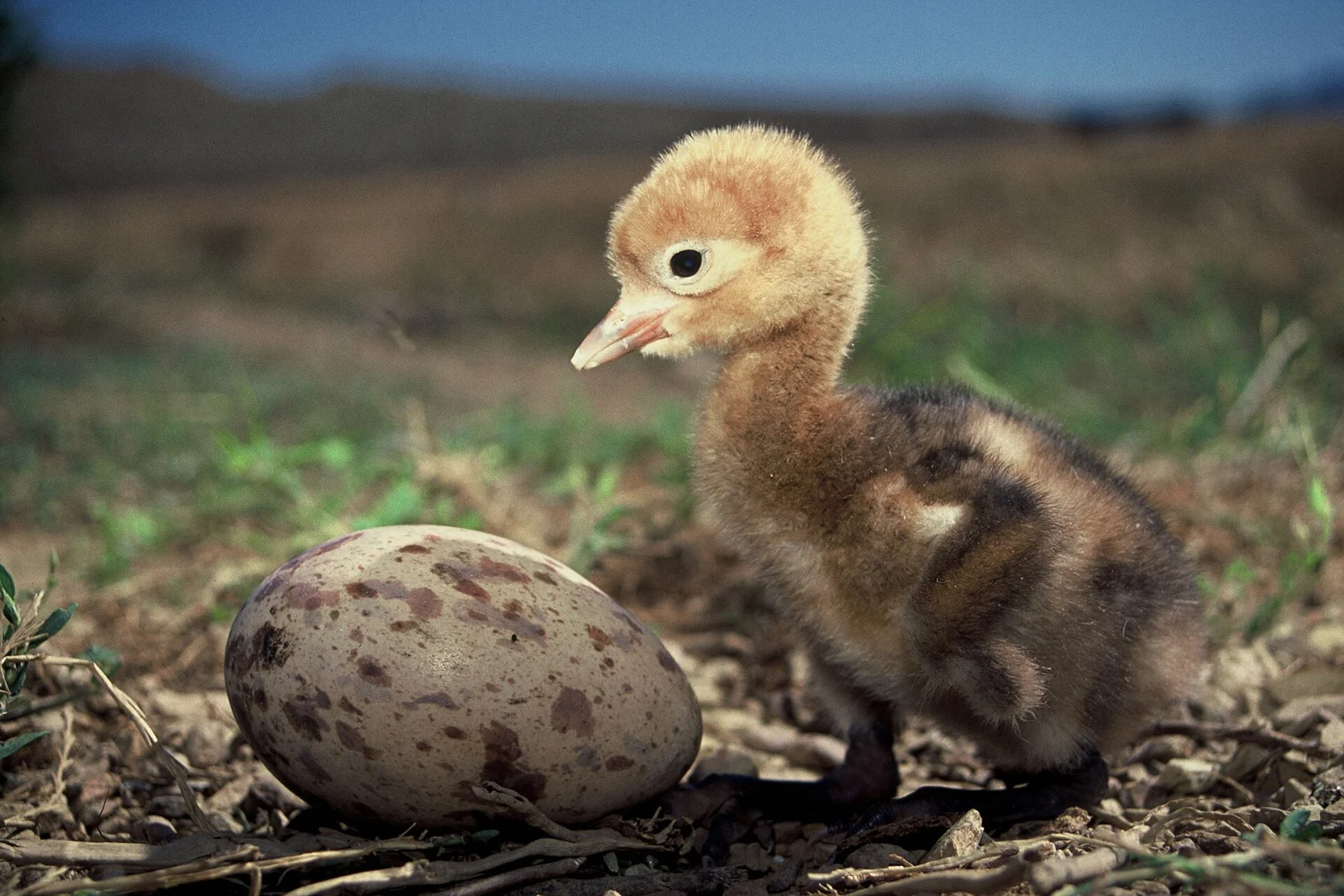
The Red Data Book describes a tall, stately bird of about 110 cm, silvery blue-grey all over, darker on the upper neck and head, with a pale crown and long blackish tertial feathers that trail behind it like a train. It is a bird permanently dressed for a wedding. The bill is short and pinkish. Juveniles are a slightly paler blue-grey and lack the long tertials until about a year after fledging. Grey Crowned and Wattled Cranes share fields with it in KwaZulu-Natal and Mpumalanga, and neither has the plain grey head and trailing plumes; the Grey Crowned brings a hairdo and the Wattled brings wattles. The International Crane Foundation has recordings of the soft contact call, the sharp guard call and the pair’s unison duet.
The Overberg: the stronghold
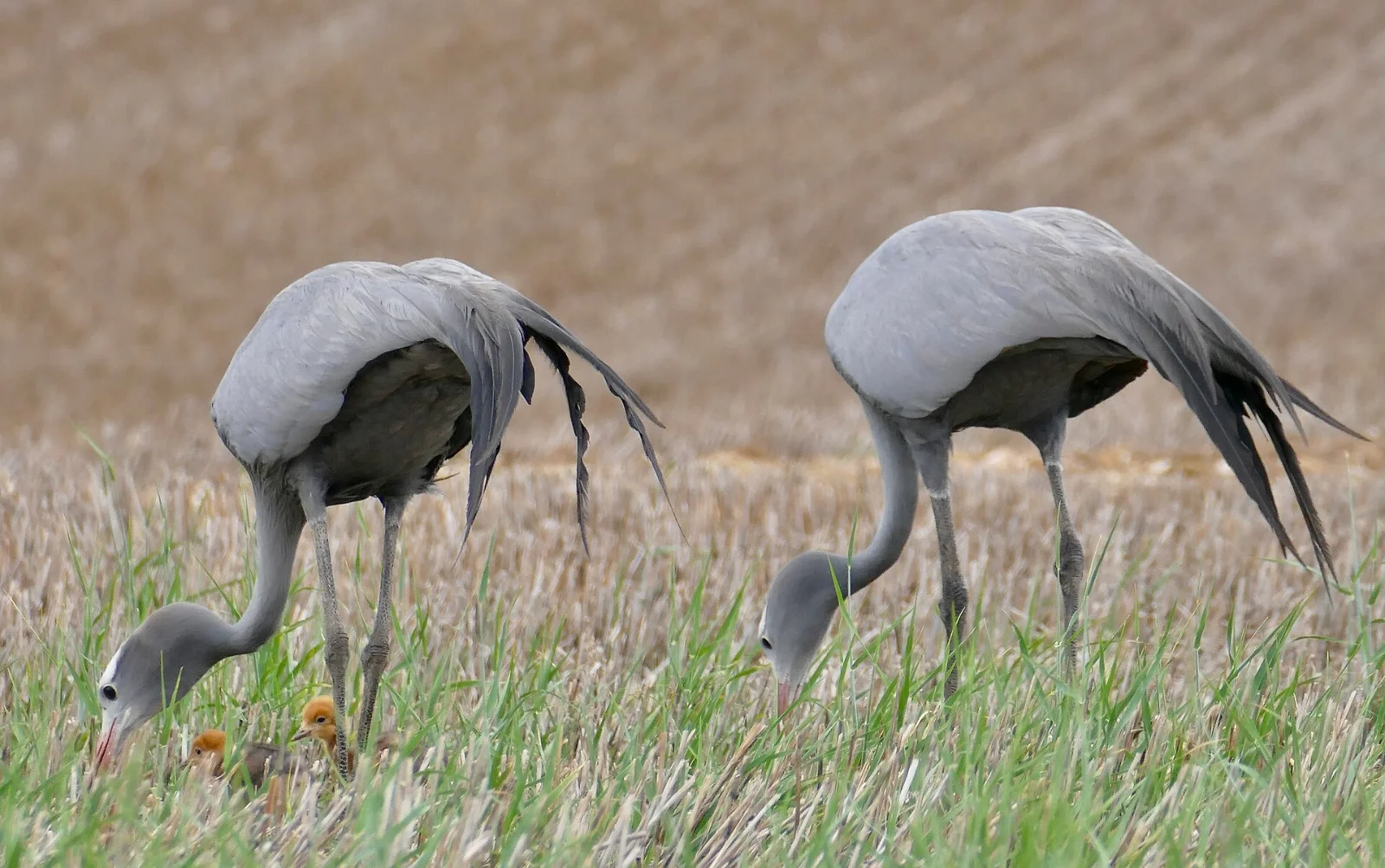
BirdLife International’s factsheet for the Overberg Wheatbelt Important Bird Area, which runs from Caledon to Riversdale and south to the coast between Hermanus and Stilbaai, calls it home to the largest Blue Crane population in the world. In winter, when pairs have finished breeding and join large loose flocks, it can hold nearly 20% of the global population. The cranes avoid natural fynbos here and live on cereal croplands and cultivated pastures. The national bird, in other words, has taken up farming.
South African Tourism’s advice is the right method: drive the smaller country roads by car, and use binoculars. It is birding at the pace of a tractor. Breeding pairs with young are on the open fields in spring and summer, flocks gather in late summer, and in winter the birds wander in search of food. BirdLife South Africa’s GoBirding guide to De Mond Nature Reserve, written by CapeNature ecologist Kevin Shaw, says the gravel road to the reserve from the R316 between Bredasdorp and Arniston crosses farmland where Blue Crane, Stanley’s Bustard, Secretarybird and Agulhas Long-billed Lark are often seen.
The Overberg is also where the trouble is, and the numbers here are not cheerful. The Red Data Book moved the species from Near Threatened to Vulnerable in 2025, and its assessor, Christie Craig, found the national population had declined by 39% between 2010 and 2025, mainly in the Overberg. Road counts reported by the Overberg Crane Group, the Endangered Wildlife Trust and the International Crane Foundation show a 44% fall in the Overberg between 2011 and 2025, after a 261% rise between 1994 and 2010. A 2026 study from the University of Cape Town’s FitzPatrick Institute found that pairs in the Overberg and Swartland wheatlands raise about half as many fledglings per breeding attempt as pairs in the Karoo and grasslands, and that juveniles made up only about 4% of Overberg winter flocks between 2019 and 2021.
Places to stay in the Overberg
Tides River Lodge at Malgas on the Breede River names Blue Crane, Cape Vulture and Osprey, and has a birdwatching lapa at one of its units. Inland near Stormsvlei, Melozhori Private Game Reserve Lodge names Blue Crane and Black Harrier and publishes a list of more than 129 species; it is sold for exclusive use from R55,000 a night for the first 4 guests, from 1 September to 19 December 2026. The cranes outside stay free.
On the coast, Benguela Cove Lagoon Wine Estate on the Bot River Lagoon is BirdLife Recommended, reports 86 species for the estuary and names Blue Crane among them. Near Gansbaai, Farm 215 Nature Retreat names Blue Crane, Cape Sugarbird and Cape Eagle Owl, and Whale Huys, a BirdLife Recommended self-catering villa for 8 at De Kelders, names Blue Crane too.
East of the wheatbelt, Garden Route Game Lodge near Albertinia has a hide, a birding trail and 150 recorded species, with Blue Crane on its list. Gondwana Game Reserve, off the R327 near Herbertsdale, names Blue Crane, Black Harrier and Orange-breasted Sunbird and offers guided fynbos walks.
The Swartland and the West Coast
The Red Data Book estimates about 6,000 Blue Cranes in the Swartland wheatlands north of Cape Town, and says the range has expanded along the west coast, so at least something is going the cranes’ way. Bartholomeus Klip, in the Elandsberg Nature Reserve at Hermon, is BirdLife Recommended, gives 150 species, names Blue Crane and Verreaux’s Eagle, and runs guided nature drives. The farmhouse costs from R4,650 per person sharing a night, full board, for South African residents from April to October 2027.
On the R27 near Yzerfontein, !Khwa ttu keeps a bird checklist at reception and has a hide about 450 m along the Eland’s Trail, with Blue Crane, Cape Francolin and Ostrich among the birds it names. Further north at Velddrif, Quagga River Lodge on the Berg River gives more than 200 species for the area and a free PDF bird guide, and names Blue Crane alongside Greater Flamingo and African Black Oystercatcher, a line-up that covers most of the colour chart.
The Karoo
The Karoo is the species’ natural dry habitat, and the Red Data Book says the birds there use shrubby grassland and, more and more, irrigated lucerne. A roost on a farm dam is the place to wait at dusk; Blue Cranes normally roost in wetlands or shallow dams, standing in the water all night like it is the sensible thing to do. Numbers are falling here too, by 51% between 2009 and 2024 according to one road-count study cited by the Red Data Book.
Ganora Guest Farm, about 7 km outside Nieu-Bethesda, says Blue Crane and Verreaux’s Eagle nest on the farm, and has 182 recorded species and 5 trails, so the national bird has distinguished neighbours. On the edge of the Tankwa Karoo near Ceres, Inverdoorn Private Game Reserve runs birding drives with a ranger, booked at reception, and lists Blue Crane among its specials; lodge rooms cost from R4,425 per person sharing, full board, from 1 May to 31 October 2026. For the rest of the region, see the Karoo birding guide.
In the Eastern Cape, Kwandwe Great Fish River Lodge has 315 recorded species including Blue Crane and arranges specialist birding safaris, from R19,400 per person sharing a night, fully inclusive. RiverBend Lodge, on a concession in Addo Elephant National Park, is BirdLife Recommended, has a hide and 300 recorded species, and books specialist birding drives; bed and breakfast costs from R5,800 per person sharing from May to September 2027.
The eastern grasslands
The grassland birds are the smallest group, oddly enough in the habitat the species was built for, about 4,000 by the Red Data Book’s estimate, with 1,963 in KwaZulu-Natal in the 2021 aerial survey. Range loss between the 2 bird atlas projects was mostly in the grasslands, in the Free State and North West in particular.
In Mpumalanga, Greystone Lodge, between Dullstroom and Belfast off the R540, is BirdLife Recommended, says Blue Cranes breed on the property and keeps a 94-species sightings list; a 1-bedroom chalet costs from R1,200 a night on weekdays in 2026. Doornkop Fish & Wildlife Reserve, off the R36 between Carolina and Machadodorp, is BirdLife Recommended with a checklist of more than 200 species, and chalets start at R1,068 a night on a 4-night midweek stay. Elands Valley Stone Lodge near Dullstroom names all 3 cranes, the full set. The Dullstroom grassland guide has the farm routes.
At Wakkerstroom, The Wetlands Country House & Sheds overlooks Martins Dam, is BirdLife Recommended and sends guests to the vlei hides, and DeKotzenhof in the village has 4 public wetland hides within walking distance and names Blue Crane. See the Wakkerstroom larks guide for the rest of the grassland list.
In the KwaZulu-Natal Midlands, Gartmore Guest Farm in the Karkloof Valley has the Karkloof Conservancy hides on its wetlands, walkable from the cottages, and names all 3 cranes; cottages start at R1,250 a night. Rockwood Forest Lodge, 17 km from Howick, and Tillietudlem Nature Reserve in the Upper Dargle, with its hide and viewing platform, also name Blue, Grey Crowned and Wattled Crane. The Wattled Crane guide covers the Karkloof roost.
When to go
Blue Cranes are resident, so any month works; they have no plans to go anywhere. Winter, roughly May to August, is the time for the big Overberg flocks. Spring and summer are the breeding months, and the Red Data Book says Overberg nesting coincides with the wheat harvest from October to December, when pairs in harvested fields can lose eggs to combines and balers.
Watching without harm
Almost all Blue Cranes live on private farmland, so stay on public roads, stop where you can pull right off, and ask before going through a farm gate. The cranes live on someone’s farm, and so does the farmer. Keep well back from a pair standing in a field in spring or summer; a pair that will not leave one spot may have a nest or a chick that cannot yet fly. The Red Data Book lists powerline collisions, fence entanglements, drowning in water troughs and poisoning as the main threats. If you find an injured or dead crane in the Western Cape, report it to CapeNature or the Overberg Crane Group.
Where to stay
The places in this guide, with what each offers a birder:
| Place to stay | Where | For birders | From |
|---|---|---|---|
| Tides River Lodge | Malgas, Western Cape | Birdwatching lapa at 1 unit, Blue Crane | Ask the lodge |
| Melozhori Private Game Reserve Lodge | Near Stormsvlei, Western Cape | 129+ species list, Blue Crane, Black Harrier | R55,000 for the first 4 guests, exclusive use |
| Benguela Cove Lagoon Wine Estate | Bot River Lagoon, Western Cape | BirdLife Recommended, 86 species, lagoon eco-cruise | Ask the lodge |
| Farm 215 Nature Retreat | Near Gansbaai, Western Cape | Blue Crane, Cape Sugarbird, Cape Eagle Owl | Ask the lodge |
| Whale Huys | De Kelders, Western Cape | BirdLife Recommended, Blue Crane, Stanley’s Bustard | Ask the lodge |
| Garden Route Game Lodge | Near Albertinia, Western Cape | Hide, birding trail, 150 species | R3,350 pp sharing, B&B (expired early-2026 rate) |
| Gondwana Game Reserve | Near Herbertsdale, Western Cape | Guided fynbos walks, Blue Crane, Black Harrier | Ask the lodge |
| Bartholomeus Klip | Hermon, Western Cape | BirdLife Recommended, 150 species, guided nature drives | R4,650 pp sharing, full board (SA residents) |
| !Khwa ttu | Yzerfontein, Western Cape | Hide on the Eland’s Trail, checklist, Blue Crane | Ask the lodge |
| Quagga River Lodge | Velddrif, Western Cape | 200+ species, free bird guide, Blue Crane | Ask the lodge |
| Ganora Guest Farm | Near Nieu-Bethesda, Eastern Cape | Blue Crane and Verreaux’s Eagle nest, 182 species | Ask the lodge |
| Inverdoorn Private Game Reserve | Near Ceres, Western Cape | Ranger-led birding drives, Blue Crane | R4,425 pp sharing, full board (expired 2026 rate) |
| Kwandwe Great Fish River Lodge | Kwandwe, Eastern Cape | 315 species, specialist birding safaris | R19,400 pp sharing, fully inclusive |
| RiverBend Lodge | Addo, Eastern Cape | BirdLife Recommended, hide, 300 species, birding drives | R5,800 pp sharing B&B (2027) |
| Greystone Lodge | Between Dullstroom and Belfast, Mpumalanga | BirdLife Recommended, breeding Blue Cranes, 94-species list | R1,200 a chalet (weekdays) |
| Doornkop Fish & Wildlife Reserve | Near Carolina, Mpumalanga | BirdLife Recommended, 200+ species checklist | R1,068 a chalet (4-night midweek stay) |
| Elands Valley Stone Lodge | Near Dullstroom, Mpumalanga | All 3 cranes, 200+ species list | Ask the lodge |
| The Wetlands Country House & Sheds | Wakkerstroom, Mpumalanga | BirdLife Recommended, overlooks Martins Dam, vlei hides nearby | Ask the lodge |
| DeKotzenhof | Wakkerstroom, Mpumalanga | 4 public wetland hides within walking distance | Ask the lodge |
| Gartmore Guest Farm | Karkloof, KwaZulu-Natal | Karkloof Conservancy hides, all 3 cranes | R1,250 a cottage |
| Rockwood Forest Lodge | Near Howick, KwaZulu-Natal | BirdLife Recommended, all 3 cranes, Cape Parrot | Ask the lodge |
| Tillietudlem Nature Reserve | Upper Dargle, KwaZulu-Natal | Hide and viewing platform, all 3 cranes | Ask the lodge |
Population figures come from surveys and road counts and change with each one. Facts were checked on 13 November 2026 with BirdLife South Africa’s 2025 Red Data Book, BirdLife International, the International Crane Foundation, the University of Cape Town, Mongabay, South African Tourism, GoBirding and each stay’s Birding Dispatch listing. Confirm rates and access with the stay before you book.
More from the Journal
 Woodpeckers of Southern Africa, Including the One That Doesn’t Need TreesSouthern Africa's woodpeckers, from the Cardinal in every bushveld tree to the Ground Woodpecker that lives on treeless mountain slopes and eats almost nothing but ants.
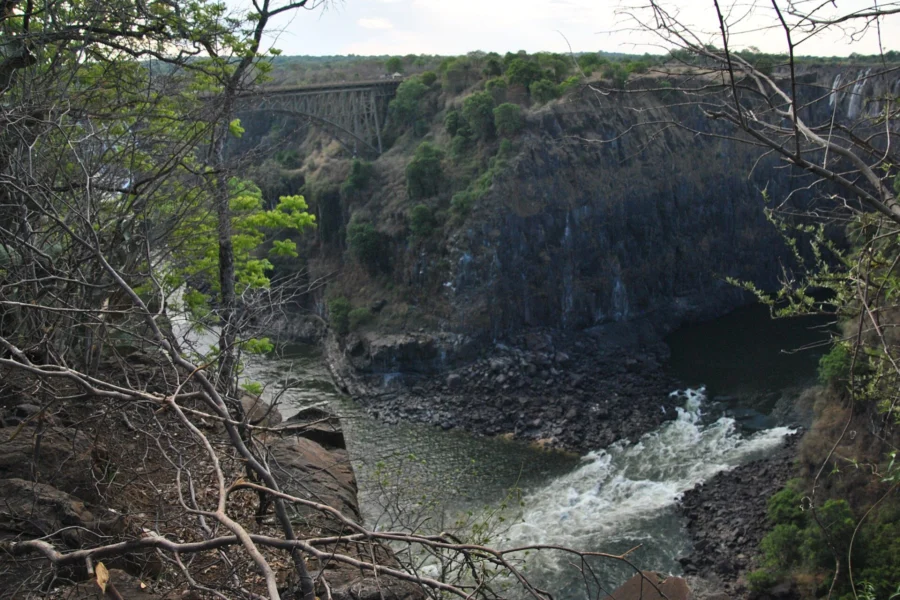 Where to See a Taita Falcon: the Strijdom Tunnel, the Blyde Cliffs and the Batoka GorgeA stocky falcon smaller than a pigeon, a handful of cliffs and surveys that keep coming back empty. Where it still nests, how to look, and the 2 roosts beside its cliffs.
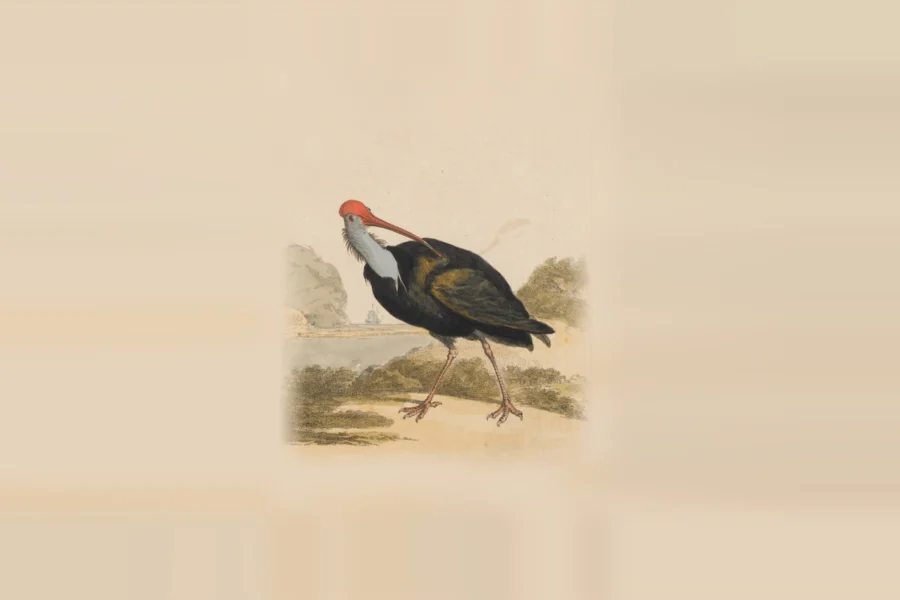 Where to See a Southern Bald Ibis: the Breeding Cliffs, Dullstroom, Wakkerstroom and LesothoA red-capped grassland ibis that nests on cliffs over waterfalls and feeds on burnt veld and maize stubble. The colonies you can watch, the fields to scan, and where to stay.
The Pigeon Post
Every Thursday: 1 bird, 1 place to go and 1 place to stay, by email. Sign up and get our printable checklist of the 163 endemics of southern Africa.