
The Hamerkop: the Bird With the Biggest Nest, and Where to See One
A brown waterbird of about half a kilogram builds a stick nest up to 2 m across, and at least 20 other bird species move in. Its habits, folklore and where to find one.
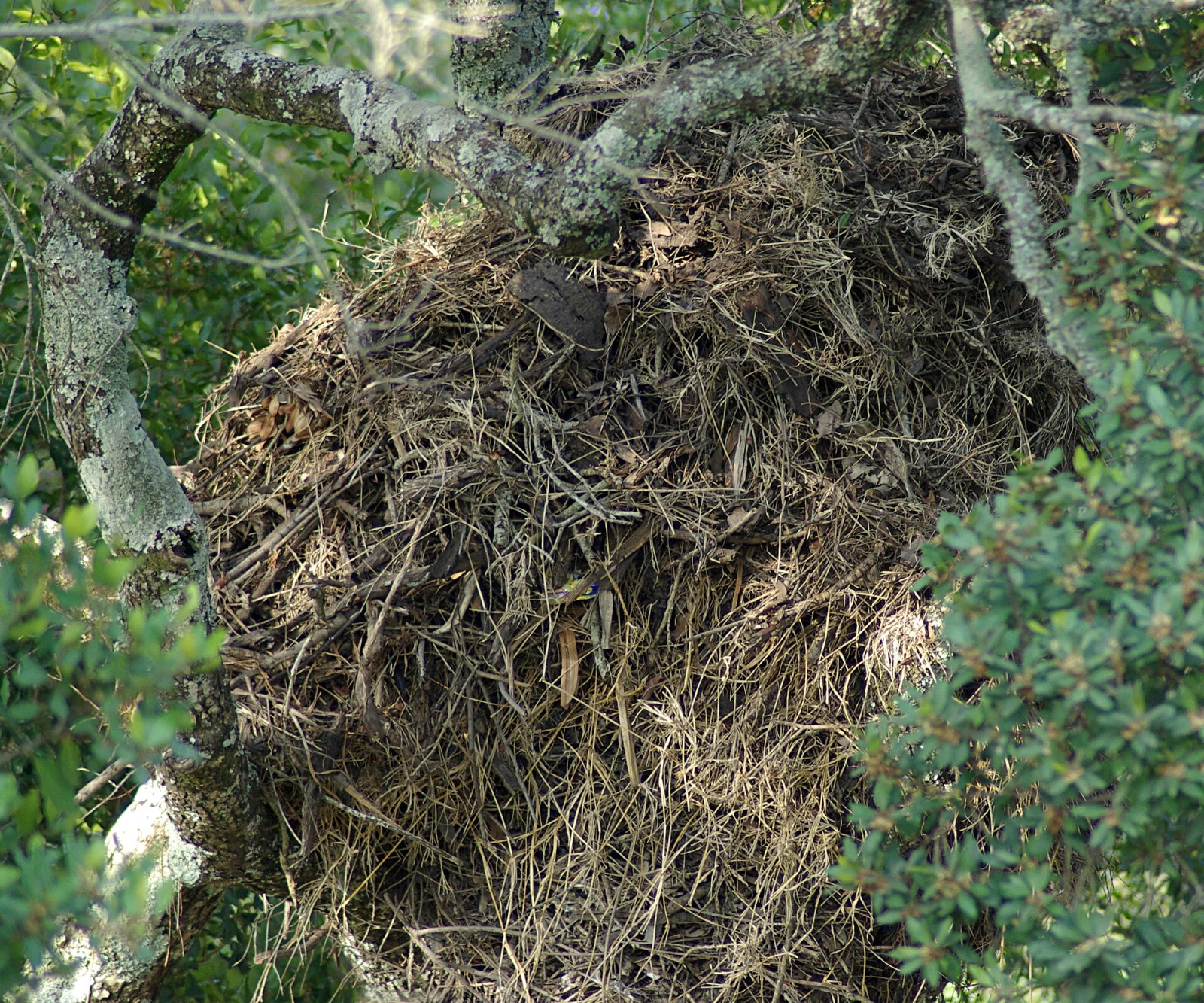
A Hamerkop weighs about half a kilogram and builds a house 2 m high and 2 m across. That is roughly a person living in a block of flats they put up themselves, with one small front door in the side and no planning permission. The house is a domed heap of sticks wedged into a sturdy tree or on a cliff ledge. SANBI’s species account gives a female at about 470 g, a male at about 530 g, and either one at about 50 cm tall. A review published in African Zoology in 2023 calls the result one of the largest nests built by any bird in the world.
It is also the bird on the Birding Dispatch logo, so allow for a little bias in what follows. It lives on dams, rivers and wetlands with trees nearby from the Western Cape to south-west Arabia.
A family of its own
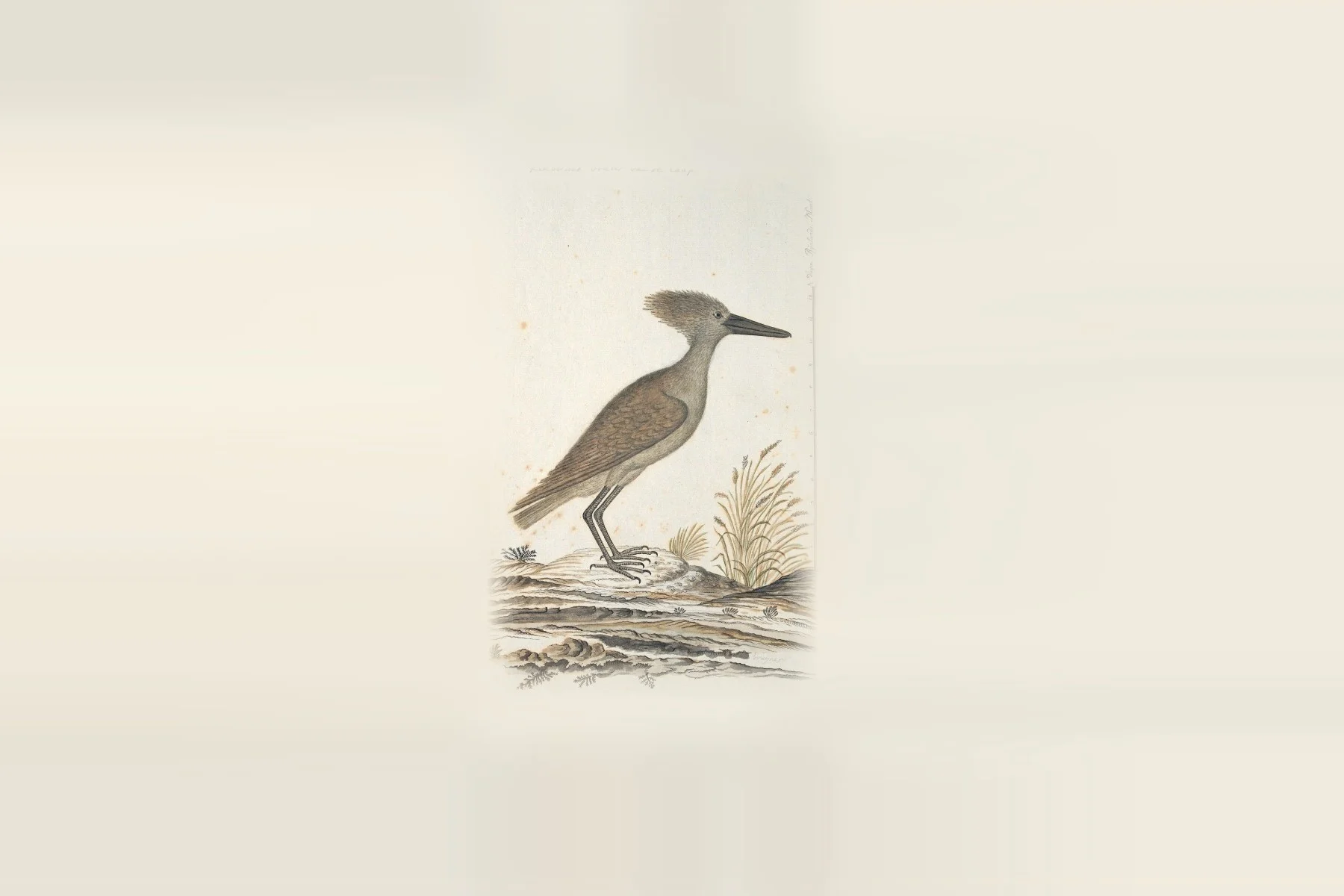
SANBI describes the Hamerkop as a dusky brown, heron-shaped bird with long legs, a heavy crest and a flattened, boat-shaped black bill. Seen side on, the crest and bill together make the head look like a hammer, which is where the name comes from: hamerkop is Afrikaans for hammerhead, and English took it over. The scientific name, Scopus umbretta, has a Latin species name meaning shade, which may refer to the dusky colour or to the umbrella-like head.
It looks like a heron and one of its English names is hammerhead stork, but it is neither: SANBI places it as the only member of its own family, the Scopidae. In isiZulu it is uThekwane, in Setswana mmamasiloanoka, in isiXhosa ughimngqushe and in Xitsonga mandozwana.
In flight the neck is half drawn back, and the large wings and head on a small body give it what SANBI calls an owl-like look. It is noisy. Single birds give a plaintive keep in flight, and groups break into a loud yip-purr chorus with bowing, wing-flapping and false mountings, sometimes with one bird standing on another’s back facing the wrong way. Pairs are monogamous, whatever the chorus suggests.
How it hunts
The Hamerkop lives beside water: marshes, mangroves and the edges of lakes, streams and rivers, usually with trees nearby, and it does not migrate. SANBI lists frogs and tadpoles as its main food, especially platannas, with small fish, small mammals and water insects. The bird’s range follows that of the platannas closely enough to suggest it depends on them, and the chicks are fed mainly on tadpoles.
SANBI lists a long run of hunting methods. It stands and waits at the edge, wades through shallows and mud, and shuffles its feet in shallow rapids to flush hidden prey. It flies low over the water and snatches food from the surface. It rides on the backs of hippos and hunts from them, follows cattle and buffalo for the grasshoppers they disturb, and trails banded mongooses near waterholes. Early in the morning, pairs and small groups walk the roads looking for frogs killed overnight: breakfast, courtesy of the traffic.
For a first sighting, a slow drive along a river road at dawn, or a stop at a dam wall, is a good place to start. Birders who know the herons will find our guide to herons and egrets of southern Africa useful for the birds it is most often confused with at a distance.
The nest, and the birds that move in
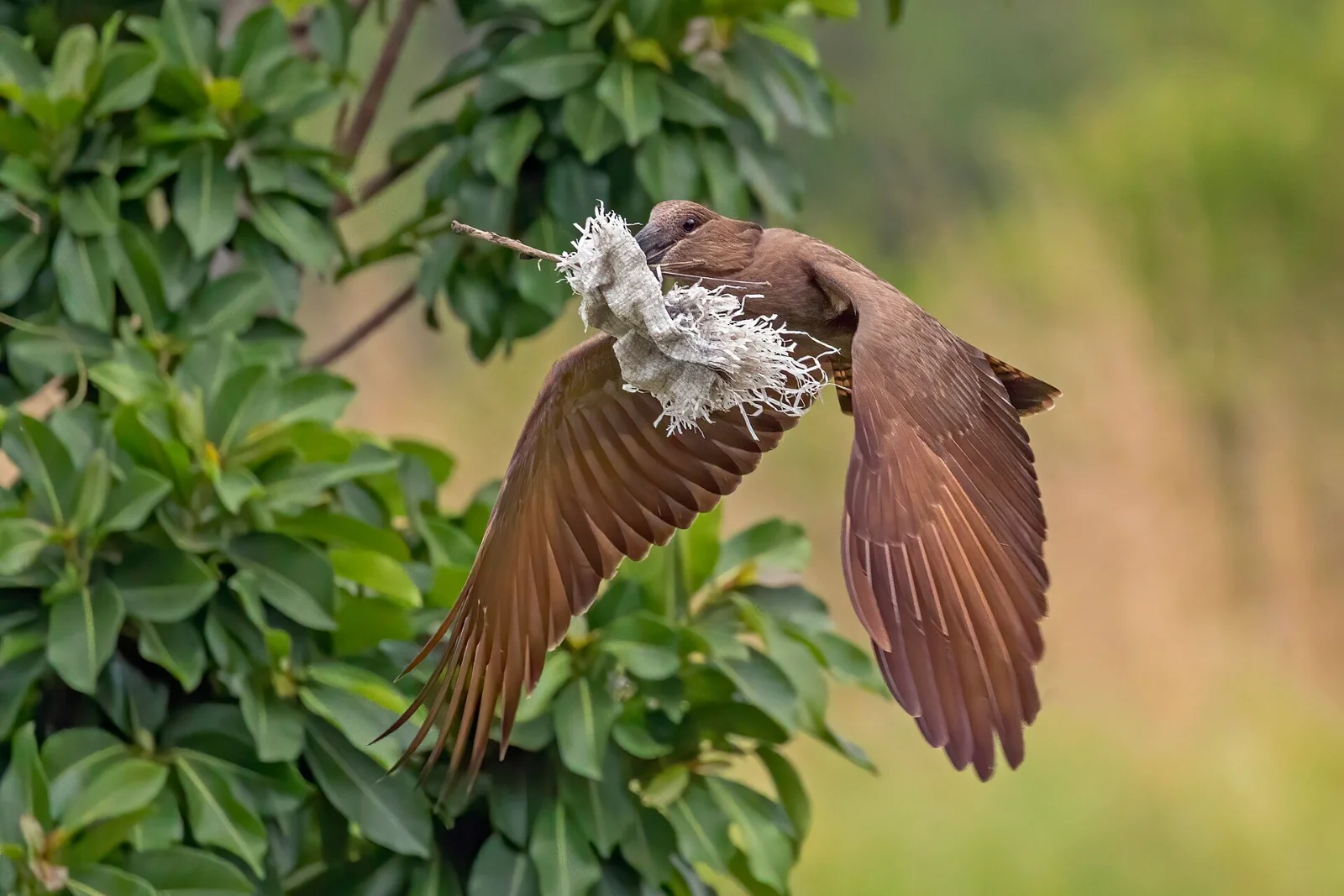
The pair builds the nest together and uses it for breeding. SANBI gives 3 to 9 eggs, with incubation usually starting once the third egg is laid. Eggs are seldom left alone, although nestlings may be left for long spells while the adults feed. An undisturbed nest may be used for up to 4 years in a row.
A structure that size is too useful for the neighbours to ignore, and the Hamerkop ends up as a landlord it never meant to be. Jonah Gula and Colleen Downs reviewed the published records and their own observations for African Zoology in 2023 and found at least 20 bird species using Hamerkop nests for breeding, in 18 African countries. The Barn Owl was the species most often reported. Of the species they list, 6 actively take nests from Hamerkop pairs, 9 nest inside the chamber and 8 build on top of the dome.
SANBI’s account fills in some of the names. Bees, Barn Owls and occasionally Dickinson’s Kestrels take over the inside, while Egyptian Geese and other ducks, and Verreaux’s Eagle-Owls, sometimes breed on top. Mammals use the nests too. The Barn Owl is not always a polite lodger: SANBI notes that Western Barn Owls prey on Hamerkop nestlings.
The lightning bird
A nest that size is part of the reason, SANBI suggests, that the Hamerkop is held in awe across much of its range. Some South African cultures see it as an ill omen, and it appears in Xhosa and other folklore, but that reputation has protected it: it is traditionally left alone.
In Zulu belief, SANBI’s account says, the bird has the power to burn. Anyone who harms or destroys a Hamerkop nest will see their own home burn down within a day, and uThekwane is respected by Zulu hunters as a result. It is also called the lightning bird, and the San of the Kalahari traditionally held that a person struck by lightning had tried to rob a Hamerkop’s nest. Few birds have better home security.
Where to see one
SANBI gives the range as south-west Arabia, most of tropical Africa and Madagascar, south to the Western Cape. The IUCN lists it as Least Concern. The threats SANBI names are poorer water quality in wetlands, from pesticides and sewage, and hunting for the traditional medicine trade in Nigeria.
It is not a fussy bird: any farm dam, slow river or wetland with trees nearby is worth a look, and a garden pond can draw one in, as our guide to attracting birds to your garden explains. The places to stay in the Birding Dispatch directory that name the Hamerkop cover 4 kinds of water.
In the KwaZulu-Natal Midlands, Copperleigh Trout Cottages overlooks Mavela Dam in the Dargle, and names Hamerkop with African Fish Eagle, Spur-winged Goose and Yellow-billed Duck on and around the water, as well as all 3 of South Africa’s cranes.
In Mpumalanga, Stonecutters Lodge, between Dullstroom and Mashishing near the Long Tom Pass, has a hide over a wetland on the property and a 3 km river meander to walk, and names Hamerkop with Purple Heron and Bald Ibis.
In the western Sabi Sand, Inyati Game Lodge is on the Sand River and publishes its own checklist, which includes Hamerkop along with African Finfoot and Half-collared Kingfisher.
In Limpopo, Chinaka Game Lodge, off the R521 at Vivo and about 60 km from Mapungubwe, publishes a list of 42 species that includes Hamerkop, and suggests watching from the deck as birds come to drink at the waterhole.
The bird has a following among competitive birders too: the team from Mpumalanga that won BirdLife South Africa’s Birding Big Day in 2025 is called Team Hamerkop. Our guide to Birding Big Day 2026 has the rules and the date.
Where to stay
The places in the directory that name the Hamerkop, with what each offers a birder:
| Place to stay | Where | For birders | From |
|---|---|---|---|
| Copperleigh Trout Cottages | Dargle, KwaZulu-Natal | Mavela Dam, Hamerkop, all 3 cranes | Ask the lodge |
| Stonecutters Lodge | Near Dullstroom, Mpumalanga | Wetland hide, 3 km river meander | R1,850 per studio, single, midweek (2026) |
| Inyati Game Lodge | Western Sabi Sand | Sand River, own checklist, African Finfoot | R16,500 pp sharing, fully inclusive (2026) |
| Chinaka Game Lodge | Vivo, Limpopo | Waterhole deck, 42-species list | Ask the lodge |
Rates change each season. Facts were checked on 14 November 2026 with SANBI’s Hamerkop species account, the 2023 African Zoology review by Gula and Downs, and each place’s listing on Birding Dispatch. Leave nests alone, occupied or not: other birds may be breeding inside.
More from the Journal
 Woodpeckers of Southern Africa, Including the One That Doesn’t Need TreesSouthern Africa's woodpeckers, from the Cardinal in every bushveld tree to the Ground Woodpecker that lives on treeless mountain slopes and eats almost nothing but ants.
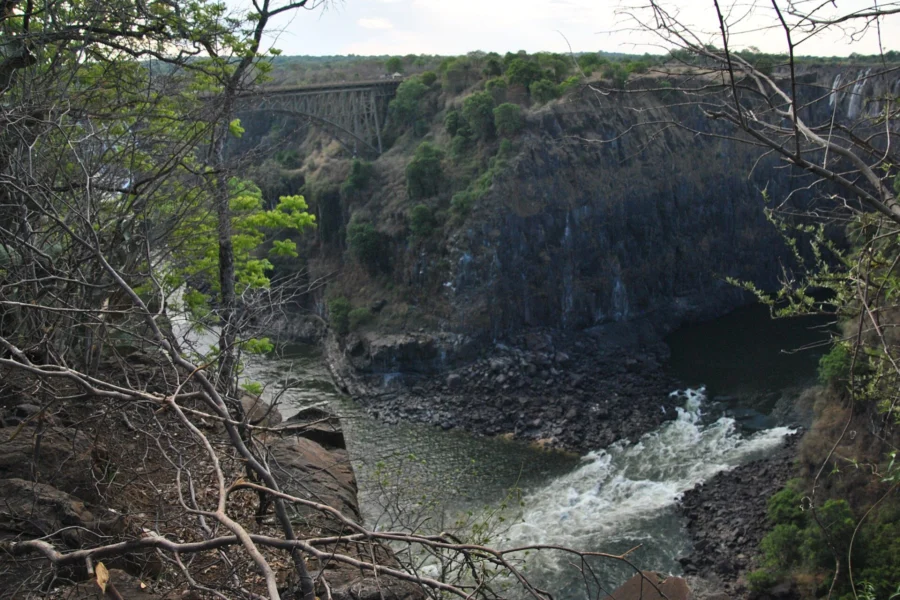 Where to See a Taita Falcon: the Strijdom Tunnel, the Blyde Cliffs and the Batoka GorgeA stocky falcon smaller than a pigeon, a handful of cliffs and surveys that keep coming back empty. Where it still nests, how to look, and the 2 roosts beside its cliffs.
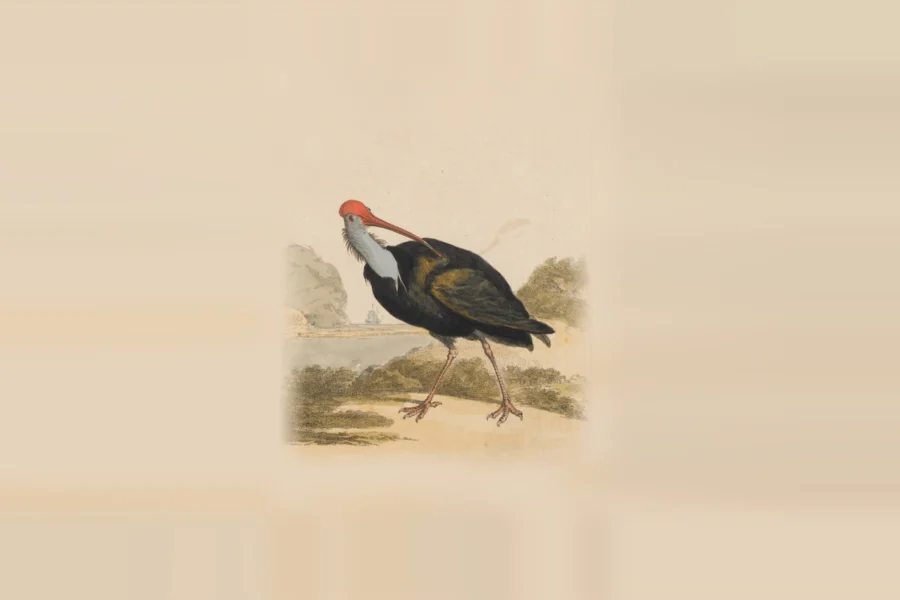 Where to See a Southern Bald Ibis: the Breeding Cliffs, Dullstroom, Wakkerstroom and LesothoA red-capped grassland ibis that nests on cliffs over waterfalls and feeds on burnt veld and maize stubble. The colonies you can watch, the fields to scan, and where to stay.
The Pigeon Post
Every Thursday: 1 bird, 1 place to go and 1 place to stay, by email. Sign up and get our printable checklist of the 163 endemics of southern Africa.