
Eastern Cape Birding: Addo to the Wild Coast
From Southern Tchagra in Addo's thicket to Cape Parrot over Hogsback and Sclater's Lark in the Karoo, the Eastern Cape's birding regions, where listening beats driving, and 12 places to stay that work for birders.
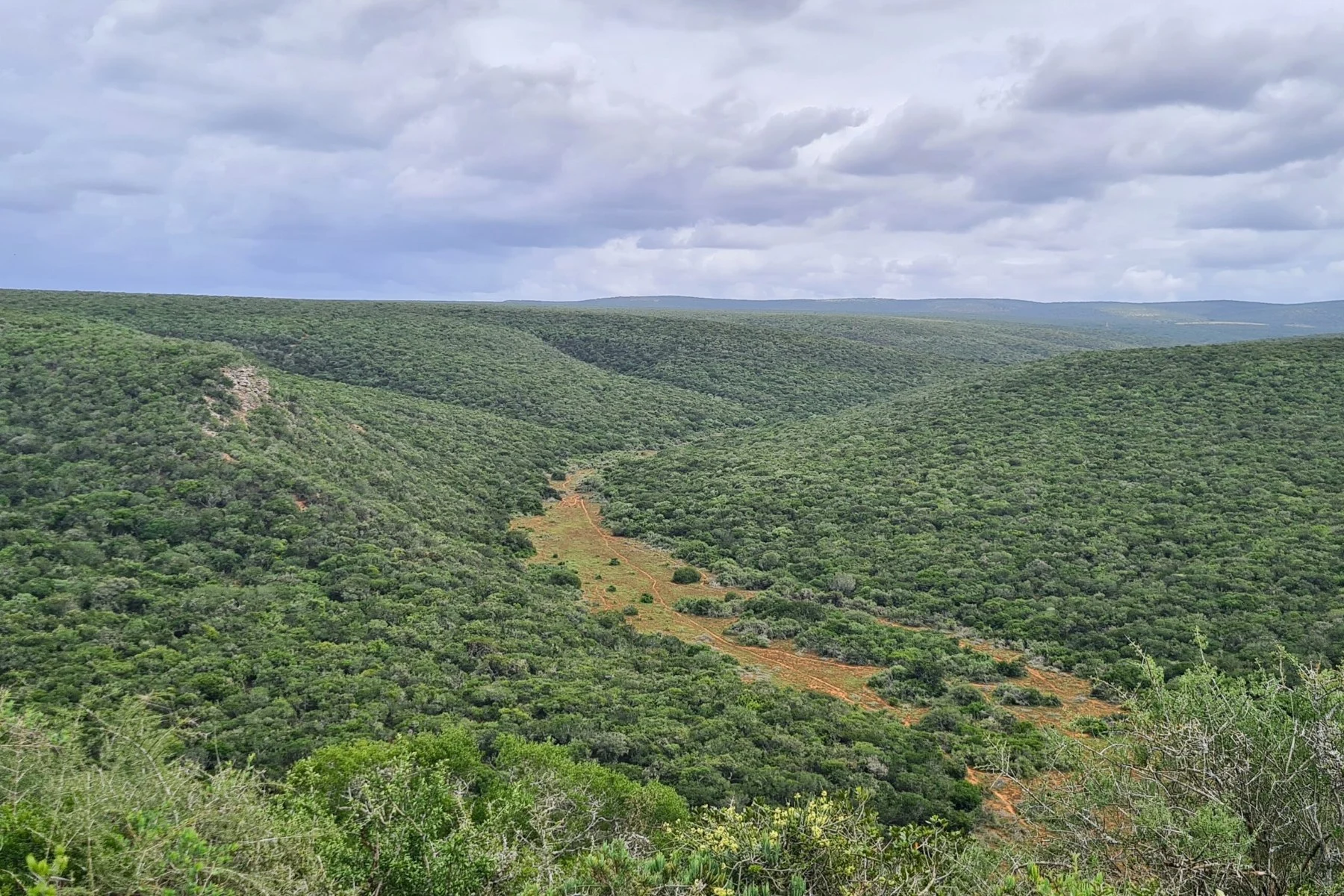
In the spekboom thicket of Addo Elephant National Park, Southern Tchagra calls far more often than it shows itself, which is a polite way of saying it hides. BirdLife South Africa’s GoBirding guide to the park says patience and a knowledge of its calls are needed to see it, and the same goes for Knysna Woodpecker, best found by its high, shrill call in the denser bush. Those 2 birds set the tone for the Eastern Cape: a province where thicket, forest, Karoo and coast meet, and where a birder who listens does better than a birder who only drives.
Addo and the private reserves around it give thicket and grassland birds with big game, Hogsback holds Cape Parrot, the coast adds riverine forest and estuaries, and the Karoo farms inland are lark country. The table picks 12 places from the directory that do something specific for birders, beyond having trees with birds in them.
The places at a glance
| Place to stay | Where | For birders | From |
|---|---|---|---|
| RiverBend Lodge | Nyati concession, Addo Elephant National Park | BirdLife Recommended, bird hide, specialist birding drives, 300 species | R5,800 pp B&B (May to September 2027) |
| Quatermain’s 1920’s Safari Camp | Amakhala Game Reserve | Owner and host Riaan Brand is a specialist birding guide | R6,340 pp sharing (until 30 April 2027) |
| Shamwari Private Game Reserve | Paterson | BirdLife Recommended, birding with specialist guides | Ask the lodge |
| Kwandwe Great Fish River Lodge | Kwandwe Private Game Reserve | 315 species, African Finfoot, birding guide by arrangement | R19,400 pp sharing, fully inclusive |
| Nyala Valley Game Reserve | Kleinemonde, near Port Alfred | BirdLife Recommended, FGASA bird guide, 164 species | Ask the lodge |
| Pomeroy Lodges | Kleinemonde, near Port Alfred | BirdLife Recommended, hides at the dams, 130 species | Ask the lodge |
| Trengwainton | Hogsback | BirdLife Recommended, garden pond, forest walks nearby | Ask the lodge |
| Yellowwood Forest | Morgan Bay | 153-species checklist, Narina Trogon, Mangrove Kingfisher in season | Ask the lodge |
| Umngazi Hotel and Spa | Mngazi River mouth, near Port St Johns | Bird walks with the hotel’s guides, Spotted Ground Thrush | R2,210 pp sharing, full board (2026 low season) |
| GweGwe Beach Lodge | Mkambati Nature Reserve | Birding expeditions, Cape Vulture colony on the Msikaba | R3,825 pp (SADC guests, selected 2026 dates) |
| Ganora Guest Farm | Near Nieu-Bethesda | 182-species checklist, Blue Crane and Verreaux’s Eagle nest | Ask the lodge |
| Karoo Secret Farm Stay | Near Aberdeen | BirdLife Recommended, signposted Lark Route, Sclater’s Lark | Ask the lodge |
Addo and the Sundays River valley
Addo’s core section lies in the Sundays River valley, and it is the largest national park in the Eastern Cape. GoBirding gives its area as 179,918 hectares, including a 7,022-hectare marine reserve around St Croix and Bird Islands, and says as many as 450 bird species have been recorded, with more than 150 possible on a standard visit to the main section. It recommends 2 to 3 days to do the route justice.
Start on foot around the main camp, where walking is allowed: there are trails, and a small hide behind the restaurant, handy for anyone birding between courses, that GoBirding rates for Black Crake and Southern Red Bishop. In the park itself you stay in your vehicle except at viewpoints and picnic sites. The open ground on the Nzipondo and Gorah Loops holds Blue Crane, Denham’s Bustard and Secretarybird, Southern Black Korhaan can be common, and Pearl-breasted Swallow rests beside the Gorah waterholes. Jack’s Picnic Site lets you walk into thicket, the Spekboom Hide is good in the heat of the day, and Crowned Eagle is sometimes seen near the Zuurberg lookout. Night drives can be arranged, and GoBirding says they regularly produce Fiery-necked Nightjar and Spotted Eagle-Owl.
The park’s private concessions are open only to their lodges’ guests, and GoBirding says they hold a similar range of species. RiverBend Lodge, on the Nyati concession about 45 minutes by road from Gqeberha, is BirdLife Recommended, has a bird hide and runs specialist birding drives that set the pace around target species and photography, so stopping for a small brown bird is the plan rather than an interruption. It gives 300 species for the concession and names Knysna Turaco, Narina Trogon, Blue Crane, Kori Bustard and Secretarybird. Rates start at R5,800 per person with breakfast from May to September 2027.
Amakhala, Shamwari and Kwandwe
East of Addo, the private reserves sell game drives first, but 3 of them make room for birders. At Quatermain’s 1920’s Safari Camp in Amakhala Game Reserve, about an hour from Gqeberha, the owner and host, Riaan Brand, is a specialist birding guide who plans walks around his guests. Rates start at R6,340 per person sharing until 30 April 2027, with a conservation levy of R210 per person per night on top.
Shamwari Private Game Reserve, near Paterson, is BirdLife Recommended and advertises birding with specialist guides; birds on its birding page include Ant-eating Chat, Bokmakierie and African Spoonbill. Kwandwe Great Fish River Lodge, about 160 km by road from Gqeberha’s airport, has 9 suites above the Great Fish River on a 30,000-hectare reserve. It gives 315 species and names African Finfoot, Grey Crowned Crane and African Crowned Eagle, and a dedicated birding guide can be arranged. It is the expensive end of the province, from R19,400 per person sharing, fully inclusive, river views included.
Port Alfred and Kleinemonde
Near Port Alfred, 2 small reserves listed by BirdLife on GoBirding suit birders who want to walk. Nyala Valley Game Reserve, on the Kleinemonde West River, has recorded 164 species. Guided walks go out with an FGASA bird guide, there is a beginner’s birding course, and guests can canoe the river, where Narina Trogon and African Finfoot have been seen, which is as good an excuse to paddle slowly as any. Also at Kleinemonde, Pomeroy Lodges has 5 self-catering lodges on a 330-hectare reserve with hides at the dams, a 130-species list, and Crowned Eagle, Grey-headed Bushshrike and Yellow-breasted Apalis among its birds. Neither has a website of its own, so book through the contacts on their GoBirding pages.
Hogsback and the Amathole forests
GoBirding describes the Amathole Forest Complex as an Important Bird Area and among the last strongholds of the Cape Parrot. Its advice is to watch over a patch of mature forest early in the morning or late in the afternoon, listen for the harsh, screeching calls, not the parrot’s most flattering feature, and scan exposed perches. The forest interior holds Knysna Woodpecker, Bush Blackcap, Chorister Robin-Chat and Orange Ground Thrush, though GoBirding warns that knowing their calls is essential. Above the trees, Barratt’s Warbler is common in the scrub, and Drakensberg Rockjumper is the reward for walking to the top of the highest peaks. GoBirding recommends several days in the Hogsback and Stutterheim forests to give yourself a chance at all of them.
Trengwainton, on Woodside Drive in Hogsback, is BirdLife Recommended, with a garden of indigenous mountain plants and a pond that the owners say birds visit regularly, and forest walks close by. The trails to the Big Tree and the Hogsback Arboretum, both named by GoBirding, start in the village.
The coast north: Morgan Bay to Mkambati
Yellowwood Forest, at Morgan Bay, has campsites and self-catering units in riverine forest on the Inchara River. It publishes its own checklist of 153 species, and its Forest Trail runs through forest where Narina Trogon lives and Mangrove Kingfisher turns up in season, like a regular holiday guest.
On the Wild Coast near Port St Johns, Umngazi Hotel and Spa sits at the mouth of the Mngazi River among estuary, mangroves and forest. Guests can book bird walks with the hotel’s guides, Albert and Freedom, and the bird it names is Spotted Ground Thrush. Rates start at R2,210 per person sharing, full board, in the 2026 low season. Further up the coast, GweGwe Beach Lodge in Mkambati Nature Reserve includes birding expeditions in its offer and gives more than 300 species for the reserve. A Cape Vulture colony uses the cliffs of the nearby Msikaba River, and the lodge also names African Grass Owl.
The Karoo side
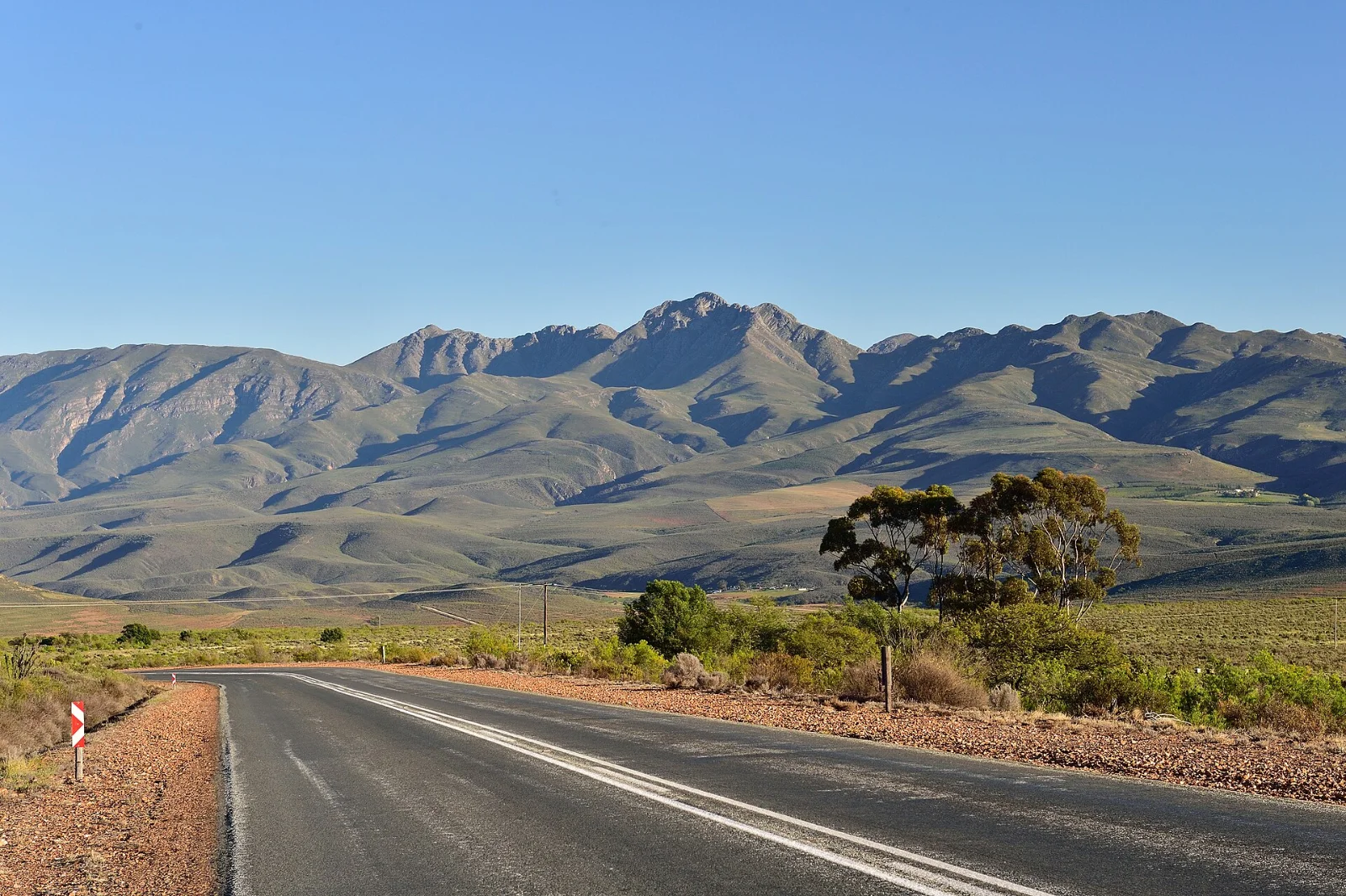
The dry interior is a different trip, where the birds are brown and the horizons are long. Ganora Guest Farm, a working sheep farm about 7 km outside Nieu-Bethesda, keeps a checklist of 182 species, has 5 marked trails and dams to sit at, and says Blue Crane and Verreaux’s Eagle nest on the farm. Further west, Karoo Secret Farm Stay, a BirdLife Recommended farm between Aberdeen and Beaufort West, has its own signposted Lark Route and water points to wait at, with Sclater’s Lark, Karoo Long-billed Lark, Double-banded Courser and Karoo Korhaan among the birds it names. Ganora offers bed and breakfast, a self-catering cottage and camping, Karoo Secret is self-catering, and neither gives a rate on its listing. The Karoo birding guide covers the wider region.
Choosing a base
For a first trip, 2 or 3 nights at Addo give the thicket and grassland birds, and RiverBend Lodge adds a hide and a birding guide. For walks planned around birds, Quatermain’s is the stay. Cape Parrot means Hogsback, early and late in the day, because the parrots keep birders’ hours. Lark and courser hunters should head for the Karoo farms, and the coast from Morgan Bay to Mkambati is the place for forest birds and estuaries. The Mkambati vultures are covered in the Cape Vulture colonies guide, and the forest birds of the coast in the Narina Trogon guide.
Rates and openings change. Facts were checked on 14 November 2026 against each place’s listing on Birding Dispatch, which cites the place’s own website, its BirdLife GoBirding page or facts supplied to Safari Dispatch, and against BirdLife South Africa’s GoBirding site guides. Confirm rates and guiding with the place before you book.
More from the Journal
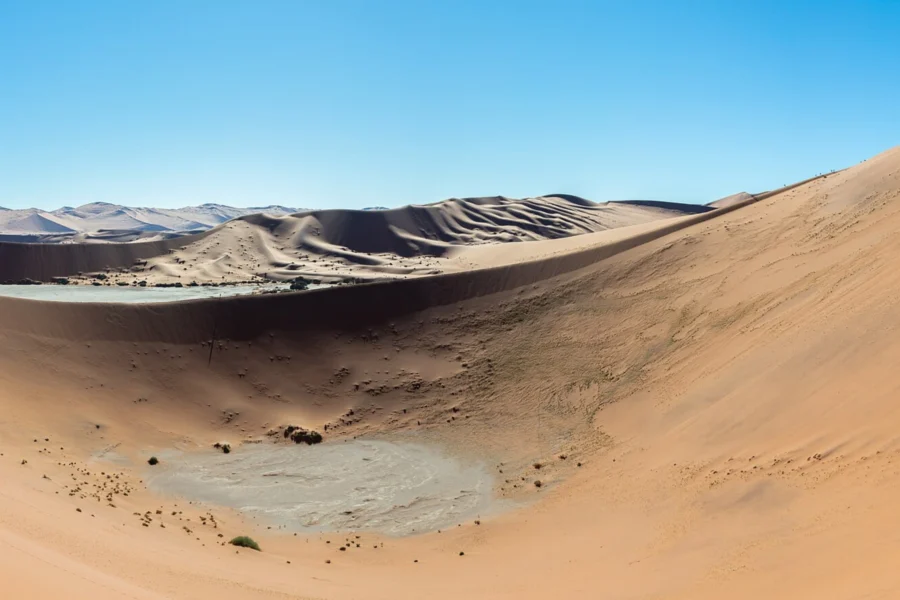 Namib-Naukluft and Sossusvlei for Birders: Dune Lark, Desert Raptors and the Naukluft SpecialsA lark that lives on the dunes and nowhere else, Lappet-faced Vultures nesting in the desert, coursers on the gravel plains and the northern specials around the Naukluft cliffs, in one of Africa's largest parks.
 Lake Baringo and Lake Bogoria Birding: The Owl Walks, the Cliffs and the FlamingosA local guide who knows where every nightjar and eagle-owl slept last night, thorn scrub full of hornbills, a Goliath Heron colony on a rock, and the flamingo lake next door that keeps rising.
 Akagera Birding: Rwanda’s Savanna, Lakes and Papyrus, and the Shoebill ChancesRed-faced Barbet in the southern woodland, Papyrus Gonolek and Carruthers's Cisticola in the swamps, a lake of hippos and lapwings, and a Shoebill that hides in the wetlands more than it shows.
The Pigeon Post
Every Thursday: 1 bird, 1 place to go and 1 place to stay, by email. Sign up and get our printable checklist of the 163 endemics of southern Africa.