
Summer Migrants in Southern Africa: When the Palearctic Birds Arrive and Where to See Them
Which birds fly south from Europe and Asia for the southern summer, the months they arrive and leave, and the places to stay where birders can find them, from Barn Swallows and bee-eaters to Steppe Buzzards, Amur Falcons and Red-backed Shrikes.
Every September the first Barn Swallows reach southern Africa from Europe and Asia, and by April the region has emptied again. In between, millions of birds that breed in the northern hemisphere spend the southern summer here, skipping the European winter entirely. The Atlas of Southern African Birds estimates that the Red-backed Shrike population alone could be a few tens of millions.
These are the Palearctic migrants. They do not breed here (European Bee-eater is the exception), they are often in dull non-breeding plumage, and many arrive later and leave earlier than birders expect: holiday guests who left their best clothes at home. The dates below come from the species accounts in the Atlas, the first Southern African Bird Atlas Project, and from BirdLife South Africa’s GoBirding guides.
At a glance
| Migrant | Main arrival | Leaves | Where to look |
|---|---|---|---|
| Barn Swallow | Late October to early November | Early April | Everywhere, over towns, farmland and water |
| Willow Warbler | Mid-October in the north, December in the south | Early April | Any trees and bushes |
| European Bee-eater | October | Late March and April | Bushveld; a breeding population in the Cape |
| European Roller | December and January | March | Open woodland in the north-east |
| Steppe Buzzard | September to November | March and early April | Farmland and grassland, roadside poles |
| Amur Falcon | Early November (early December in the far south) | By early May | Highveld grassland and town roosts |
| Lesser Kestrel | November | March | Grassy Karoo and highveld grassland |
| Red-backed Shrike | Mid- to late November | First 10 days of April | Acacia thornveld |
| Curlew Sandpiper and Little Stint | August | Autumn | Langebaan Lagoon, Barberspan |
Swallows and warblers: the first to come
Barn Swallow is the migrant most people know. R.A. Earle’s Atlas account says some birds arrive from the beginning of September, but the majority come in late October or early November, a little later in the south than the north, and they leave in early April. A few stay into May, as some guests do.
Willow Warbler is the commonest Palearctic songbird in the region and one of the earliest. Marc Herremans writes in the Atlas that the first birds are in the north from mid-September, with mid-arrival dates in mid-October in the north and December in the south. Departure is synchronised across the region, with a mid-departure date in early April, and males leave about 10 days ahead of females, with no long goodbyes. It turns up in any habitat with bushes or trees, from sea level to the alpine zone in Lesotho, and ringing recoveries point to Finland and Sweden as the breeding grounds of most of these birds. Individuals return to the same garden in successive years: a small warbler that can find the same suburban hedge from the other end of the world.
That makes a suburban garden a fair place to start. In Johannesburg, Liz at Lancaster in Craighall Park is BirdLife South Africa Recommended, has a garden feeding tray and names Willow Warbler and Great Reed Warbler among its birds, with Delta Park nearby. Rooms start at R600 per person sharing, room only.
Bee-eaters and rollers
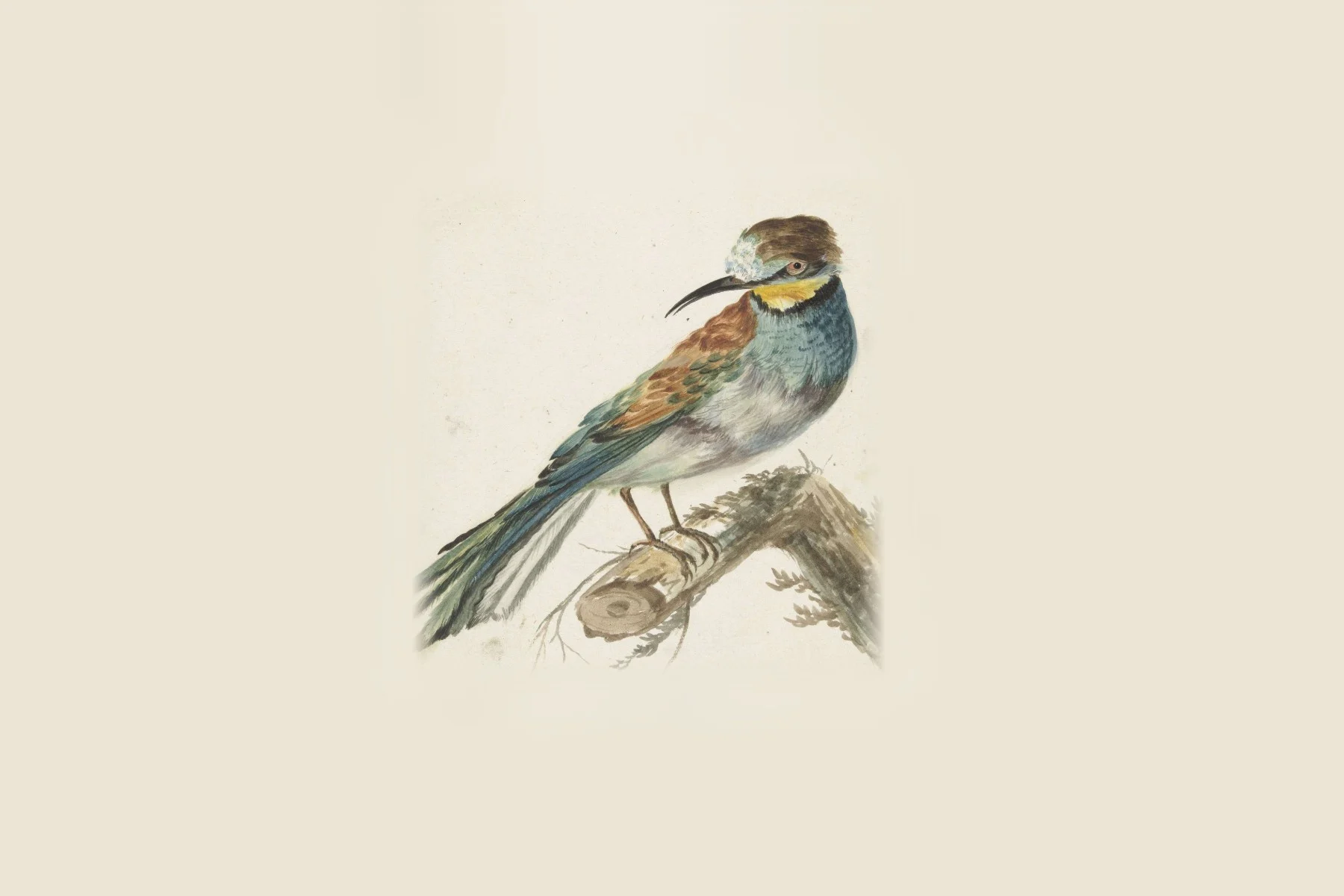
European Bee-eater is the odd one out, the guest that liked the place enough to start a family. Les Underhill’s Atlas account separates 2 populations: Palearctic birds that arrive mainly in October and leave in late March and April, and a smaller population that breeds in the Western Cape, southern Namibia, the western Free State and Gauteng and spends the southern winter in central Africa. GoBirding says spring brings European Bee-eaters to Postberg in West Coast National Park. In the Breede River valley, Barry House on Riverton at Robertson, BirdLife Recommended, names European Bee-eaters and Yellow-billed Kites on a farm checklist of 162 species, and a weekend bird guide can be booked. The whole 6-bedroom house costs from R5,200 a night, self-catering.
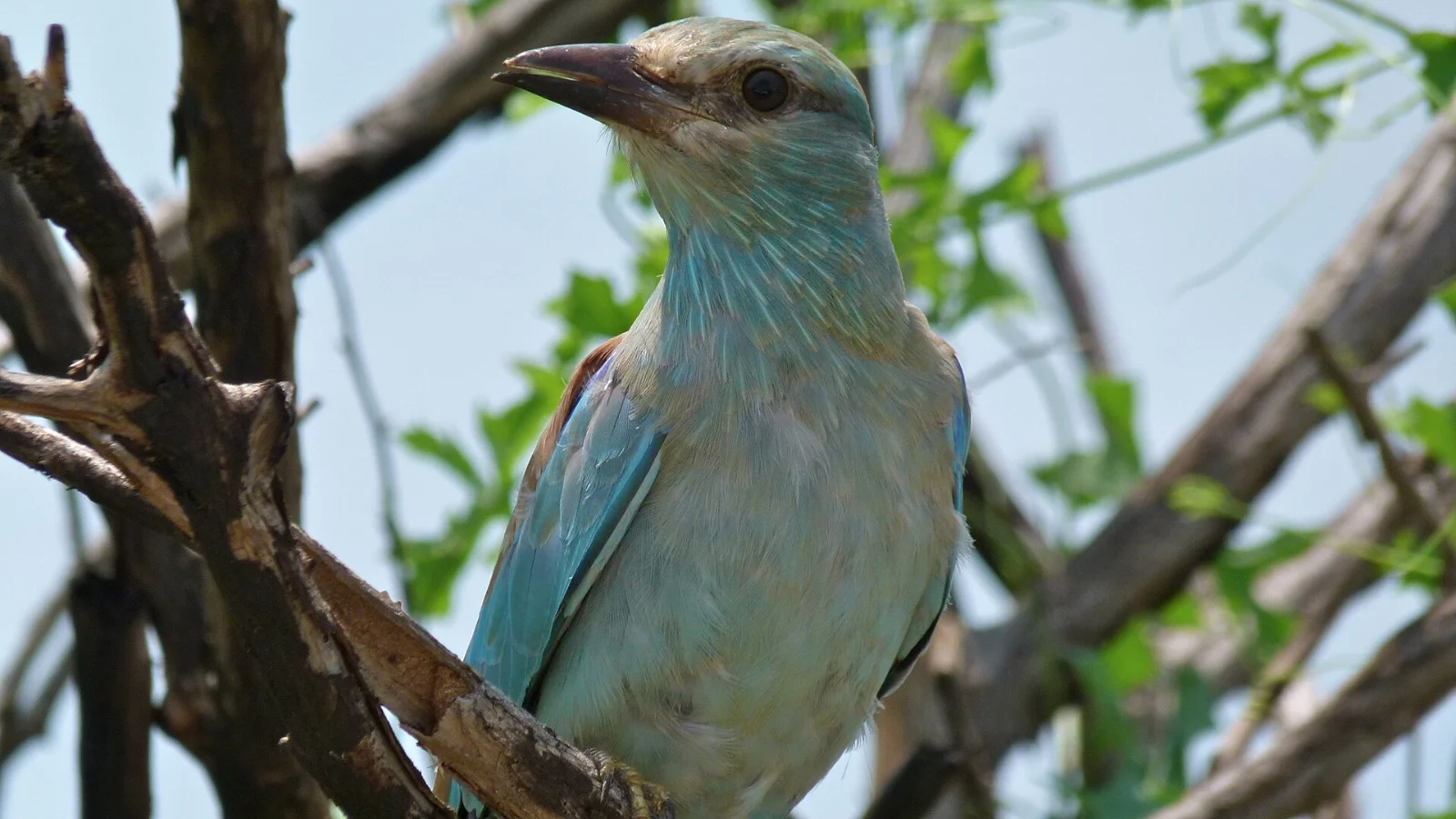
European Roller is one of the last to come and among the first to leave, which is very much the fashionable way to attend a party. Herremans writes that it reaches the far north by October, but most birds arrive in December and January, numbers peak in February, and departure is mainly in March: the classic pattern of slow arrival and rapid departure. It is most common in open woodland, and relatively common in northern KwaZulu-Natal, the Mpumalanga and Limpopo lowveld, the northern Kalahari and central Zimbabwe. Even there it is scarce: the Atlas found Lilac-breasted Rollers 5 to 10 times more common than European Rollers in southern Africa, so check every roller twice.
In the Sabi Sand, Chitwa Chitwa has guides it describes as expert birders, a count of more than 300 species, and names European Roller and Woodland Kingfisher among the summer migrants. It is an expensive way to see a roller, from R28,447 per person sharing a night in 2026, full board with drives. For a cheaper roller, Thaba Eco Hotel on the Klipriviersberg in Johannesburg South is BirdLife Recommended and reports European Roller in the adjoining nature reserve, and Greystone Lodge, between Dullstroom and Belfast in Mpumalanga, lists it in its grassland with Secretarybird, from R1,200 a night for a weekday chalet.
Buzzards, falcons and kestrels
Steppe Buzzard is the summer raptor of farmland. A.F. Boshoff’s Atlas account explains that it is a race of the Eurasian Buzzard, breeding from Finland and the Black Sea east to central Siberia, and that it is common in the higher-rainfall eastern and southern regions but rare in the dry west. Arrival begins in September and builds fastest in November, and the last birds leave in March and early April. Unusually for a Palearctic migrant, it is commonest near the southern edge of its range: roadside counts found 1 bird every 2 km in the south-western Cape against 1 every 33 km in the old Transvaal. Look on utility poles beside wheatfields, where it sits like a sentry who has forgotten what it is guarding.
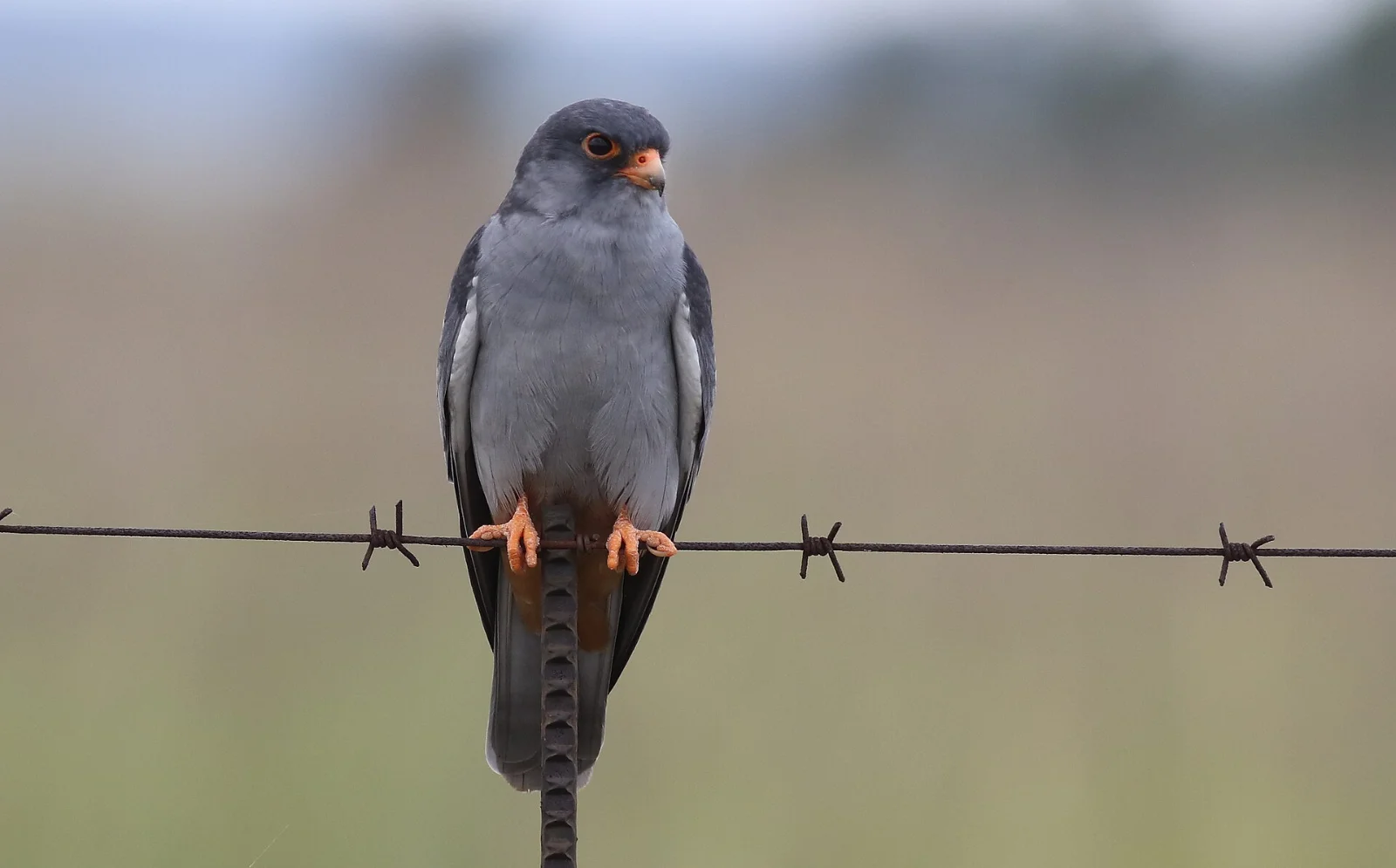
Amur Falcons arrive in most of the region in early November and in the far south about a month later, and the last leave by early May, according to J.M. Mendelsohn’s Atlas account. Their stronghold is the grassland of south-eastern Mpumalanga, western KwaZulu-Natal and the north-eastern Free State. They roost communally in tall trees, often in towns, with Lesser Kestrels, so a highveld town’s tallest trees can be full of falcons.
K. McCann’s Lesser Kestrel account says that species arrives mainly in November, peaks in January and February and leaves quickly in March. It hunts from telephone poles and wires over semi-arid grassland and the Grassy Karoo, and roosts in large trees, frequently eucalypts. It is globally threatened. In 1967, 154,000 birds were counted at roosts in South Africa, and that number may have halved by the mid-1980s.
In the Lowveld, Shumbalala Game Lodge in the Thornybush names Steppe Buzzard, Amur Falcon, European Bee-eater, Woodland Kingfisher and Wahlberg’s Eagle as the summer migrants to look for, and its rangers will tailor drives for birders. In Kruger, GoBirding lists Steppe and Lesser Spotted Eagles among the summer raptors, and SANParks rates the plains north of Satara perhaps the best place in the park for Montagu’s and Pallid Harriers.
Red-backed Shrike: the thornveld migrant
Of all the Palearctic songbirds, this is the one to see on a bushveld drive. Herremans writes that it has a strong preference for dry Acacia thornveld, with strongholds in the Kalahari, the Limpopo valley, the Lowveld of Mpumalanga, Limpopo and Eswatini, and northern KwaZulu-Natal. Densities in the thornbelt reach 2 to 8 birds per hectare. Males perch in the open, while females skulk in taller woodland, so the shrike you see is nearly always the show-off.
Its timetable is the tightest of any migrant here. The first birds arrive in late October, most from mid- to late November, and in the first 10 days of April, usually over just a few nights, the region is vacated, as if someone had rung a bell. Birds ringed in Germany have been recovered in Zimbabwe and Malawi, and one ringed in the old Transvaal was found on passage in Yemen in May.
Late singers in the far north
Some Palearctic warblers are almost impossible to see until they sing, and they save the singing for the end of the visit. GoBirding says River Warbler and Thrush Nightingale occur at Pafuri in summer and are most vocal in March, and that Olive-tree Warbler is best found at uMkhuze in March and April, when the birds sing before they leave. Pafuri Camp, on the Luvuvhu River in the Makuleke Contract Park, is the BirdLife Recommended base for the first 2, and lodge guests in the concession can take guided drives after dark. See the Kruger birding guide for the Pafuri sites.
Great Reed Warbler is another, a big, loud warbler of reeds and rank growth that rarely lets you forget it is there. In Malawi, Kumbali Country Lodge, about 15 minutes from Lilongwe, has it on its own checklist and runs guided nature walks in its reserve. Rooms start at US$170 per person a night.
Waders on the shore
The shorebirds keep a different clock and arrive while everyone else is still packing. GoBirding says Palearctic waders start arriving at Langebaan Lagoon in numbers in August and peak by October, most of them Curlew Sandpipers and Little Stints. Inland, Heritage View Birding Retreat at Barberspan, near Delareyville in North West, is BirdLife Recommended, has a private hide and names both species. Its 4-hour guided tours must be booked in advance. See West Coast National Park for Langebaan.
The other summer visitors
Not every summer arrival comes from the north. Woodland Kingfisher, which arrives in the first 2 weeks of November and breeds here from November to March according to the Atlas, is an intra-African migrant, so lodge lists of “summer migrants” often mix the 2 groups, local holidaymakers and long-haul visitors on the same guest list. Shumbalala’s, for example, puts Woodland Kingfisher and Wahlberg’s Eagle beside Steppe Buzzard and Amur Falcon. White Stork, which does come from Europe, is covered in Africa’s storks.
Planning around the calendar
Timing decides which migrants are present, and the guests do not all keep the same dates. A trip in late September or October catches the first Barn Swallows, Willow Warblers and Steppe Buzzards and the wader peak at Langebaan, but few Red-backed Shrikes and no European Rollers. From late November to February almost everything is in: GoBirding says Kruger birding is best from November to March. March is the month for singing River Warblers and Thrush Nightingales at Pafuri, and for the last rollers before they go. By mid-April the shrikes and most swallows have left, and Amur Falcons are among the last to go, by early May.
Summer in the north-east is also the wet season. Heavy rain in January 2026 closed roads and camps in Kruger, so check the SANParks Kruger Roads Register before each drive. Birding Big Day on 5 December 2026 falls with nearly every migrant present; see when to go birding in South Africa for the month-by-month picture.
Where to stay
The places in this guide, with what each offers a birder:
| Place to stay | Where | For birders | From |
|---|---|---|---|
| Liz at Lancaster | Craighall Park, Johannesburg | BirdLife Recommended, garden feeding tray, Willow Warbler | R600 pp sharing, room only |
| Barry House on Riverton | Robertson, Breede River valley | BirdLife Recommended, 162-species checklist, weekend bird guide | R5,200 for the house, self-catering |
| Chitwa Chitwa | Sabi Sand, Greater Kruger | Expert birder guides, 300+ species, European Roller | R28,447 pp full board |
| Thaba Eco Hotel | Klipriviersberg, Johannesburg South | BirdLife Recommended, European Roller in the adjoining reserve | Ask the lodge |
| Greystone Lodge | Between Dullstroom and Belfast | BirdLife Recommended, European Roller, Secretarybird | R1,200 a chalet, weekdays |
| Shumbalala Game Lodge | Thornybush, Greater Kruger | Rangers tailor drives for birders, Amur Falcon | Ask the lodge |
| Pafuri Camp | Makuleke, northern Kruger | BirdLife Recommended, guided drives after dark, River Warbler | R8,450 pp sharing all-inclusive |
| Kumbali Country Lodge | Near Lilongwe, Malawi | Own checklist, guided nature walks, Great Reed Warbler | US$170 pp |
| Heritage View Birding Retreat | Barberspan, North West | BirdLife Recommended, private hide, guided tours, Curlew Sandpiper | Ask the lodge |
Migration dates shift a little each year and with rainfall. Facts were checked on 13 November 2026 with the Atlas of Southern African Birds, BirdLife South Africa’s GoBirding guides, SANParks and the Birding Dispatch listings. Confirm road access with SANParks before you go.
More from the Journal
 Spring Birding in South Africa: September to November, the Arrivals, the Flowers and the BreedingThe first Red-chested Cuckoos call in September, bee-eaters land in October and Woodland Kingfishers arrive in early November. What arrives when, where the flowers are, and where to stay.
 January Birding in South Africa: Where to Go, What’s About, the Heat and the RainJanuary is high summer: bishops in scarlet, Woodland Kingfishers at their breeding peak and European Rollers still arriving. Where to go, and how to work around the heat and the holidays.
 Autumn Birding in South Africa: March to May, When the Migrants LeaveFrom March to May the summer visitors leave: rollers in March, swallows in early April, Woodland Kingfishers by night from mid-April. Who goes when, what replaces them, and where to bird.
The Pigeon Post
Every Thursday: 1 bird, 1 place to go and 1 place to stay, by email. Sign up and get our printable checklist of the 163 endemics of southern Africa.