
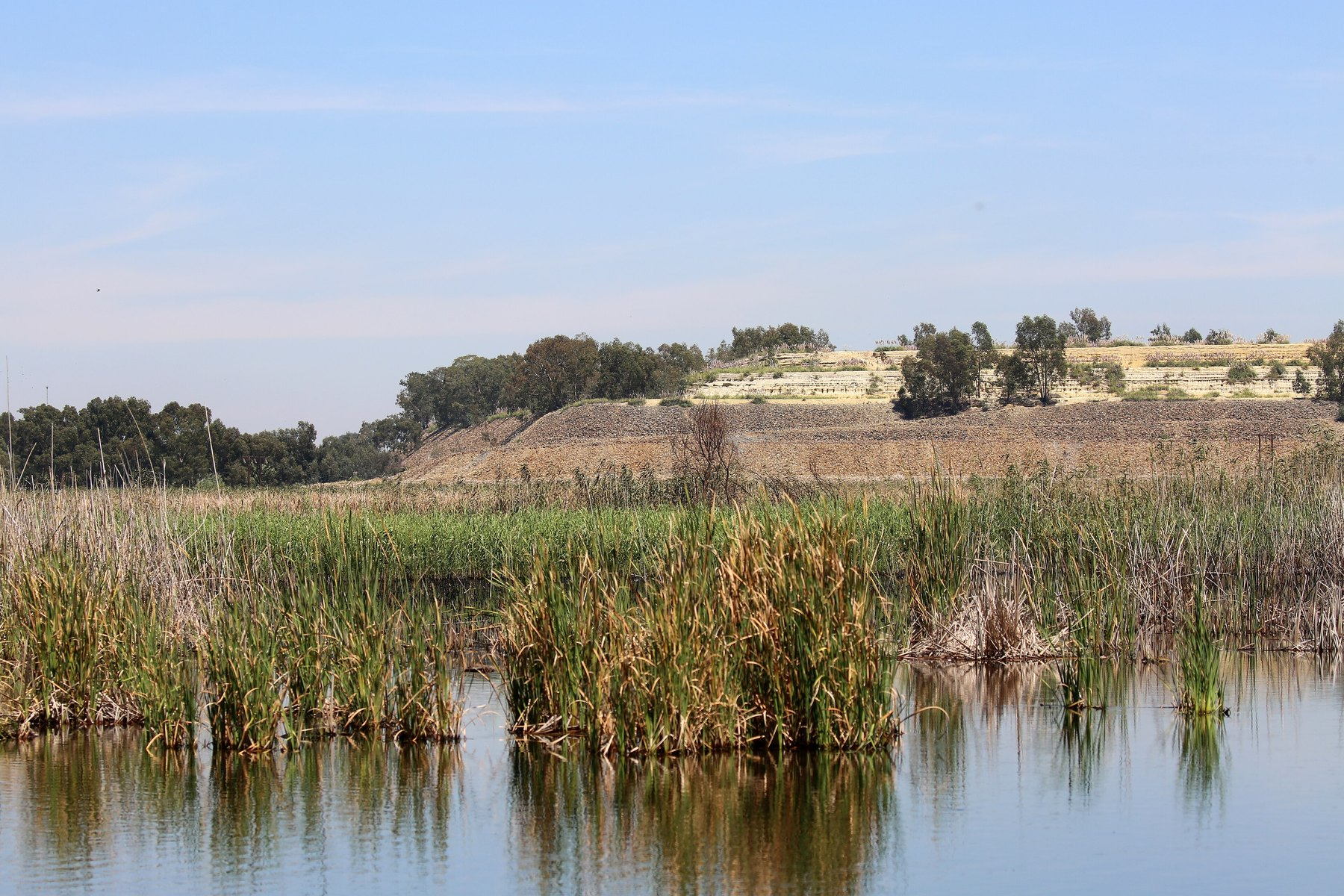
Birding Near Johannesburg and Pretoria: The Best Sites Within 2 Hours
Rietvlei, Marievale, Suikerbosrand, Walter Sisulu and the Zaagkuilsdrift road: what to target at each, what entry costs and how to fit them around OR Tambo, so a layover turns into a birding day.
Johannesburg and Pretoria sit on the highveld, and the birding starts at the edge of the suburbs. The authors of Birding Gauteng 2 count 470 species within 100 km of the 2 city centres, and Birding Ecotours points out that many of South Africa’s endemics can be found within earshot of Johannesburg, which is not a phrase usually attached to endemics.
That matters if you have a free day before a flight out of OR Tambo, or a long layover of the kind usually spent staring at a departures board. 5 sites cover the region’s main habitats, and BirdLife South Africa’s GoBirding guides and Birding Ecotours put 4 of them within about 90 minutes of the airport. Pick by habitat and by season, not by distance.
The short answer
With half a day, go to Rietvlei Nature Reserve, which Birding Ecotours puts less than 30 minutes from OR Tambo. With a full day, do Suikerbosrand in the morning and Marievale Bird Sanctuary in the afternoon: grassland and thornveld first, then a big wetland half an hour away. In late summer, give the whole day to the Zaagkuilsdrift road and the Kgomo-Kgomo floodplain north of Pretoria, where a guided day in March 2026 recorded 154 species. If you want one bird above all others, go to Walter Sisulu National Botanical Garden at opening for its nesting Verreaux’s Eagles, a pair of cliff eagles with a city address.
At a glance
| Site | Time from OR Tambo | Adult entry | Best for |
|---|---|---|---|
| Rietvlei Nature Reserve | Under 30 minutes | R64 | Grassland birds, Secretarybird, Cuckoo Finch (summer) |
| Suikerbosrand Nature Reserve | 45 minutes to 1.5 hours | R40, plus R30 per vehicle | Highveld endemics, larks, francolins |
| Marievale Bird Sanctuary | 1 to 1.5 hours | R41, plus R28 per vehicle | Herons, ducks, waders, rails |
| Walter Sisulu NBG | 60 to 90 minutes | About R100 (peak season) | Verreaux’s Eagle, sunbirds |
| Zaagkuilsdrift and Kgomo-Kgomo | North of Pretoria on the N1 | No fee listed | Bushveld birds, migrant warblers, floodplain rails |
Rietvlei: the half day near the airport
Rietvlei sits on the southern edge of Pretoria and is the easiest site on this list to reach from the airport. GoBirding calls it “extremely productive” and says a summer day can produce more than 100 species. It has about 40 km of roads and 3 bird hides. Coot Corner hide, about 500 m past the entrance, looks over the dam for Great Crested Grebe, African Darter and African Purple Swamphen.
Come for the grassland. Look for Secretarybird, which has bred in the reserve, Northern Black Korhaan, Orange River Francolin, Spike-heeled Lark and Plain-backed Pipit, and listen for Wing-snapping and Cloud Cisticolas in summer display. Marsh Owl and African Grass Owl both occur, though GoBirding warns you would be extremely lucky to see the grass owl, so treat it as a bonus rather than a plan. For more on owls you can find on your own, see the guide to owls you can find without a guide.
GoBirding lists adult entry at R64 and summer hours of 05:30 to 19:00, with last entry at 17:00.
Suikerbosrand: the highveld specials
Birding Ecotours calls Suikerbosrand Johannesburg’s best-known reserve and says it should be the first choice if time is short, because it holds so many species unique to southern Africa. The reserve covers about 13,337 ha between 1,545 and 1,917 m, and a 67 km tarred circular drive takes you through grassland, wooded kloofs, acacia thornveld and the plateau: 4 habitats on 1 loop, without leaving the tar.
Bird the northern grassland for Orange River Francolin, Melodious and Eastern Clapper Larks and Cloud Cisticola. The thornveld around the visitor centre and the Diepkloof and Holhoek picnic sites holds Red-throated Wryneck, Kalahari Scrub Robin, Violet-eared Waxbill and Fairy Flycatcher in winter. Up on the plateau, look for Grey-winged Francolin, Eastern Long-billed Lark, Cape Bunting and Sentinel Rock Thrush, which is a winter visitor.
Entry is R40 per adult and R30 per vehicle, card only, according to GoBirding. The gates open at 07:00 on weekdays and 06:00 at weekends, with last entry at 16:00. GoBirding advises birders to go on a weekday, because the circular road is popular with cyclists.
Marievale: the best wetland in Gauteng
Marievale is about 1,000 ha of marsh, reedbed and open water at the southern end of the Blesbokspruit Ramsar site, near Nigel. GoBirding rates it perhaps the best location in Gauteng to see Goliath, Black, Squacco and Purple Herons together: 4 herons, 1 marsh and a great deal of standing still. Expect Fulvous and White-faced Whistling Ducks, Blue-billed Teal, Southern Pochard and African Spoonbill, with Ruff, Curlew Sandpiper, Wood and Marsh Sandpipers in summer. Red-chested Flufftail and African Rail call from the reeds, and Little Bittern is regular from the Otter and Flamingo hides. Lesser Flamingo, Cape Teal and Pied Avocet move in when the water drops in late winter.
Of the 5 hides, Hadeda Hide by the main gate gives the widest view. High water has flooded the wader mud in front of Duiker Hide, and GoBirding says Shelduck Hide is so run down that it is no longer recommended. Otter Hide has no parking, so you leave the car on a causeway used by trucks, which GoBirding describes as not ideal and possibly dangerous. Park well off the road or skip it.
GoBirding lists fees from 1 April 2025 of R41 per adult and R28 per vehicle. The same page still carries an older line saying there is no fee, so take a card. The dirt roads can become impassable after long spells of rain.
Walter Sisulu: the eagles
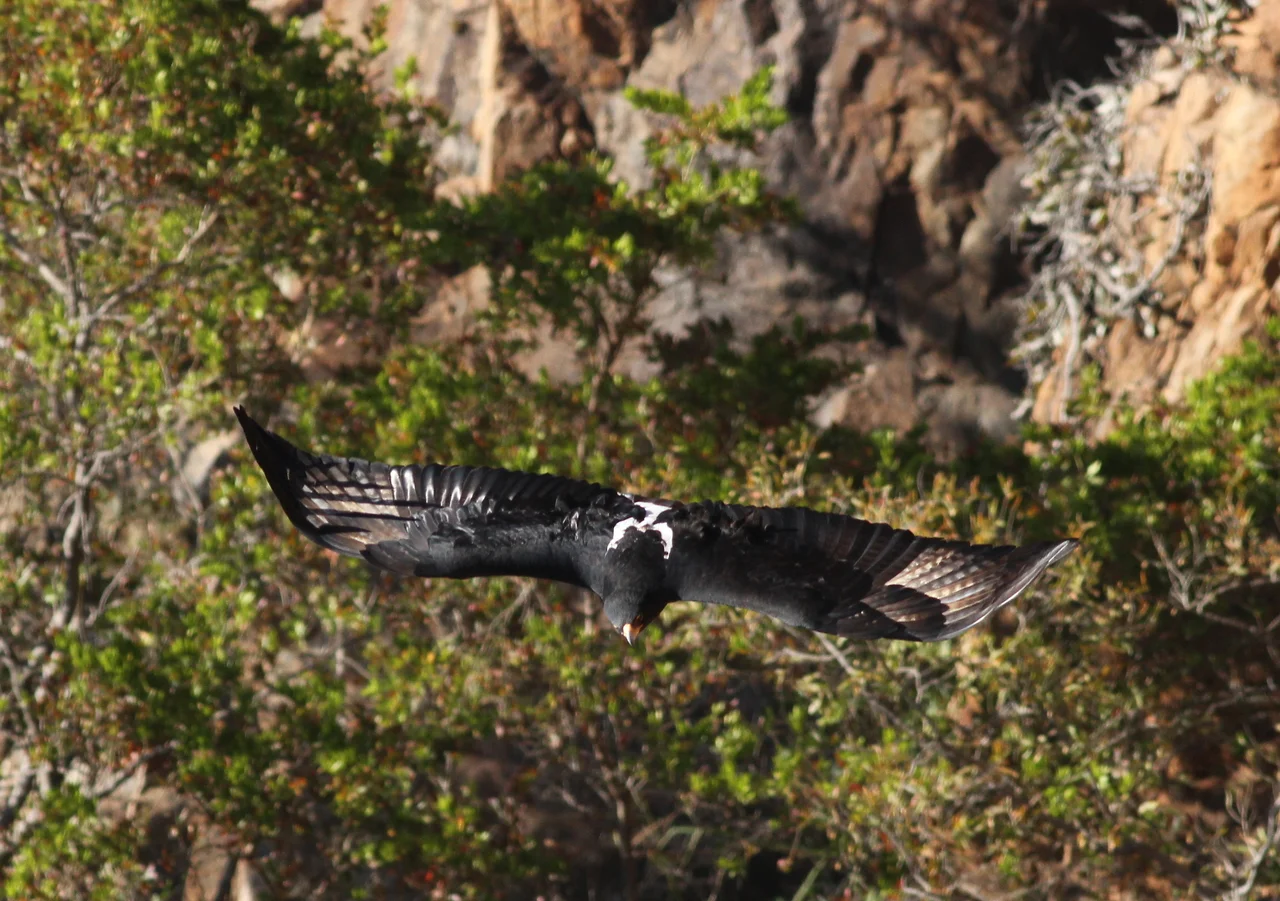
Walter Sisulu National Botanical Garden, on the western edge of Johannesburg in Roodepoort, is the only site here you visit for a single bird, and the bird has excellent taste in real estate. A breeding pair of Verreaux’s Eagles nests on the cliffs beside the 70 m Witpoortjie Waterfall, and SANBI says about 240 bird species have been recorded in the garden.
The rest of the garden is good half-day birding. Half-collared Kingfisher works the river. In winter the succulent rockery draws Amethyst, White-bellied, Greater Double-collared and the occasional Malachite Sunbird. The climb to the top of the waterfall is the place for Striped Pipit, Cape Rock Thrush and Lazy Cisticola. See the guide to the sunbirds of southern Africa for the identification details.
The garden opens at 08:00 and closes at 17:00 every day, and SANBI no longer accepts cash: buy online or pay by card at the gate. SANBI publishes its fee grid as an image, and an independent Johannesburg guide that checked SANBI’s ticket platform in the third quarter of 2026 puts peak-season adult entry, September to March, at R100.
Zaagkuilsdrift and Kgomo-Kgomo: the big-list day
The Zaagkuilsdrift road runs about 20 km west from Pienaarsrivier, off the N1 north of Pretoria, to the village of Kgomo-Kgomo. GoBirding rates it one of the country’s top bushveld birding roads, a regular rarity hotspot and perhaps the best site in South Africa for the full set of Palearctic migrant warblers, including River Warbler. Birding Ecotours says more than 430 species have been recorded on the road and floodplain.
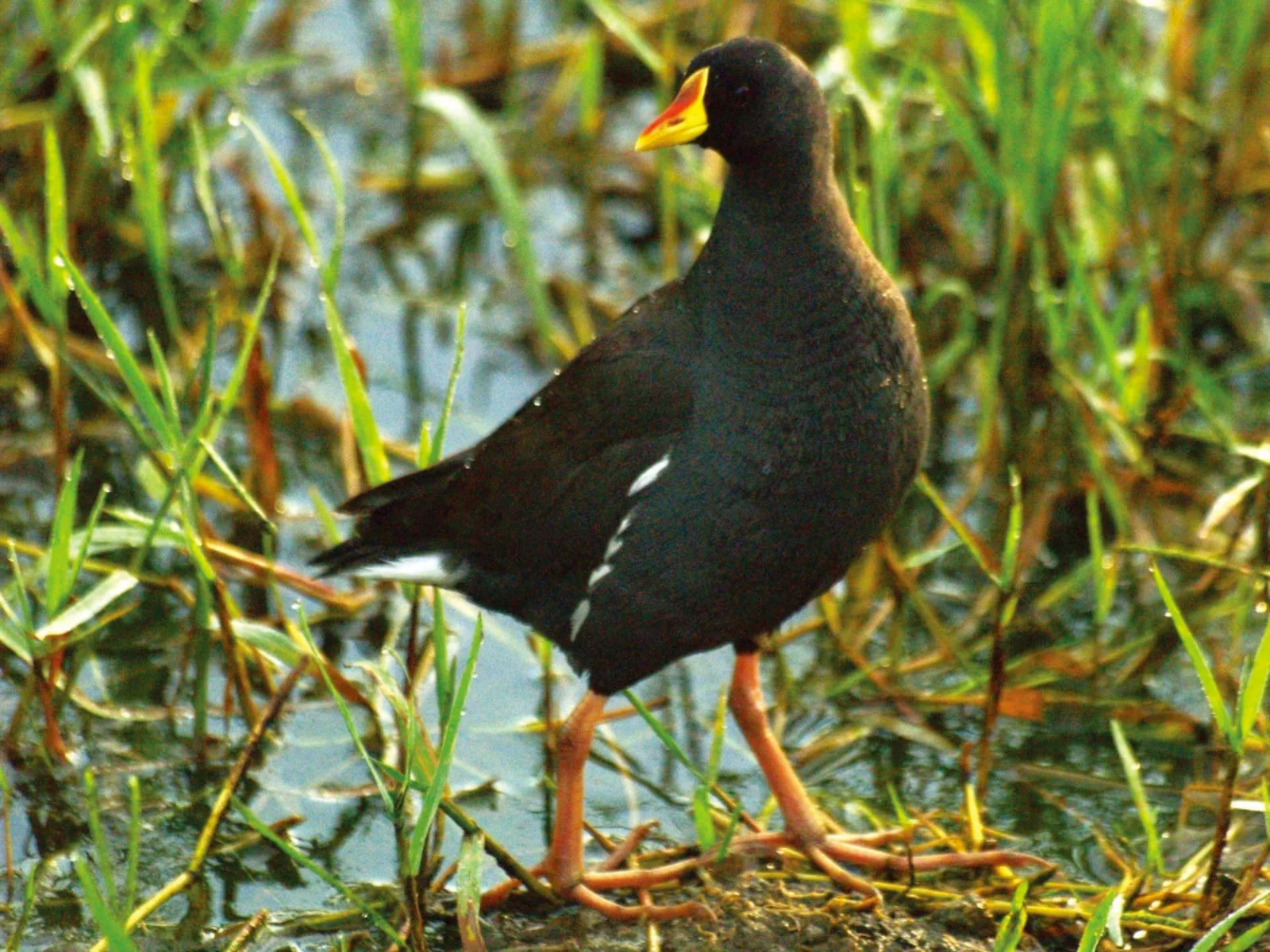
Start in the acacia scrub for Crimson-breasted Shrike, Southern Pied Babbler, Burnt-necked Eremomela, Violet-eared Waxbill and Shaft-tailed Whydah. About 10 km along, a parallel road to the right is the best area for migrant warblers, and River Warbler is easiest in March, when it starts calling and gives itself away. In wet years the Kgomo-Kgomo floodplain fills, and GoBirding lists Greater Painted-snipe, Dwarf Bittern, Lesser Moorhen and Allen’s Gallinule. A Birding Ecotours day on 22 March 2026 found 3 separate Allen’s Gallinules, Black Heron, Collared Pratincole and Temminck’s Courser, and finished on 154 species.
Several stretches become virtually impassable in wet years and need a 4×4 with good clearance. The far end of the route continues towards Zaagkuilsdrift Bird Sanctuary and Lodge. This is the remote site on the list. Go with a guide or a club outing rather than alone.
Further out
BirdLife Northern Gauteng lists Rust de Winter Nature Reserve and Bronkhorstspruit Dam among its day trips 30 to 100 km from Pretoria, and Pilanesberg among sites within 2 hours of the city. Pilanesberg is a game park first: its booking site lists foreign nationals at R748 per person per day plus R168 per vehicle, from 1 December 2025. With a night to spare, Wakkerstroom and its larks is the better overnight extension, and larks make a fine excuse for a night away.
Guides, clubs and safety
Birding Ecotours runs private day trips from Johannesburg and Pretoria hotels. Its Highveld and Wetlands day, Suikerbosrand then Marievale, costs R7,000 for one person and R500 for each extra person, including fuel, most entrance fees and a light lunch.
BirdLife Northern Gauteng, the Pretoria club affiliated to BirdLife South Africa, runs day outings to sites around the city. Adult membership is R390, and the secretary is on [email protected]. The best printed companion is Birding Gauteng 2, by Faansie Peacock, Dylan Vasapolli and Etienne Marais, which gives safety ratings and access information for almost 100 sites. Check its rating before any site you plan to visit alone.
When to go
Summer, October to March, is the season for numbers, and for early alarms. The migrants are in, the cisticolas and larks are displaying, and Marievale’s gates open from 05:30 to 19:30. GoBirding names early summer as the best time for Suikerbosrand, when widowbirds and bishops are in breeding plumage. For Zaagkuilsdrift, late summer in March and April is best for the warblers, and the rails only turn up on the floodplain after good rain. Winter brings Fairy Flycatcher and Sentinel Rock Thrush to Suikerbosrand, sunbirds to the Walter Sisulu rockery and Lesser Flamingo to Marievale when water levels fall.
The verdict
For a layover, Rietvlei is the clear choice: close to the airport, productive and easy. For a full free day, Suikerbosrand and Marievale together give you the widest spread of highveld and wetland birds within 90 minutes of OR Tambo. Birders who want a big list in late summer should take the early start and drive to Zaagkuilsdrift, ideally with a guide. Walter Sisulu is the half day for anyone who wants to watch Verreaux’s Eagles over a city, a sight few cities can offer.
Where to stay
Places to stay near the sites in this guide, with what each offers a birder:
| Place to stay | Where | For birders | From |
|---|---|---|---|
| Liz at Lancaster | Craighall Park, Johannesburg | BirdLife Recommended, garden feeding tray, local guide arranged | R600 pp sharing, room only |
| 58 on Hume | Dunkeld, Johannesburg | BirdLife Recommended, guided outings arranged, Verreaux’s Eagle | Ask the lodge |
| Thaba Eco Hotel | Klipriviersberg, Johannesburg South | BirdLife Recommended, guided birdwatching drives, European Roller | Ask the lodge |
| Random Harvest Country Cottages | Muldersdrift, west of Johannesburg | Guided bird walks, 178 species recorded | Ask the lodge |
| Zaagkuilsdrift Bird Sanctuary & Lodge | Kgomo-Kgomo floodplain, north of Pretoria | BirdLife Recommended, 3 hides, 430+ species on the floodplain | Ask the lodge |
| Oxbow Country Estate | 25 km from Bronkhorstspruit | BirdLife Recommended, 130 species recorded | R835 pp sharing, room only |
| Wilge River Bush Camp | Wilge River, near Bronkhorstspruit | BirdLife Recommended, 409-species checklist, Southern Pied Babbler | Ask the lodge |
| Kwa Maritane Bush Lodge | Pilanesberg National Park | Hide over a waterhole, reached by tunnel | R5,967 a night DB&B (midweek offer) |
| Lush Private Lodge | Black Rhino Game Reserve, Pilanesberg | 350+ species for the park, guided walks | R7,350 pp fully inclusive |
Fees, hours and road conditions change. Facts were checked on 9 November 2026 with BirdLife South Africa’s GoBirding guides to Rietvlei, Suikerbosrand, Marievale, Walter Sisulu and Zaagkuilsdrift, SANBI’s Walter Sisulu visitor page, Birding Ecotours’ site guide, tour sheet and March 2026 trip report, BirdLife Northern Gauteng and the Pilanesberg tariff page. Confirm fees and gate times with each reserve before you go.
More from the Journal
 Namib-Naukluft and Sossusvlei for Birders: Dune Lark, Desert Raptors and the Naukluft SpecialsA lark that lives on the dunes and nowhere else, Lappet-faced Vultures nesting in the desert, coursers on the gravel plains and the northern specials around the Naukluft cliffs, in one of Africa's largest parks.
 Lake Baringo and Lake Bogoria Birding: The Owl Walks, the Cliffs and the FlamingosA local guide who knows where every nightjar and eagle-owl slept last night, thorn scrub full of hornbills, a Goliath Heron colony on a rock, and the flamingo lake next door that keeps rising.
 Akagera Birding: Rwanda’s Savanna, Lakes and Papyrus, and the Shoebill ChancesRed-faced Barbet in the southern woodland, Papyrus Gonolek and Carruthers's Cisticola in the swamps, a lake of hippos and lapwings, and a Shoebill that hides in the wetlands more than it shows.
The Pigeon Post
Every Thursday: 1 bird, 1 place to go and 1 place to stay, by email. Sign up and get our printable checklist of the 163 endemics of southern Africa.