
Magoebaskloof Birding: Forest Specials and Where to Stay
Woodbush Forest for Black-fronted Bushshrike and Cape Parrot (if they show), Debengeni Falls, the Haenertsburg grasslands, and the cottages and lodges that put birders on the forest edge before breakfast.
Magoebaskloof is where the Limpopo escarpment drops from Haenertsburg towards Tzaneen along the R71, through a band of Afromontane forest that GoBirding rates among the most extensive in the country. GoBirding, BirdLife South Africa’s site guide, calls the Woodbush Forest one of the best forest birding sites in Limpopo, if not the country, and the reason is a short list of birds that are hard to find anywhere else: Black-fronted Bushshrike and Eastern Bronze-naped Pigeon first among them.
It is also small enough to bird from one base, which leaves more of the morning for the birds and less for the car. The forest drives, Debengeni Falls and the Haenertsburg grasslands are all within a short drive of each other, and the places to stay sit right on the forest edge.
At a glance
| Site | Habitat | Key species (GoBirding) | Access |
|---|---|---|---|
| Woodbush Forest Drive | Afromontane forest | Black-fronted Bushshrike, Orange Ground Thrush, Bush Blackcap, Eastern Bronze-naped Pigeon | Gravel, good clearance needed |
| Debengeni Falls | Forest and river | Grey Wagtail (Sep to Apr), Lemon Dove, Buff-spotted Flufftail | R20 per person |
| Haenertsburg grasslands | Montane grassland | Shelley’s Francolin, Lazy Cisticola, Broad-tailed Warbler | Louis Changuion Trail, free |
| Bramasole grassland | Grassland and forest edge | Red-chested Flufftail, Cape Grassbird | Roadside on the R71 |
| Kudu’s River Valley | Escarpment to bushveld | Shelley’s Francolin, Purple-crested Turaco | 30 km gravel road |
Woodbush Forest: the bushshrike and the pigeon
The Woodbush, Grootbosch, Swartbosch and Black Forest form a connected band of forest along the eastern and southern slopes of the escarpment, and GoBirding says they are among the most extensive in the country. Woodbush is the one to bird. Its key species are Black-fronted Bushshrike, Orange Ground Thrush, Bush Blackcap, Eastern Bronze-naped Pigeon and Barratt’s Warbler, and the same forest holds the endangered Cape Parrot, Yellow-streaked Greenbul, Green Twinspot, Narina Trogon and, in summer, African Emerald Cuckoo.
Flocks of Bronze-naped Pigeons cross the forest early in the morning between their roosts and feeding areas on a commuter’s timetable, and sit on exposed snags early and late. Watch overhead for Forest Buzzard, Crowned and Long-crested Eagles, African Cuckoo-hawk and Bat Hawk. Small streams can produce Mountain Wagtail and African Finfoot, and Red-backed Mannikin feeds in the roadside grass.
GoBirding’s route runs from the Woodbush Hut down past Debengeni Falls to the bottom of the gorge. Allow at least 3 hours in the early morning, though the drive takes an hour at minimum. From the Magoebaskloof Hotel on the R71, drive 2 km towards Tzaneen and turn left onto the gravel road at the green hiking trail sign. The road is often poor and can be very slippery after rain, so take a vehicle with good ground clearance.
Debengeni Falls
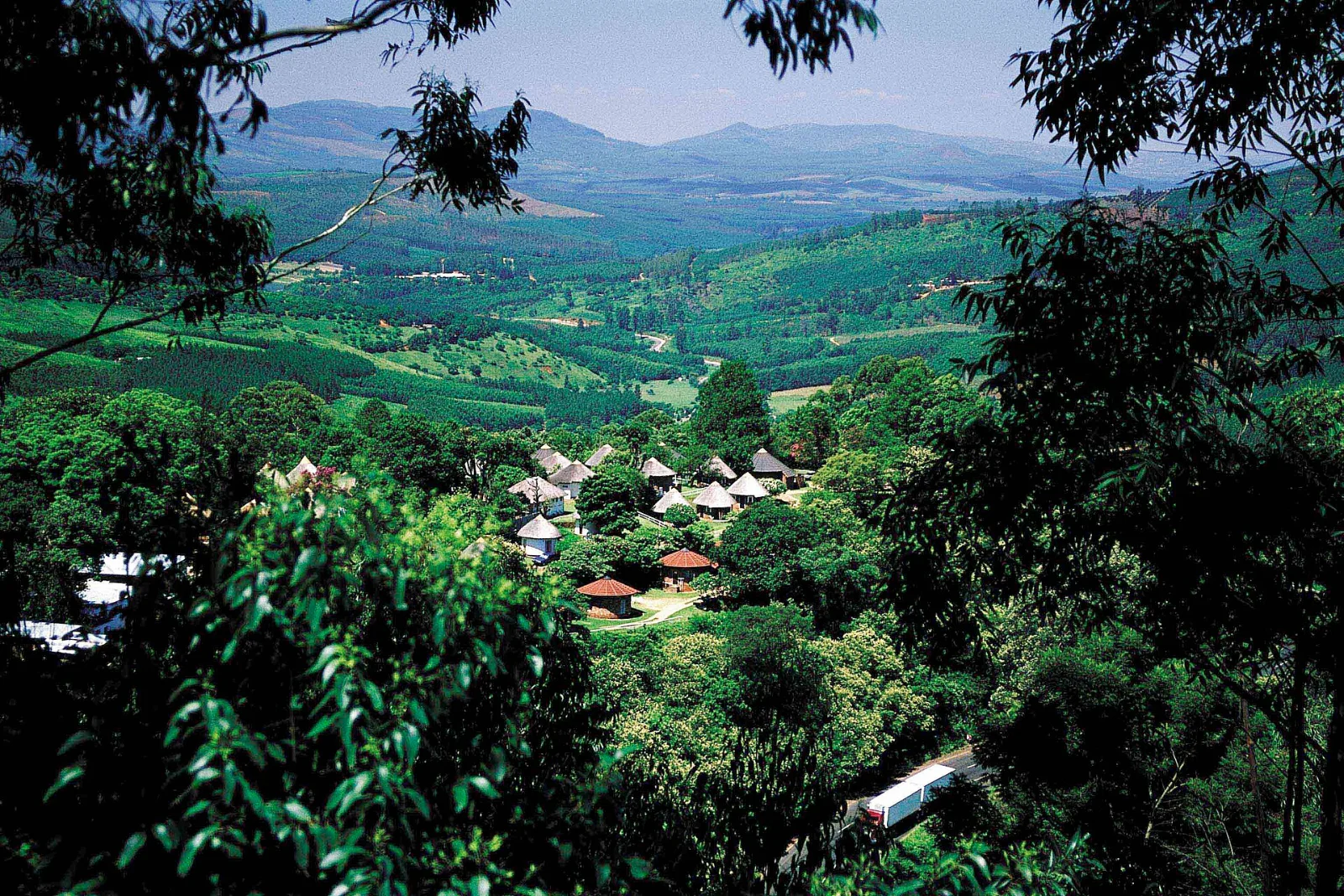
The Ramadipha River drops 90 m at Debengeni Falls into a large pool, and the forest around it is rich in birds. GoBirding says Grey Wagtail has been seen here between September and April almost every year, as if it had booked the same room, and Mountain Wagtail is regular. Check the forest for Lemon and Tambourine Doves, Chorister Robin-chat, Blue-mantled Crested Flycatcher and Scaly-throated Honeyguide, and listen in summer for Buff-spotted Flufftail. Half-collared Kingfisher and African Finfoot use the river, and a pair of Rufous-chested Sparrowhawks breeds nearby.
The turn-off is on the left 12 km east of the Magoebaskloof Hotel on the R71, and the falls are 3 km up the dirt road. Entry is R20 per person, there are picnic sites and short trails, and GoBirding warns that the smooth rock below the falls is dangerous when wet.
Haenertsburg grasslands and Bramasole
Most of the escarpment’s grassland has gone to timber, and GoBirding says only patches remain around Haenertsburg and in the Wolkberg. Those patches hold a small population of Blue Swallow, Gurney’s Sugarbird, Malachite Sunbird, Broad-tailed Warbler, Red-winged Francolin and Striped Flufftail.
The Louis Changuion Trail is the easiest way in. It starts at the Haenertsburg Village Hall on the main road and winds through 200 ha of protected grassland with forest patches; the full loop is 10 km, but sections can be walked on their own. Look for Wailing, Lazy, Croaking, Cloud and Wing-snapping Cisticolas, a list that reads like a description of a bad night’s sleep, and Drakensberg Prinia, Cape Grassbird and African Grass Owl, and for Olive Bushshrike and Forest Canary in the forest patches. For a shortcut, drive up to the village cemetery, which puts you in the middle of the grassland.
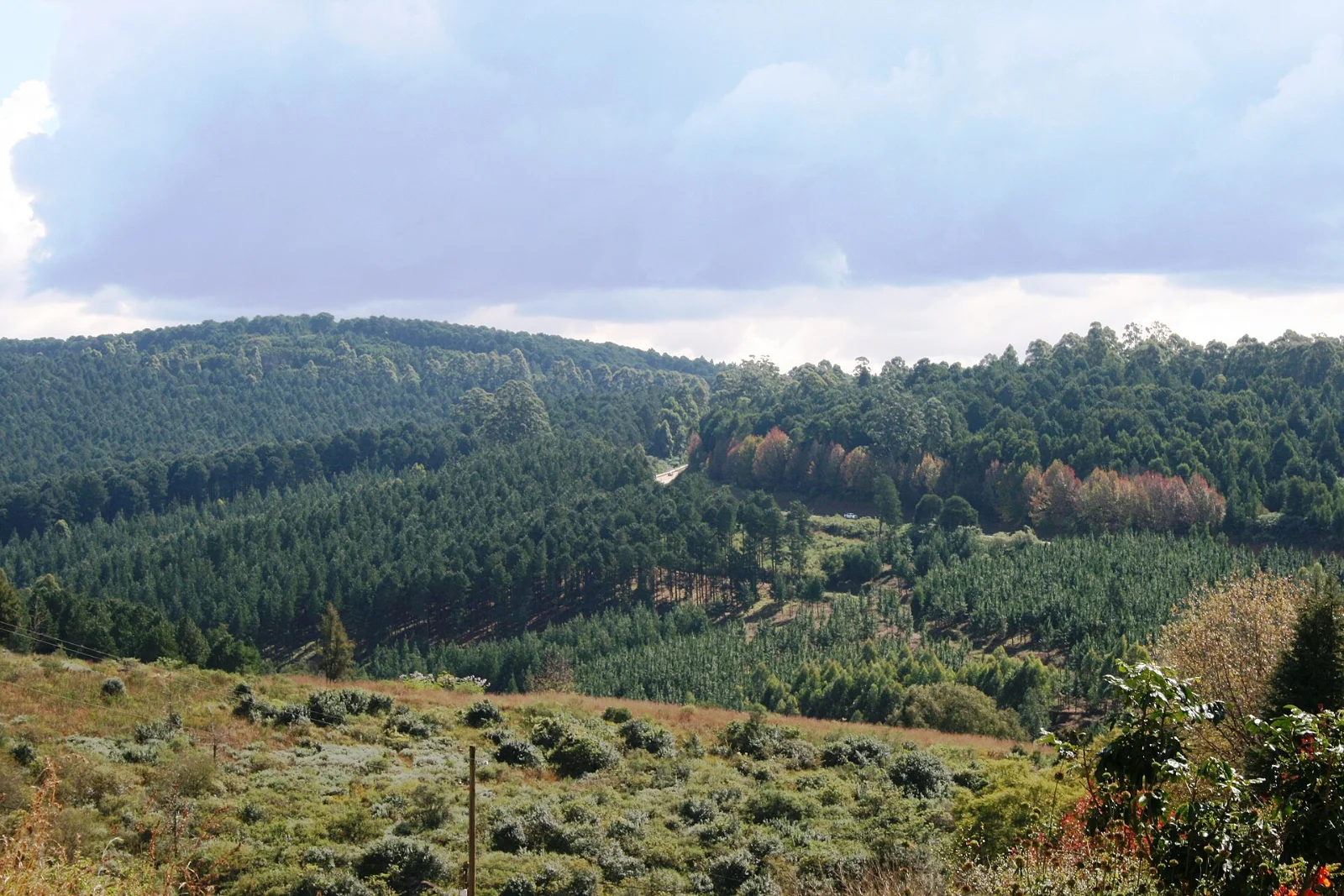
The grassland on both sides of the R71 just past the Magoebaskloof Hotel, signposted Bramasole, is a quick roadside stop on the way to Woodbush. GoBirding names Red-chested Flufftail, Drakensberg Prinia, Swee Waxbill and Cape Grassbird, with African Olive Pigeon overhead and Crowned Eagle, Forest Buzzard and Rufous-chested Sparrowhawk crossing between forest patches.
Kudu’s River Valley
For a change from forest, and from craning up at the canopy, the Kudu’s River Valley road runs 30 km on gravel between Houtbosdorp and Mooketsi, dropping about 1,000 m from the escarpment into bushveld. Verreaux’s, Crowned and Long-crested Eagles and Lanner Falcon hunt over the valley, the granite near the top has Cape Rock Thrush, Mocking Cliff Chat and Shelley’s Francolin, and the lower riverine stretch has Orange-breasted Bushshrike, Purple-crested Turaco and White-throated Robin-chat.
Where to stay
The directory has 7 places in and around Magoebaskloof, and 3 are built around birders.
Magoebaskloof Birders’ Cottages are 3 self-catering cottages on Dragonwyck Farm, off the R71 at the A46.5 Warriors turn-off and about 2 km down a dirt road. The farm has a bird hide in its house forest, forest trails and a feeding table at Narina Cottage, and records 152 species, among them Black-fronted Bushshrike, Orange Ground Thrush, Green Twinspot and White-starred Robin. It is BirdLife Recommended, from R580 per person sharing per night from March 2026 to February 2027.
Kuhestan Organic Farm has self-catering studios and cottages beside Woodbush Forest Reserve, about 45 minutes from Tzaneen. It publishes a bird checklist, arranges guided birding with a local guide, and names Cape Parrot, Narina Trogon, Orange Ground Thrush and Knysna Turaco from its forest-edge patios.
Stanford Lake Lodge, about 5 km from Haenertsburg on the R71, is BirdLife Recommended, has a bird hide and publishes a list by habitat, from forest and fern slopes to lakeshore reeds. It names Cape Parrot, Barratt’s Warbler, African Black Duck and Giant Kingfisher, and timber cabins start at R1,088 a night for 2, self-catering, in 2026.
Magoebaskloof Getaway, near Haenertsburg, hands guests a birding logbook on arrival, a fair hint about how it expects them to spend the stay, has a forest trail and a dam, and names Cape Parrot, Starred Robin, Bat Hawk and Wood Owl; log cabins start at R800 a night. Bramasole Guesthouse, the small hotel beside the Bramasole grassland off the R71, is BirdLife Recommended and takes guests from 14 years old.
Lower down, towards Tzaneen, Kings Walden Garden Manor in Agatha arranges guided birding walks in Magoebaskloof on request and keeps birding books in its library. Tzaneen Country Lodge on the R71 has a bird hide and lists nearby sites, giving over 350 species for Tzaneen Dam.
GoBirding’s recommended stays for Woodbush also include Kurisa Moya Nature Lodge at Houtbosdorp, which is not yet in the directory.
The places in this guide, with what each offers a birder:
| Place to stay | Where | For birders | From |
|---|---|---|---|
| Magoebaskloof Birders’ Cottages | Dragonwyck Farm, Magoebaskloof | Forest hide, feeding table, 152 species, BirdLife Recommended | R580 pp sharing, self-catering |
| Kuhestan Organic Farm | Beside Woodbush Forest Reserve | Bird checklist, local bird guide, Cape Parrot | Ask the lodge |
| Stanford Lake Lodge | Near Haenertsburg, R71 | Bird hide, list by habitat, Cape Parrot | R1,088 for 2, self-catering |
| Magoebaskloof Getaway | Near Haenertsburg | Birding logbook, forest trail, Bat Hawk, Wood Owl | R800 a log cabin |
| Bramasole Guesthouse | Off the R71, Magoebaskloof | BirdLife Recommended, beside the Bramasole grassland | Ask the lodge |
| Kings Walden Garden Manor | Agatha, near Tzaneen | Guided birding walks on request, birding library | Ask the lodge |
| Tzaneen Country Lodge | R71, Tzaneen | Bird hide; over 350 species at Tzaneen Dam | Ask the lodge |
Guides and timing
GoBirding lists 2 local guides for the Woodbush area: Paul Nkhumane (+27 73 670 5857) and David Letsoalo (+27 83 568 4678). In forest this thick, a guide who knows the calls of the bushshrike and the ground thrush is the quickest way to see them.
Summer, from about October to March, is the noisy season: African Emerald Cuckoo calls in Woodbush and Buff-spotted Flufftail at Debengeni, and Grey Wagtail is possible at the falls from September. The forest residents are there all year, and in no hurry to be seen. Whatever the month, start at first light, when the Bronze-naped Pigeons are on the move, and expect slippery gravel after rain. If you are going on to Kruger, see the Kruger birding guide.
Road conditions, fees and rates change. Facts were checked between 9 and 13 November 2026 against BirdLife South Africa’s GoBirding guides to the Northern Escarpment sites on the Capricorn-Letaba Birding Route and each place’s listing on Birding Dispatch. Confirm access and rates with each place before you go.
More from the Journal
 Namib-Naukluft and Sossusvlei for Birders: Dune Lark, Desert Raptors and the Naukluft SpecialsA lark that lives on the dunes and nowhere else, Lappet-faced Vultures nesting in the desert, coursers on the gravel plains and the northern specials around the Naukluft cliffs, in one of Africa's largest parks.
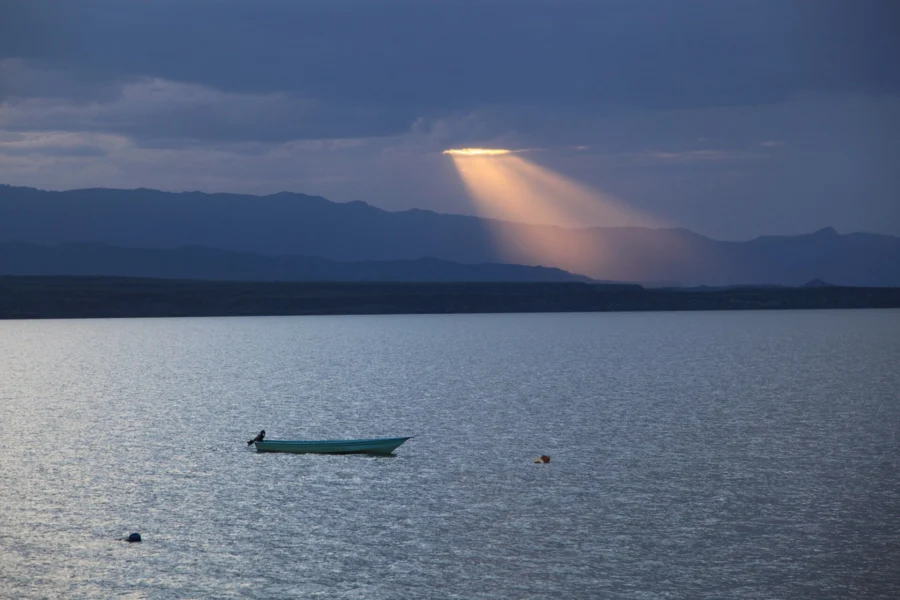 Lake Baringo and Lake Bogoria Birding: The Owl Walks, the Cliffs and the FlamingosA local guide who knows where every nightjar and eagle-owl slept last night, thorn scrub full of hornbills, a Goliath Heron colony on a rock, and the flamingo lake next door that keeps rising.
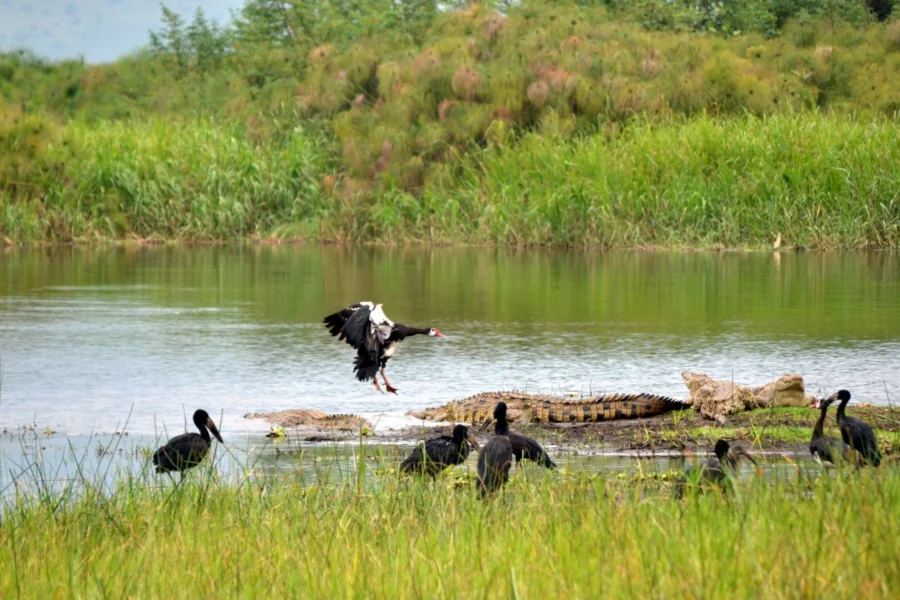 Akagera Birding: Rwanda’s Savanna, Lakes and Papyrus, and the Shoebill ChancesRed-faced Barbet in the southern woodland, Papyrus Gonolek and Carruthers's Cisticola in the swamps, a lake of hippos and lapwings, and a Shoebill that hides in the wetlands more than it shows.
The Pigeon Post
Every Thursday: 1 bird, 1 place to go and 1 place to stay, by email. Sign up and get our printable checklist of the 163 endemics of southern Africa.