
How to Choose a Birding Lodge in South Africa, and 8 Stays That Get It Right
What BirdLife South Africa's Recommended label checks, which guide qualifications matter, why hides, feeders, early starts and private vehicles decide a birding trip, and 8 stays from Pafuri to Simon's Town with their rates.
A lodge that suits a safari couple can be the wrong place for a birder. Breakfast at 08:00, a drive that sits with a lion for an hour, a guide who calls everything small “a little brown job”: each costs species, and the lion was never going anywhere. The places that work for birders are built around first light, and the clues are on their websites if you know where to look.
The places at a glance
| Place to stay | Where | For birders | From |
|---|---|---|---|
| Karoo Secret Farm Stay | Near Aberdeen, Eastern Cape | Downloadable checklist, signposted Lark Route, Sclater’s Lark | Ask the lodge |
| Pafuri Camp | Makuleke, northern Kruger | Pel’s Fishing Owl, Racket-tailed Roller, guided night drives | R8,450 pp sharing, all-inclusive |
| Sabi Sabi Little Bush Camp | Sabi Sand, Mpumalanga | 350+ species, specialised birding guides, Pel’s Fishing Owl | R32,900 pp sharing, fully inclusive |
| Magoebaskloof Birders’ Cottages | Magoebaskloof, Limpopo | Black-fronted Bushshrike, Green Twinspot, 152-species farm count | R580 pp, self-catering |
| Malkoha Lake St. Lucia | iSimangaliso, KwaZulu-Natal | Green Malkoha; floodplain drive for Rosy-throated Longclaw | R4,000 a Double Chalet |
| Forellenhof Guest Farm | Wakkerstroom, Mpumalanga | Rudd’s and Botha’s Larks, community bird guides, hides | R1,500 for 2, self-catering |
| !Xaus Lodge | Kgalagadi, Northern Cape | Sociable Weaver, raptors, published bird list | R7,820 pp sharing, full board |
| Grootvadersbosch Cabins | Overberg, Western Cape | 196+ species, Narina Trogon, Crowned Eagle, forest hides | R1,460 a cabin for 1 or 2 (off peak) |
| Avian Leisure | Simon’s Town, Western Cape | Cape Sugarbird, Orange-breasted Sunbird, BirdLife Recommended | R2,545 for 2 (Shearwater) |
The short answer
Start with BirdLife South Africa’s Recommended label, then check 5 things: a guide with a birding qualification or a named local bird guide you can book, a hide or feeder on the property, breakfast or coffee early enough to be out at first light, a bird list you can read before you go, and the chance of a private vehicle or a self-drive. Self-catering cottages often score better than expensive lodges on the last 2, which is one of birding’s happier sums.
What the BirdLife Recommended label checks
BirdLife South Africa’s Recommended Accommodations appear as green pins on its GoBirding map. BirdLife says each has been vetted against criteria that include resources for birders, local knowledge of birding sites and guides, and eco-friendly water and power use. Members are encouraged to support conservation projects, and BirdLife suggests a discount for BirdLife members, so ask when you book.
The label is a paid membership with a small annual subscription, and BirdLife says the logo means a place can cater to birders and is a responsible tourism operator. The full checklist is not published, so treat the logo as a floor rather than a promise of Pel’s Fishing Owl at breakfast. The Birding Dispatch directory has a BirdLife filter, next to filters for a guide on staff, hides, feeders and early breakfast.
A guide who knows birds, not just game
A general field guide qualification is not a birding one, so ask whether the guide holds a FGASA birding qualification. FGASA’s Regional Bird Guide (NQF4) needs a compulsory workbook, a slide and sound assessment on a core species list plus 1 biome at 75%, and a practical assessment in the field; all 9 biomes earn the National Birding certificate. FGASA SKS Birding, open only to Professional Field Guides, adds a theory exam and an open-book slide test.
The other option is a BirdLife South Africa Community Bird Guide. BirdLife says around 50 are active, mostly in the north-east, with access to private sites. They are freelancers: you agree the fee directly, and the guide usually joins you in your own vehicle, which turns a hired hatchback into a birding truck. Magoebaskloof Birders’ Cottages keeps a list of recommended local guides on its website.
Hides, feeders and water
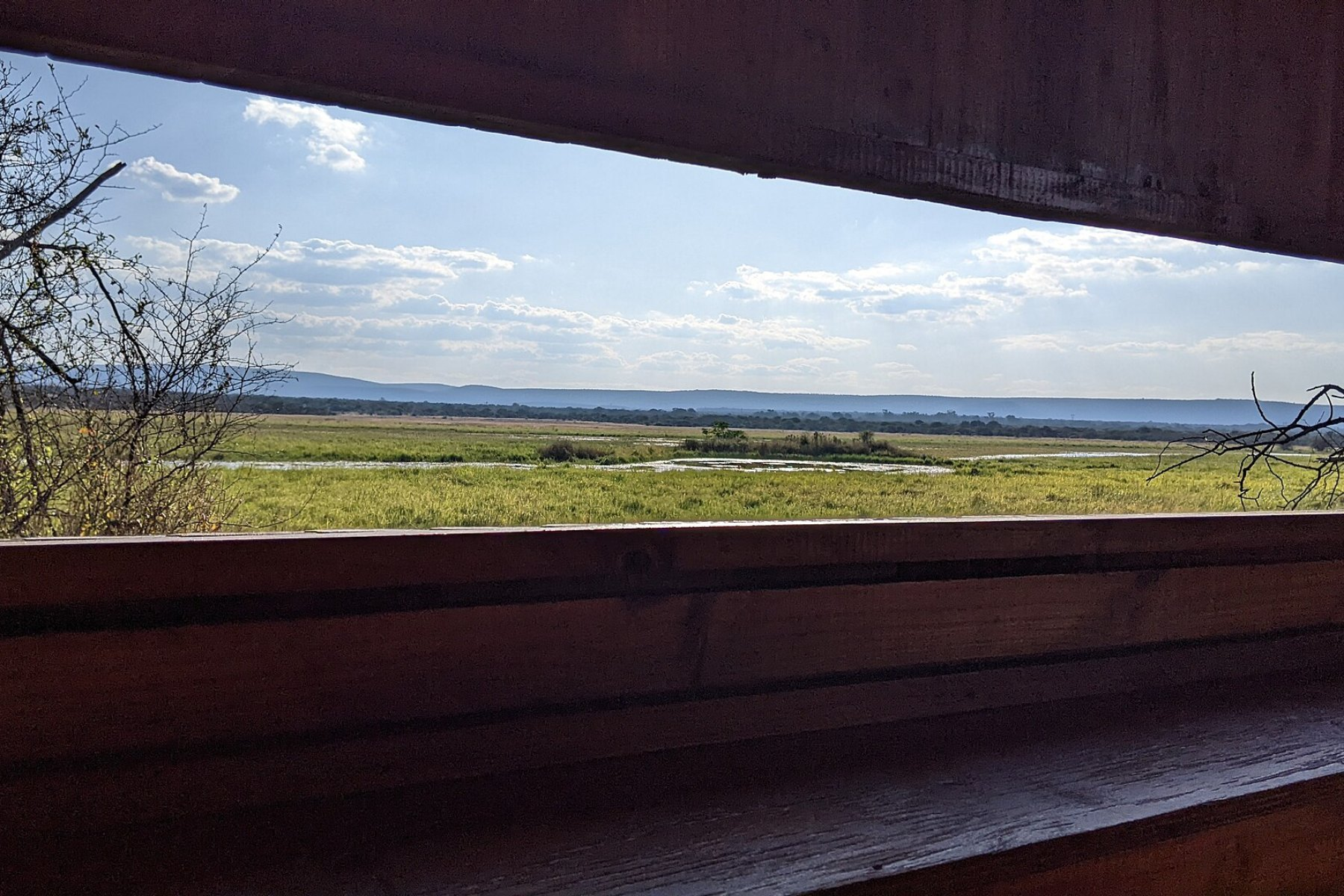
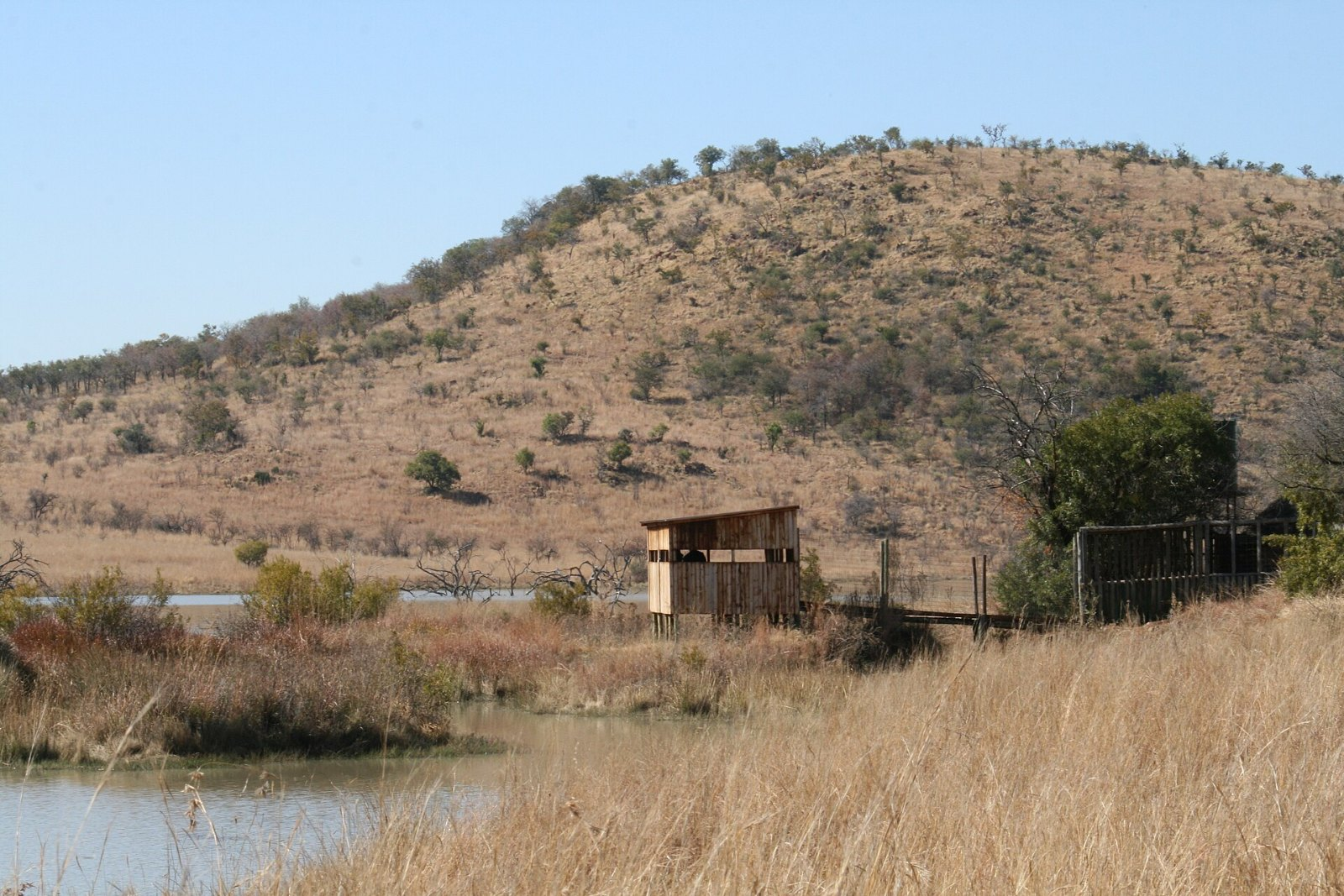
A hide on the property lets you bird between drives without the car. Magoebaskloof Birders’ Cottages has a hide in its farm forest and a feeding table at Narina Cottage. Grootvadersbosch has 2 forest hides, into and over the canopy. Malkoha has a small photography hide and several water features. In Kruger, SANParks lists 11 public hides, and Lake Panic fills up because it is close to Skukuza, so the name sometimes describes the parking. Ask how near the hide is and which way it faces.
Early starts and flexible drives
Birders want to be out at first light, and a lodge’s timetable decides whether you are. In Kruger, SANParks opens the gates at 05:30 from November to February. Malkoha serves coffee, chai or rusks before activities, then breakfast in the bush or a lake brunch. Self-catering hands you the clock: at Forellenhof, cottage guests can add breakfast for R100 a person or make their own coffee before dawn. On a shared drive, ask whether the guide will stop for birds, and how small a bird has to be before the answer changes.
Bird lists you can read before you go
Karoo Secret Farm Stay near Aberdeen offers a downloadable checklist compiled by Barry Kurten, and a signposted Lark Route on the farm. !Xaus Lodge publishes a bird list for the dunes. Magoebaskloof Birders’ Cottages puts its farm count at 152 species and posts recordings of the farm’s bird calls. Read the list for your targets, then ask when they were last seen. The list is the promise; the last sighting is the evidence.
Private or shared vehicles
On a shared vehicle, the group decides how long to stay at a sighting, and a birder waiting for a cuckoo to call loses to 4 guests who want leopard. Ask whether a private vehicle is offered and what it costs. Small camps help: Sabi Sabi Little Bush Camp has 6 suites and runs birding safaris on foot or by vehicle with specialised birding guides. Self-drive parks and self-catering farms avoid the problem, and a Community Bird Guide in your own car gives you a private birding drive.
8 stays that get it right
Pafuri Camp, northern Kruger
Pafuri Camp sits on the Luvuvhu River in the community-owned Makuleke Contract Park and is BirdLife Recommended. GoBirding calls Pafuri one of the best birding areas in Kruger, for Pel’s Fishing Owl, Racket-tailed Roller, Crested Guineafowl, Tropical Boubou and Three-banded Courser, and says lodge guests in the concession can take guided drives after dark. From R8,450 (about US$510) per person sharing a night, all meals and 2 activities included, 2026/27 rack rate, checked 9 November 2026. For the park’s other camps, see the Kruger birding guide.
Sabi Sabi Little Bush Camp, Sabi Sand
Sabi Sabi Little Bush Camp suits birders who also want big game. Sabi Sabi says its reserve holds over 350 species and sets 6 big birds as targets, among them Pel’s Fishing Owl, Martial Eagle and Southern Ground Hornbill, with March to August for resident raptors and September to February for migrants. Over-13s only unless booked exclusively. From R32,900 per person sharing a night, fully inclusive, March 2026 to February 2027, checked 10 November 2026.
Magoebaskloof Birders’ Cottages, Limpopo
Magoebaskloof Birders’ Cottages are 3 self-catering cottages on Dragonwyck Farm on the escarpment, a short drive from Woodbush Forest Reserve. The farm names Black-fronted Bushshrike, Narina Trogon, Orange Ground Thrush, Green Twinspot and Forest Buzzard, and it is BirdLife Recommended. R580 per person a night from 1 March 2026 to 28 February 2027, with a 2-night minimum at weekends, checked 11 November 2026.
Malkoha Lake St. Lucia, KwaZulu-Natal
Malkoha Lake St. Lucia is a 40-minute ferry ride from False Bay, on the Kwa-Nibela Peninsula in iSimangaliso. The lodge puts the area’s count at over 400 species, names Green Malkoha, Neergaard’s Sunbird, Rudd’s Apalis and Pink-throated Twinspot, and runs a floodplain drive for Rosy-throated Longclaw. From R4,000 a night for a Double Chalet, checked 11 November 2026; the lodge sells a rate with meals and 2 guided activities a day and a separate bed and breakfast rate, so confirm which you are booking.
Forellenhof Guest Farm, Wakkerstroom
Forellenhof Guest Farm is 3 km from Wakkerstroom, in the Grassland Important Bird Area. The farm names Rudd’s Lark, Botha’s Lark, Yellow-breasted Pipit, White-winged Flufftail and Southern Bald Ibis, puts guests in touch with community bird guides and points them to 4 community-run wetland hides nearby. Summer is the season. From R1,500 a night for 2 in the Laughing Duck Stone Cottage, self-catering, on SA-Venues, checked 11 November 2026.
!Xaus Lodge, Kgalagadi
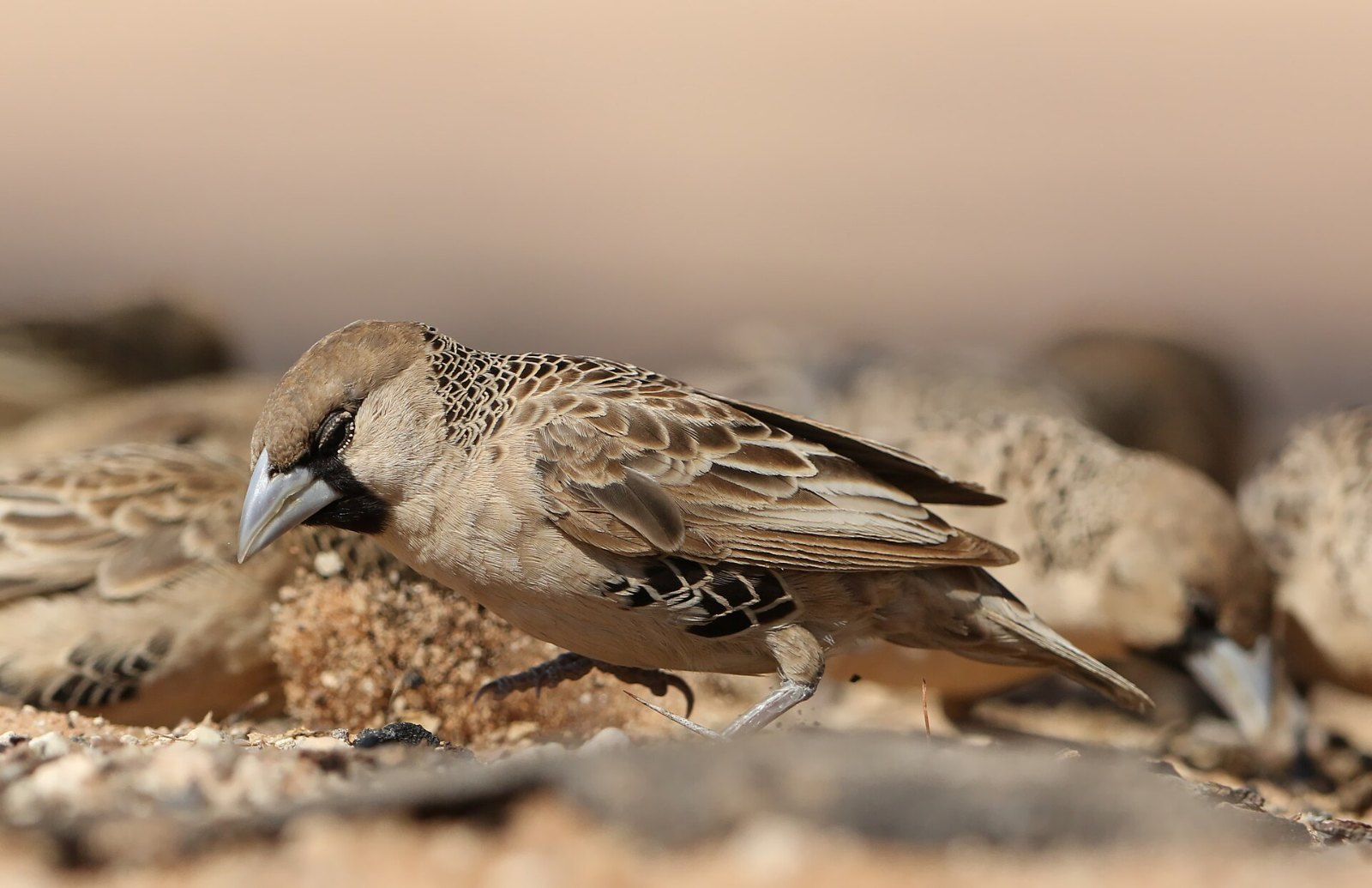
!Xaus Lodge is owned by the ‡Khomani San and Mier communities and looks over a pan from a red dune. The lodge says the park has over 260 recorded species, with raptors on the thermals and Sociable Weavers nesting in the camelthorns. There is a 2-night minimum. R7,820 per person sharing a night, full board with drives and a guided walk, to 28 February 2027 (R4,390 for SADC residents), checked 9 November 2026. The SANParks conservation fee is extra.
Grootvadersbosch Cabins, Overberg
Grootvadersbosch Cabins are CapeNature’s self-catering cabins on a forest ridge near Heidelberg. CapeNature says more than 196 species are regularly seen in the reserve, including Narina Trogon, Crowned Eagle and Striped Flufftail. R1,460 a night for 1 or 2 people in a 4-sleeper cabin off-peak, R2,080 peak, checked 11 November 2026.
Avian Leisure, Simon’s Town
Avian Leisure has 2 self-catering apartments above the Boulders penguin colony, so the neighbours are loud but well dressed. They are run by Patrick and Marie-Louise Cardwell, who also run birding and pelagic trips from Cape Town. The fynbos garden draws Cape Sugarbird, Orange-breasted Sunbird and Malachite Sunbird, and it is BirdLife Recommended. R2,545 a night for 2 in the 2-bedroom Shearwater apartment, 3-night minimum, on SA-Venues for mid-November dates, checked 11 November 2026.
Questions to ask before you pay a deposit
Ask what time the first coffee is served and whether a packed breakfast is possible. Ask who will guide you, what birding qualification they hold, and whether a private vehicle costs extra. Ask for the bird list and the date of the last sighting of your top target. Ask whether you get a discount as a BirdLife member. A lodge that answers all 4 by return email is likely to run the trip the same way: early and to the point. For the wider safari picture, Safari Dispatch has a guide to the best places for birding on safari.
Rates, minimum stays and activities change. Facts were checked between 9 and 11 November 2026 with BirdLife South Africa’s GoBirding and accommodation pages, FGASA’s bird guide qualification documents, SANParks, CapeNature and the websites and booking pages of each stay. Confirm rates and what they include directly with the lodge before you book.
More from the Journal
 Zululand Birding Route: a 10-Day Loop by Car from DurbanA 10-day self-drive from King Shaka airport: Dlinza's canopy, Green Barbet at Ongoye, the Cape Vidal road, Hluhluwe-iMfolozi's vultures, the uMkhuze hides and Ndumo's pans, with a birder-friendly roost every night.
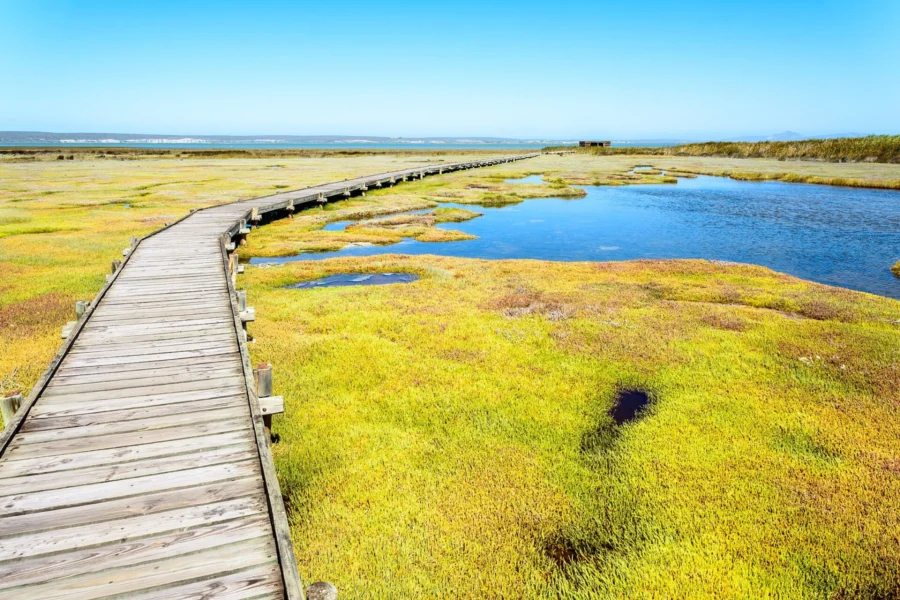 West Coast and Karoo Birding Route: 10 Days by Car from Cape TownA 10-day self-drive from Cape Town: Langebaan's waders, the Berg River pans, Rocherpan's hides, 40,000 gannets at Lambert's Bay, Cape Rockjumper in the Cederberg and larks in the Tankwa, with a birder-friendly roost every night.
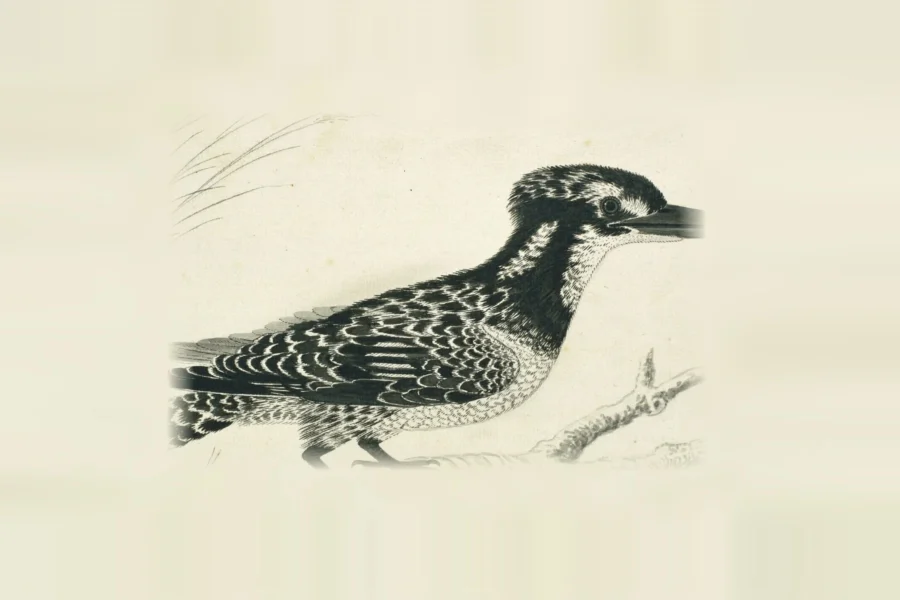 Where to Stay for Birding Big Day: The Best Bases for a Big CountOn Saturday 5 December, teams all over South Africa count from wherever they draw their circle. 9 places to stay whose 50 km circle takes in river, forest, grassland, wetland and dry bush, from Pafuri Camp in the far north of Kruger to De Hoop on the south coast.
The Pigeon Post
Every Thursday: 1 bird, 1 place to go and 1 place to stay, by email. Sign up and get our printable checklist of the 163 endemics of southern Africa.