
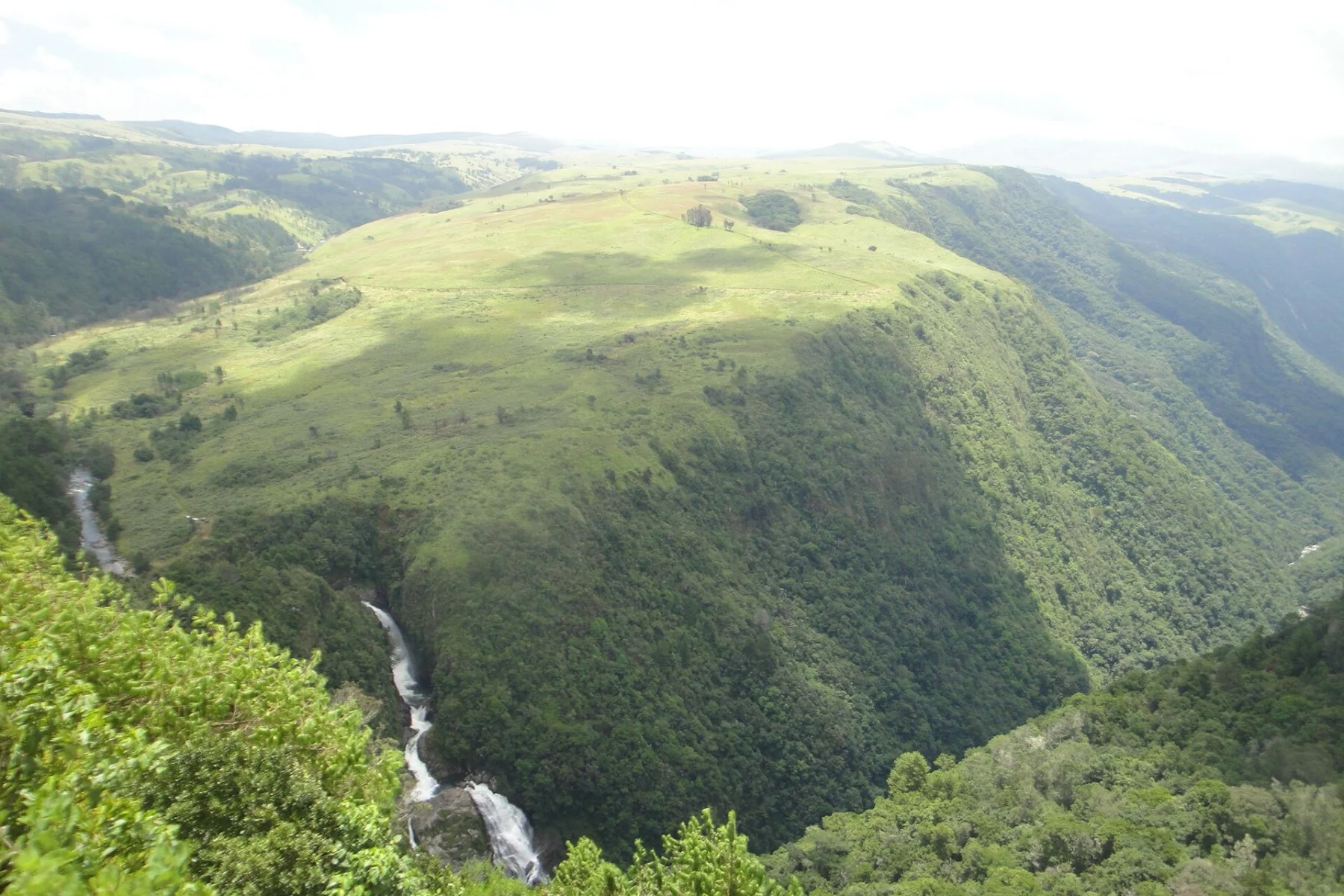
Zimbabwe’s Eastern Highlands for Birders: the Vumba, Nyanga, Chimanimani and Where to Stay
Swynnerton's Robin in the Vumba mist, Blue Swallows over the Nyanga grassland, Gurney's Sugarbird on the Chimanimani plateau and the lowland forest of the Honde Valley, with the places to stay.
At Seldomseen, in the hills above Mutare, a Birding Ecotours group heard Swynnerton’s Robin calling on a wet November morning in 2024 and did not see it, which is how most acquaintances with this robin begin. It took an afternoon in Bunga Forest with a local guide, Bulawesi, who knew where the territories were, before the group had a male in view. That is birding in Zimbabwe’s Eastern Highlands: small forests, mist, a handful of birds found almost nowhere else in southern Africa, and a lot of patience.
The highlands run along the Mozambique border in a chain of mountains. Nyanga is the northern end, about 70 km north-east of Mutare. The Vumba (also spelt Bvumba) is about 25 km south-east of the town, Chimanimani village is about 125 km south of it, and Chirinda Forest sits 30 km south of Chipinge. BirdLife Zimbabwe lists all of them as Important Bird Areas. Between them they hold Swynnerton’s Robin, Roberts’s Warbler, Chirinda Apalis, Blue Swallow and Gurney’s Sugarbird, and the Honde Valley below Nyanga adds lowland forest birds shared with Mozambique.
The Vumba: the robin and the forest specials
BirdLife Zimbabwe’s account of the Bvumba Highlands gives 242 species and calls Swynnerton’s Robin, Roberts’s Warbler and Chirinda Apalis common here. It also rates Bronzy Sunbird common, Gurney’s Sugarbird fairly common and Red-faced Crimsonwing uncommon. The robin is the bird visitors come for. BirdLife Zimbabwe puts the Vumba population at 20 to 50 breeding pairs, and it lives in small forest patches, some of them on private land and some inside the Bunga Forest Botanical Reserve.
The 2024 Birding Ecotours group stayed at Seldomseen Cottages and found Roberts’s Warbler, Chirinda Apalis and Orange Ground Thrush around the grounds before breakfast, a decent haul before the coffee. The robin needed the guide. Book a local guide before you arrive, and plan 2 mornings rather than 1, because rain and mist can close a morning down. The tour report says Seldomseen lived up to its name in heavy rain.
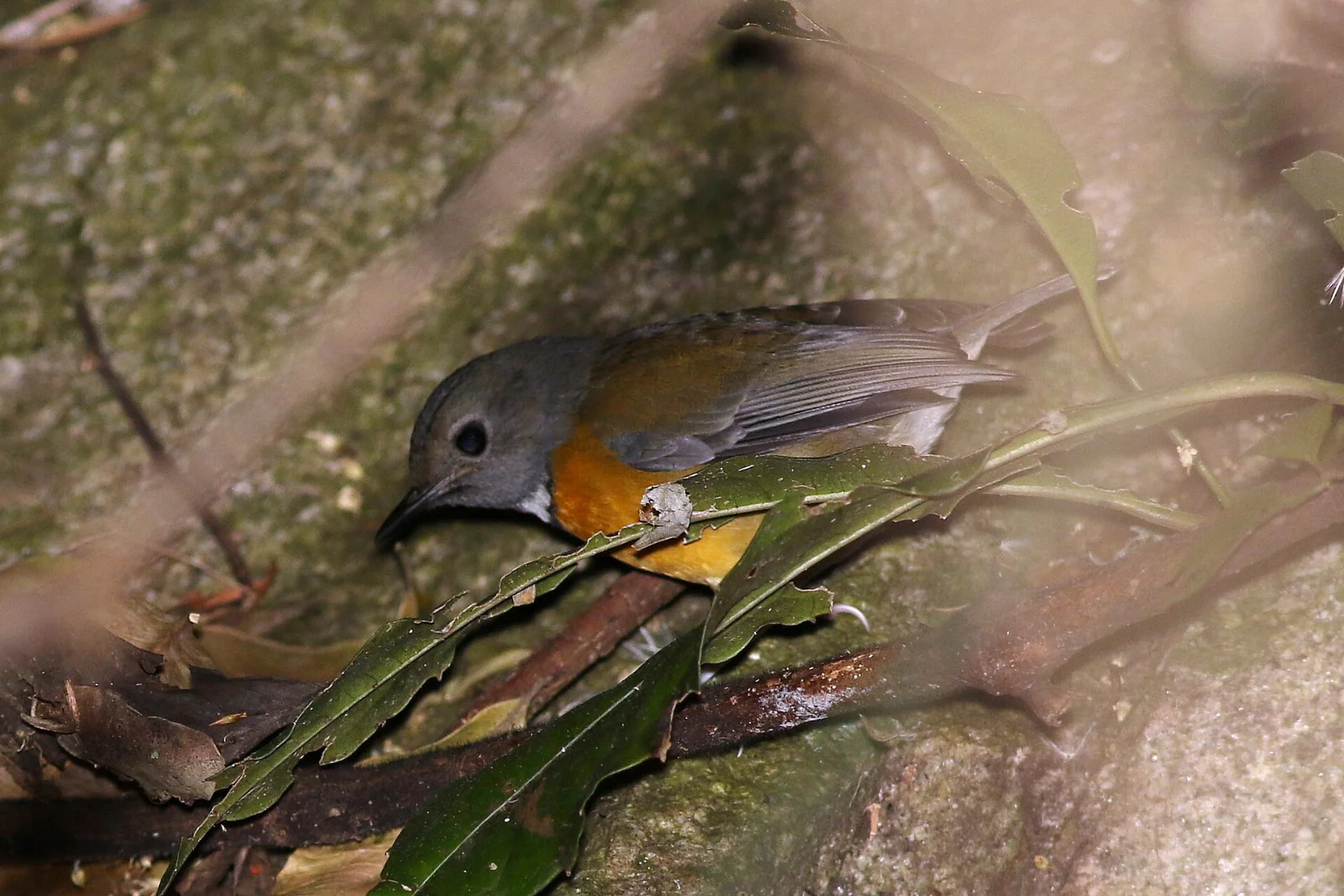
Nyanga: Blue Swallows over the high grassland
Nyanga is the place for Blue Swallow. BirdLife Zimbabwe’s Nyanga Mountains account estimates 150 to 250 breeding pairs and 400 to 600 birds in the grasslands of the national park and the land around it, which makes it the most important Blue Swallow site in the country. The swallow is an intra-African migrant that arrives in September and nests in old Aardvark burrows, a swallow living below ground in second-hand housing, so it is a summer bird here. The 2024 Birding Ecotours group visited a known nest site in Nyanga National Park and had good flight views.
The same account lists 246 species for Nyanga, with Roberts’s Warbler and Chirinda Apalis in the forest and 14 of Zimbabwe’s 23 Afrotropical Highlands species. Wattled Crane breeds in the park and on nearby farms, at 4 to 6 pairs, and Taita Falcon is seen rarely but probably breeds. The landscape is high: Nyangani rises to 2,592 m, and the Mtarazi Falls drop about 380 m off the escarpment.
The threat to the swallows is visible from the road. Pine and wattle plantations spread into the grassland, and an unpublished survey in 1988 found that alien trees already affected 40% of the national park. BirdLife Zimbabwe names Blue Swallow as the bird under greatest threat at Nyanga.
The Honde Valley: rainforest below Nyangani
East of the Nyanga plateau the land drops to the Honde Valley, below 1,000 m. BirdLife Zimbabwe treats it as a separate Important Bird Area because it is warmer and more tropical, and says the rainforest on the south and east slopes of Nyangani is the largest continuous block of rainforest in Zimbabwe. Much of the lower forest has gone to tea, and what is left follows the rivers into the Aberfoyle and Eastern Highlands tea estates.
The species list here is different from the Vumba’s. BirdLife Zimbabwe names Plain-backed Sunbird, African Broadbill, Barred Long-tailed Cuckoo, Black-and-white Flycatcher, Pallid Honeyguide, African Pitta and Narina Trogon in these forests, and Palm-nut Vulture at a clump of introduced Raffia Palms on Aberfoyle Estate. It also notes recent reports of Swynnerton’s Robin in Gleneagles Mountain Reserve, the northern limit of the species in Zimbabwe. For the pitta and its short calling season, see our guide to where to see an African Pitta.
Aberfoyle Lodge is the base. Morgan, a bird guide on its staff, leads walks in the forest and takes guests out by pontoon on Wamba Dam. The 2024 Birding Ecotours group birded Katiyo Tea Estate with him at sunrise for Moustached Grass Warbler, Red-winged Prinia and Red-necked Falcon, heard Pallid Honeyguide at the lodge and watched Red-throated and Green Twinspots at the feeder, which is birding at its least strenuous.
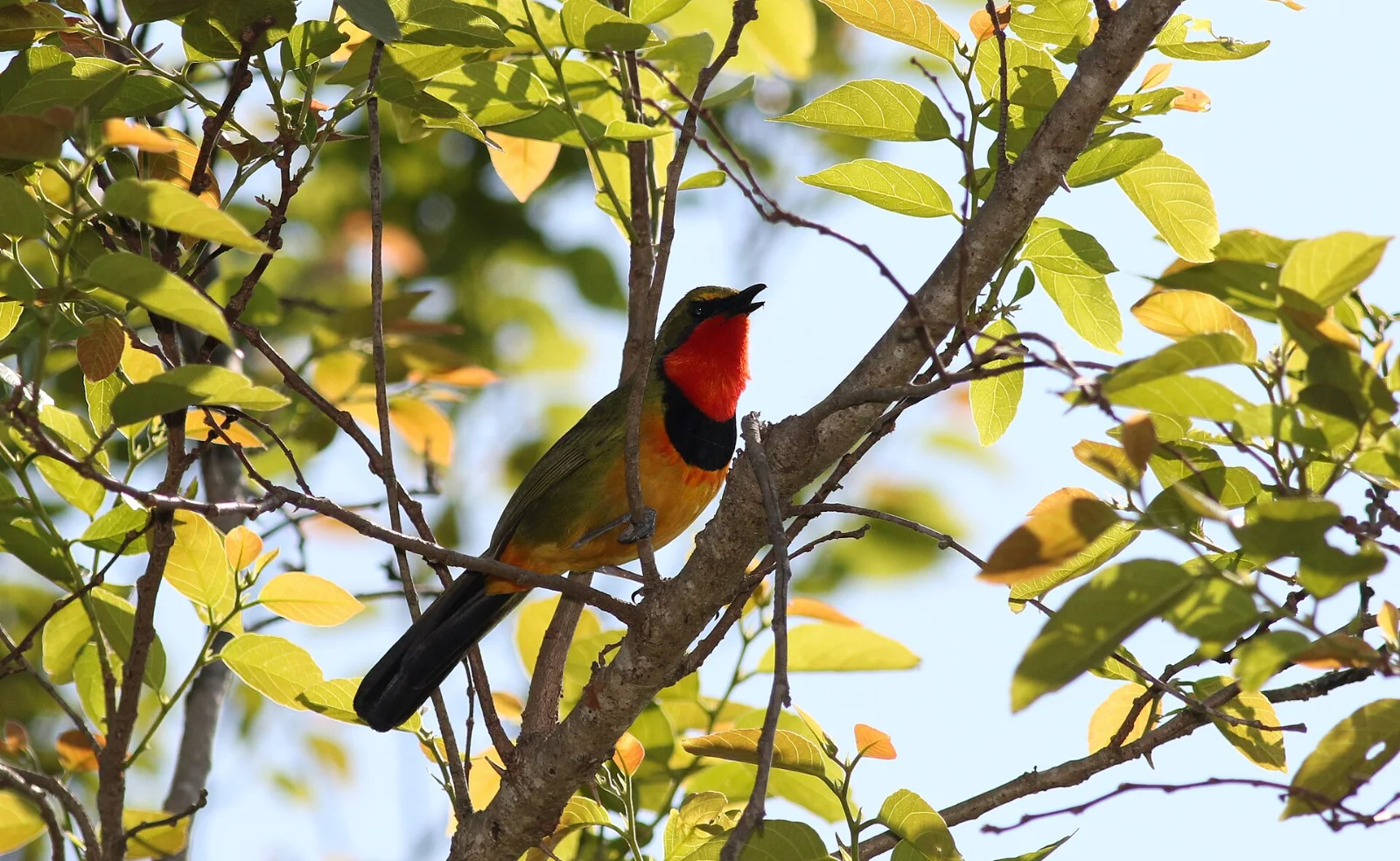
Chimanimani: on foot only
The Chimanimani Mountains are the southern end of the chain, a block of quartzite ridges that lies mostly in Mozambique. BirdLife Zimbabwe says the Zimbabwean side, most of it in the 171 km² national park, can only be reached on footpaths. Its checklist has 221 species. Charles Swynnerton collected the first Roberts’s Warbler here in 1906, and in the way of these things the warbler carries someone else’s name, and the mountains hold a race of Bokmakierie found nowhere else. Gurney’s Sugarbird feeds in the protea scrub on the plateau, and several pairs of Blue Swallow use the grassland. UNESCO named Chimanimani a Biosphere Reserve in 2022.
Heaven Lodge, in Chimanimani village, is the listed stay. It has cottages, budget rooms and camping, gives more than 300 species for the area and runs an Early Bird Walk of 8 km to Bridal Veil Falls with a small packed meal, which can be booked at short notice. Birds it names include Chirinda Apalis, Swynnerton’s Robin, Gurney’s Sugarbird, Blue Swallow and Livingstone’s Turaco, and it gives November to April as the season.
Chirinda: where the robin was named
Chirinda Forest covers 950 ha on the hilltops of Mount Selinda, 30 km south of Chipinge on a tar road, and the Forestry Commission runs it. It is the type locality of Swynnerton’s Robin, which BirdLife Zimbabwe says usually nests in Dracaena fragrans in the forest understorey. Its account counts 20 to 66 breeding pairs and 60 to 150 birds, and rates the robin fairly common here, with Chirinda Apalis common. Chirinda is also home to the Big Tree, a Khaya about 54 m tall and at least 1,000 years old, so it has seen a few birders come and go.
No place in the Birding Dispatch directory sits near Chirinda yet, so plan it as a long day from Chimanimani or a night in Chipinge.
When to go and how to plan
November and early December suit a birding trip. The swallows are back from September, the 2024 Birding Ecotours tour ran from 21 November to 3 December, and Heaven Lodge gives November to April as its season. Bring a rain jacket: mist and rain are part of the climate, and the Vumba’s name comes from the Shona word for mist, so nobody can say they were not warned.
The 2024 Birding Ecotours tour combined the highlands with Mana Pools for Lilian’s Lovebird and African Pitta, starting in Harare. Our Zimbabwe birding guide covers that route, the park fees and the road problems in the Zambezi Valley. ZimParks entry fees for Nyanga and Chimanimani in 2026 could not be confirmed from an official source, so ask ZimParks or your lodge before you go. For the turacos you will hear in these forests, see Africa’s turacos and where to find each one.
Where to stay
The 2 Eastern Highlands places in the directory, one at each end of the range:
| Place to stay | Where | For birders | From |
|---|---|---|---|
| Heaven Lodge | Chimanimani village, Zimbabwe | Early Bird Walk to Bridal Veil Falls, 300+ species | US$10 pp camping (groups of 10 or more) |
| Aberfoyle Lodge | Honde Valley, Zimbabwe | Bird guide on staff, forest walks, Wamba Dam pontoon | Ask the lodge |
Bird numbers come from BirdLife Zimbabwe’s Important Bird Area accounts and may be years old. Facts were checked on 14 November 2026 with those accounts, the Birding Ecotours November 2024 Zimbabwe trip report and each place’s Birding Dispatch listing. Confirm park fees with ZimParks and road conditions locally before you travel.
More from the Journal
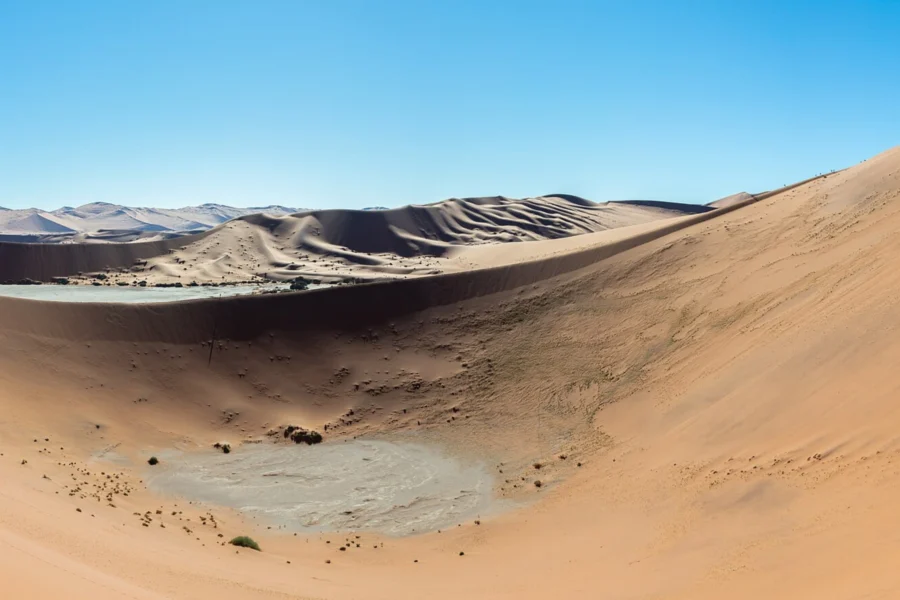 Namib-Naukluft and Sossusvlei for Birders: Dune Lark, Desert Raptors and the Naukluft SpecialsA lark that lives on the dunes and nowhere else, Lappet-faced Vultures nesting in the desert, coursers on the gravel plains and the northern specials around the Naukluft cliffs, in one of Africa's largest parks.
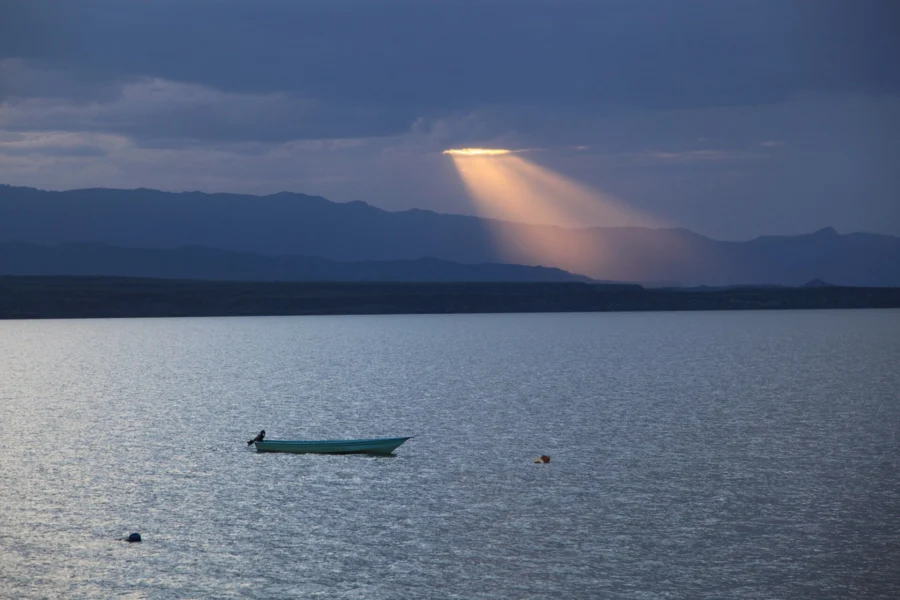 Lake Baringo and Lake Bogoria Birding: The Owl Walks, the Cliffs and the FlamingosA local guide who knows where every nightjar and eagle-owl slept last night, thorn scrub full of hornbills, a Goliath Heron colony on a rock, and the flamingo lake next door that keeps rising.
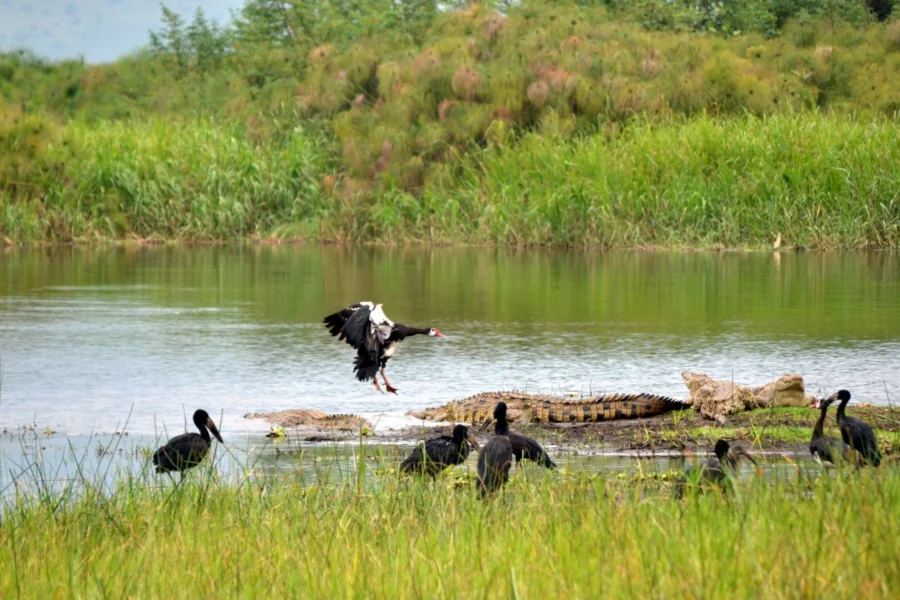 Akagera Birding: Rwanda’s Savanna, Lakes and Papyrus, and the Shoebill ChancesRed-faced Barbet in the southern woodland, Papyrus Gonolek and Carruthers's Cisticola in the swamps, a lake of hippos and lapwings, and a Shoebill that hides in the wetlands more than it shows.
The Pigeon Post
Every Thursday: 1 bird, 1 place to go and 1 place to stay, by email. Sign up and get our printable checklist of the 163 endemics of southern Africa.