
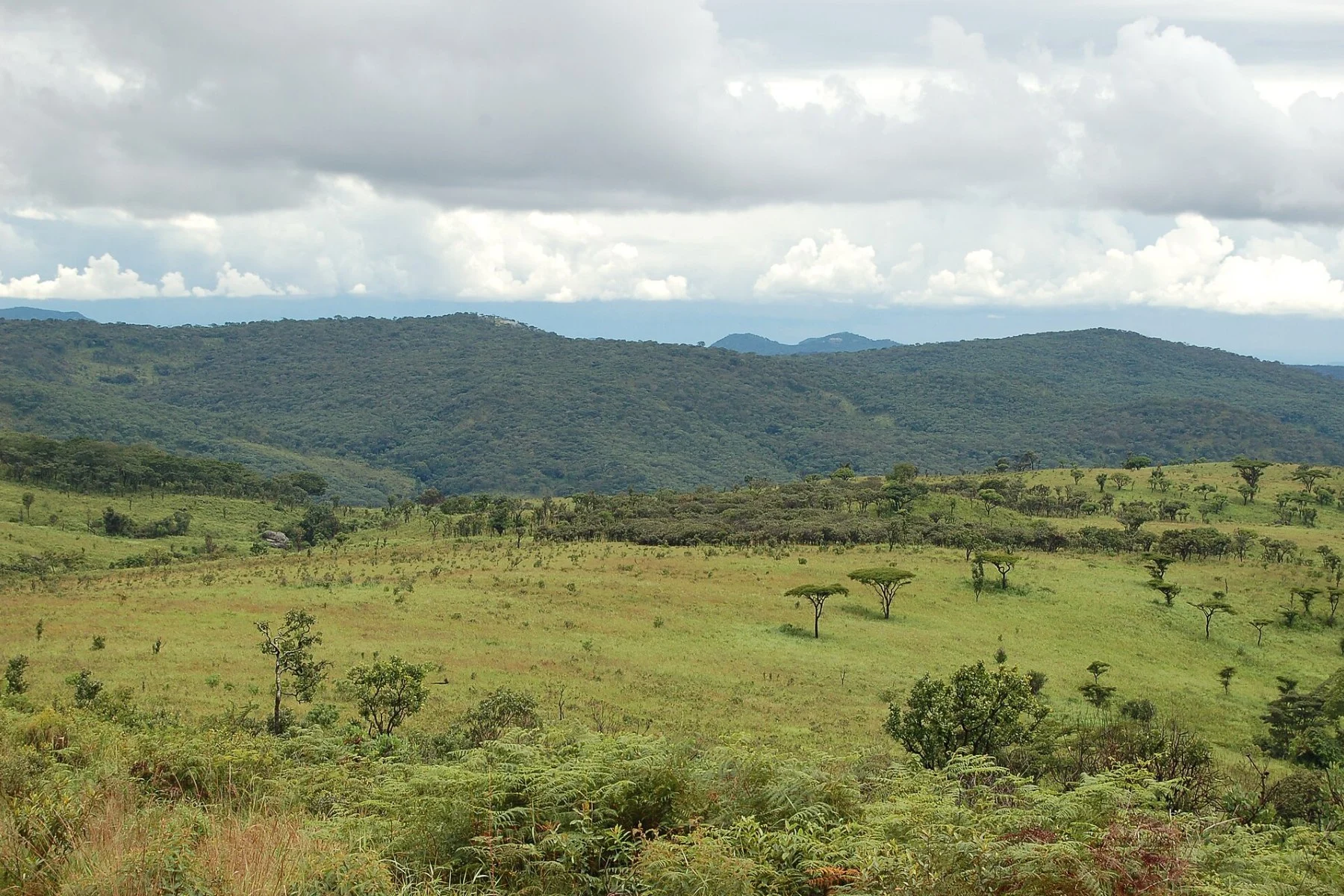
Nyika Plateau Birding: Malawi’s Montane Grassland and Forest Specials
Denham's Bustards on the high grass, Blue Swallows over it, Scarlet-tufted Sunbirds in the proteas and Bar-tailed Trogons in the forest patches, with the seasons, the long road north and where to stay.
On 8 February 2023, Daniel Branch and his companions went looking for a Scarlet-tufted Sunbird on the Nyika Plateau and found the flowers had gone over. The sunbird needs high-altitude flowering plants that are very local in the park, his trip report explains, and the rocky outcrop the lodge staff suggested had only 3 flowers left. After an hour, the group walked down the hill to check a road, found small flowering bushes they had not expected a couple of hundred metres below, and with them 2 males and a female. It is the Nyika in miniature: the birds are there, but the plateau decides which slope they are on today.
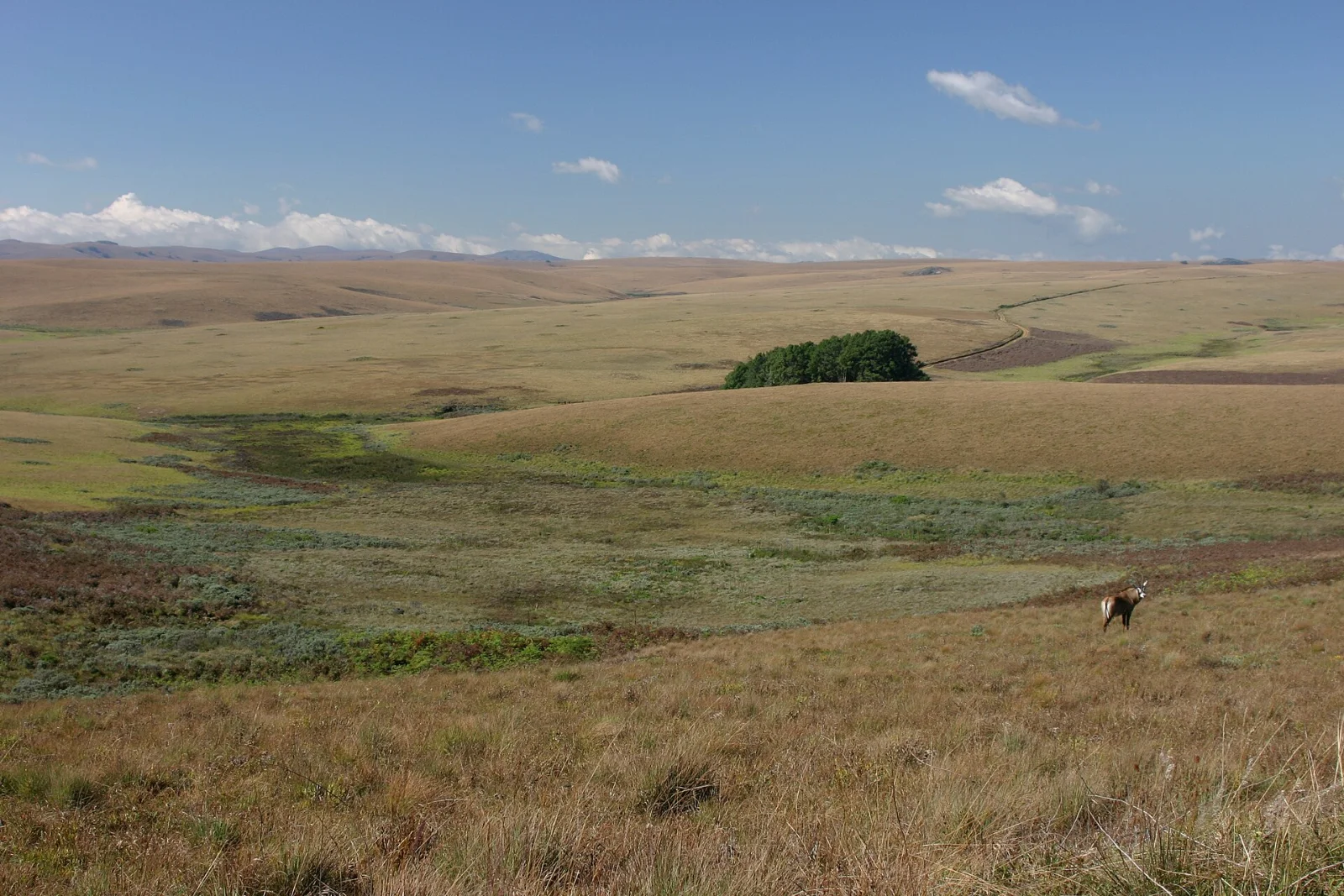
Nyika is Malawi’s largest national park, and Wikipedia gives it 3,134 km² covering nearly the whole Nyika Plateau in the far north. Peace Parks Foundation describes a montane grassland system rising more than 2,000 m above the surrounding bushveld, and Malawi’s Department of Tourism puts the highest point, Nganda Hill, at 2,600 m and the bird list at more than 420 species. The name is usually translated as “where the water comes from”, and Peace Parks says the catchments supply an estimated 10% of Lake Malawi’s freshwater, which makes it a very large sponge with very good birds on it.
The grassland specials
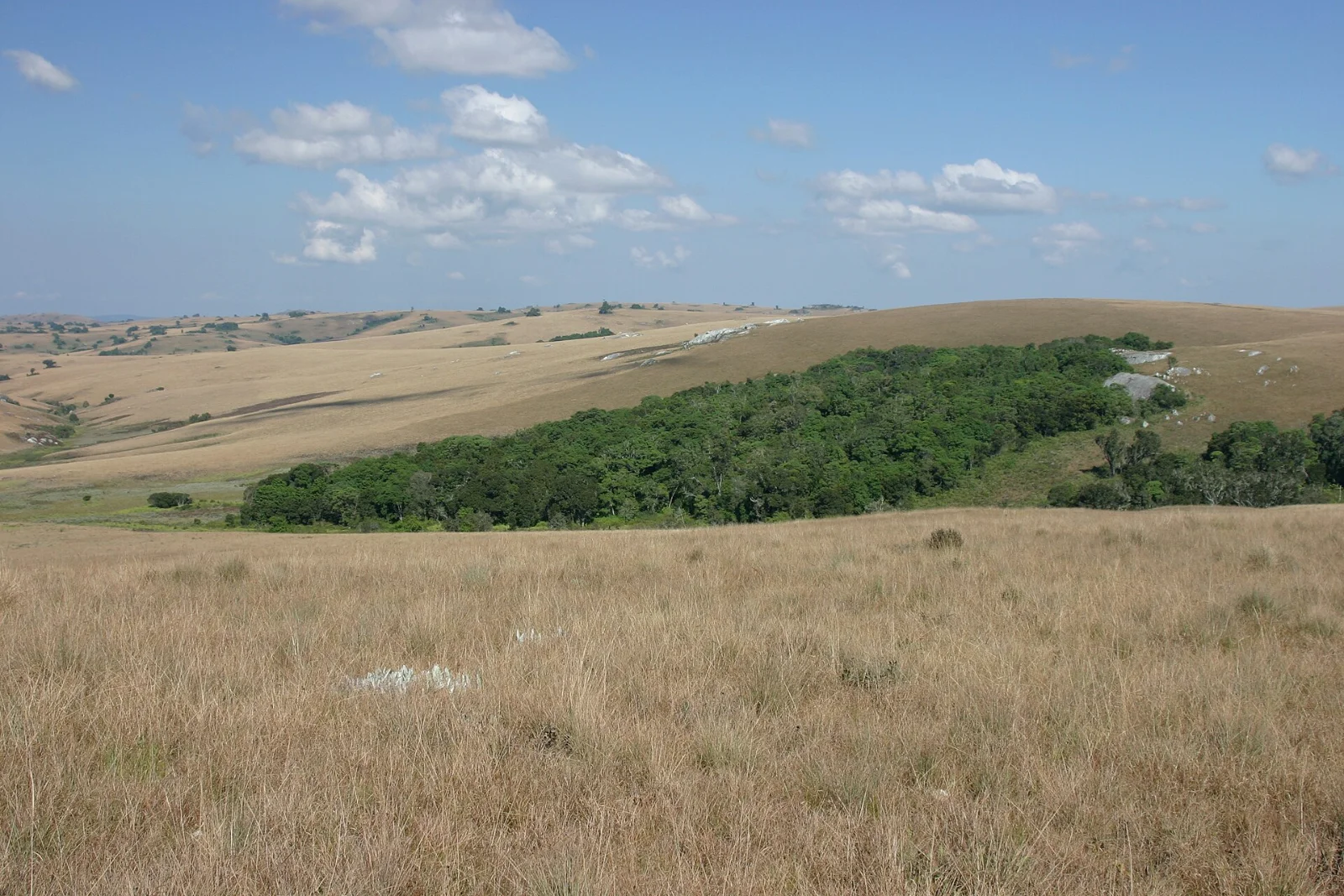
The open, rolling grassland is the reason most birders make the drive. Birding Ecotours, whose 16-day Malawi tour spends 3 nights on the plateau, says Denham’s Bustards are usually conspicuous up here, and Branch’s group counted 5 in a day. The endemic subspecies of Red-winged Francolin, which Birding Ecotours flags as a possible future split, plays hide and seek in the grass; Branch saw one on the road, which is the francolin’s preferred way of losing the game.
Black-lored and Churring Cisticolas are common, Montane Widowbirds display over the grass, and Blue Swallows hunt above it in good numbers, with smaller numbers of Angola Swallow. Birding Ecotours adds Pallid Harrier as a regular over the grasslands, and Branch’s group found good numbers of Eurasian Hobby, a male Pallid Harrier and Common Quail calling from the roadsides. For the bustards, see bustards and korhaans; for telling one cisticola from another in a stiff wind, see LBJs: cisticolas, larks and pipits.
Wattled Crane is the bird to hope for rather than plan around. Malawi’s Department of Tourism says Nyika’s breeding populations of Wattled Crane and Denham’s Bustard are by far the largest in the country, but the crane is not on Birding Ecotours’ Nyika target list or in Branch’s day lists.
Proteas, streams and the rank growth
The denser patches along the streams hold their own set. Birding Ecotours lists Mountain Yellow Warbler, Cinnamon Bracken Warbler, Whyte’s Double-collared Sunbird, Baglafecht Weaver, Yellow-crowned Canary and the scarce Yellow-browed Seedeater there. Stands of proteas support small populations of Scarlet-tufted Sunbird, often alongside Malachite and Bronzy Sunbirds, which is where Branch’s group briefly mistook one for the other before the real bird showed. When the proteas are bare, do as they did and walk the slopes below for anything in flower.
The forest patches
Pockets of evergreen forest sit in the ravines between the grassland, and they hold a different list. Birding Ecotours names Schalow’s Turaco, Moustached Tinkerbird, Fülleborn’s Boubou, Malawi Batis, Black-browed Mountain Greenbul and Waller’s Starling as the birds most often met, with Bar-tailed Trogon, Yellow-streaked Greenbul, African Hill Babbler, Chapin’s Apalis, Slender-billed Starling and Abyssinian Thrush, here at the southern limit of its range, as the prizes. White-chested Alethe and Olive-flanked Ground Robin are what it calls the secretive duo. Sharpe’s Akalat needs a dedicated trip to a specific forest patch, so ask about it early rather than on the last morning.
Malawi Batis is a recently recognised split that is essentially confined to Malawi, Birding Ecotours notes, though not a true endemic. Branch’s group added Red-faced Crimsonwing around their camp on a foggy morning, along with the Blue Swallows, and found 3 hyraxes sitting in a dead tree in the middle of a marsh, which nobody had put on the target list.
The road up and the miombo
The lower slopes are worth time on the way in. Birding Ecotours describes miombo woodland near the entrance gate as a backup for Yellow-bellied Hyliota and Anchieta’s Sunbird, and reliable for Trilling Cisticola, White-winged Black Tit, Collared Flycatcher, Tree Pipit and Eastern Miombo Sunbird. Its most important target there is the scarce Black-backed Barbet. Branch’s group found a pair in mature woodland beside a stream about 2 km on foot from the gate, then Brown Parisoma, Brown-headed Apalis and Fülleborn’s Boubou further up.
On the drive to their lodge they found a Spotted Eagle-Owl sitting in the road, which moved into the shrubbery as the car approached and then took no further interest in them. Branch expected the encounter to stay the best of his visit, and an owl that sits in the road is hard to beat for views.
After dark and in the wet places
The dams and wetlands on top do not hold a wide range of birds, Birding Ecotours says, but they can be good for Red-chested Flufftail, and Montane Nightjar is the target after dark. Branch’s group spent an afternoon searching wet areas for flufftails and heard only a distant Red-chested Flufftail. On the drive back, a Montane Nightjar flew over the road and then sang from somewhere out of sight. Flufftails rarely do requests.
Weather, seasons and the long drive
The top of the plateau is often in cloud, Wikipedia’s account notes, both in the rains and in the cold dry season, when dense fogs called chiperoni can last well into the morning and sometimes all day. The same moisture brings more than 200 kinds of orchid into flower, and the grasslands are richest in wildflowers from January to April. Branch’s February visit had fog and rain on its key morning, so build in a spare day.
The park is about 480 km north of Lilongwe and 60 km north of Rumphi by road, reached on a single dirt road that climbs the south-western scarp, Wikipedia says. Branch drove about 3 hours from Mzuzu to the gate. Birding Ecotours breaks the drive north on the Viphya Plateau, about 200 km north of Lilongwe, before 3 nights at Chelinda; its 2027 tour runs from 1 to 16 December at US$10,950 per person sharing. For fuel, roads and the rest of the country, see the Malawi birding guide.
Since July 2025, Peace Parks Foundation and the government have co-managed Nyika and the neighbouring Vwaza Marsh Wildlife Reserve under a 20-year agreement, through the Nyika-Vwaza Co-management Trust. On 30 October 2026, Peace Parks reported that the Endangered Wildlife Trust had collected environmental DNA samples from soil and water across the landscape, to build a baseline of what lives there; the co-management trust’s own staff were trained to repeat the sampling.
Where to stay
The directory has 2 places to stay at Chelinda, the park headquarters on the plateau, and 1 on the Viphya Plateau on the road north. Chelinda Lodge is 7 log cabins with fireplaces, with guided birding among its scheduled activities; Chelinda Camp sits beside a dam with en-suite rooms, self-catering cottages and a campsite, and its operator says birds, orchids and seasonal flowers can shape part or all of a day. Luwawa Forest Lodge says birding experts have identified more than 280 species there and will help arrange a bird walk.
| Place to stay | Where | For birders | From |
|---|---|---|---|
| Chelinda Lodge | Chelinda, Nyika National Park, Malawi | Guided birding, grassland and forest patches | US$350 pp a night, meals and activities (2026) |
| Chelinda Camp | Beside a dam at Chelinda, Nyika, Malawi | Guided birding; rooms, cottages or campsite | US$225 pp a night; campsite US$25 pp (2026) |
| Luwawa Forest Lodge | Viphya Plateau, on the road north, Malawi | 280+ species, Bertram’s Weaver, Whyte’s Barbet | Ask the lodge |
Road conditions, fog and park arrangements on the Nyika change with the season. Facts were checked on 15 November 2026 with Daniel Branch’s February 2023 trip reports, Birding Ecotours, Peace Parks Foundation, Malawi’s Department of Tourism, Wikipedia’s account of the park and each listing on Birding Dispatch. Confirm the road and park fees with your lodge before you travel.
More from the Journal
 Namib-Naukluft and Sossusvlei for Birders: Dune Lark, Desert Raptors and the Naukluft SpecialsA lark that lives on the dunes and nowhere else, Lappet-faced Vultures nesting in the desert, coursers on the gravel plains and the northern specials around the Naukluft cliffs, in one of Africa's largest parks.
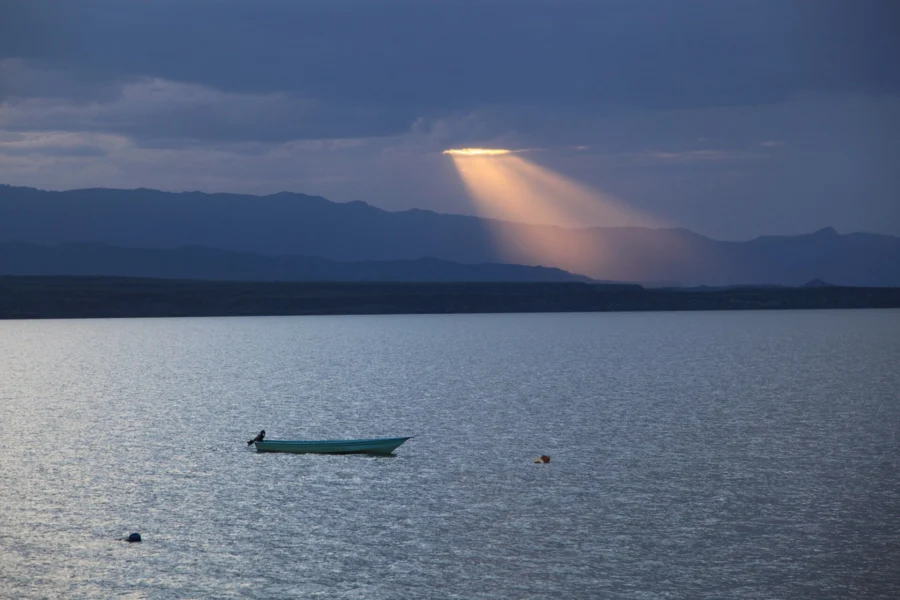 Lake Baringo and Lake Bogoria Birding: The Owl Walks, the Cliffs and the FlamingosA local guide who knows where every nightjar and eagle-owl slept last night, thorn scrub full of hornbills, a Goliath Heron colony on a rock, and the flamingo lake next door that keeps rising.
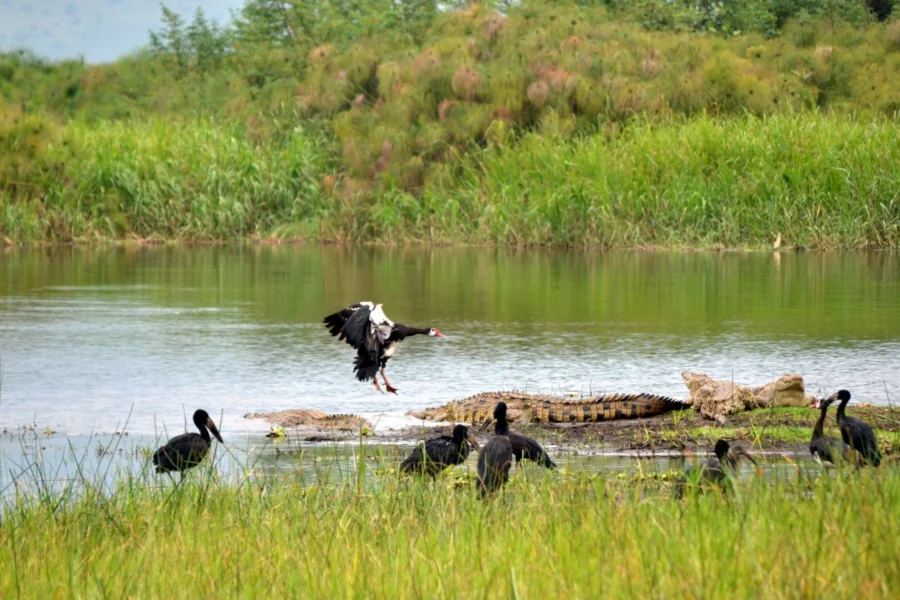 Akagera Birding: Rwanda’s Savanna, Lakes and Papyrus, and the Shoebill ChancesRed-faced Barbet in the southern woodland, Papyrus Gonolek and Carruthers's Cisticola in the swamps, a lake of hippos and lapwings, and a Shoebill that hides in the wetlands more than it shows.
The Pigeon Post
Every Thursday: 1 bird, 1 place to go and 1 place to stay, by email. Sign up and get our printable checklist of the 163 endemics of southern Africa.