
Kafue National Park Birding: Busanga, the Kafue River and the Specials
Over 500 species in Zambia's oldest and largest park: Wattled Cranes on the Busanga Plains, finfoot and skimmers on the Kafue River, Black-cheeked Lovebird in the south, and where to stay.
Zambia Tourism puts Kafue’s bird list at more than 500 species, which it notes is roughly as many as the whole of Europe, in a single park. The park has the room for them: 22,400 km² of western Zambia, the oldest and largest of the country’s national parks, founded in 1924 and, Zambia Tourism says, formally established as a national park in the 1950s by Norman Carr.
It is a park of distances. The Busanga Plains in the far north-west and the Nanzhila area in the far south are separate trips with separate birds, joined by the Kafue River, which runs through the park almost from north to south. Busanga belongs to the dry season, the south to whoever can face the roads, and the river is there all year.
The specials
Zambia Tourism’s short list of notable ticks reads like a target list for the whole country: Pel’s Fishing Owl, Black-cheeked Lovebird, Chaplin’s Barbet, Wattled Crane and Grey Crowned Crane, African Finfoot and Böhm’s Bee-eater. Chaplin’s Barbet is Zambia’s only endemic bird, and its small range in south-central Zambia reaches the upper Kafue River, though the classic site to find it is the Nkanga River area near Choma, outside the park. The Zambia birding guide covers it.
Zambia Tourism adds the supporting cast. The camps have African Paradise Flycatchers, kingfishers and sunbirds. The woodland has Racket-tailed Roller, flocks of helmetshrikes and Arnot’s and Sooty Chats. Overhead are African Hawk-Eagle and Black-chested Snake Eagle, and over the grass plains come Pallid and Montagu’s Harriers, Lesser Kestrels and Eurasian Hobbies, all after the flying termites that hatch before the rains. The termites, for their part, never stood a chance.
The Busanga Plains
The Busanga Plains are a seasonally flooded grassland in the far north-west of the park, fed by the Lufupa River. Yellow Zebra Safaris calls them an absolute paradise for birders, and the list behind the phrase is strong: Wattled Cranes in one of the largest concentrations in Africa, Rosy-throated Longclaw, Fülleborn’s Longclaw, Denham’s Bustard and African Skimmer, with herons, egrets, African Openbills, African Jacanas and bee-eater colonies on the waterways and floodplains, and Martial Eagle, African Fish Eagle and Bateleur overhead.
Zambia Tourism describes flocks of pelicans and egrets and the most numerous gatherings of African Openbills, which spiral skywards in their thousands in the late afternoon. It calls Busanga one of the few known breeding sites for Wattled Cranes, and says large groups are not uncommon, sometimes mixed with Grey Crowned Cranes. A crane on Busanga is not a lucky sighting so much as a matter of which flock. For the species across its range, see where to see a Wattled Crane.
Water sets the timetable. Yellow Zebra says the plains are only fully accessible from June to October, with August to October the most rewarding as the pools shrink and the birds concentrate. Zambia Tourism gives a later window, early July to early November depending on water levels, and adds that the drive from Hook Bridge takes 5 to 6 hours on a road that is only usable when dry, and that it is easy to get lost on the plains. An airstrip at Busanga serves the camps, which saves a great deal of map-reading.
The Kafue River and Lake Itezhi-Tezhi
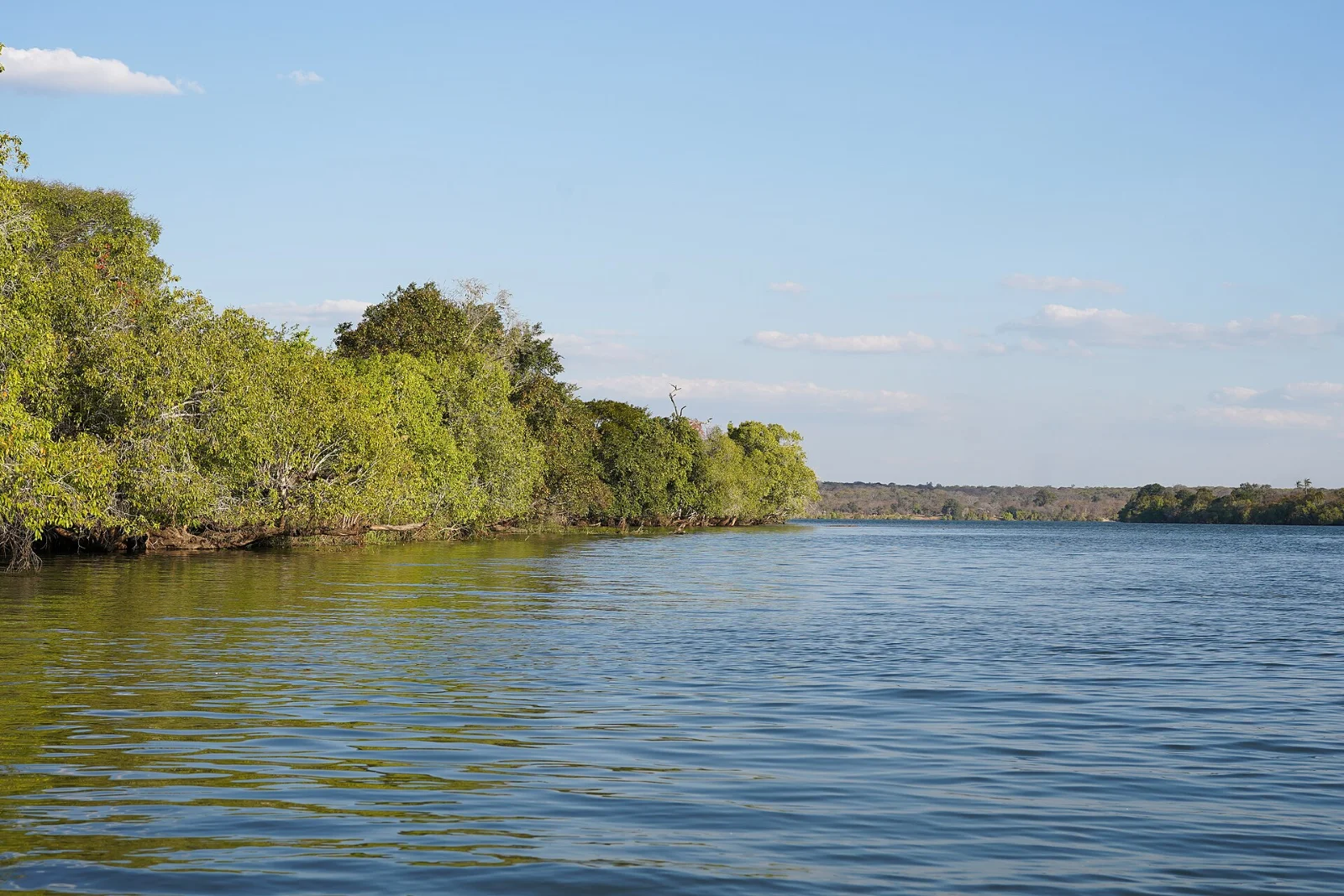
The Kafue River is the largest tributary of the Zambezi and, Zambia Tourism points out, “the only truly Zambian river”: it begins and ends inside the country. In places it is broad and unhurried, in others broken by rapids, and its sand islands hold colonies of African Skimmers alongside basking crocodiles, which share the sand on terms the skimmers did not negotiate. The main tributaries are the Lufupa and Lunga in the north, the Luansanza in the centre and the Musa in the south.
River camps run boat cruises all year, although water levels change dramatically through the seasons, and Zambia Tourism names canoeing as an option at KaingU Safari Lodge. KaingU, on the Kafue in the southern part of the park, says its own guides are experienced birders, builds small hides for watching bee-eaters and parrots, and watches for African Finfoot from the main deck. It also names Pel’s Fishing Owl, African Skimmer, Böhm’s Bee-eater and Meyer’s Parrot in its riverine forest and miombo. The African Finfoot guide has the technique for one of the shyest birds on the river.
In the north, Lunga Kikuji Camp sits on the Lunga River, where its operator, EverWild, runs dedicated birding excursions by boat as part of its water-based safaris. On the Kafue itself, in the Musekese area, Lwenge River Camp is an exclusive-use bushcamp with 12 beds and the Kamasot Hide; its operator, Classic Zambia, names Pel’s Fishing Owl and African Finfoot.
Downstream, the river fills Lake Itezhi-Tezhi, 370 km² of water created by a dam in the 1970s to regulate the flow for the Kafue Gorge power station. Zambia Tourism calls it a fantastic spot for keen birdwatchers, and it is one part of the park that can be reached all year round.
The woodland, the dambos and the south
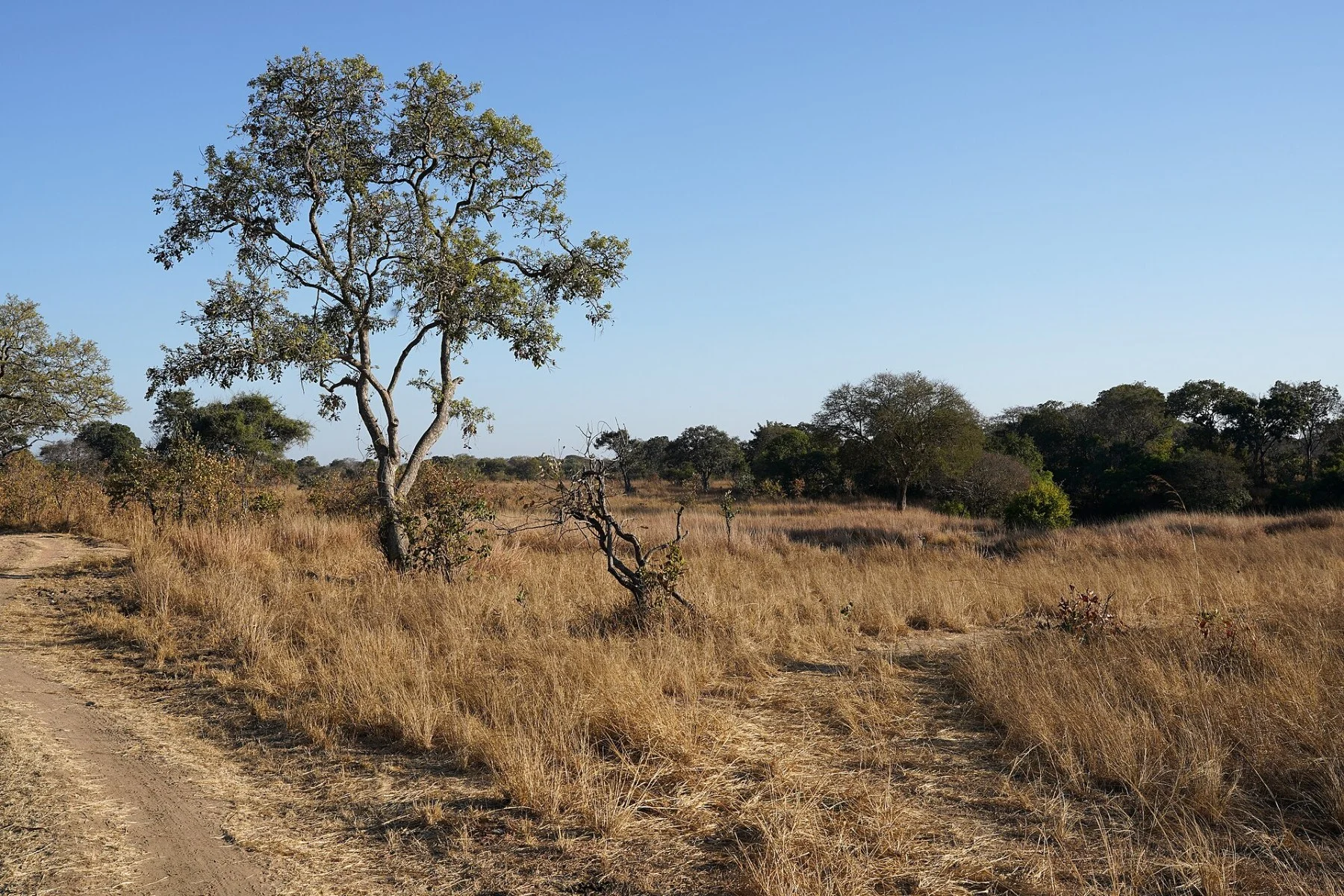
Most of Kafue is miombo, a semi-deciduous woodland of Brachystegia, Julbernardia and Isoberlinia trees, broken by dambos, the local name for seasonally flooded areas beside the rivers and tributaries, many of which hold water well into the dry months. Zambia Tourism also notes stands of teak and belts of mopane in the centre and south, and open plains dotted with termite mounds. The small mounds on the plains are favourite perches for Sooty Chats, and, in the wetter areas, for Rosy-throated Longclaw. The bigger mounds in the woodland can be hundreds or even thousands of years old, which makes them some of the oldest perches a bird can choose.
The far south is Black-cheeked Lovebird country. Birding Ecotours’ 2026 Zambia itinerary searches the woodland around the Nanzhila Plains for it, where the lovebirds often come down to drink in large numbers late in the afternoon, and the same plains hold Wattled Cranes, with Dickinson’s Kestrel as a regular extra. Zambia Tourism warns that the roads south from Ngoma and Itezhi-Tezhi towards Dundumwezi and Nanzhila are not advisable when wet and need local knowledge.
When to go
The dry season runs from June to October, and Zambia Tourism says most of the park is inaccessible from November to April. Kafue sits at an average of about 1,100 m, so it is milder than the Luangwa and Zambezi valleys in October and November, and some areas drop to 0°C in the winter months of June to August. Pack for a cold dawn on the boat.
The green season is spectacular, Zambia Tourism says, and the trick is to stay at the camps in the central and northern sections that open all year or close to it. Lunga Kikuji, for example, opens from 1 March to 31 December. Busanga camps follow the water: Ntemwa-Busanga Camp opens from 1 June to 15 November. Fishing has a closed season from November to March, to leave the fish to spawn in peace.
Getting there and park fees
The M9 tar road from Lusaka to Mongu cuts through the park, and Zambia Tourism says the drive to Hook Bridge takes 3 to 4 hours and can be done in a 2-wheel-drive car. Inside the park, a 4×4 is essential, and Zambia Tourism is blunt about the wet season: do not attempt to self-drive, because the black-cotton soil will very likely leave you stranded. The road to Chunga from the M9 is well graded and generally open all year. From Livingstone, the southern Dundumwezi Gate is about 3 hours away via Kalomo.
All-weather airstrips at Chunga, Ngoma and Lufupa make flying the easier option for most of the year. KaingU’s listing gives about 334 km or 5 hours by road from Lusaka, then a short boat crossing, or a light aircraft to Chunga.
Zambia Tourism’s 2025 schedule, the latest published, gives Kafue’s park fee as US$20 a day for international visitors and US$15 for SADC residents.
Where to stay
The places to stay in Kafue National Park in the directory, from the river in the south to the plains in the north:
| Place to stay | Where | For birders | From |
|---|---|---|---|
| KaingU Safari Lodge | Kafue River, southern Kafue National Park, Zambia | Bird guides on staff, small hides, African Finfoot from the deck | Ask the lodge |
| Lwenge River Camp | Kafue River, Musekese area, northern Kafue National Park, Zambia | Kamasot Hide, Pel’s Fishing Owl, African Finfoot, exclusive use | Ask the lodge |
| Lunga Kikuji Camp | Lunga River, northern Kafue National Park, Zambia | Dedicated birding excursions by boat, open March to December | US$360 pp a night, fully inclusive |
| Ntemwa-Busanga Camp | Southern edge of the Busanga Plains, Zambia | Shaded bird hide in camp, open 1 June to 15 November | Ask the lodge |
Access to the Busanga Plains, camp opening dates and park fees change with the water and the year. Facts were checked on 15 November 2026 with Zambia Tourism’s Kafue National Park page, Yellow Zebra Safaris’ Busanga page and each listing on Birding Dispatch. Confirm fees with the Department of National Parks and Wildlife and road conditions with your camp before you travel.
More from the Journal
 Namib-Naukluft and Sossusvlei for Birders: Dune Lark, Desert Raptors and the Naukluft SpecialsA lark that lives on the dunes and nowhere else, Lappet-faced Vultures nesting in the desert, coursers on the gravel plains and the northern specials around the Naukluft cliffs, in one of Africa's largest parks.
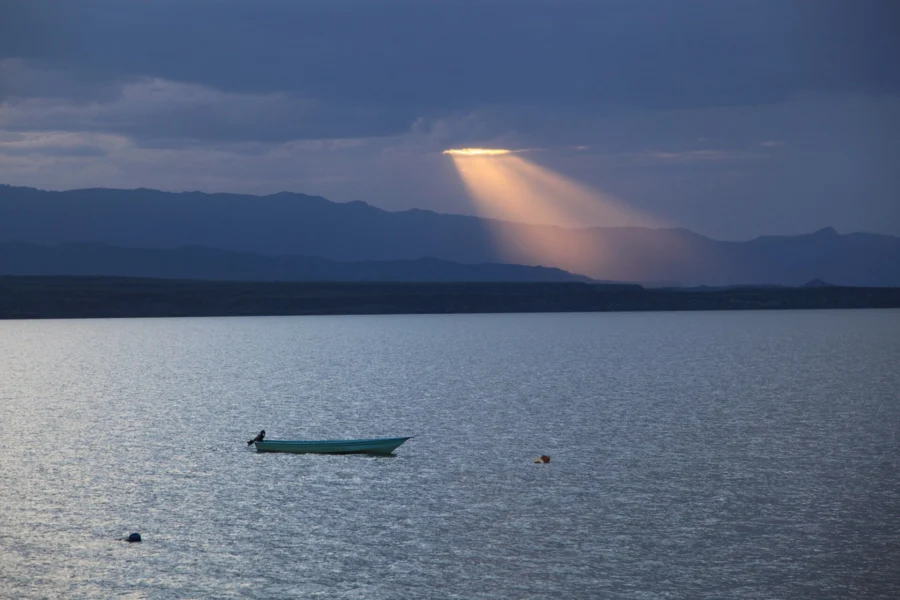 Lake Baringo and Lake Bogoria Birding: The Owl Walks, the Cliffs and the FlamingosA local guide who knows where every nightjar and eagle-owl slept last night, thorn scrub full of hornbills, a Goliath Heron colony on a rock, and the flamingo lake next door that keeps rising.
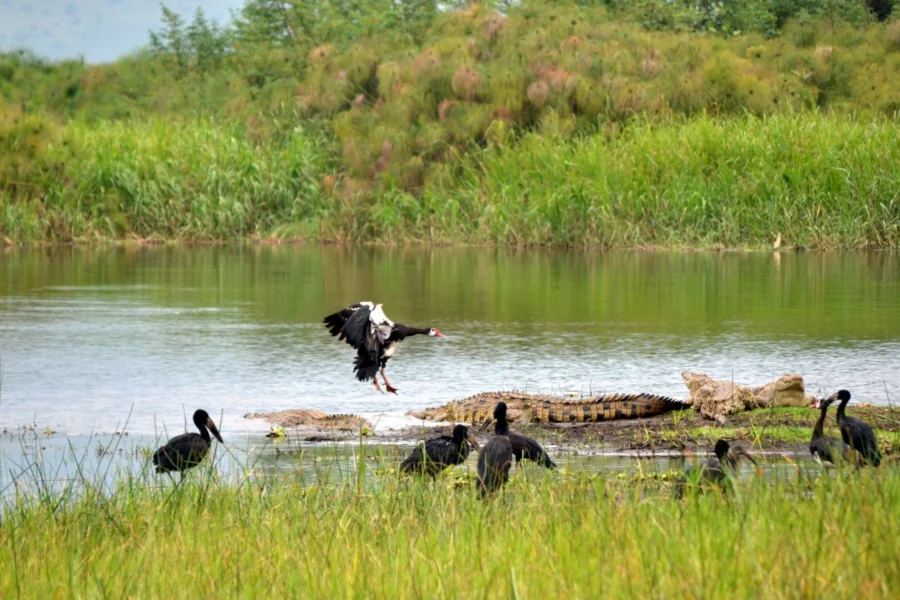 Akagera Birding: Rwanda’s Savanna, Lakes and Papyrus, and the Shoebill ChancesRed-faced Barbet in the southern woodland, Papyrus Gonolek and Carruthers's Cisticola in the swamps, a lake of hippos and lapwings, and a Shoebill that hides in the wetlands more than it shows.
The Pigeon Post
Every Thursday: 1 bird, 1 place to go and 1 place to stay, by email. Sign up and get our printable checklist of the 163 endemics of southern Africa.