
Hogsback and the Amathole Forests: Cape Parrots and the Forest Specials
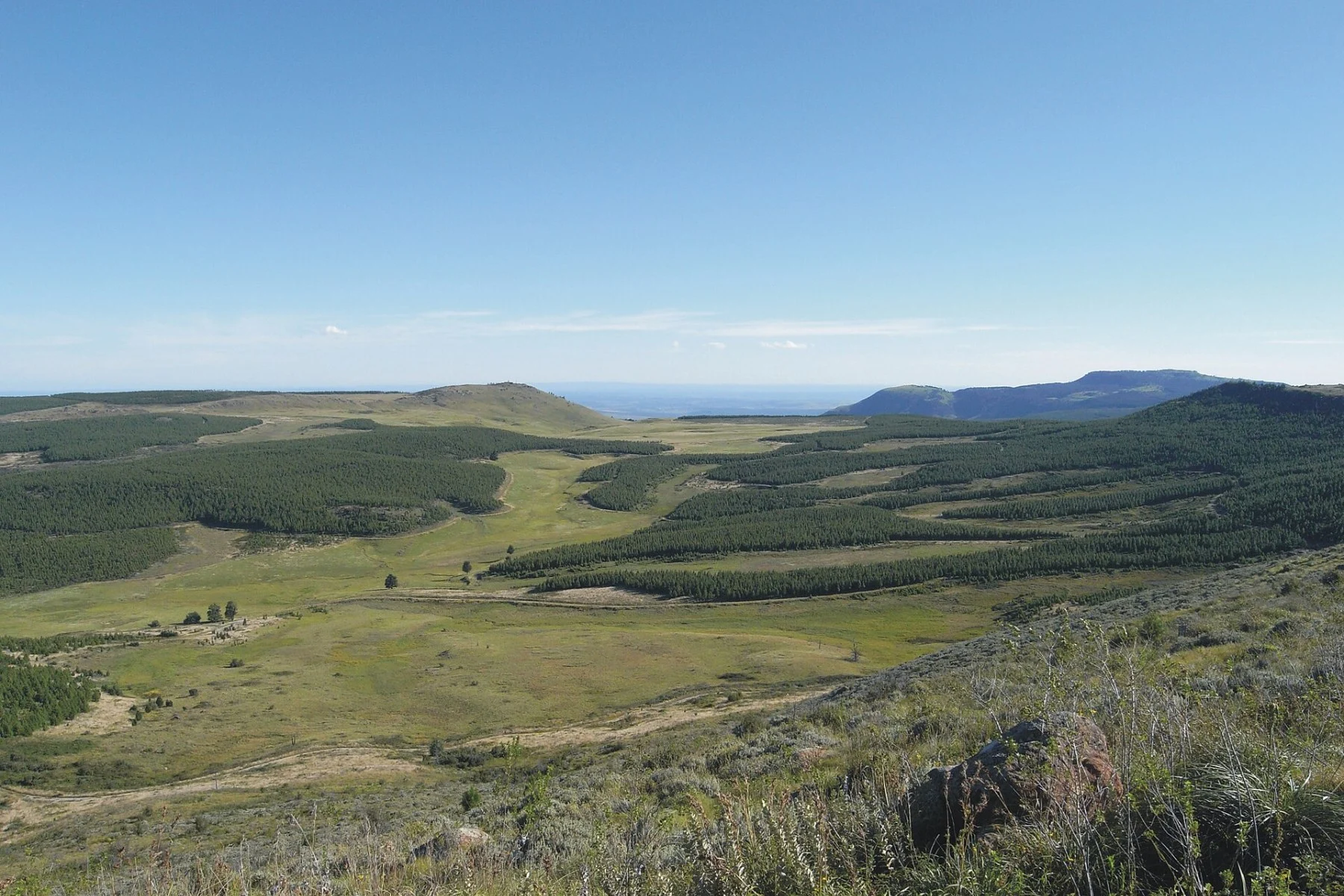
The Amathole forests hold the largest of South Africa's 3 Cape Parrot populations, 1,108 noisy birds in the April 2026 count. Where to watch at dawn, the forest and grassland specials, and where to stay.
On the weekend of 11 and 12 April 2026, volunteers in Hogsback, Stutterheim and Fort Beaufort counted 1,108 Cape Parrots in the Amathole Mountains, one screeching flock at a time. It was part of the 29th Cape Parrot Big Birding Day, which found 2,165 birds across South Africa, the highest total since the count began in 1998. On that count, more than half of the country’s wild Cape Parrots live in the Amathole Mountains, which makes these hills the parrot capital of the country by a comfortable margin.
The Cape Parrot is South Africa’s own endemic parrot, a bird of the inland mistbelt forests of the Eastern Cape, KwaZulu-Natal and Limpopo. The Cape Parrot Working Group’s 2026 report describes 3 genetically distinct populations: a southern group in the Amathole Mountains, a central group from the Transkei forests to the KwaZulu-Natal midlands, and a small northern group centred on Magoebaskloof. The 2025 Red Data Book of Birds moved the species from Endangered to Vulnerable, a rare bit of good news in a Red Data Book, because the annual counts show the populations stable, or even increasing, though poaching, habitat loss and disease remain threats.
Watching for Cape Parrots
BirdLife South Africa’s GoBirding guide to the Amathole Forest Complex says Cape Parrots occur in considerable numbers on the forested southern flanks of the mountains, one of the last strongholds for the species. Its advice is to find a lookout over a patch of mature forest early in the morning or late in the afternoon, listen for the harsh screeching calls, and scan exposed perches carefully. It names the Away with the Fairies backpackers in the centre of Hogsback as offering several good vantage points.
The Cape Parrot Working Group’s report gives the reason for the timing. The birds leave their roosts around sunrise to feed and come back in the late afternoon, and because they call in flight, they are often easiest to see overhead. A Cape Parrot announces itself; the trick is looking up in time. They also visit pecan orchards outside the forest, which is one reason the count is held in autumn, when the nuts draw parrots into the open. In 2026, people reported Cape Parrots feeding on green pecans as early as December 2025, a sign that forest fruit was short.
The Cape Parrot Project, run by the Wild Bird Trust, works from Hogsback, and its Dr Francis Brook coordinates the Hogsback count. For the northern population and the forests of Limpopo, see Magoebaskloof birding.
The forest specials
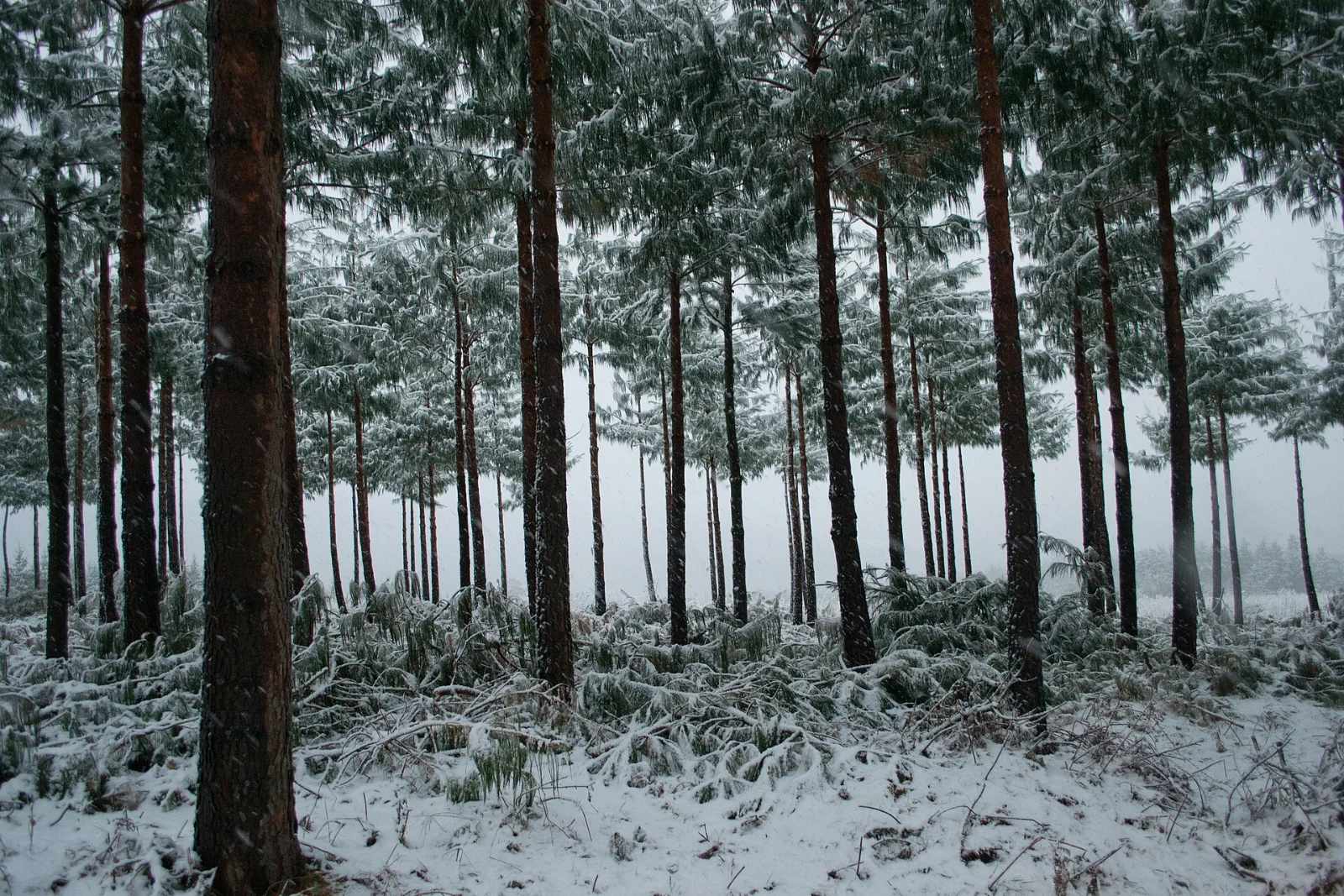
The parrot is not the only reason the Amathole Forest Complex is an Important Bird Area. GoBirding lists nationally significant populations of Knysna Woodpecker, Bush Blackcap, Black Harrier, Drakensberg Rockjumper, Ground Woodpecker and Buff-streaked Chat, and recommends several days in the Hogsback and Stutterheim forests to give yourself a good chance at the full set, including Orange Ground Thrush.
Inside the forest, GoBirding names Knysna Woodpecker, Bush Blackcap, Forest Canary, Brown Scrub Robin and Chorister Robin-Chat as the key birds, and warns that knowing their calls is essential, since most of them would rather be heard than seen. The supporting cast includes Green Twinspot, Swee Waxbill, African Firefinch, Barratt’s Warbler, White-starred Robin, Yellow-throated Woodland Warbler, Dark-backed Weaver, Blue-mantled Crested Flycatcher, Grey Cuckooshrike, Olive Woodpecker, Olive Bushshrike and Orange Ground Thrush. African Emerald Cuckoos call from tall trees in the village in summer, Mountain Wagtails work the fast streams and waterfalls, and Tambourine and Lemon Doves are heard often and flushed from the edges of the trails.
Raptors are a strength, and unlike the forest birds they have the decency to be visible. Crowned Eagles soar over the canopy, with Jackal and Forest Buzzards, African Goshawk and Black Sparrowhawk are fairly common around the Hogsback Arboretum, and Peregrine and Lanner Falcons nest on the cliffs and ravines.
The trails at Hogsback
GoBirding gives 3 forest walks from the village, and says all the forest specials are possible on all 3. The walk to the Big Tree via Swallow Tail Falls takes 1 to 2 hours. A short trail runs into the forest beyond the car park at the Hogsback Arboretum. And from Wolfridge Road beyond Hobbiton, the Madonna and Child trail leads into the forest and on to the Big Tree. Many of the roads are forestry tracks, so conditions vary from fine to character-building.
For guided walks, the GoBirding page, last updated in 2022, lists Dr Kate Carstens and Cassie Carstens, at R300 for 1 or 2 people and R400 for 3 or 4, bookable through Hogsback Tourism. Check the current rate when you book.
The grassland and the high peaks
The northern flanks of the Amathole Mountains are montane grassland, reachable from both Hogsback and Stutterheim. Continuing along Wolfridge Road takes you near the summit of the Hogsback, where most grassland and highland species can be seen, and the R345 towards Cathcart crosses more grassland.
GoBirding’s list here is long, and the grassland at least lets you see what you are looking at. Look for Black Harrier quartering low, Black-winged Lapwing in fallow fields, and Denham’s Bustard with Blue and Grey Crowned Cranes, all fairly common. Check protea stands for sugarbirds: both Cape and Gurney’s Sugarbirds have been reported intermittently, and GoBirding says this is one of the few places in South Africa where both have been seen. Cape Grassbird, Cape Longclaw, Cloud and Wing-snapping Cisticolas and Yellow Bishop are on the list too. Higher up, on stunted grassland and bare rocky slopes, look for Ground Woodpecker, Buff-streaked Chat and Sentinel Rock Thrush, with Barratt’s Warbler common in the scrub above the treeline. Walk to the top of the highest peaks for a chance at Drakensberg Rockjumper. Several of these birds are endemic to South Africa; the endemics guide lists the full set.
Stutterheim and the wider forest complex
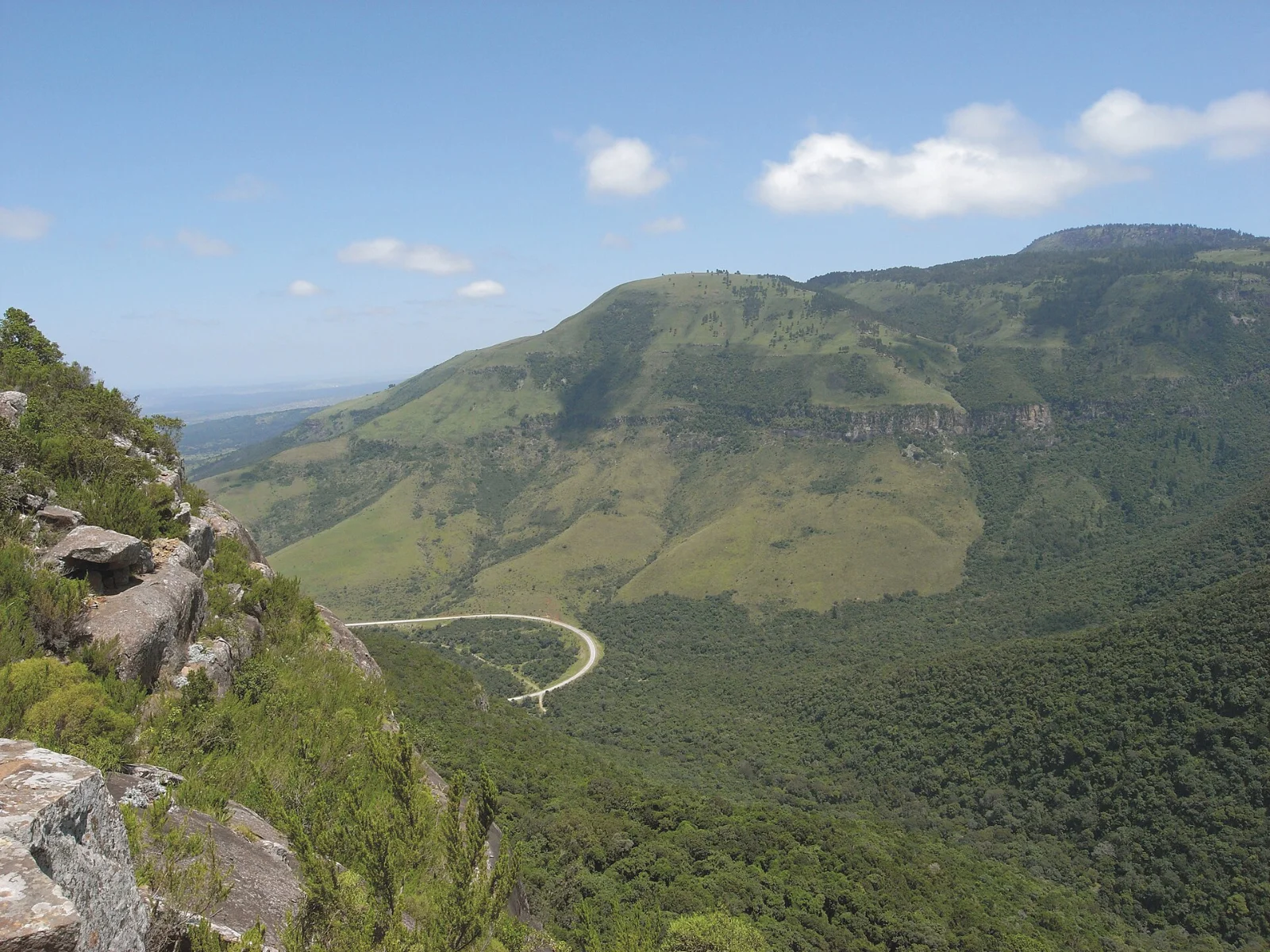
The forest complex runs from Fort Fordyce Nature Reserve and Katberg State Forest in the west to Kologha State Forest and Fort Cunningham in the east, with Hogsback State Forest, Auckland, Pirie and Kubusi among the big blocks. At Stutterheim, GoBirding’s route from East London is the N6 to the town, then the R352 to the signposted turning for the Kologha picnic spot, where several trails lead into forest with all the specials; the R352 also continues to Gubu Dam. Access to the Kubusi Indigenous State Forest now needs permission from forestry officials, so ask first and bird second.
Getting there and when to go
From Makhanda, GoBirding’s route is the R67 to Fort Beaufort, the R63 through Alice and the R345 up to Hogsback. From East London, take the N2 to King William’s Town, the R63 towards Alice, and turn right onto the R345. GoBirding says the area’s rain falls mostly in summer and autumn, from 800 mm a year low down to 2,000 mm on the highest ground, so pack for mist and wet trails. Forests do not get this green on sunshine.
For Cape Parrots, autumn has an advantage: the Amathole count is held in April because the birds come out to the pecan orchards, and dawn and dusk flights are easiest to see. For African Emerald Cuckoo, which GoBirding lists as a summer bird, come in summer, which is about as simple as birding advice gets.
Hogsback village is the base for all of this, with the forest trails starting in the village itself. Trengwainton, on Woodside Drive, is BirdLife South Africa Recommended Accommodation, with green-roofed cottages and rooms in the main house. Its owners report regular bird visits to the garden, which is planted with indigenous mountain plants and has a pond, and they describe walks in the local forests. GoBirding’s page also lists other guesthouses and self-catering cottages in Hogsback and Stutterheim that are not yet in the directory.
Where to stay
The place to stay in Hogsback in the Birding Dispatch directory:
| Place to stay | Where | For birders | From |
|---|---|---|---|
| Trengwainton | Woodside Drive, Hogsback, Eastern Cape | BirdLife Recommended, indigenous garden and pond, forest walks | Ask the lodge |
Trails, guide rates and count dates change. Facts were checked on 14 November 2026 with BirdLife South Africa’s GoBirding guide to the Amathole Forest Complex, the Cape Parrot Working Group’s 2026 count report and December 2025 newsletter, and the Trengwainton listing on Birding Dispatch. Confirm guided walks with Hogsback Tourism before you travel.
More from the Journal
 Namib-Naukluft and Sossusvlei for Birders: Dune Lark, Desert Raptors and the Naukluft SpecialsA lark that lives on the dunes and nowhere else, Lappet-faced Vultures nesting in the desert, coursers on the gravel plains and the northern specials around the Naukluft cliffs, in one of Africa's largest parks.
 Lake Baringo and Lake Bogoria Birding: The Owl Walks, the Cliffs and the FlamingosA local guide who knows where every nightjar and eagle-owl slept last night, thorn scrub full of hornbills, a Goliath Heron colony on a rock, and the flamingo lake next door that keeps rising.
 Akagera Birding: Rwanda’s Savanna, Lakes and Papyrus, and the Shoebill ChancesRed-faced Barbet in the southern woodland, Papyrus Gonolek and Carruthers's Cisticola in the swamps, a lake of hippos and lapwings, and a Shoebill that hides in the wetlands more than it shows.
The Pigeon Post
Every Thursday: 1 bird, 1 place to go and 1 place to stay, by email. Sign up and get our printable checklist of the 163 endemics of southern Africa.