
Waterberg Birding: Marakele, Welgevonden and the Plateau
Cape Vultures seen from above on Marakele's summit road, sugarbirds in the high grassland, a dam hide and bushveld specials, then the private reserves and lodges across the Waterberg plateau.
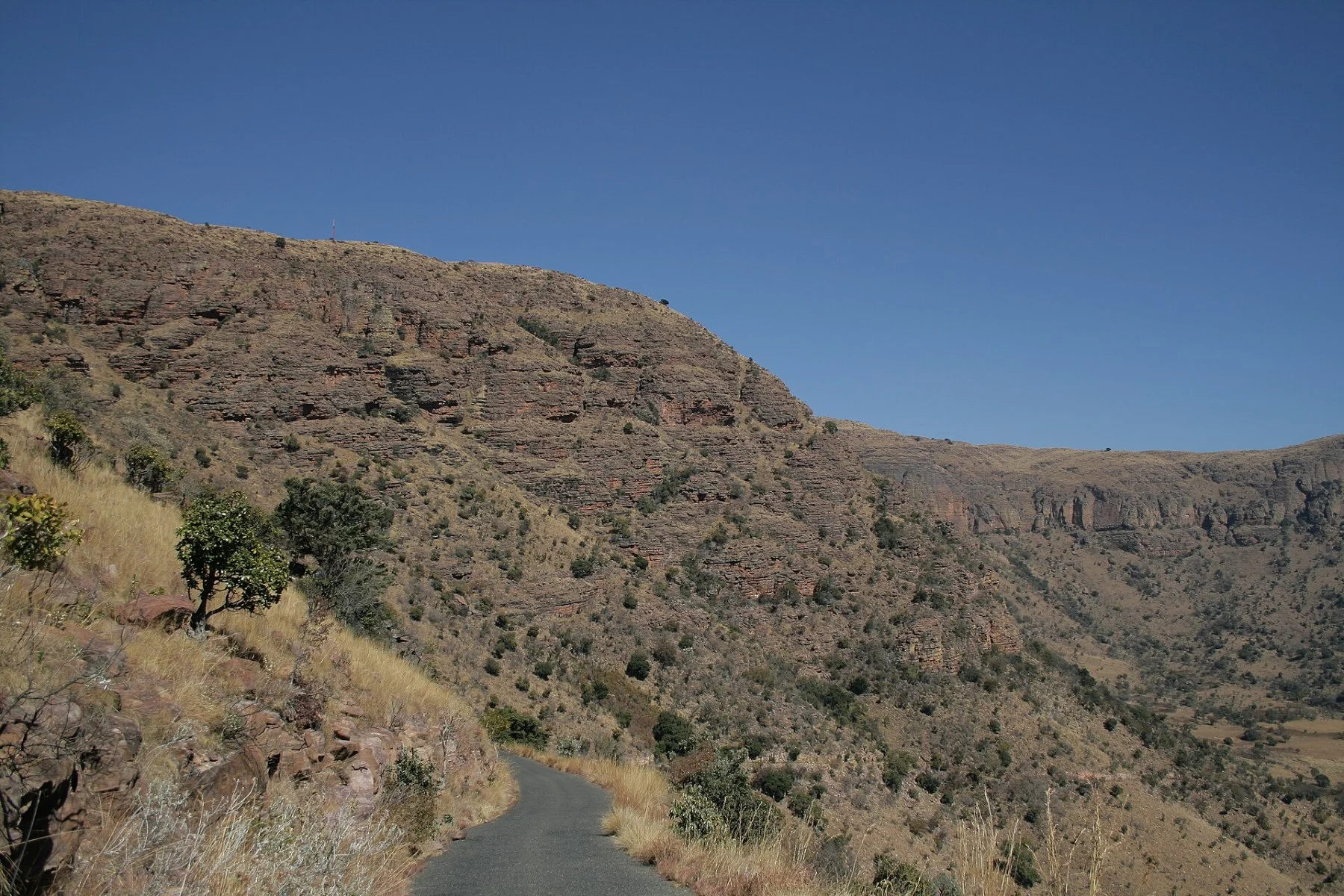
At the top of Marakele’s mountain road, the vultures are below you, which is not how vulture watching usually works. A concrete road climbs to the highest reaches of the Waterberg inside the park, and from the summit it is possible to watch Cape Vultures soaring along the cliffs from above. BirdLife South Africa’s GoBirding guide says those cliffs hold the largest Cape Vulture colony in the country, at roughly 800 pairs.
That view is the reason most birders come to the Waterberg, but the range offers more than vultures looking up at you. It is a range of mountains and bushveld in Limpopo, 2 to 3 hours’ drive from Johannesburg by the lodges’ own figures, with a national park in the south, private reserves across the plateau and a ground hornbill project at Mabula. GoBirding explains the variety by position: Marakele lies in the transition zone between the dry west of South Africa and the moister east.
Marakele and the vulture cliffs
Marakele National Park covers roughly 45,000 ha of the southern Waterberg, about 30 km north-east of Thabazimbi, though not all of it is open to the public. GoBirding puts the bird list at some 250 species. SANParks’ own birding note is short and to the point: a mountain pass up to a view, and the closeness of the vulture colony. It hardly needs more.
The cliffs dominate the park. The same high ground has a strip of high-altitude grassland where GoBirding lists Gurney’s Sugarbird, Malachite Sunbird and Buff-streaked Chat, so the summit is worth a slow hour, not just a look at the view and a photo of the drop. The colony is the main attraction for raptors, but GoBirding says the park is well known for them generally and tells birders to watch for Booted Eagle, Peregrine Falcon and African Cuckoo-hawk. For the colony in detail, the breeding season and the other cliffs where Cape Vultures nest, see Cape Vulture colonies you can visit.
Marakele has dangerous game, and GoBirding warns that walking is not allowed except with an armed ranger, however tempting that korhaan in the grass may be. The park is open from 07:00 to 18:00 and no driving is allowed after 18:00. Some 80 km of roads run through it, and many of them do not need a 4×4 or high clearance.
The bushveld, the rivers and the hide
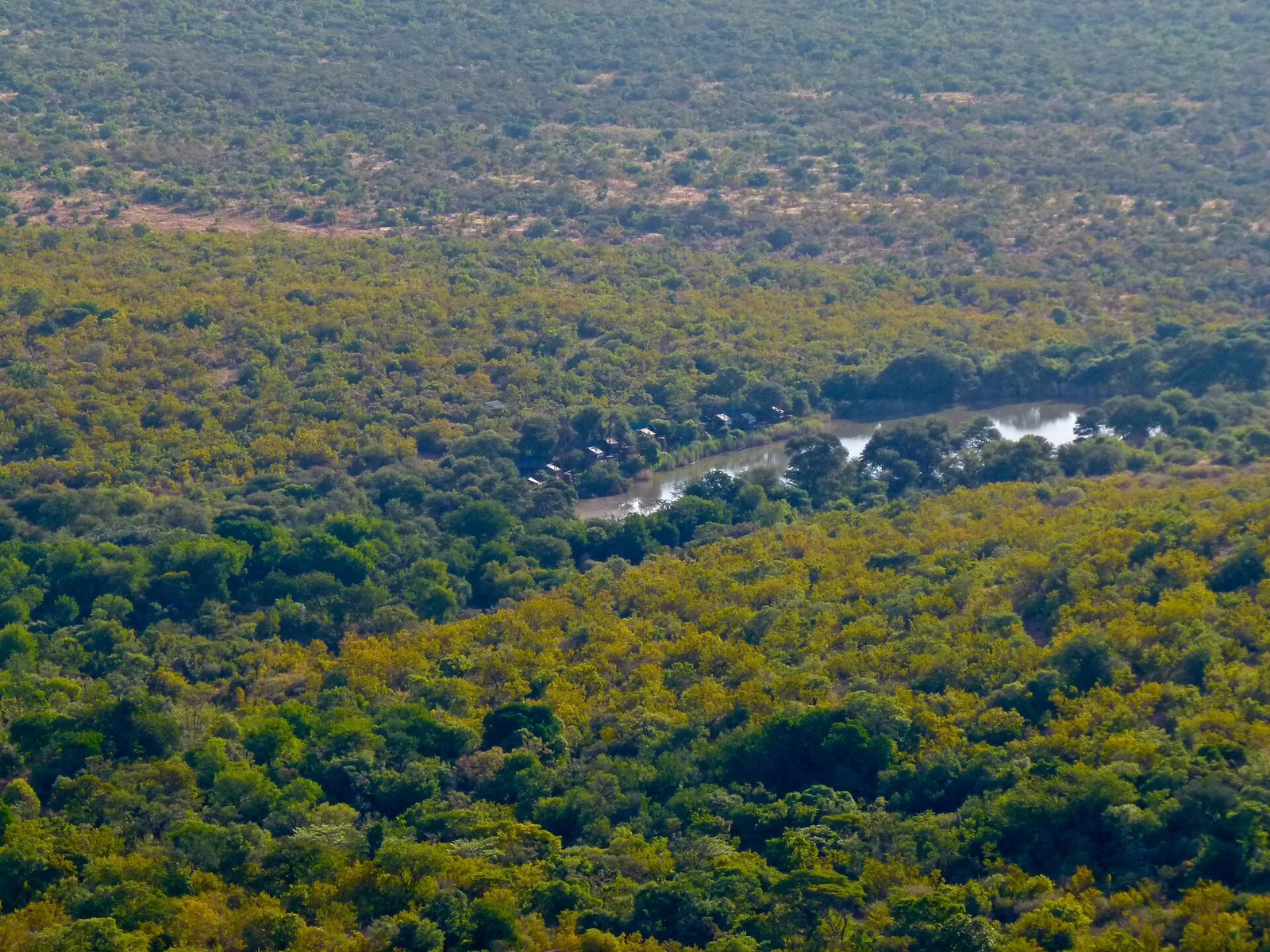
Below the mountains, most of the park is bushveld with patches of broad-leaved woodland. GoBirding lists Southern Pied Babbler, Crimson-breasted Shrike, Red-crested Korhaan, Kori Bustard and Secretarybird in these habitats, and says the larger ground birds are best searched for near Kwagga’s Vlakte, a separate area of the park.
Water adds another set, as water always does. The banks of the Matlabas and Sterkstroom rivers and the park’s many dams hold waterfowl, Half-collared Kingfisher and African Darter. The park has a single bird hide, on the Kgokong Drive overlooking Ballonoto Dam, which makes a good stop in the middle of the day, when the birds come to the water and the birder can sit in the shade.
The Marakele Honorary Rangers organise an annual birding census in the park and on the surrounding farms, and SANParks’ birding page points to its Birding Weekends for sightings records and how to take part. For a visiting birder, that is the easiest way to bird the park with people who know it, and to count birds for science while doing it.
GoBirding adds a longer option: a 3-day, 2-night 4×4 Eco Trail through the park within the Waterberg Biosphere Reserve, with guided game drives and bush walks bookable through the park’s camps. Those camps are not yet in the Birding Dispatch directory.
Welgevonden and the private plateau
Welgevonden Game Reserve, near Vaalwater, is a private reserve reached through its lodges. At Sekala Private Game Lodge, for example, guests park at the reserve’s Main Gate and a ranger collects them at 13:00, and the listing describes the transfer as a game drive in its own right, so the birding starts in the car park. Johannesburg is about 2.5 hours away by road, and the Sekala listing calls this part of the Waterberg malaria-free.
For a birder, the Welgevonden lodges in the directory share one feature: water you can sit beside, which is most of what a birder asks of a lodge. Sekala has its own waterhole, watched from the main deck or from a hide close to the water, and lists birding with its day and night drives. Laluka Safari Lodge, near Vaalwater, has its own wildlife photography hide at a waterhole on the property and mentions the summer migrant birds in its bushveld; guests can fly to the Welgevonden airstrip. Mhondoro Lodge, also in Welgevonden, holds BirdLife South Africa Recommended Accommodation status and runs a scheduled transfer from the main gate, with game drives and guided bush walks.
A few hours in one of these hides through the heat of the day, when birds come down to drink, is the best use of the quiet middle of a lodge day.
Mabula and the ground hornbills
Closer to Bela-Bela, Mabula Game Lodge stands in the Greater Mabula Private Game Reserve, a malaria-free reserve of about 120 square kilometres, 47 km from Bela-Bela and about 2 hours from Johannesburg on a tarred road. It is a large lodge, with birding on the activity list, and guests can add a visit to the ground hornbill project. Southern Ground Hornbill is the bird it names, and it is hard to miss once found. For where to find wild groups elsewhere and how to report a sighting, see Southern Ground Hornbill: where to see one.
The northern plateau and the Palala River
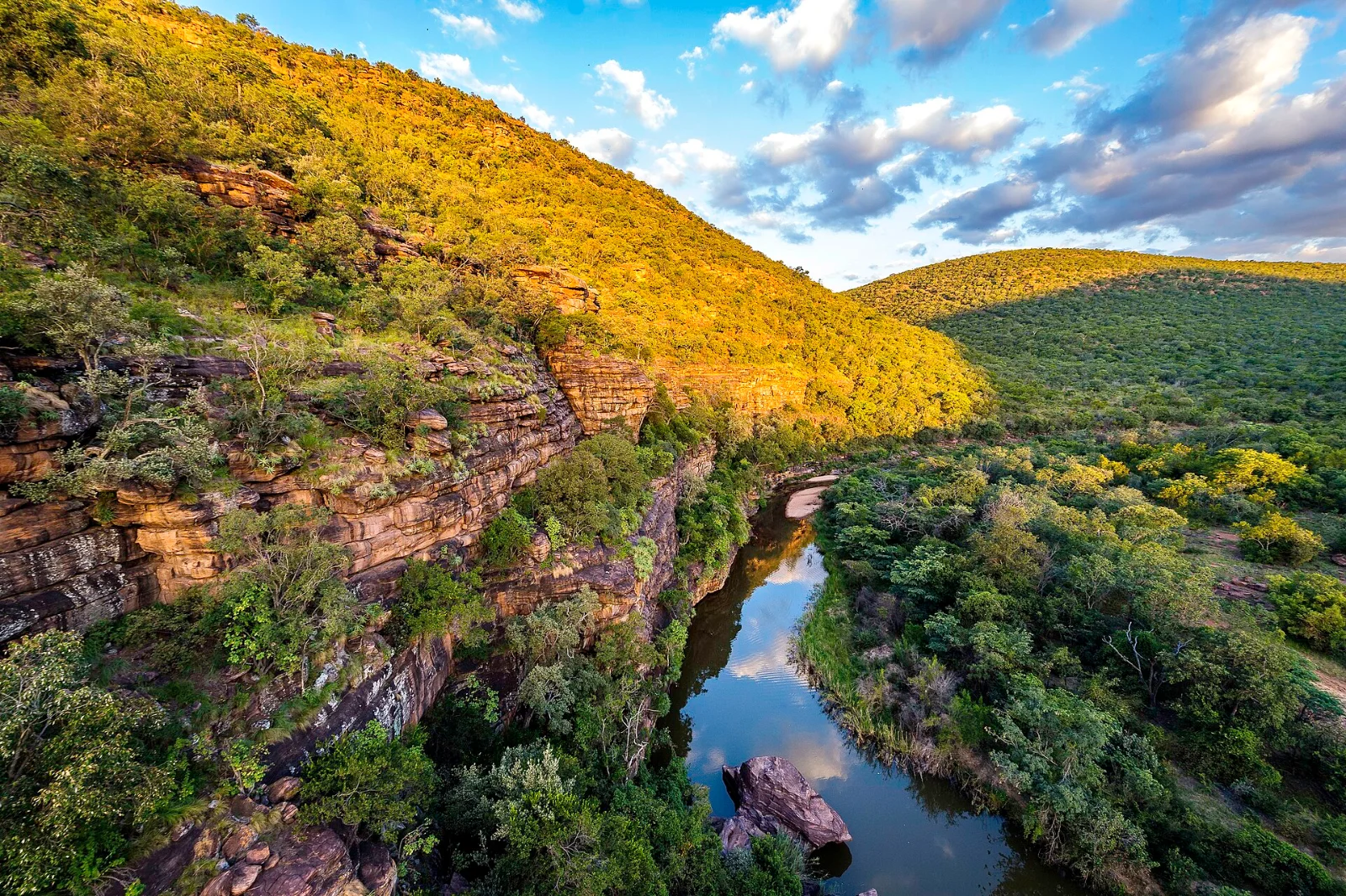
Beyond Vaalwater, Jembisa Bush Home is in the Waterberg above the Palala River, about 3 hours by road from Johannesburg via Vaalwater and Melkrivier, with the last section on gravel and sand roads, and air transfers can be arranged. BirdLife South Africa lists it as Recommended Accommodation, and birdwatching is among its activities.
Getting there, fees and timing
GoBirding’s route to Marakele is the N1 north from Pretoria to the Bela-Bela turn-off, then the R516 via Mabula and Leeupoort to Thabazimbi; the park is 12 km from Thabazimbi on the road to Alma. SANParks’ conservation fees from 1 November 2026 to 31 October 2027 are R76 a day for South African adults, R158 for SADC nationals and R358 for other visitors, with lower rates for children, and GoBirding notes that Wild Cards are accepted. The private reserves charge through their lodges, so the fee arrives folded into the bill.
Summer brings the migrant birds that Laluka mentions, and the green season in the bushveld, when everything is singing at once. For a wetland to add to the trip, Nylsvley, near Mookgophong, is the floodplain to visit.
Where to stay
The places to stay in the Waterberg, in the order they appear above:
| Place to stay | Where | For birders | From |
|---|---|---|---|
| Sekala Private Game Lodge | Welgevonden, Waterberg, South Africa | Hide at its own waterhole, day and night drives | R4,800 pp sharing, full board (2026) |
| Laluka Safari Lodge | Welgevonden, near Vaalwater, South Africa | Photography hide at a waterhole, summer migrants | R11,970 pp, groups of 6+, fully inclusive (2026) |
| Mhondoro Lodge | Welgevonden, Waterberg, South Africa | BirdLife Recommended, game drives, guided bush walks | R10,009 pp sharing, fully inclusive |
| Mabula Game Lodge | Greater Mabula reserve, near Bela-Bela | Birding activity, ground hornbill project visits | Ask the lodge |
| Jembisa Bush Home | Above the Palala River, Waterberg | BirdLife Recommended, birdwatching | Ask the lodge |
Fees, access and lodge details change. Facts were checked on 14 November 2026 with BirdLife South Africa’s GoBirding guide to Marakele, SANParks’ Marakele birding page and 2026/27 conservation fees, and each listing on Birding Dispatch. Confirm gate times and transfers with the park or the lodge before you travel.
More from the Journal
 Namib-Naukluft and Sossusvlei for Birders: Dune Lark, Desert Raptors and the Naukluft SpecialsA lark that lives on the dunes and nowhere else, Lappet-faced Vultures nesting in the desert, coursers on the gravel plains and the northern specials around the Naukluft cliffs, in one of Africa's largest parks.
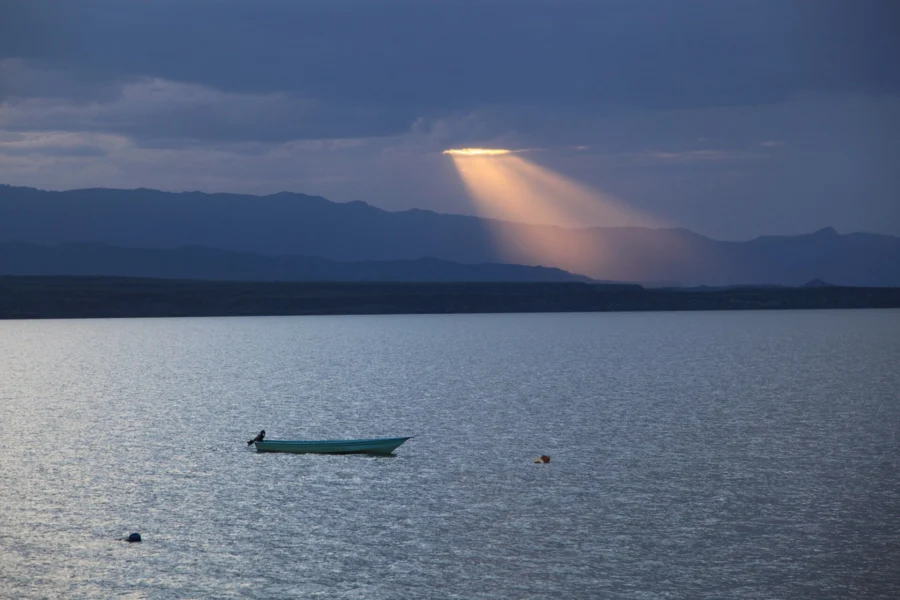 Lake Baringo and Lake Bogoria Birding: The Owl Walks, the Cliffs and the FlamingosA local guide who knows where every nightjar and eagle-owl slept last night, thorn scrub full of hornbills, a Goliath Heron colony on a rock, and the flamingo lake next door that keeps rising.
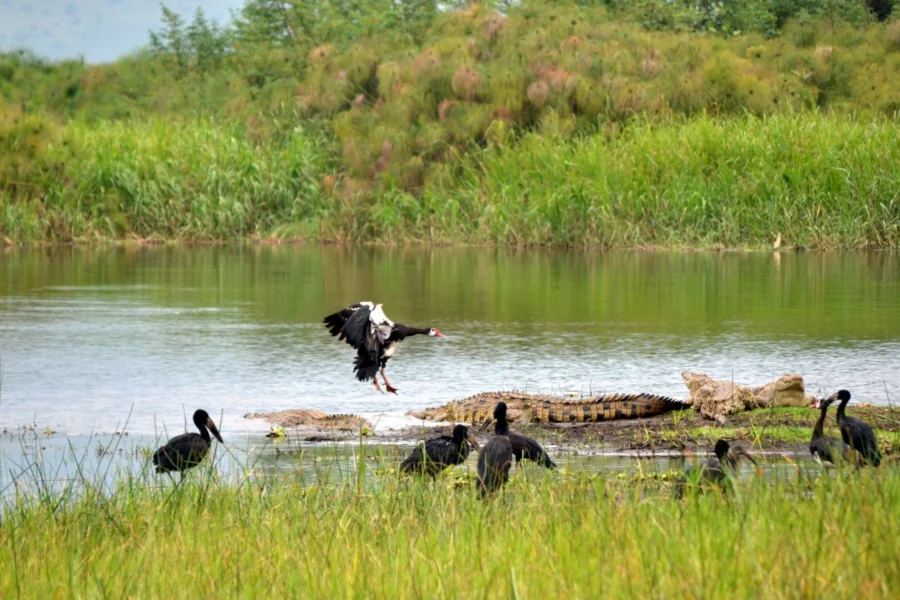 Akagera Birding: Rwanda’s Savanna, Lakes and Papyrus, and the Shoebill ChancesRed-faced Barbet in the southern woodland, Papyrus Gonolek and Carruthers's Cisticola in the swamps, a lake of hippos and lapwings, and a Shoebill that hides in the wetlands more than it shows.
The Pigeon Post
Every Thursday: 1 bird, 1 place to go and 1 place to stay, by email. Sign up and get our printable checklist of the 163 endemics of southern Africa.