
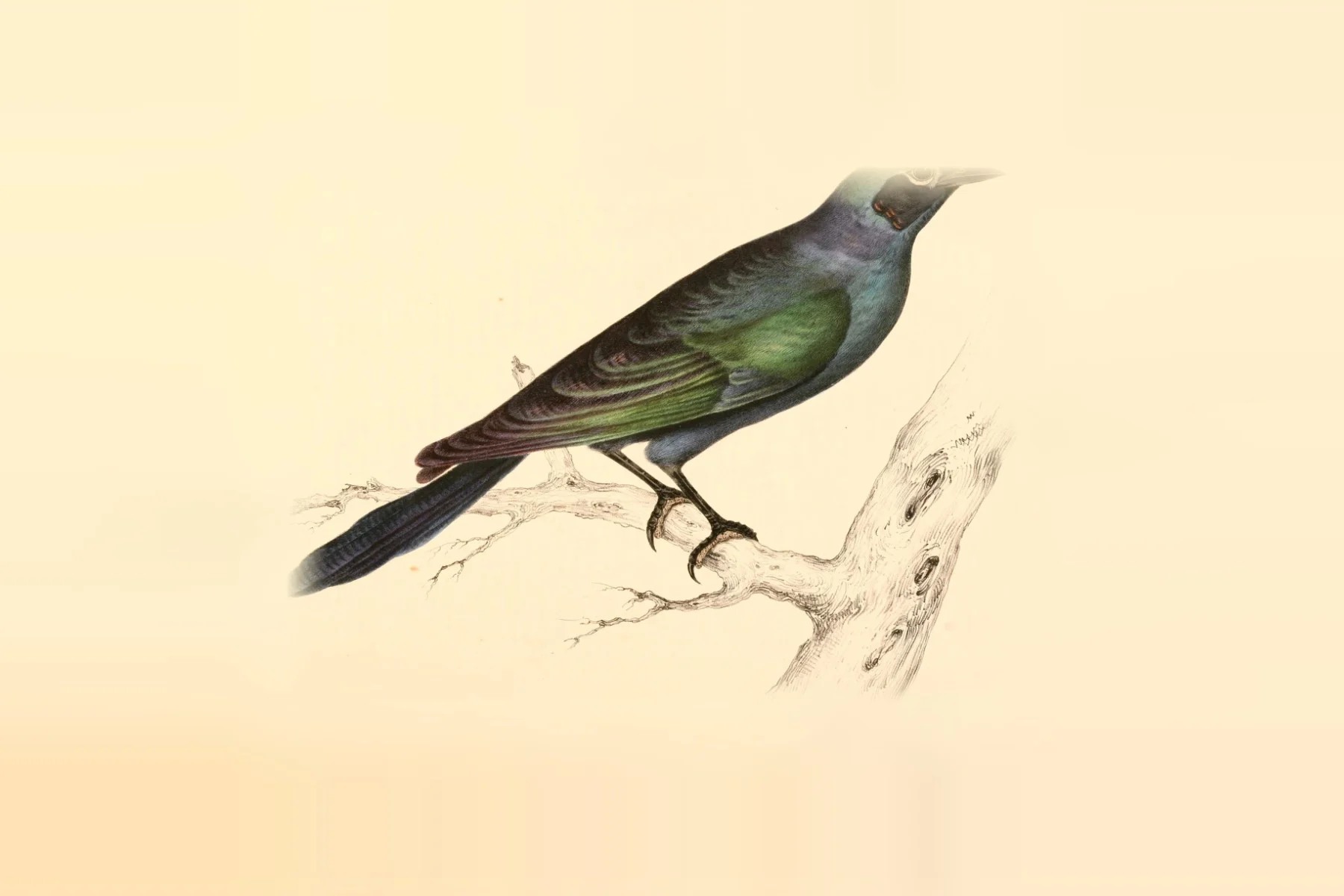
A 2-Week Birding Itinerary for South Africa: Dullstroom, Kruger, Wakkerstroom and Zululand
A self-drive route of 14 days from Johannesburg to Durban: the Dullstroom grasslands, 4 nights in southern Kruger, Wakkerstroom, Mkhuze, St Lucia and Dlinza Forest, with drive times, 2026 park fees and where to stay.
Birding Ecotours now warns clients on its eastern South Africa tour that Rudd’s Lark and Botha’s Lark have become so rare and local around Wakkerstroom that they are “no longer reliable targets”. The same itinerary still gives Wakkerstroom a full day, because the grasslands there hold Yellow-breasted Pipit, Blue Korhaan, Southern Bald Ibis and 2 species of crane. A town worth a day even when its 2 most famous birds may not show up says a lot about the supporting cast.
This plan follows that eastern circuit as a 14-day self-drive from Johannesburg to Durban, with the drive times Birding Ecotours gives for the same roads in its 2027 itinerary. It works in reverse too, if flights into Durban suit you better; the birds do not mind which way round you do it.
The route at a glance
| Days | Base | Getting there | Main targets |
|---|---|---|---|
| 1 and 2 | Dullstroom | 2 to 3 hours from Johannesburg | Wattled, Blue and Grey Crowned Cranes, Yellow-breasted Pipit |
| 3 to 6 | Southern Kruger | About 3 hours from Dullstroom | Raptors, storks, Purple-crested Turaco, summer cuckoos |
| 7 and 8 | Wakkerstroom | About 6 hours from Kruger | Blue Korhaan, Yellow-breasted Pipit, Southern Bald Ibis |
| 9 and 10 | Mkuze or Hluhluwe | 4 hours or more from Wakkerstroom | Pink-throated Twinspot, Rudd’s Apalis, Neergaard’s Sunbird |
| 11 and 12 | St Lucia | About 2 hours | Estuary waders and terns, Livingstone’s Turaco, Green Malkoha |
| 13 and 14 | Eshowe, then Durban | About 2 hours | Spotted Ground Thrush, Eastern Bronze-naped Pigeon |
Days 1 and 2: Dullstroom and the escarpment grasslands
Dullstroom sits at over 2,000 m on the Mpumalanga escarpment, 2 to 3 hours from Johannesburg and Pretoria, and BirdLife South Africa’s John Kinghorn describes it as a natural stopover on the road to the Lowveld. Arrive in the afternoon and give day 2 to the grasslands. Pack a jacket: over 2,000 m, the cranes are the only ones dressed for the morning.
The Verloren Valei route and the De Berg road are where Kinghorn sends birders for Yellow-breasted Pipit and Rufous-breasted Sparrowhawk, with Cuckoo Finch in summer. South of town, the Greater Lakenvlei route is where all 3 crane species are often seen together in farmland, alongside Secretarybird, Denham’s Bustard, White-backed and Maccoa Ducks, and Grey-winged and Red-winged Francolins on the verges early in the day. Walkersons Estate, just north of town, has a hide where Red-chested Flufftail is possible; visits are by prior arrangement only. Note the word “possible”, which is doing a lot of work in that sentence.
Days 3 to 6: southern Kruger
Kruger is about 3 hours down the escarpment, from crane country to hornbill country. Base yourself at or near Skukuza for 4 nights, which gives 3 full days in the south of the park.
BirdLife South Africa’s GoBirding page says Skukuza camp will almost certainly produce African Green Pigeon, so the first tick may come before you reach your room, and that its thickets hold Bearded Scrub Robin and White-browed and Red-capped Robin-Chats. Purple-crested Turaco, Trumpeter Hornbill and 4 species of sunbird are seen in or from the camp. A few kilometres west, on the Paul Kruger Gate road, Lake Panic hide gives Malachite Kingfisher, Wire-tailed Swallow, Black Crake and Thick-billed Weaver at close range.
In summer the park fills with migrant cuckoos, and with the sound of them repeating themselves: African, Common, Red-chested, Diederik, Klaas’s, Levaillant’s and Jacobin, and the tall riverine woodland along the Sabie and Sand rivers is one of the best places in South Africa for the rare Thick-billed Cuckoo. Book at least one night drive from a camp for owls and nightjars: Verreaux’s Eagle-Owl, African Scops Owl, Square-tailed and Fiery-necked Nightjars and Bronze-winged Courser are all on GoBirding’s list of possibilities. Our Kruger birding guide covers the rest of the park.
From 1 November 2026 to 31 October 2027, Kruger’s daily conservation fee is R692 an adult for international visitors, R296 for SADC nationals and R140 for South African citizens and residents.
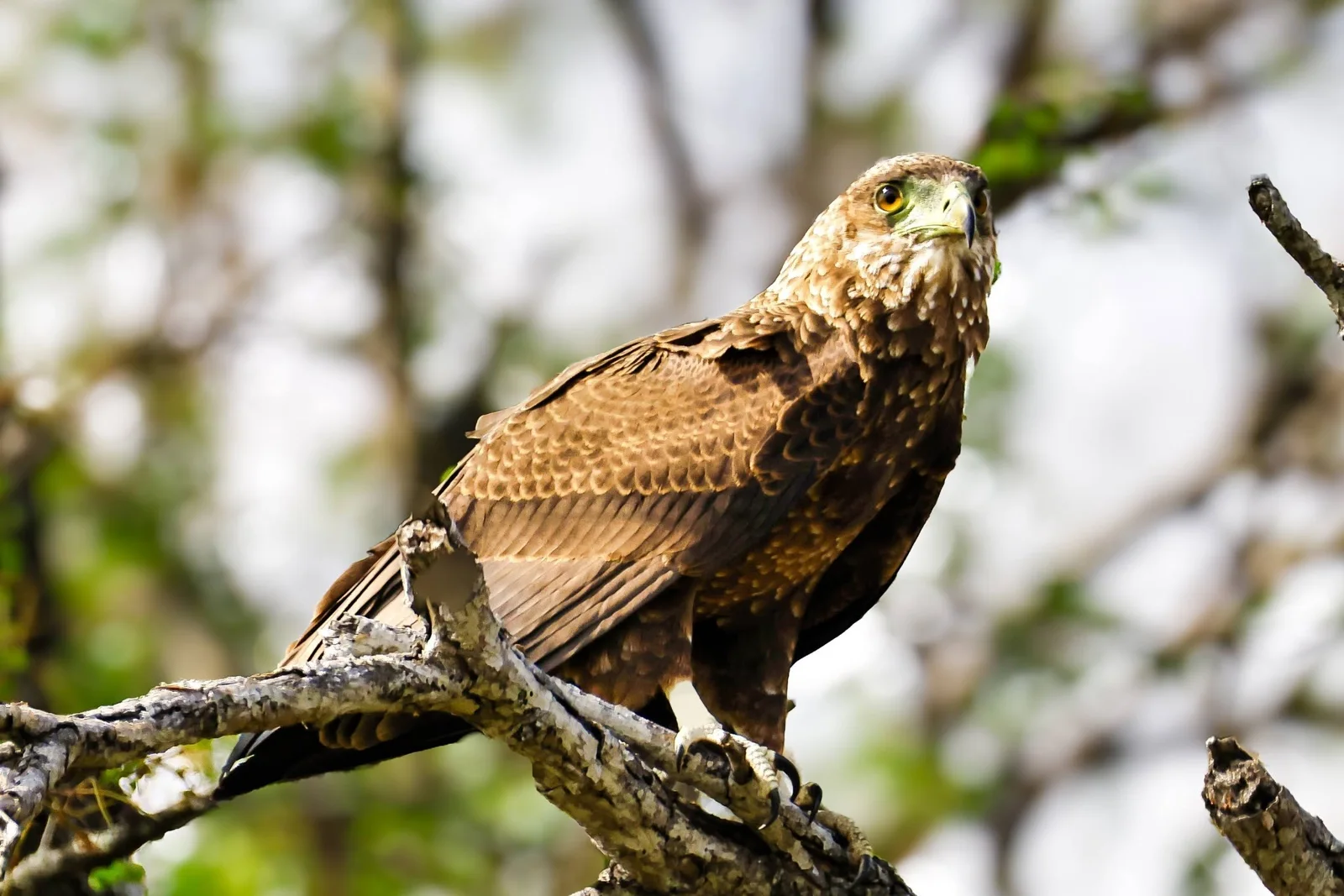
Days 7 and 8: Wakkerstroom
This is the longest drive of the trip, about 6 hours, so leave Kruger after an early drive and keep the snacks within reach. Wakkerstroom lies at 1,760 m on the Mpumalanga and KwaZulu-Natal border. Its wetland covers about 700 ha, one of the larger reed-marshes in South Africa, and GoBirding says a walk there can produce up to 70 species in a morning. The wetland has 4 hides: Clive Beck and WoW on the north side, Iain Drummond and Crane on the west.
Spend the full day with a local guide, booked through the BirdLife contacts on GoBirding, which puts such a day at about 110 species. The Amersfoort Road loop is the area for Blue Korhaan, Denham’s Bustard and both cranes. Fickland Pan, on community land, charges an entrance fee. The hills behind the village are commonage that anyone may walk, and from October to March breeding Yellow-breasted Pipits display on the slopes of Ossewakop, a rare chance to see a pipit showing off. Martin’s Dam, on the road to Piet Retief, is a roost for Southern Bald Ibis and Grey Crowned Crane.
Birding Ecotours adds that some of the larks’ remaining habitat is on private land that needs permission; our piece on Wakkerstroom’s larks explains why they have declined.
Days 9 and 10: Mkhuze
Allow 4 hours or more from Wakkerstroom to the Mkuze and Hluhluwe area. Mkhuze Game Reserve, proclaimed in 1912 and now part of the iSimangaliso Wetland Park, has one of the highest bird lists of any protected area in South Africa, above 400 species. GoBirding recommends 2 to 5 days in the area and calls a list of more than 200 species a reasonable target.
The sand forest around the Kubube and Kumasinga hides is one of the best sites in the country for Pink-throated Twinspot, African Broadbill and Neergaard’s Sunbird, and GoBirding stresses that knowing their calls is essential to finding them. In sand forest, the ears do most of the birding. Nsumo Pan adds African Pygmy Goose and Lesser Jacana among the lilies, and a guided fig forest walk, for groups of up to 8, can give Narina Trogon, Green Malkoha and sometimes a roosting Pel’s Fishing Owl. Visitors must stay in their vehicles except at designated sites. Check gate times with the reserve; GoBirding’s date from 2022.
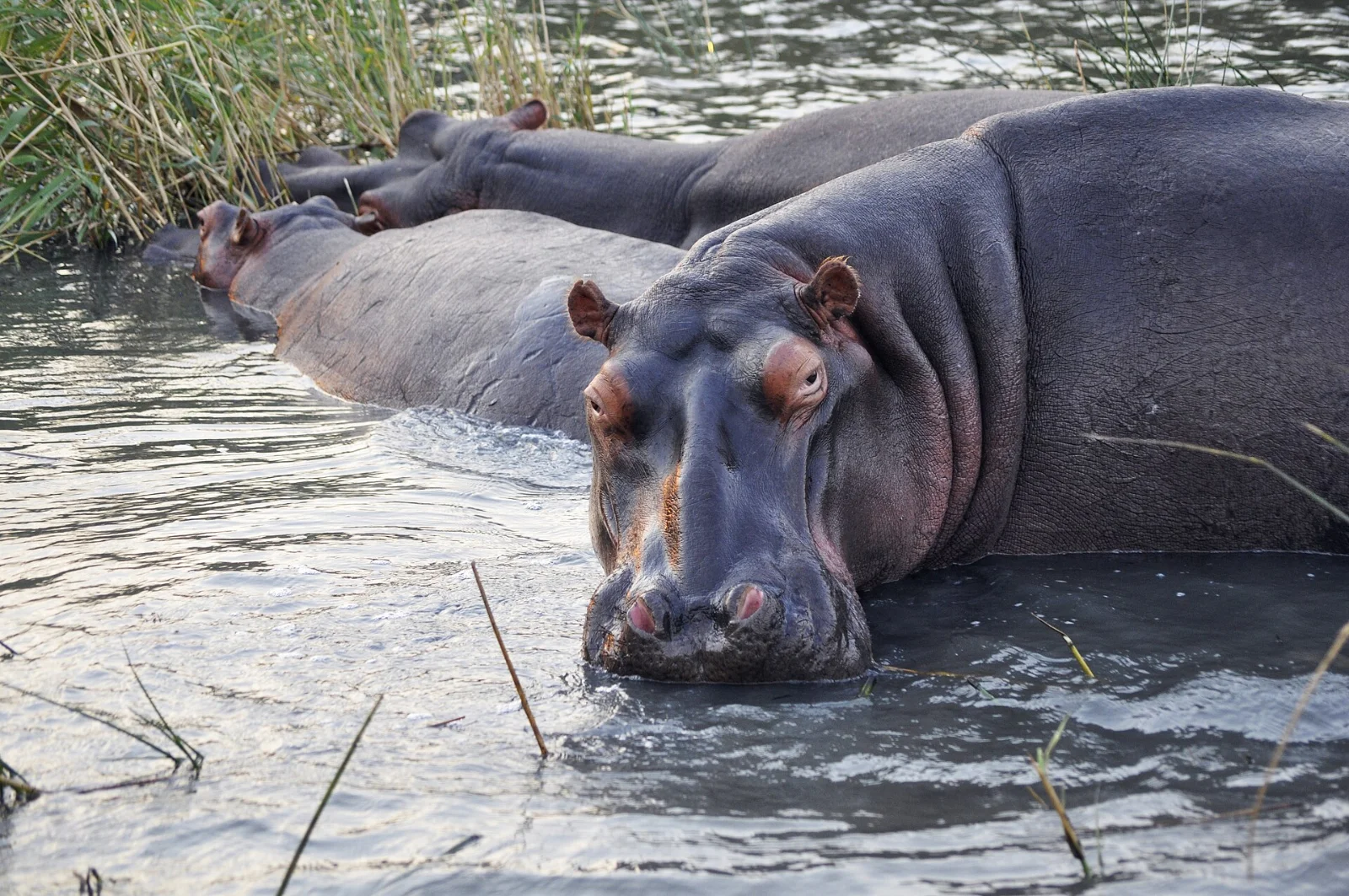
Days 11 and 12: St Lucia
St Lucia is about 2 hours south, inside the iSimangaliso Wetland Park. Naturetrek, which gives the village 3 nights, says more than 500 species have been recorded there, among them Livingstone’s Turaco, Rudd’s Apalis, Green Malkoha and Trumpeter Hornbill.
The estuary is the other draw, and the tide sets the timetable. At low water Birding Ecotours looks for plovers and Terek, Curlew and Marsh Sandpipers, and scans the tern roost for Lesser Crested Tern. Goliath Heron and Pink-backed Pelican are regular, and the reedbeds hold colonies of Southern Brown-throated and Eastern Golden Weavers. Our Zululand birding guide adds Ndumo if you have more time.
Days 13 and 14: Dlinza Forest and home
Eshowe is about 2 hours from St Lucia. In the town itself, the Dlinza Forest Aerial Boardwalk runs for more than 125 m through the canopy to a tower with platforms 20 m up. GoBirding calls Eshowe the best site in South Africa for Eastern Bronze-naped Pigeon, easiest from the tower early and late in the day, and for Spotted Ground Thrush, which keeps to the forest floor along the Impunzi and Unkonka trails. One bird is up in the canopy, the other is down in the leaf litter, and the morning turns into a tennis match played vertically. At the hide by the entrance, Red-backed Mannikin and Green Twinspot are fed. A small fee is payable. Bird the forest at first light on the last day, then take the R66 and the N2 south to Durban.
Guided or self-drive
Rockjumper’s 15-day eastern South Africa tour, with Kruger, Zululand and the Drakensberg, costs R94,500 a person for its 2027 departures, for up to 5 guests, and expects 320 to 380 species. Birding Ecotours’ 18-day version costs R139,500 a person sharing in October 2027. Driving yourself avoids those prices, though you also become the driver, navigator and spotter at once. Put part of the saving into a local guide at Wakkerstroom and the guided walks at Mkhuze.
Most of the specials above are easiest from October to March: Yellow-breasted Pipits display in those months, the cuckoos arrive, and Cuckoo Finch and Denham’s Bustard are summer birds around Dullstroom. Rockjumper warns that the highlands can be cold in winter, and a 04:30 alarm does not help. Birding Ecotours advises anti-malaria tablets for the Kruger and Zululand legs; ask a travel clinic before you book.
Where to stay
The listings along the route:
| Place to stay | Where | For birders | From |
|---|---|---|---|
| Walkersons Hotel & Spa | Dullstroom, Mpumalanga | BirdLife Recommended, 800 ha estate, Wattled Crane | R3,710 pp sharing DB&B (2026) |
| Millstream Farm | Near Dullstroom, Mpumalanga | Hide on Wordsworth Waters, 200 species recorded | R2,550 a self-catering cottage |
| Plains Camp @ Rhino Walking Safaris | Concession near Skukuza, Kruger | BirdLife Recommended, tailor-made birding safaris | R9,830 pp sharing, full board (2026/27) |
| The Wetlands Country House & Sheds | Wakkerstroom | BirdLife Recommended, overlooks Martin’s Dam, guide contacts | Ask the lodge |
| DeKotzenhof | Wakkerstroom | Walk to 4 wetland hides, local guides bookable | Ask the lodge |
| Forellenhof Guest Farm | Outside Wakkerstroom | BirdLife Recommended, community bird guides arranged | Ask the lodge |
| Ghost Mountain Inn | Mkuze, KwaZulu-Natal | BirdLife Recommended, guided birding in Manyoni | R7,250 pp sharing for 3 nights, DB&B (Dec to Jan) |
| Bonamanzi Game Lodge | Near Hluhluwe, KwaZulu-Natal | BirdLife Recommended, hides at the waterholes | R200 pp camping (low season) |
| Malkoha Lake St. Lucia | Nibela Peninsula, Lake St Lucia | Guided birding walks, hide, Pink-throated Twinspot | Ask the lodge |
| Eshowe Hills Eco and Golf Estate | Eshowe, near Dlinza Forest | 5 km trail, Spotted Ground Thrush named | Ask the lodge |
Drive times are Birding Ecotours’ estimates and park fees are SANParks’ for 1 November 2026 to 31 October 2027, both checked on 14 November 2026. Gate times, walk schedules and fees change; confirm them with each reserve before you travel.
More from the Journal
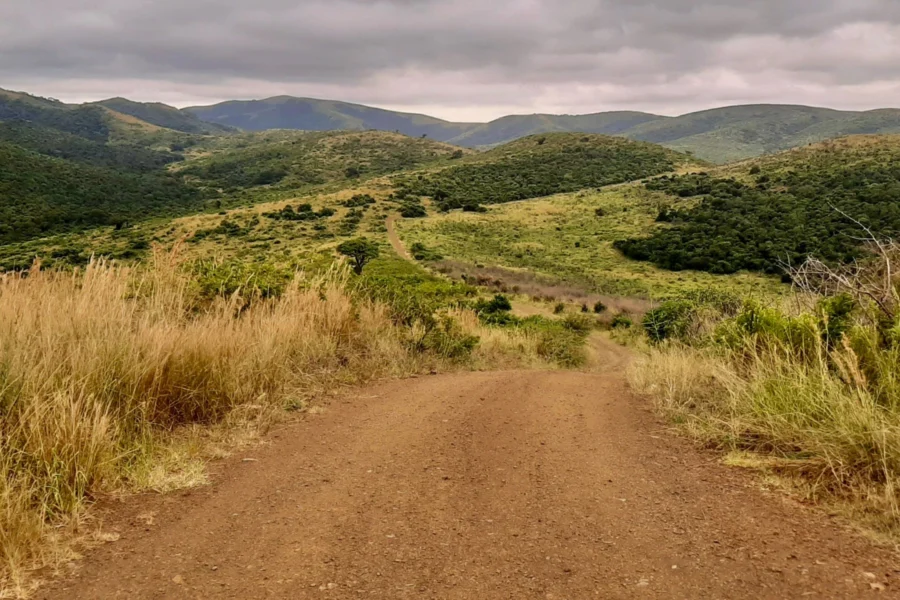 Zululand Birding Route: a 10-Day Loop by Car from DurbanA 10-day self-drive from King Shaka airport: Dlinza's canopy, Green Barbet at Ongoye, the Cape Vidal road, Hluhluwe-iMfolozi's vultures, the uMkhuze hides and Ndumo's pans, with a birder-friendly roost every night.
 West Coast and Karoo Birding Route: 10 Days by Car from Cape TownA 10-day self-drive from Cape Town: Langebaan's waders, the Berg River pans, Rocherpan's hides, 40,000 gannets at Lambert's Bay, Cape Rockjumper in the Cederberg and larks in the Tankwa, with a birder-friendly roost every night.
 Where to Stay for Birding Big Day: The Best Bases for a Big CountOn Saturday 5 December, teams all over South Africa count from wherever they draw their circle. 9 places to stay whose 50 km circle takes in river, forest, grassland, wetland and dry bush, from Pafuri Camp in the far north of Kruger to De Hoop on the south coast.
The Pigeon Post
Every Thursday: 1 bird, 1 place to go and 1 place to stay, by email. Sign up and get our printable checklist of the 163 endemics of southern Africa.