
Serengeti Birding: The Endemics, the Seasons and the Camps
Grey-breasted Spurfowl and Fischer's Lovebird on the plains, a Maasai Apalis that lives in one kind of tree, Secretarybirds nesting at Ndutu, and the camps with ornithologist guides.
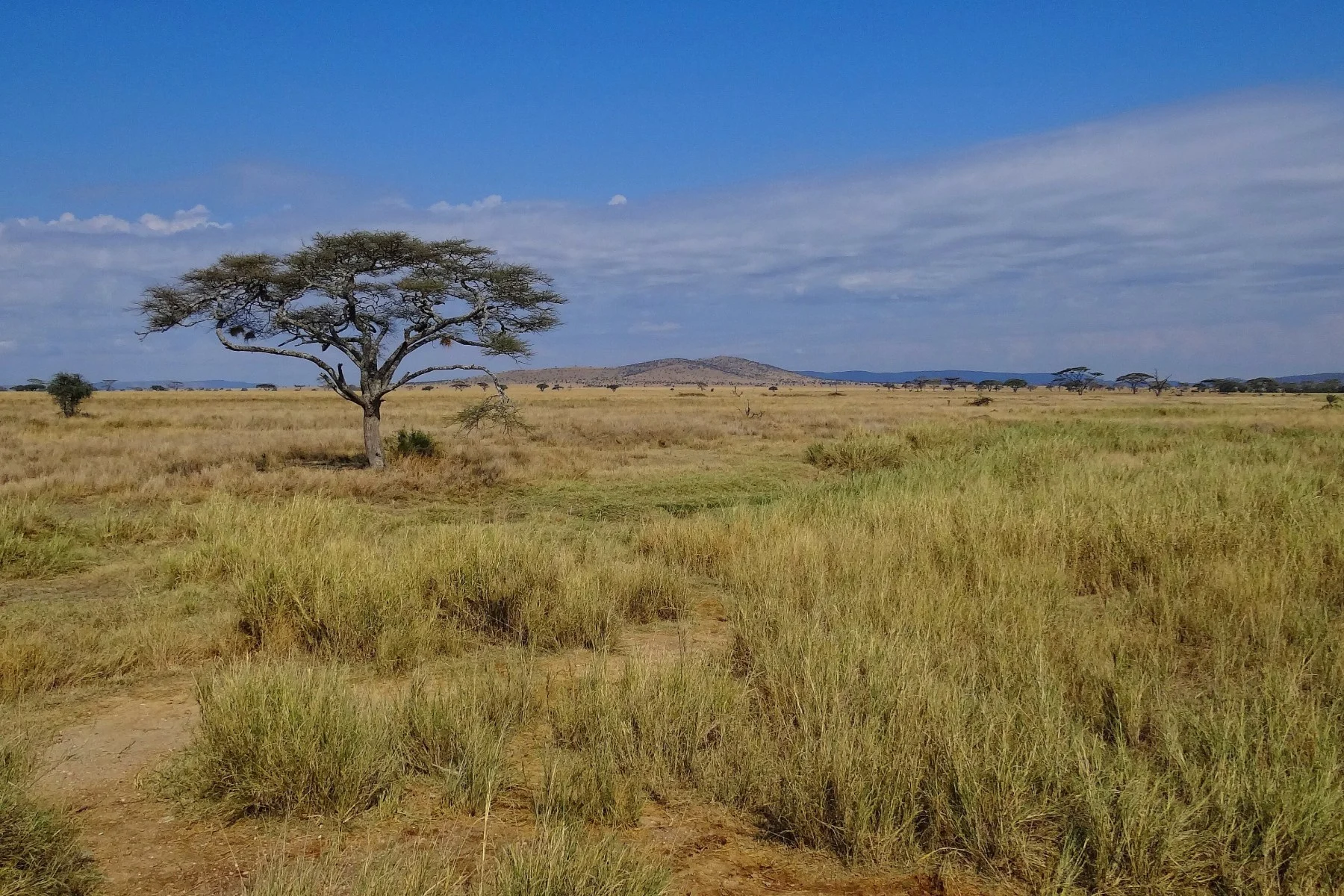
The Serengeti bird that takes the most work lives in a single kind of tree, which sounds as though it should make it easy. Maasai Apalis, recently split from Karamoja Apalis, is strictly tied to stands of whistling thorn, and BirdQuest’s group on its April 2025 Northern Tanzania tour had to work an area of those thorns persistently before a pair gave decent views. It is one of a short list of birds that make the Serengeti more than a backdrop for the wildebeest, which already get most of the attention.
Most birding groups reach the park through the Ngorongoro highlands, as BirdQuest’s did. Its report lists the endemics and near-endemics a birder can expect on that route: Grey-breasted Spurfowl, Fischer’s and Yellow-collared Lovebirds, Beesley’s Lark, Ashy Starling and Tanzanian Red-billed Hornbill, with Rufous-tailed Weaver, Maasai Apalis and the elusive Grey-crested Helmetshrike as regional specialities. That is a lot of lifers to fit between the lions. Mbuzi Mawe Serena Camp, in the central Serengeti, gives about 500 species for the park.
The specials of the plains and woodland
In the central Serengeti, BirdQuest’s group found Grey-crested Helmetshrike on its first morning out from its lodge. The report calls it a scarce bird restricted to a small area from northern Tanzania into southern Kenya, where it appears to hybridise with White Helmetshrike, which does nothing to make identification easier. A pair of Tanzanian Red-billed Hornbills followed, then the apalis in the whistling thorn.
Grey-breasted Spurfowl was common around Ndutu, and the report says it gave numerous chances for views; Fischer’s Lovebirds were there in colourful groups, though in lower numbers than usual. Usambiro Barbet turned up earlier on the route. Mbuzi Mawe Serena Camp names Kori Bustard, Fischer’s Lovebird, Rufous-tailed Weaver and Grey-breasted Spurfowl among its birds, so the core endemics are possible from a central base, without packing up camp every morning.
The grassland also has a lark puzzle, and larks are puzzling enough to begin with. BirdQuest notes that not all of the Serengeti’s White-tailed Larks have proved to be that species: many appear to be Melodious Lark, previously known only from central Zimbabwe and South Africa. The group found Athi Short-toed and White-tailed Larks first, and only after a full day’s search heard Melodious Larks singing, which confirmed the identification. It took a day, but the birds did eventually settle the argument themselves.
On a game-drive safari, a few habits help. Ask the guide to stop at stands of whistling thorn for the apalis, and to drive slowly across the short grass for larks and spurfowl. Use the picnic sites: BirdQuest’s group lunched at the Seronera picnic area, where Grey-headed Silverbills came close enough to photograph, and found it a good place to pick up news from other drivers, the safari version of the office water cooler. And expect quiet grassland late in the season; in April the group found most larks silent, apparently having already bred and seeing no further need to sing about it.
Ndutu and the southern plains
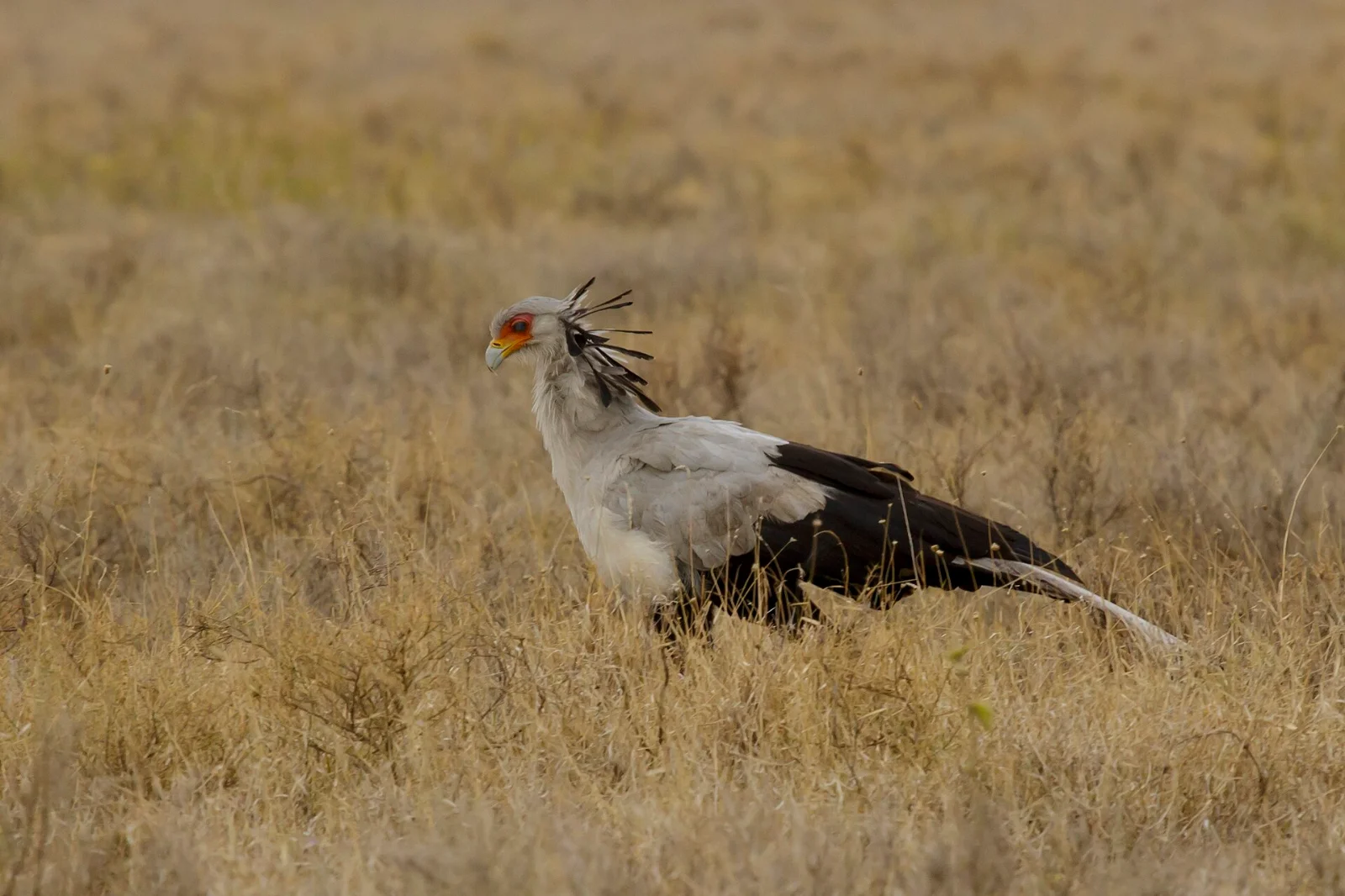
The southern plains around Ndutu sit on the border of the Serengeti and the Ngorongoro Conservation Area, and BirdQuest’s group spent 3 nights there. The 2 lakes, Ndutu and Masek, held Kittlitz’s and Chestnut-banded Plovers. Secretarybird, a much-wanted bird on the tour, gave its best views here, striding about on those long legs, with pairs hunting and at their nests on top of acacias. Harlequin Quails flushed from the wet short-grass plains, and the group added Rufous Chatterer and Spotted Eagle-Owl. For the Secretarybird’s range across Africa and how to find one, see where to see a Secretarybird.
On the way in from Ngorongoro, the picnic stop at Naabi Hills produced Black-lored Babblers and Red-headed Weavers, and the route north crossed the Gol Kopjes, so even the lunch breaks pull their weight. BirdQuest’s report also notes flocks of migrant Lesser Kestrels moving through, with resident Greater Kestrels, and Hartlaub’s Bustard near Seronera.
The seasons
The wildebeest set the safari calendar; the migrant birds set the birding one, and they fly in rather than walk. BirdQuest’s report puts the Serengeti’s wildebeest at perhaps more than 1.5 million, and says almost all of them pour into the south-east corner of the ecosystem between January and April, when the heavy long rains arrive. Its own visit, in the first half of April, found the short-grass plains very wet.
For birders, Mbuzi Mawe gives October to April as the migrant season, when Palaearctic birds such as White Stork and Montagu’s and Pallid Harriers are on its list, along with Caspian Plover. Gibb’s Farm, in the highlands on the route in, gives November to April as the best time for birds. Enkutoto Migration Camp moves with the herds: it stands at Kogatende in the northern Serengeti from June to October and at Ndutu in the south from November to March.
That gives 2 broad choices. From November to April the south has the herds, the long rains from January and the migrant birds; from June to October the herds, and Enkutoto’s camp, are in the north. The central camps, around Seronera, sit between the two, which keeps both options in reach.
Choosing a camp
The directory’s Serengeti camps share one useful feature: guiding aimed at birders, so nobody sighs when you ask to stop for a cisticola. Mbuzi Mawe Serena Camp has 16 safari tents in rocky glades at Kilimafedha in the central Serengeti and runs guided bird walks and half-day or full-day birding outings shaped around what guests want to see, with checklists and a professional ornithologist. The 3 Acacia Collections camps, Enkirari Wilderness Camp on the open plains of the central Serengeti, Olkarien Eco Safari Lodge at Seronera, and the mobile Enkutoto Migration Camp, all offer the operator’s birdwatching safari with a specialist ornithologist guide and bird identification books.
Before or after the park, the Ngorongoro highlands break the drive, and give the legs a stretch. Naserian Safari Camp, also an Acacia Collections camp, has 12 rooms about 20 minutes from the crater rim and offers the same birding safari. Gibb’s Farm, a working farm near Karatu, reports more than 200 bird species each season, and its naturalists lead walks into the bush and forest bordering the farm; it names African Golden Oriole, Grosbeak Weaver, Variable Sunbird, Abdim’s Stork and Grey Crowned Crane. For the rest of the circuit, from Tarangire to the Eastern Arc mountains, see the Tanzania birding guide.
BirdQuest’s group had to reach its central Serengeti lodge by the park’s 7 pm closing time, so plan long transfer days with that deadline in mind, and resist one more stop for one more lark.
Where to stay
The places to stay in and on the way to the Serengeti, in the order they appear above:
| Place to stay | Where | For birders | From |
|---|---|---|---|
| Mbuzi Mawe Serena Camp | Kilimafedha, central Serengeti, Tanzania | Ornithologist-led birding outings, Fischer’s Lovebird | US$601 a tent |
| Gibb’s Farm | Near Karatu, Ngorongoro highlands, Tanzania | Naturalist-led walks, 200+ species a season | US$518 pp sharing, full board (green season 2026) |
| Enkutoto Migration Camp | Kogatende or Ndutu, Serengeti, Tanzania | Birding safari with specialist ornithologist guide | US$360 pp, triple, full board (2026 high season) |
| Enkirari Wilderness Camp | Central Serengeti plains, Tanzania | Birding safari with specialist ornithologist guide | US$273 pp, triple, full board (2026 high season) |
| Olkarien Eco Safari Lodge | Seronera, central Serengeti, Tanzania | Birding safari with specialist ornithologist guide | US$498 pp sharing, full board (2026) |
| Naserian Safari Camp | Near the Ngorongoro Crater rim, Tanzania | Birding safari with specialist ornithologist guide | Ask the lodge |
Park fees, camp seasons and the migration’s timing change from year to year. Facts were checked on 14 November 2026 with BirdQuest’s April 2025 Northern Tanzania tour report and each listing on Birding Dispatch. Confirm current TANAPA park fees and camp positions with your operator before you travel.
More from the Journal
 Namib-Naukluft and Sossusvlei for Birders: Dune Lark, Desert Raptors and the Naukluft SpecialsA lark that lives on the dunes and nowhere else, Lappet-faced Vultures nesting in the desert, coursers on the gravel plains and the northern specials around the Naukluft cliffs, in one of Africa's largest parks.
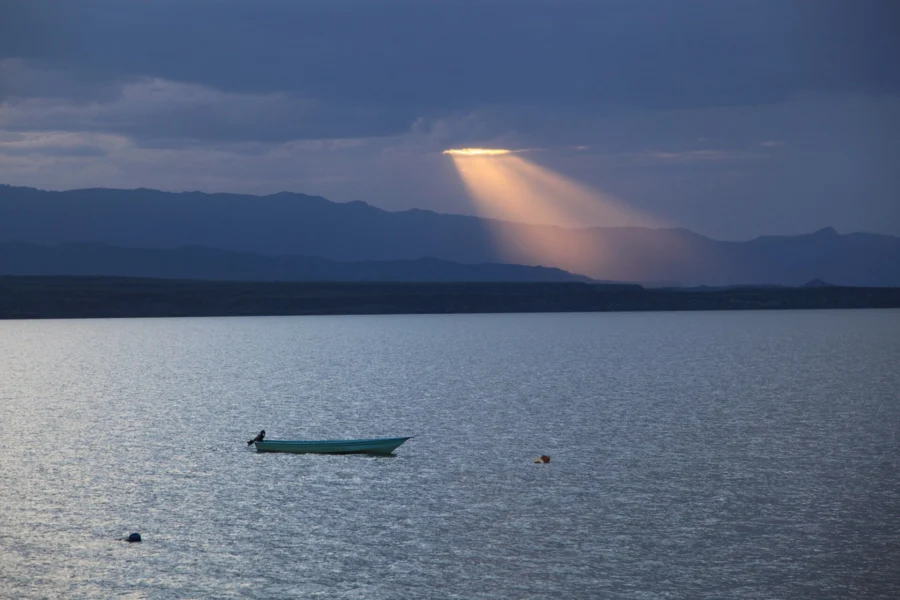 Lake Baringo and Lake Bogoria Birding: The Owl Walks, the Cliffs and the FlamingosA local guide who knows where every nightjar and eagle-owl slept last night, thorn scrub full of hornbills, a Goliath Heron colony on a rock, and the flamingo lake next door that keeps rising.
 Akagera Birding: Rwanda’s Savanna, Lakes and Papyrus, and the Shoebill ChancesRed-faced Barbet in the southern woodland, Papyrus Gonolek and Carruthers's Cisticola in the swamps, a lake of hippos and lapwings, and a Shoebill that hides in the wetlands more than it shows.
The Pigeon Post
Every Thursday: 1 bird, 1 place to go and 1 place to stay, by email. Sign up and get our printable checklist of the 163 endemics of southern Africa.