
Nylsvley Birding: South Africa’s Great Floodplain and Where to Stay Nearby
A floodplain that keeps birders checking the weather: when the Nyl fills, what turns up, which hides to sit in, and the places to stay between Modimolle, Mookgophong and Pienaarsrivier.
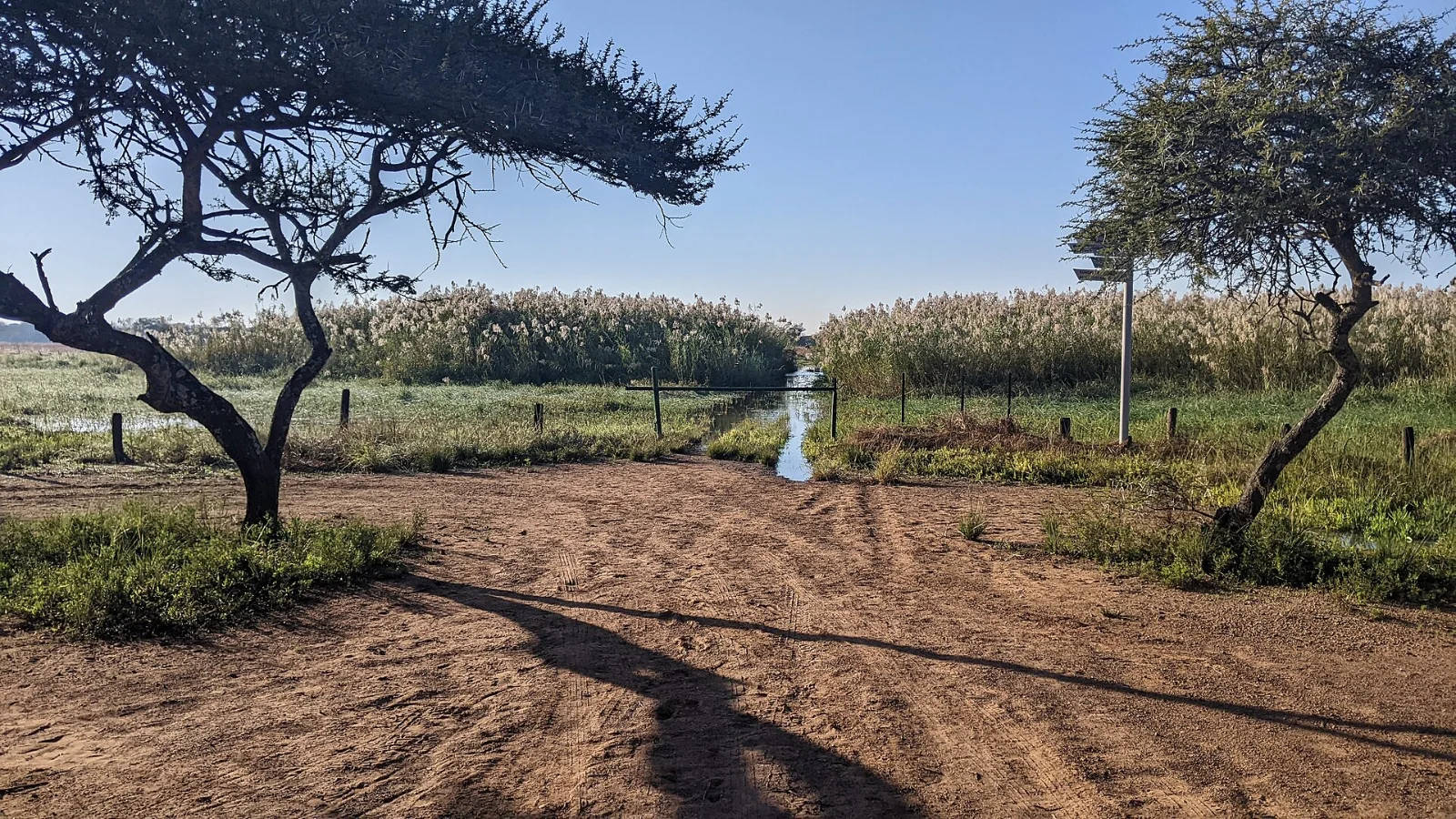
The Nyl River floodplain runs for about 70 km, from Kranskop near Modimolle to Moorddrift near Mokopane. In a full flood it can be 7 km wide and cover 16,000 ha. Nylsvley Nature Reserve protects about 4,000 ha of it, and the Friends of Nylsvley say more than 100 waterbird species have been recorded there, more than at any other wetland in South Africa. BirdLife South Africa’s GoBirding guide calls it the largest and most intact seasonal floodplain in the country, and it has been a Ramsar site since July 1998.
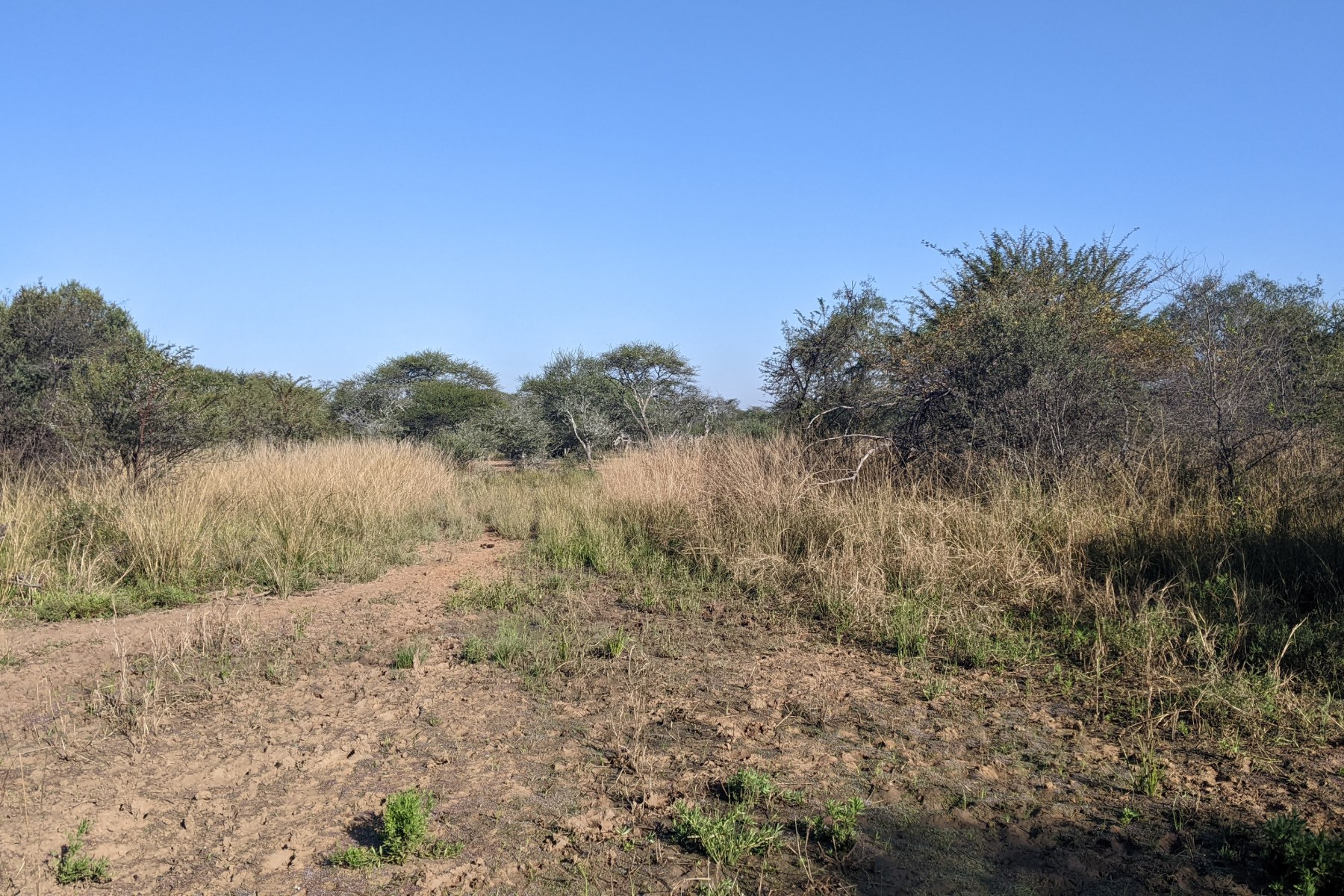
Everything depends on rain, so birders here end up watching the Waterberg weather as closely as any farmer. In a dry year Nylsvley is a grassland with good bushveld birding around it. In a wet year it is the place in South Africa to see bitterns, crakes and rare ducks breeding.
When the floodplain fills
The water comes from small seasonal rivers draining the eastern slopes of the Waterberg. According to the Friends of Nylsvley, no floodwater reaches the floodplain in about 1 year in 3, there is some flooding in 2 years out of 3, and a bumper flood that puts the whole floodplain under water comes about once in 10 years, which gives the phrase “a good year” real weight. When it does come, the water typically arrives in late January and February, then slowly recedes, sometimes drying up completely before the next summer. GoBirding’s summary is similar: inundated every 2 to 4 years, and still a prime site in drier years.
The first floodwater brings barbel and minnows down from the catchment to breed, and the herons, storks and egrets follow the fish, never far behind a free meal. Before driving up in summer, phone the reserve on 014 743 6925 or 073 068 3180 and ask whether there is water on the floodplain. A trip in a flood year and a trip in a dry year produce two different lists, and only one of them has bitterns on it.
What turns up in a wet year
GoBirding says the floodplain holds the largest breeding concentrations in the country of Great Egret, Black Heron, Squacco Heron and Black-crowned Night Heron. All 3 bitterns, Eurasian (Great), Little and Dwarf, occur and breed here, though sightings are far from guaranteed. Bitterns treat being seen as a personal failure. Striped Crake, Lesser Moorhen and Allen’s Gallinule breed in wet years, and Streaky-breasted Flufftail turns up occasionally, a bird whose name sounds made up and is not. Up to 15 species of duck and goose have been recorded, among them African Pygmy Goose, White-backed Duck, Fulvous Whistling Duck and Knob-billed Duck. The Friends add Rufous-bellied Heron to the list of birds that are rare elsewhere in the country but breed here in wet years.
For the wetland specials, sit still and let them come to you. Patience is the main piece of kit. Crakes and gallinules feed at the edges of flooded grass early and late in the day; bitterns are more often heard than seen, which is how they like it.
The bushveld birds, wet or dry
The thornveld and broadleaf woodland around the floodplain are rich in birds even in dry years, so a dry Nylsvley is still no consolation prize. GoBirding names Tinkling Cisticola and Bushveld Pipit, and as many as 7 owl species. The Friends give a total of more than 380 species for the reserve, which makes it one of the most bird-rich reserves in South Africa for its size, and they have run a woodland bird census every January since 2001.
The hides
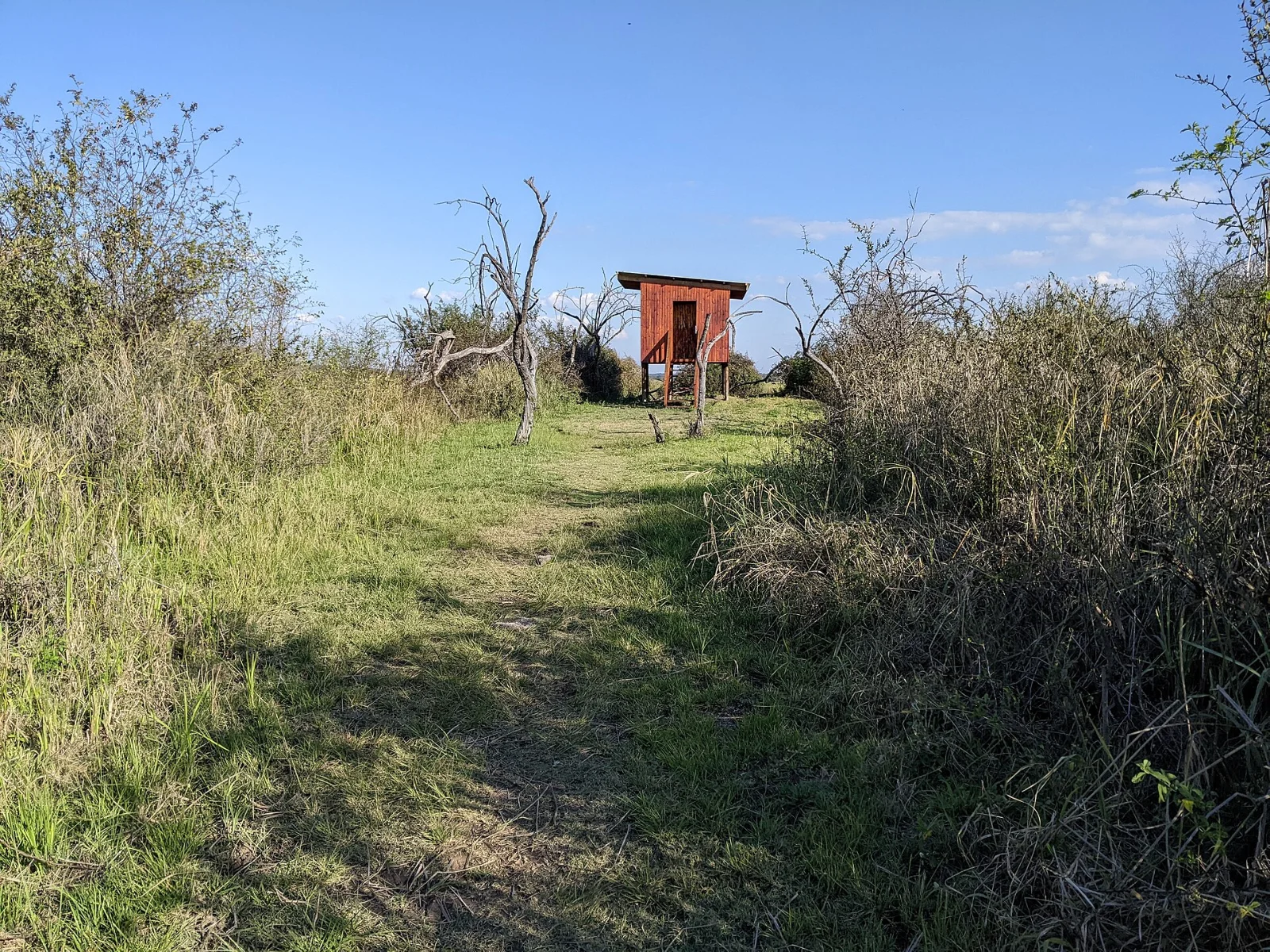
The Vogelfontein hides are, in GoBirding’s words, normally the highlight, especially during or just after flooding, when thousands of waterfowl gather with large flocks of storks and raptors. To reach them, turn right out of the reserve’s main gate, then right again just before the railway line, drive about 5 km, turn right again and follow the road to a small parking area. The entrance to the hides is locked, so ask at the reserve office before you set off.
Inside the reserve there are 2 more hides overlooking the floodplain. One is in the wilderness area and can only be reached on foot, roughly an hour each way. GoBirding says the track runs through rich bushveld and can be very rewarding early in the morning, so treat the walk as part of the birding and not a commute. Pick up the reserve map at reception for the exact positions.
Kgomo Kgomo and the Zaagkuilsdrift Road
South of Nylsvley, a second seasonal floodplain lies along the road from Pienaarsrivier to the village of Kgomo Kgomo. GoBirding calls the 20 km stretch one of the country’s top bushveld birding destinations and a regular rarity hotspot, and says the wider Kgomo Kgomo system has produced more than 430 species. Around the village, look for Great Sparrow, Black-throated Canary and Red-headed and Cut-throat Finches. On the western side, the main bridge over the Moretele River is the spot to stop, with Caspian Plover from September to December before the area floods. Most birders combine the two floodplains in a long weekend: twice the floodplain, twice the chance of water.
At a glance
| Place to stay | Where | For birders | From |
|---|---|---|---|
| Sandfields and Forests | Borders Nylsvley, near Mookgophong | BirdLife Recommended, 361-species area list, flood-year specials | Ask the lodge |
| Monate Game Lodge | Near Modimolle | BirdLife Recommended, guided birding drives, Nylsvley checklist | Ask the lodge |
| Zwahili Private Game Lodge & Spa | 36 km east of Modimolle | Birding safaris, 300+ species, Kori Bustard | R2,236 pp sharing DB&B (offer to 31 Dec 2026) |
| Zaagkuilsdrift Bird Sanctuary & Lodge | Near Pienaarsrivier | BirdLife Recommended, 3 hides, water-level photography hide | Ask the lodge |
| Makulu Birders House | Rust de Winter | BirdLife Recommended, 240-species list, farmhouse for 10 | Ask the lodge |
| Mabula Game Lodge | Waterberg, 47 km from Bela-Bela | Birding activity, ground hornbill project visit | R5,576 pp sharing, full board and drives (2026) |
Where to stay
Sandfields and Forests is the closest: its private reserve borders Nylsvley, near Mookgophong. It has 2 serviced self-catering lodges, one for 10 in 5 bedrooms and one for 4, and the whole place takes up to 16. Its bird list, drawn from Nylsvley records, has 361 species for the area, and it names Eurasian Bittern, Rufous-bellied Heron, Dwarf Bittern, Allen’s Gallinule and Streaky-breasted Flufftail as wetland birds that turn up in flood years. It is BirdLife South Africa Recommended.
Near Modimolle, Monate Game Lodge is BirdLife Recommended, offers guided birding drives and links to a Nylsvley checklist; it has 38 double rooms and 2 villas, so expect conference groups as well as birders, and some very different views on what an early start means. Zwahili Private Game Lodge & Spa, 36 km east of Modimolle, advertises a wildlife and birding safari, sends guests to Nylsvley and counts more than 300 species on its own land, including Kori Bustard and Lizard Buzzard. Its summer offer, 1 September to 31 December 2026, is R2,236 per person sharing, dinner, bed and breakfast. The last 8 km are gravel and dirt, and the lodge does not recommend low sports cars, so the Porsche stays home.
For Kgomo Kgomo, Zaagkuilsdrift Bird Sanctuary & Lodge near Pienaarsrivier has 3 hides, including the Delta Hide at the end of a boardwalk and a water-level photography hide, and names African Crake, Striped Crake, Allen’s Gallinule and River Warbler. It is open October to April, needs a high-clearance vehicle, and floods can close Crake Road, which is fitting, since floods are what bring the crakes. Breakfast is included until 31 March 2027, with a move to mainly self-catering planned from 1 April 2027. A little further south, Makulu Birders House at Rust de Winter is a self-catering farmhouse for 10 with a 240-species list, about an hour from Pretoria.
For a bigger reserve in the Waterberg, Mabula Game Lodge, 47 km from Bela-Bela, lists birding among its activities and can add a visit to the ground hornbill project. See where to see Southern Ground Hornbill for more on that bird.
The reserve has its own beds too: 4 chalets for 2, a guest house for 6, a group camp and campsites, booked through Limpopo Tourism on 073 068 3180, and the Spoonbill Restaurant serves breakfast and light lunches.
Fees, gates and getting there
Nylsvley is run by the Limpopo Department of Economic Development, Environment and Tourism. Turn off the R101 between Modimolle and Mookgophong at the Boekenhout turning; the gate is 8 km down a good gravel road, on the left just after the railway line. The gates open from 06:00 to 18:00 between September and April, and from 06:30 to 17:30 between May and August. The latest tariffs on the Friends of Nylsvley site, dated August 2023, are R50 for adults and R30 for children and pensioners, bicycle hire at R120 a day and camping at R60 per person per night; motorbikes are not admitted. Expect those figures to have risen, as figures do. Sandfields puts the drive at about 2.5 hours from the main Gauteng centres.
Go from late January to March in a year with good summer rain, when the floodplain is most likely to be wet, and phone first. Then you will know which of the 2 lists you are driving up for. In a dry year, a summer visit still brings the migrants and the bushveld birds. For a planner covering other sites near Gauteng, see birding near Johannesburg, and for the national calendar, the best time for birding in South Africa.
Flooding at Nylsvley changes from year to year, and the published reserve tariffs are from 2023. Facts were checked on 13 November 2026 with BirdLife South Africa’s GoBirding guides to Nylsvley and Zaagkuilsdrift, the Friends of Nylsvley and the Birding Dispatch listings. Confirm water levels, fees and hide access with the reserve before you go.
More from the Journal
 Namib-Naukluft and Sossusvlei for Birders: Dune Lark, Desert Raptors and the Naukluft SpecialsA lark that lives on the dunes and nowhere else, Lappet-faced Vultures nesting in the desert, coursers on the gravel plains and the northern specials around the Naukluft cliffs, in one of Africa's largest parks.
 Lake Baringo and Lake Bogoria Birding: The Owl Walks, the Cliffs and the FlamingosA local guide who knows where every nightjar and eagle-owl slept last night, thorn scrub full of hornbills, a Goliath Heron colony on a rock, and the flamingo lake next door that keeps rising.
 Akagera Birding: Rwanda’s Savanna, Lakes and Papyrus, and the Shoebill ChancesRed-faced Barbet in the southern woodland, Papyrus Gonolek and Carruthers's Cisticola in the swamps, a lake of hippos and lapwings, and a Shoebill that hides in the wetlands more than it shows.
The Pigeon Post
Every Thursday: 1 bird, 1 place to go and 1 place to stay, by email. Sign up and get our printable checklist of the 163 endemics of southern Africa.