
Birding Malawi: Nyika, Liwonde and the Miombo Specials
Malawi's only endemic, Yellow-throated Apalis, plus Lilian's Lovebird, Pel's Fishing Owl and the Nyika grassland birds, with fees, timing and the fuel, which can be harder to find than the birds.
Malawi is a long, narrow country of 118,484 km², and the African Bird Club puts its bird list at about 660 species. It has 1 endemic, Yellow-throated Apalis, 1 near-endemic, Malawi Batis, and a long list of miombo, montane and Zambezi Valley birds that the club rates as best found here.
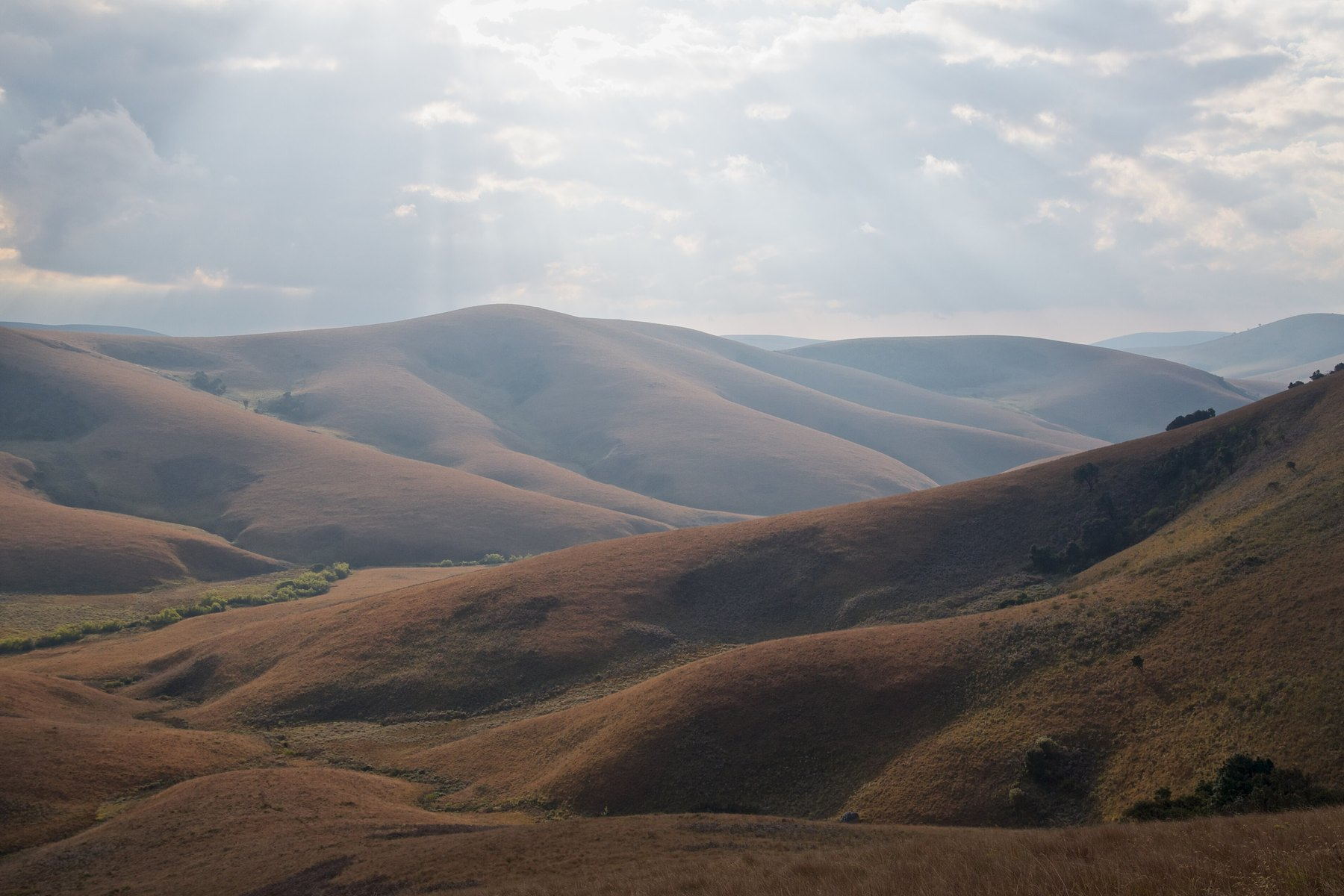
The birds are spread along the whole country, end to long end. Montane forest on Zomba and Mulanje in the south, the Shire River at Liwonde, miombo woodland at Dzalanyama near Lilongwe and high grassland on Nyika in the far north. Joining them up means long drives on slow roads in a country with a chronic fuel shortage, and that, more than the birds, is what makes Malawi hard work.
The short answer
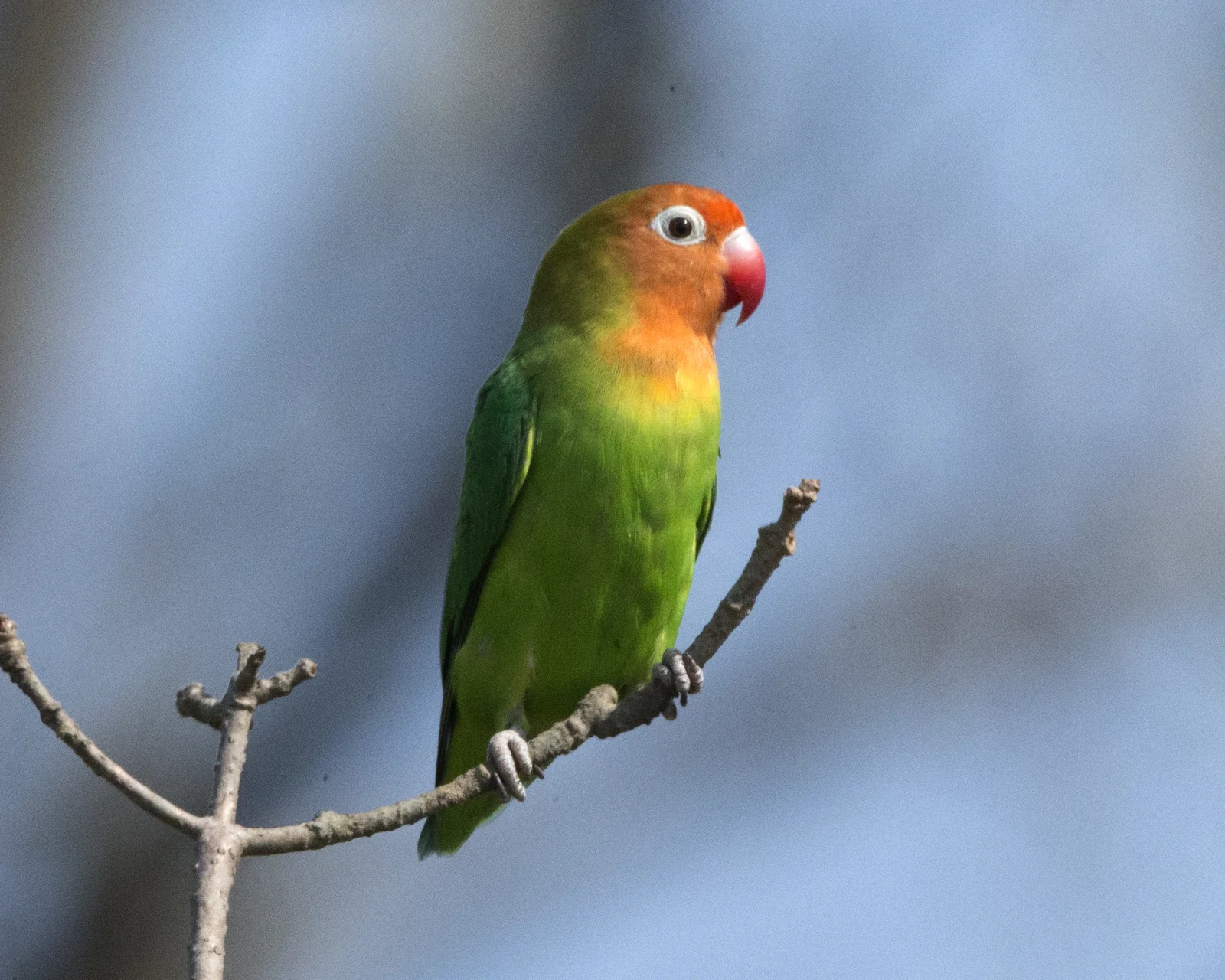
Start in Blantyre and do Zomba Plateau for Yellow-throated Apalis and White-winged Apalis. Drop to Liwonde National Park for Lilian’s Lovebird, Brown-breasted Barbet, Böhm’s Bee-eater and Pel’s Fishing Owl. Head north through Dzalanyama Forest Reserve for Stierling’s Woodpecker and the miombo flocks, and finish on the Nyika Plateau for Denham’s Bustard, Red-winged Francolin, Churring Cisticola and Blue Swallow. Birding Ecotours runs this route in 16 days. Go between October and December, at the start of the rains, and plan every fuel stop as carefully as the birding.
At a glance
| Site | Key specials | Notes |
|---|---|---|
| Zomba Plateau | Yellow-throated Apalis, White-winged Apalis, Thyolo Alethe, Malawi Batis | Forest patches near the Ku Chawe Inn and Trout Farm |
| Mount Mulanje | Yellow-throated Apalis, Thyolo Alethe, White-winged Apalis, Blue Swallow | Ruo Gorge and Chisongeli Forest |
| Liwonde NP | Lilian’s Lovebird, Brown-breasted Barbet, Böhm’s Bee-eater, Pel’s Fishing Owl | Run by African Parks since 2015; Mvuu Camp from US$345 |
| Majete WR | Racket-tailed Roller, Böhm’s Bee-eater, Southern Carmine Bee-eater | African Parks’ first park; US$30 a day for international adults |
| Dzalanyama FR | Stierling’s Woodpecker, Souza’s Shrike, Böhm’s Flycatcher, Olive-headed Weaver | Near Lilongwe; the weaver needs luck |
| Nyika NP | Denham’s Bustard, Red-winged Francolin, Churring Cisticola, Blue Swallow | Chelinda Lodge from US$410 |
| Lake Malawi | Böhm’s Bee-eater at Senga Bay, African Pitta on Nankoma Island | Pitta in late November and December only |
Zomba and Mulanje: the endemic
Yellow-throated Apalis is the bird every visiting lister needs, since there is nowhere else to tick it, and the African Bird Club lists it as Endangered. The 2 standard sites are Zomba Plateau, above the old capital, and Mount Mulanje further south. On Zomba the club points birders to the forest around the Ku Chawe Inn and the Trout Farm, where the same patches hold White-winged Apalis, Thyolo Alethe, Malawi Batis, Olive-headed Greenbul and Bertram’s Weaver.
Most of the plateau’s forest has been cut, and Birding Ecotours describes what is left as tiny remnant pockets. Work the forest edges for the apalis, which is usually the easier of the targets, and the stream thickets for White-winged Apalis. Thyolo Alethe is a shy forest robin and the hardest bird on the mountain; give it a dawn, a second morning and some patience in between.
Mulanje’s Ruo Gorge and Chisongeli Forest hold the same core species plus Blue Swallow. The UK Foreign Office advises anyone climbing Mulanje to get security advice from the Mountain Club of Malawi first, and reports that a group of UK tourists was assaulted and robbed in a Mulanje hotel in 2025.
Liwonde: lovebirds, barbets and the owl
Liwonde National Park, on the Shire River in the south, is the best all-round birding park in the country. The African Bird Club lists Lilian’s Lovebird, Böhm’s Bee-eater, Brown-breasted Barbet, Speckle-throated Woodpecker, Brown-headed Parrot, Livingstone’s Flycatcher and Rufous-winged Cisticola as its specials. Birding Ecotours adds Dickinson’s Kestrel in the ilala palm savanna on the floodplain edges, and Racket-tailed Roller and Arnot’s Chat in the mopane.
Pel’s Fishing Owl is the bird most people come for. A 2023 trip report by birder Daniel Branch describes a single morning across the river by boat that produced White-backed Night Heron, a pair of Brown-breasted Barbets and then a roosting Pel’s, the sort of morning a birder plans a whole trip around. Boat trips on the Shire are the other half of the park, with African Skimmer, Saddle-billed Stork and Spur-winged Lapwing on Birding Ecotours’ target list. For the owl itself, see our guide on how to find Pel’s Fishing Owl.
African Parks has managed Liwonde with Malawi’s Department of National Parks and Wildlife (DNPW) since 2015, and its 2024 aerial census counted more than 12,000 animals. Tour groups stay at Mvuu Camp on the river, where Full Board Plus rates run from US$345 per person sharing between August and November 2026, according to Siyabona Africa’s rate list.
Majete: the other African Parks reserve
Majete Wildlife Reserve, about an hour and a half from Blantyre, was African Parks’ first park, signed with the Malawi government in 2003. It covers about 700 km² and is better known for its reintroduced Big Five than its birds, a case of the mammals getting the press, but the African Bird Club lists Racket-tailed Roller, Böhm’s Bee-eater, Southern Carmine Bee-eater, Dickinson’s Kestrel and Livingstone’s Flycatcher there, and African Parks mentions African Pitta. It is the only park in this guide with a published fee schedule: African Parks charges international adults US$30 per person per day, children 12 and under US$15, and US$4 per vehicle.
Dzalanyama: the miombo
Dzalanyama Forest Reserve lies near Lilongwe on the Mozambique border, and BirdLife International lists it as an Important Bird Area for 22 miombo and Zambezian species. The one that matters most is Stierling’s Woodpecker, rated Near Threatened by BirdLife and described by Birding Ecotours as one of the best places anywhere to find it. The same woodland holds Souza’s Shrike, Pale-billed Hornbill, Whyte’s and Miombo Pied Barbets, Miombo and Rufous-bellied Tits, Böhm’s Flycatcher, Anchieta’s Sunbird and Boulder Chat, a bird Birding Ecotours notes is otherwise largely restricted to Zimbabwe (see our Zimbabwe birding guide).
Miombo birding is slow until a bird party arrives, then everything comes at once and the notebook cannot keep up. Walk, listen for the flock, and stay with it. Olive-headed Weaver is on BirdLife’s list for the reserve, but Birding Ecotours warns it takes a good dose of luck, so do not plan a trip around it. BirdLife’s last assessment, in 2013, rated pressure on the forest as very high, with biological resource use from the forest the main threat.
Nyika: the grassland in the north
Nyika is Malawi’s largest national park, a plateau of rolling grassland and forest pockets that rises above 2,000 m, with Nganda Hill at 2,600 m. Malawi’s tourism board puts its list at more than 420 species. Since July 2025, Peace Parks Foundation has co-managed Nyika and the neighbouring Vwaza Marsh Wildlife Reserve with the government under a 20-year agreement.
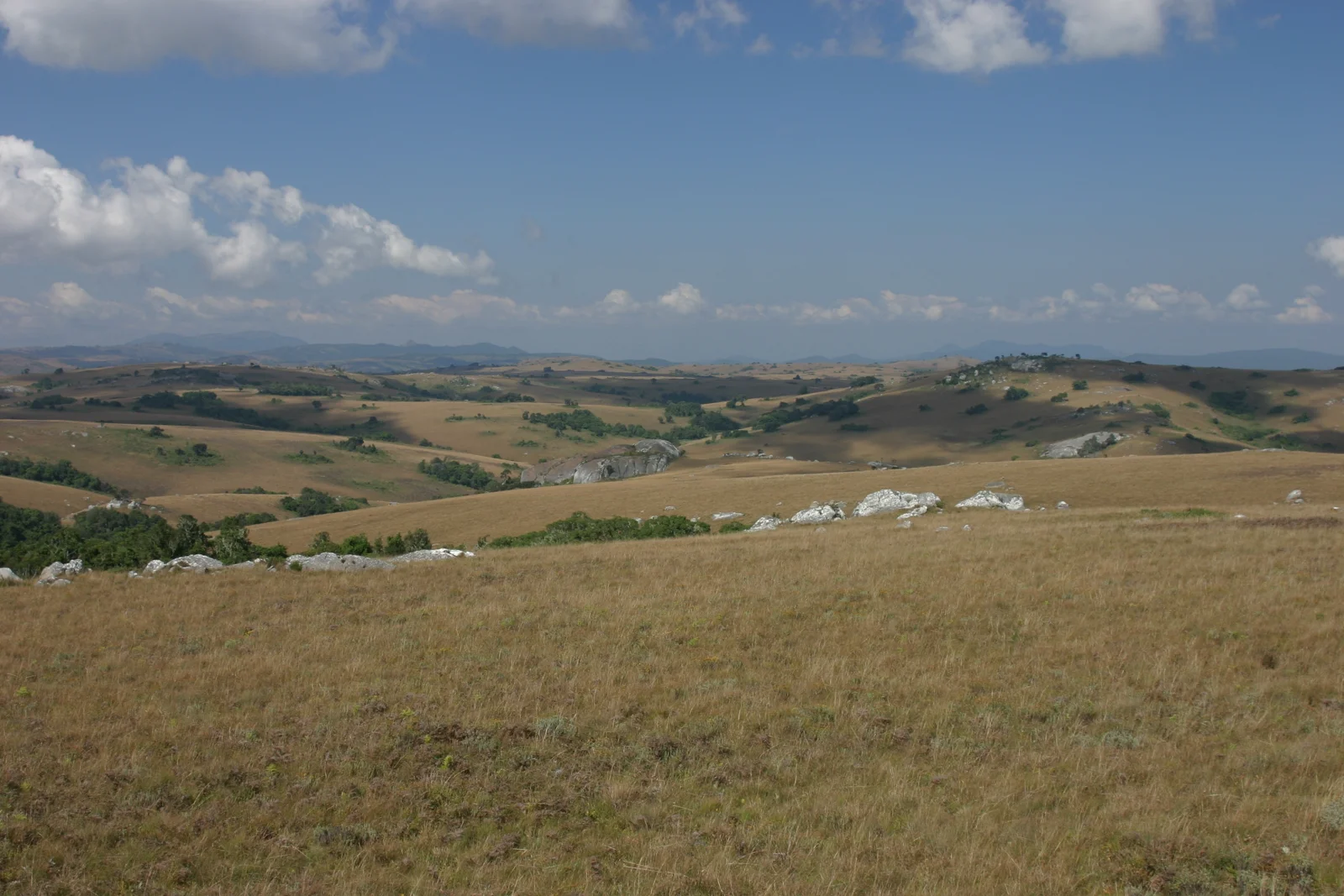
The grassland birds are the draw. Birding Ecotours says Denham’s Bustard is usually conspicuous, Black-lored and Churring Cisticolas are common, and Blue Swallows hunt over the grass in good numbers. The local Red-winged Francolin is the endemic subspecies crawshayi, which the African Bird Club lists as Crawshay’s Francolin, a proposed split. Stands of proteas hold Scarlet-tufted Sunbird, and the forest patches hold Bar-tailed Trogon, Malawi Batis, Sharpe’s Akalat and Olive-flanked Ground Robin. Daniel Branch logged 5 Denham’s Bustards on a single foggy day in 2023, which is good going in fog.
Wattled Crane is the bird to treat as a bonus. Malawi’s tourism board says Nyika holds the country’s largest breeding population, but neither the 2023 trip report nor Birding Ecotours’ Nyika target list includes it. Nyika runs into Zambia, so if the plateau is on your list, our Zambia birding guide covers the other side.
The base is Chelinda Lodge, where Full Board Plus runs from US$410 per person sharing for August to November 2026 and US$350 in December 2026, per Siyabona Africa. Vwaza Marsh, on the way down, is the place for Babbling Starling and Chestnut-backed Sparrow-Weaver.
Lake Malawi
The lake is a rest stop for most birders, with 2 exceptions. The African Bird Club lists Senga Bay for Böhm’s Bee-eater and Collared Palm Thrush. Nankoma Island, where groups stay at Blue Zebra Lodge, is where Birding Ecotours goes for African Pitta, a breeding migrant present for only a few weeks in late November and December, so the pitta, not the birder, sets the date.
Fees, fuel and roads
Park fees outside Majete are the weak point in any budget. We could not find a current published tariff for Liwonde or Nyika from African Parks, Peace Parks or DNPW, and the figures on third-party sites range from US$10 to US$82 a day. Confirm with your lodge before you travel.
Fuel is the bigger risk. On 30 October 2026, AFP reported petrol at US$3.24 a litre, the highest price in Africa, with queues of hours or days and black-market fuel at up to 20,000 kwacha (US$11.50) a litre. The Foreign Office warns that shortages are frequent and tells drivers not to assume fuel will be available on their route. It also advises against driving after dark and notes that the November to April rains can make roads difficult and some areas inaccessible. Birding Ecotours calls the road back to Lilongwe from the north long and usually slow.
When to go
The African Bird Club recommends October to December, around the start of the rains, when most birds breed. African Pitta on Nankoma needs late November or December. Whydahs and indigobirds are dressed up in breeding plumage from January to May, and the club rates June and July as probably the worst months. The wet season in the south runs from November to March, according to African Parks, so a November trip trades some road risk for the best birding.
The verdict
Give Malawi at least 2 weeks. Zomba for the endemic, Liwonde for the lovebird and the owl, Dzalanyama for the woodpecker and Nyika for the grassland; anything less means choosing between north and south. Use a tour or a driver who knows where the fuel is this week, because the birds here are reliable and the logistics are not.
Where to stay
Places to stay near the sites in this guide, with what each offers a birder:
| Place to stay | Where | For birders | From |
|---|---|---|---|
| Game Haven Lodge | Bvumbwe, near Blantyre | Bird guide on staff, early bird walks, 150 species | Ask the lodge |
| Kumbali Country Lodge | Near Lilongwe | Own checklist, Great Reed Warbler, Malachite Kingfisher | US$170 pp |
| Blue Zebra Island Lodge | Nankoma Island, Lake Malawi National Park | African Pitta, Pennant-winged Nightjar, about 350 species | Ask the lodge |
| Pumulani Lodge | Nankumba Peninsula, Lake Malawi National Park | Guided bird walk into the hills, Pel’s Fishing Owl | US$390 pp fully inclusive (emerald season) |
Park fees, lodge rates and fuel supplies change quickly. Facts were checked on 9 November 2026 with the African Bird Club’s Malawi country account, BirdLife International’s Dzalanyama IBA factsheet, African Parks’ Liwonde and Majete pages, Peace Parks Foundation, Visit Malawi, the UK Foreign Office, Birding Ecotours’ Ultimate Malawi itinerary, Daniel Branch’s 2023 trip report, Siyabona Africa’s lodge rates and AFP reporting via Africanews. Confirm fees and fuel with your lodge before you go.
More from the Journal
 Namib-Naukluft and Sossusvlei for Birders: Dune Lark, Desert Raptors and the Naukluft SpecialsA lark that lives on the dunes and nowhere else, Lappet-faced Vultures nesting in the desert, coursers on the gravel plains and the northern specials around the Naukluft cliffs, in one of Africa's largest parks.
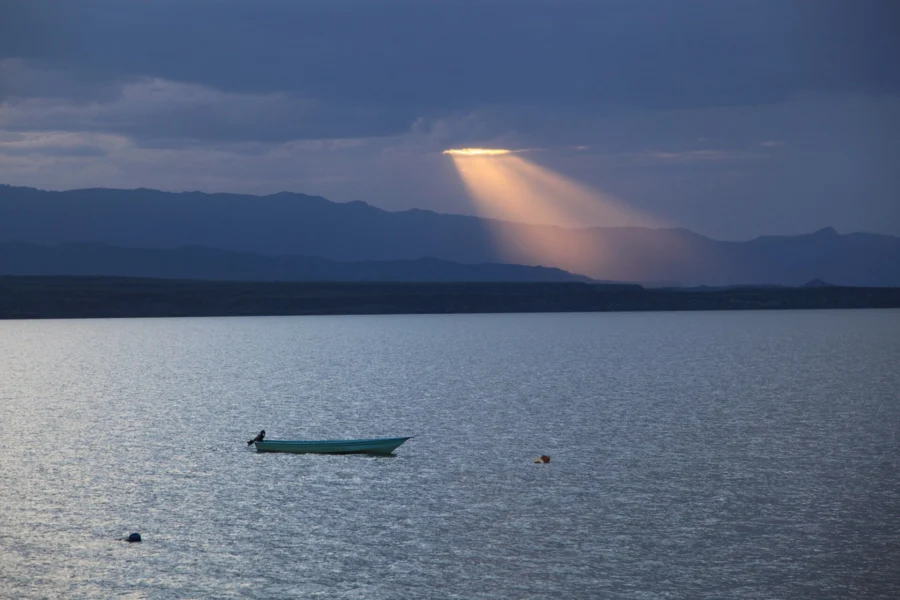 Lake Baringo and Lake Bogoria Birding: The Owl Walks, the Cliffs and the FlamingosA local guide who knows where every nightjar and eagle-owl slept last night, thorn scrub full of hornbills, a Goliath Heron colony on a rock, and the flamingo lake next door that keeps rising.
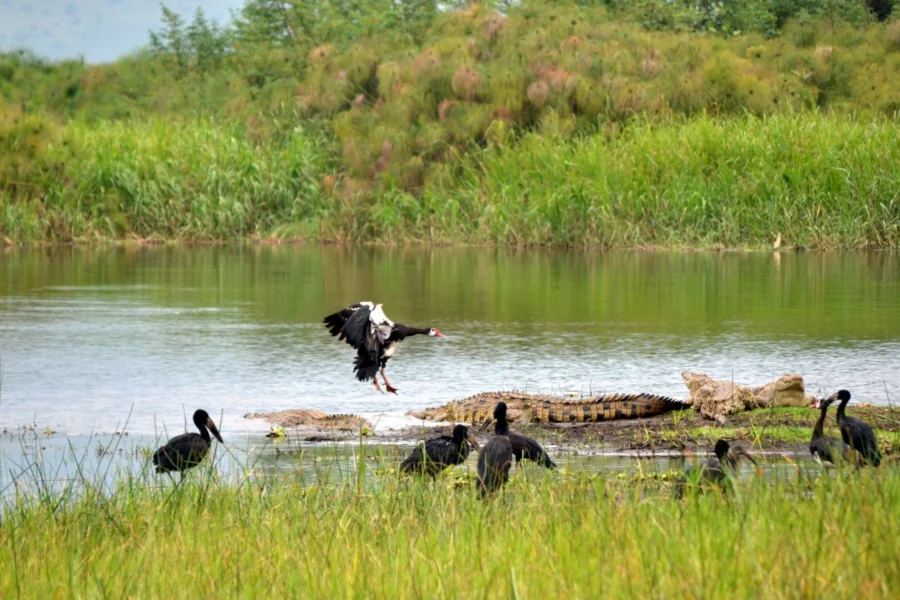 Akagera Birding: Rwanda’s Savanna, Lakes and Papyrus, and the Shoebill ChancesRed-faced Barbet in the southern woodland, Papyrus Gonolek and Carruthers's Cisticola in the swamps, a lake of hippos and lapwings, and a Shoebill that hides in the wetlands more than it shows.
The Pigeon Post
Every Thursday: 1 bird, 1 place to go and 1 place to stay, by email. Sign up and get our printable checklist of the 163 endemics of southern Africa.