
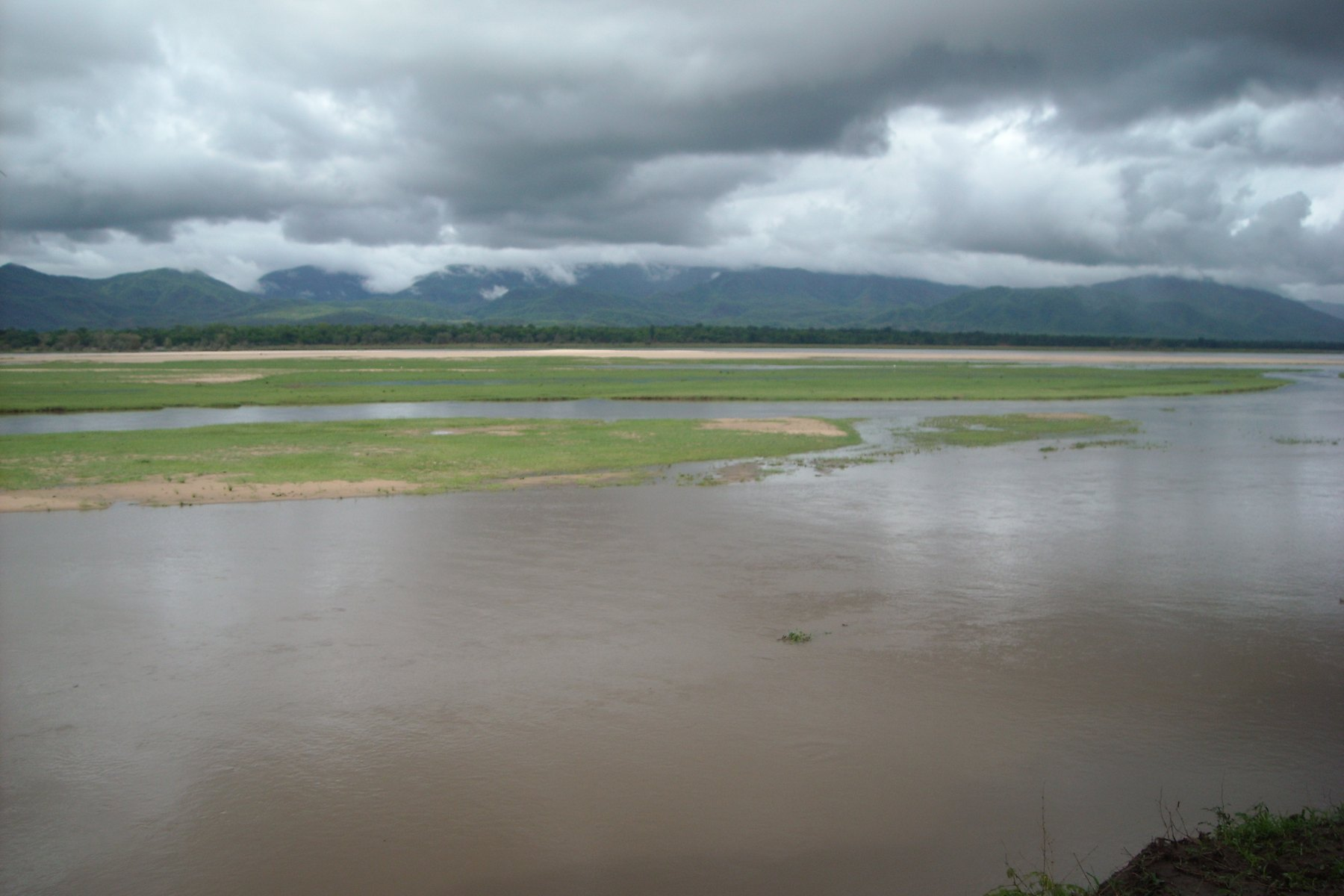
Birding Zimbabwe: The Eastern Highlands, Mana Pools and Hwange
Swynnerton's Robin, Lilian's Lovebird, African Pitta and Bradfield's Hornbill: where to find them, the 2026 park fees, the local guides, and the roads that have a habit of washing away.
Zimbabwe gives a visiting birder 3 very different countries in one, without the extra passport stamps. The Eastern Highlands along the Mozambique border hold Afromontane forest and grassland birds found almost nowhere else in southern Africa. The Zambezi Valley in the north is hot, low and full of Lilian’s Lovebirds, Southern Carmine Bee-eaters and, for a few weeks each summer, African Pitta. Hwange in the west sits on Kalahari sand and has its own dry-country list.
A Birding Ecotours group that covered Mana Pools, Harare and the Eastern Highlands in November and December 2024 recorded 363 species in 13 days. That is the scale on offer, and it comes with a bill: long drives, roads that can wash away, and a shortage of published local guides.
The short answer
Fly into Harare and split the trip in 2: one half hot and low, the other misty and high. Go north to Mana Pools for Lilian’s Lovebird, Livingstone’s Flycatcher and, from late November, African Pitta. Then drive east to the Bvumba for Swynnerton’s Robin, Roberts’s Warbler and Chirinda Apalis, with a day in Nyanga for Blue Swallow and a night in the Honde Valley for the lowland specials. Add Hwange if you have more time and want the Kalahari-sand birds. Go between November and early December, and check road access into Mana Pools before you book anything.
At a glance
| Region | Key birds (BirdLife Zimbabwe, trip reports) | Notes |
|---|---|---|
| Bvumba Highlands | Swynnerton’s Robin, Roberts’s Warbler, Chirinda Apalis, Bronzy Sunbird | 242 species on the checklist |
| Nyanga | Blue Swallow | Arrives in September |
| Honde Valley | Red-winged Prinia, Moustached Grass Warbler, Pallid Honeyguide | Lowland specials shared with Mozambique |
| Chimanimani | Gurney’s Sugarbird, Roberts’s Warbler, Chirinda Apalis | Footpaths only |
| Mana Pools | Lilian’s Lovebird, Livingstone’s Flycatcher, African Pitta | US$24 a day for international visitors |
| Lake Kariba | White-backed Night Heron, African Finfoot, Long-toed Lapwing | Best from a boat |
| Hwange | Bradfield’s Hornbill, Burchell’s Sandgrouse, Dickinson’s Kestrel | 449 species recorded |
| Harare | Striped Crake, Boulder Chat, Orange-breasted Waxbill | Monavale best December to April |
The Bvumba: the forest specials
The Bvumba Highlands, about 25 km south-east of Mutare, are the core of a Zimbabwe birding trip. BirdLife Zimbabwe’s Important Bird Area account says 242 species are on the checklist, and that Swynnerton’s Robin, Roberts’s Warbler and Chirinda Apalis are all common here. Bronzy Sunbird is listed as common, Gurney’s Sugarbird as fairly common, and Red-faced Crimsonwing as uncommon. For more on the sunbirds, see our guide to the sunbirds of southern Africa.
Swynnerton’s Robin is the bird most visitors come for, and it is the hardest, which is how these things usually go. BirdLife Zimbabwe puts the Bvumba population at 20 to 50 breeding pairs. The 2024 Birding Ecotours group heard it calling on its first wet morning at Seldomseen Cottages but did not see it. It took an afternoon in Bunga Forest with local guide Bulawesi, who knew where several territories were, to get looks at a male. Roberts’s Warbler, Chirinda Apalis and Orange Ground Thrush were easier, all around the Seldomseen grounds before breakfast.
Mist is common, and the tour report says Seldomseen lived up to its name with heavy rain. Bring a rain jacket in November, and patience for a robin that may be heard long before it is seen.
Nyanga, the Honde Valley and Chimanimani
Nyanga is where to look for Blue Swallow. BirdLife Zimbabwe says this intra-African migrant arrives in September and depends on the montane grasslands of the Eastern Highlands, where it nests in old Aardvark burrows: a swallow living in a second-hand hole in the ground. The 2024 tour visited a known nest site in Nyanga National Park and had good flight views. The species is Vulnerable, threatened by plantations, invasive plants and fire.
The Honde Valley, just east of the Nyanga highlands, runs into Mozambique and shares some of its lowland birds. The tour stayed at Aberfoyle Lodge and birded Katiyo Tea Estate at sunrise with Morgan, the lodge’s bird guide, for Moustached Grass Warbler, Red-winged Prinia and Red-necked Falcon. Pallid Honeyguide called at the lodge, and Red-throated and Green Twinspots came to its feeder, which is birding by room service.
Chimanimani is for walkers. BirdLife Zimbabwe says the mountains are reached only by footpaths, so the car stays at the bottom. Its checklist has 221 species, including Gurney’s Sugarbird in the protea scrub, Roberts’s Warbler and Chirinda Apalis.
Mana Pools and the Zambezi Valley
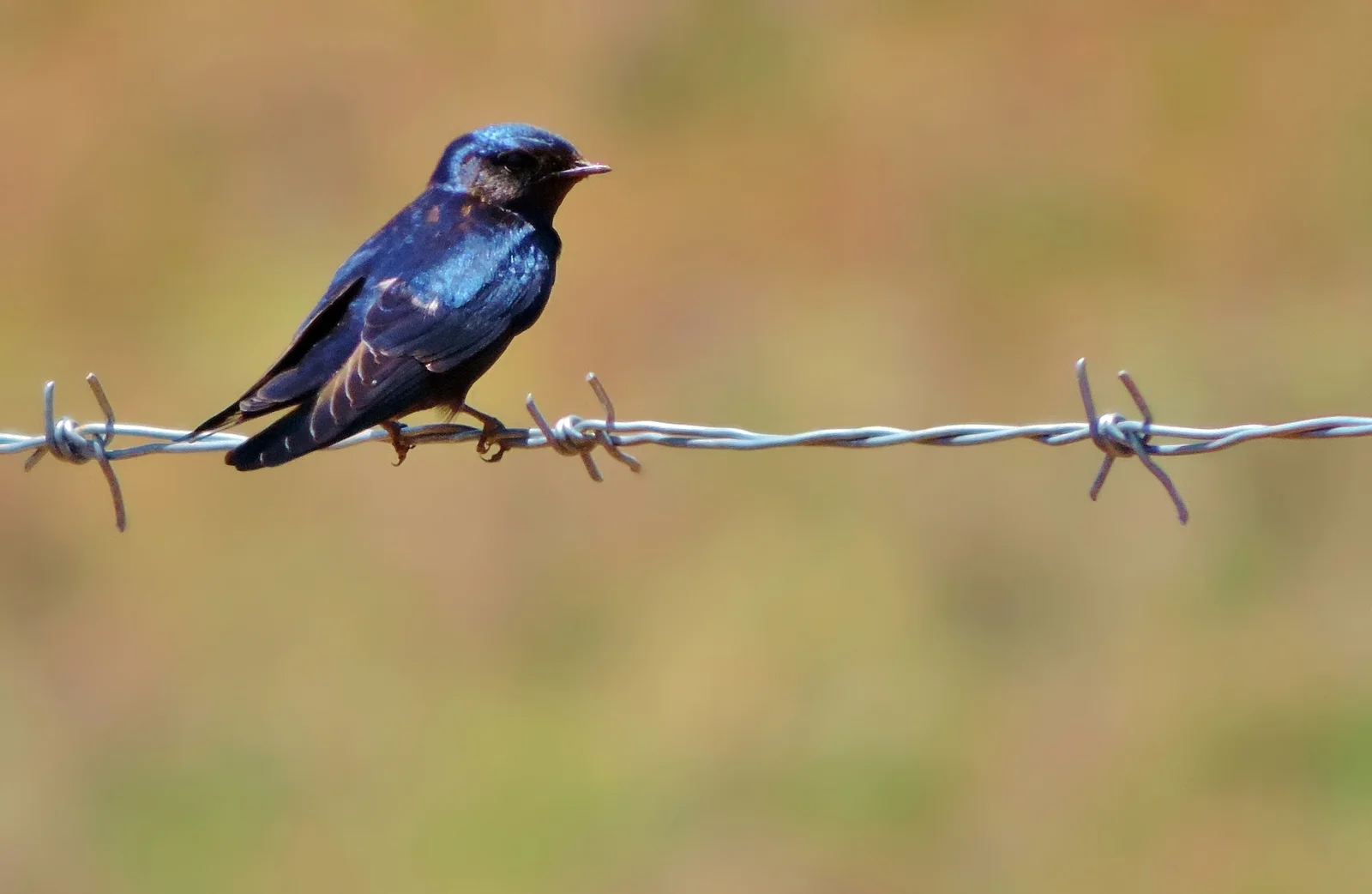
BirdLife Zimbabwe’s Middle Zambezi account calls the valley a major stronghold for Dickinson’s Kestrel and Racket-tailed Roller, and says it holds several thousand Lilian’s Lovebirds, an important share of the world population. It is also one of the few places in southern Africa for Livingstone’s Flycatcher and Shelley’s Sunbird. The riverbanks hold about 10,500 Southern Carmine Bee-eaters, and the sandbanks are habitat for African Skimmer. The same account lists an unknown number of Pel’s Fishing Owls on the river, which says something about how good they are at hiding; see how to find Pel’s Fishing Owl.
African Pitta is the reason serious birders time a Mana trip carefully. Birding Ecotours says it is only realistically possible from late November to mid-December. Its 2024 group stayed 4 nights at Mhara River Camp, a private concession in the southern part of the park, with local guides Jim and Liam. The pittas were displaying in thick riverine growth near camp, and still it took several days of patient work before everyone had good views: a bird can be showing off and hidden at the same time. Livingstone’s Flycatcher, African Broadbill and Southern Crested Guineafowl were in the same riverine vegetation, and small flocks of Lilian’s Lovebird flew noisily through the woodland. A day on the Zambezi floodplain added White-crowned Lapwing, Water Thick-knee and Saddle-billed Stork.
Lake Kariba and Matusadona
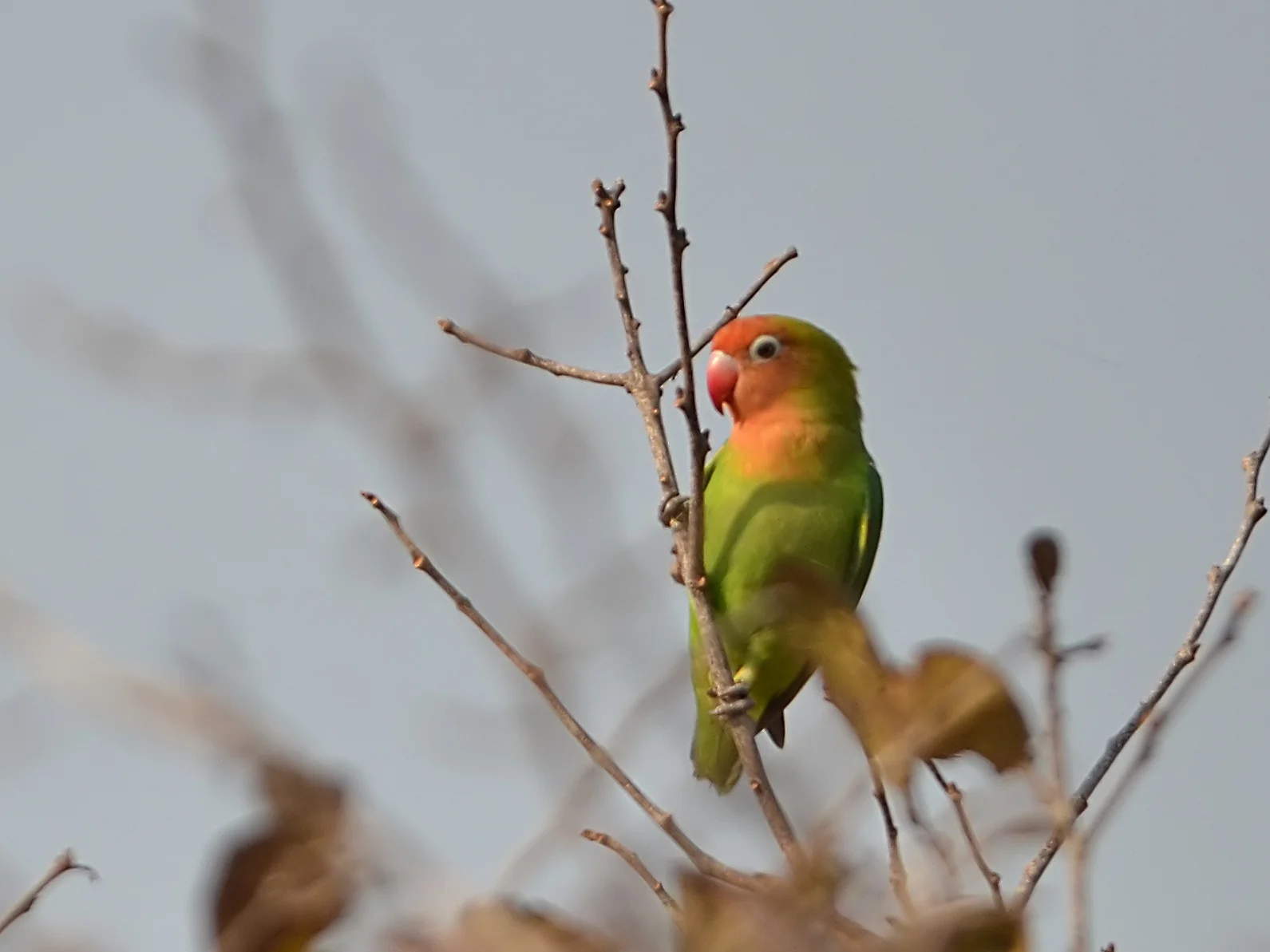
Kariba is a boat trip. BirdLife Zimbabwe says the open lake is fairly empty and the birds are in the bays, islands and river mouths. White-backed Night Heron and African Finfoot have been found up the Sanyati Gorge, the Ume basin in Matusadona National Park has nesting Marabou Storks, and Long-toed Lapwings feed on the Kariba weed near Zebra Island when the water is low, which is what those long toes are for. It is a good add-on to Mana, not a replacement.
Hwange: the Kalahari-sand birds
Hwange is a 14,600 km² park on the Botswana border, and BirdLife Zimbabwe says its bird list has risen to 449 species. It probably holds the largest protected population of Bradfield’s Hornbill in the world, Burchell’s Sandgrouse breeds there, and it has possibly the largest protected population of Yellow-billed Oxpecker in the region. Kori Bustard and Southern Ground Hornbill breed in the park, and Dickinson’s Kestrel and Arnot’s Chat are listed as fairly common. In summer the pans bring in migrant waterbirds such as Lesser Moorhen and Whiskered Tern, a fine sight in a park built on sand. The roads are in the north and east. ZimParks still runs chalets at Main Camp and Sinamatella, according to Tracks4Africa. Hwange’s birds overlap with northern Botswana, so if you are crossing the border, read our Botswana birding guide as well.
Harare: Monavale Vlei and the miombo
Do not rush out of Harare on the first morning; the suburbs have crakes. BirdLife Zimbabwe says Monavale Vlei, a Ramsar site in the suburbs, is best from December to April, and that its Striped Crakes and Streaky-breasted Flufftails are more reliable from about mid-January, once the vlei floods. Orange-breasted Waxbill, Black Coucal and Yellow-mantled Widowbird are common, and Amur Falcons pass over. The 2024 tour found it mostly dry in late November, so timing matters: a vlei without water is mostly just grass.
For miombo birds, the same group went to Christon Bank for Boulder Chat and Southern Hyliota, and to Gosho Park near Marondera, which the report calls about the best miombo birding close to Harare, for Miombo Tit, a bird named with admirable directness.
Fees, guides and the catch
ZimParks’ 2026 tariff, reported in January and February 2026, set the Mana Pools, Sapi and Chewore conservation fee at US$24 a day for international visitors, US$18 for SADC visitors and US$8 for Zimbabweans. The tariff also lists a foreign-registered private vehicle at US$10 a day for day visitors and US$3 for those staying in the park, for a group of parks that includes Hwange, Mana Pools, Kariba and Nyanga. A confirmed 2026 per-person fee for Hwange could not be found; ask ZimParks.
The bigger problem is getting there at all. Heavy rains in early 2026 washed away part of the Ruckomechi River bridge on the main road into Mana Pools. In March, ZimParks told walk-in self-drivers to stay away until further notice, and Wild Zambezi said the only 4×4 route left meant at least 11 hours from Harare, fully self-sufficient. Boat transfers and air charters kept running. No later update on the bridge could be found, so confirm the road with ZimParks or your camp before booking. The 2024 tour also described the road north from Harare as “steadily deteriorating.”
Guides are the other gap. Every tour success in the Bvumba, the Honde Valley and Mana came from a local guide, but BirdLife Zimbabwe does not publish a guide directory online. Contact its Harare office on +263 24 2481496 or [email protected], and ask your lodge whether it has a bird guide before you arrive.
When to go
November to early December is the best time. The rains start around then, Blue Swallows are back in the highlands, and African Pitta is displaying at Mana from late November to mid-December. Widowbirds and bishops are in breeding plumage, and migrants such as Amur Falcon arrive. The cost is heat: BirdLife Zimbabwe says the Zambezi Valley can reach 44°C in November before the rains, so the birding happens early and the siesta happens on time. Monavale’s crakes peak later, from mid-January. Hwange is 33°C in October and freezes in June and July, covering both extremes in one park.
The verdict
For a first trip, give it 12 to 14 days: 4 nights at Mana Pools, 2 in Harare, 3 in the Bvumba and 2 in the Honde Valley, with Nyanga on the drive between. Swynnerton’s Robin is the bird to plan around, because it needs a guide who knows the territories and more than 1 attempt. Hwange is worth adding for Bradfield’s Hornbill and Burchell’s Sandgrouse, but it is the part of the country most like Botswana. The Eastern Highlands and the Zambezi Valley are what make Zimbabwe worth the journey, mist, heat and all.
Where to stay
Places to stay near the sites in this guide, with what each offers a birder:
| Place to stay | Where | For birders | From |
|---|---|---|---|
| Aberfoyle Lodge | Honde Valley | Bird guide Morgan, feeder with twinspots, Pallid Honeyguide | Ask the lodge |
| Heaven Lodge | Chimanimani | Guided Early Bird Walk, Chirinda Apalis, Swynnerton’s Robin | US$12 pp camping |
| Mhara River Camp | Private concession near Mana Pools | Camp birding walks, African Pitta, Narina Trogon | Ask the lodge |
| Mana Pools Safari Lodge | Zambezi floodplain, Mana Pools | Lilian’s Lovebird, Narina Trogon, Southern Ground Hornbill | Ask the lodge |
| Nyamepi Campsite | Mana Pools National Park | Middle Zambezi Important Bird Area, 380 species for the park | US$120 per campsite, up to 6 |
| Chitake Springs Campsites | Chitake Springs, Mana Pools | Middle Zambezi Important Bird Area | US$176 per campsite (local rate) |
| Rukuru Bush Camp | Zambezi below Chirundu, Hurungwe | 350+ species, Lilian’s Lovebird, Livingstone’s Flycatcher | US$150 pp self-catering |
| Musango Safari Camp | Island in Lake Kariba, near Matusadona | Guide Graham Edwards is a keen birder, 400+ species | Ask the lodge |
| The Hide | Hwange | Waterhole hide, Bradfield’s Hornbill, Arnot’s Chat | US$467 pp fully inclusive (green season) |
| Nantwich Lodge | Hwange | Hide on the private dam, feeders, guided birding | US$463 pp fully inclusive (green season) |
Park fees, road access and guide availability change. Facts were checked on 9 November 2026 with BirdLife Zimbabwe’s Important Bird Area accounts for the Bvumba Highlands, Chimanimani Mountains, Middle Zambezi River and Hwange National Park, its regional birding pages, the Birding Ecotours November 2024 Zimbabwe trip report, ZimParks’ 2026 tariff as reported by NewZimbabwe and ATTA, and Wild Zambezi’s March 2026 Mana Pools access update. Confirm fees and road conditions with ZimParks before you travel.
More from the Journal
 Namib-Naukluft and Sossusvlei for Birders: Dune Lark, Desert Raptors and the Naukluft SpecialsA lark that lives on the dunes and nowhere else, Lappet-faced Vultures nesting in the desert, coursers on the gravel plains and the northern specials around the Naukluft cliffs, in one of Africa's largest parks.
 Lake Baringo and Lake Bogoria Birding: The Owl Walks, the Cliffs and the FlamingosA local guide who knows where every nightjar and eagle-owl slept last night, thorn scrub full of hornbills, a Goliath Heron colony on a rock, and the flamingo lake next door that keeps rising.
 Akagera Birding: Rwanda’s Savanna, Lakes and Papyrus, and the Shoebill ChancesRed-faced Barbet in the southern woodland, Papyrus Gonolek and Carruthers's Cisticola in the swamps, a lake of hippos and lapwings, and a Shoebill that hides in the wetlands more than it shows.
The Pigeon Post
Every Thursday: 1 bird, 1 place to go and 1 place to stay, by email. Sign up and get our printable checklist of the 163 endemics of southern Africa.