
Wakkerstroom and Its Larks: Rudd’s, Botha’s and the Grassland Specials
Small, brown and very rare: how to find Rudd's and Botha's Larks, Yellow-breasted Pipit and the other grassland specials around Wakkerstroom, the 3 loops to drive, and why a local guide matters.
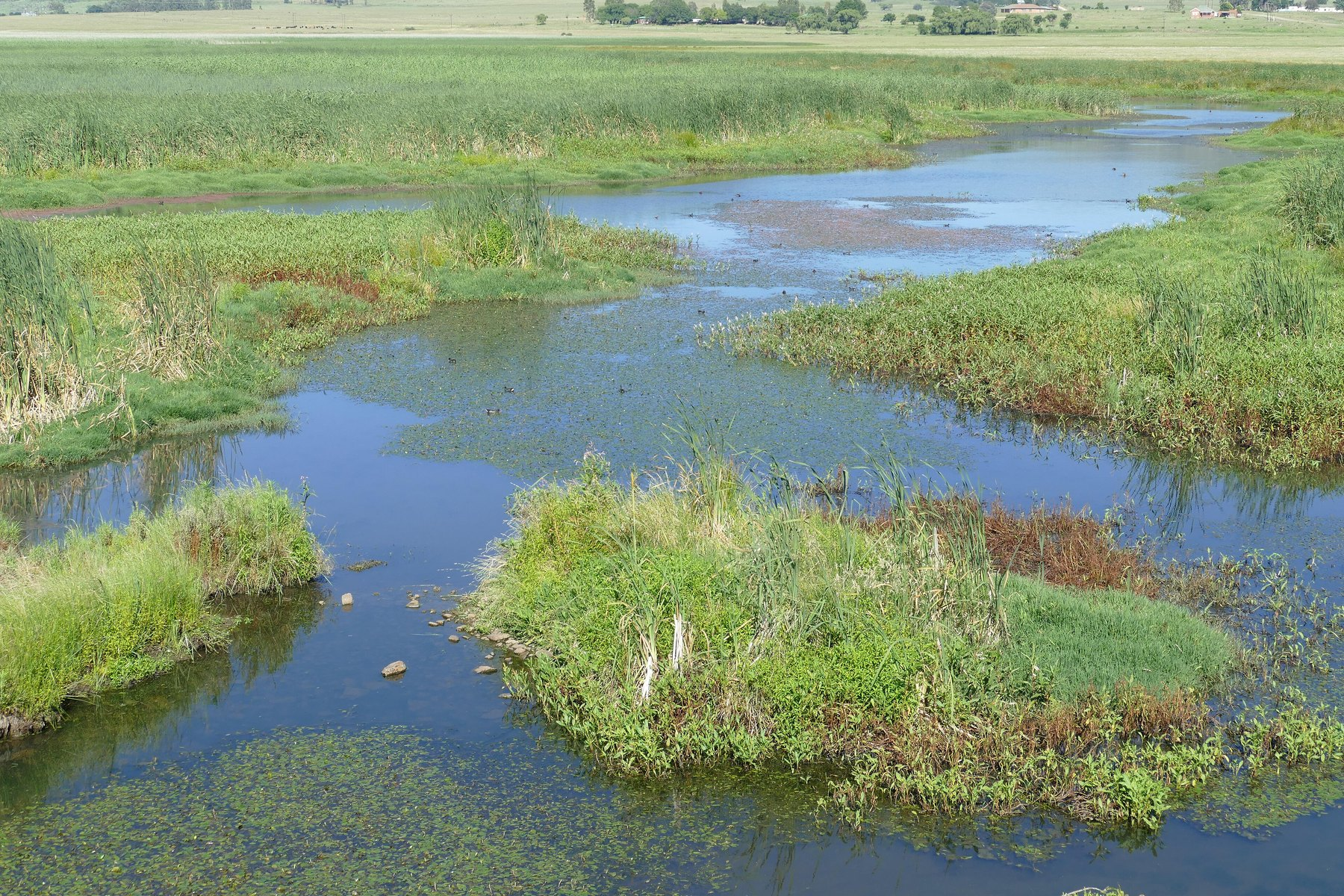
Wakkerstroom is a small village in the high grasslands of southern Mpumalanga, close to the KwaZulu-Natal border, and it is the place South African birders go for larks, which is a sentence that explains a lot about South African birders. Two of the country’s rarest birds, Rudd’s Lark and Botha’s Lark, live in the grassland around it, along with Yellow-breasted Pipit, Blue Korhaan, cranes and a wetland that BirdLife South Africa says can produce up to 70 species on a morning’s walk.
It is not easy birding. The larks are small, brown and secretive, the grassland goes on for kilometres and is mostly also brown, and the rarest of them is now very rare indeed. That is why most visiting birders hire one of the trained local guides.
The short answer
Base yourself in Wakkerstroom village and explore by car: BirdLife South Africa says nearly 1,000 km of gravel roads radiate out from it. Start at the wetland on the edge of the village, then drive the Amersfoort road loop for Rudd’s Lark at Fickland Pan and Botha’s Lark near Daggakraal. Book a local bird guide through BirdLife South Africa, because they know where the larks are holding territories this season, and the larks are not telling. Go between October and March, when the grassland birds are breeding and displaying. For a bed in the village, see DeKotzenhof.
At a glance
| Special | Where (BirdLife South Africa) | Notes |
|---|---|---|
| Rudd’s Lark | Amersfoort road loop, Fickland Pan | Regionally Endangered; numbers have fallen |
| Botha’s Lark | Open fields before Daggakraal | South Africa’s most threatened bird; about 340 adults |
| Yellow-breasted Pipit | Ossewakop and the Paulpietersburg road | Breeding pairs October to March |
| Blue Korhaan | Amersfoort road loop | Grassland, often in pairs |
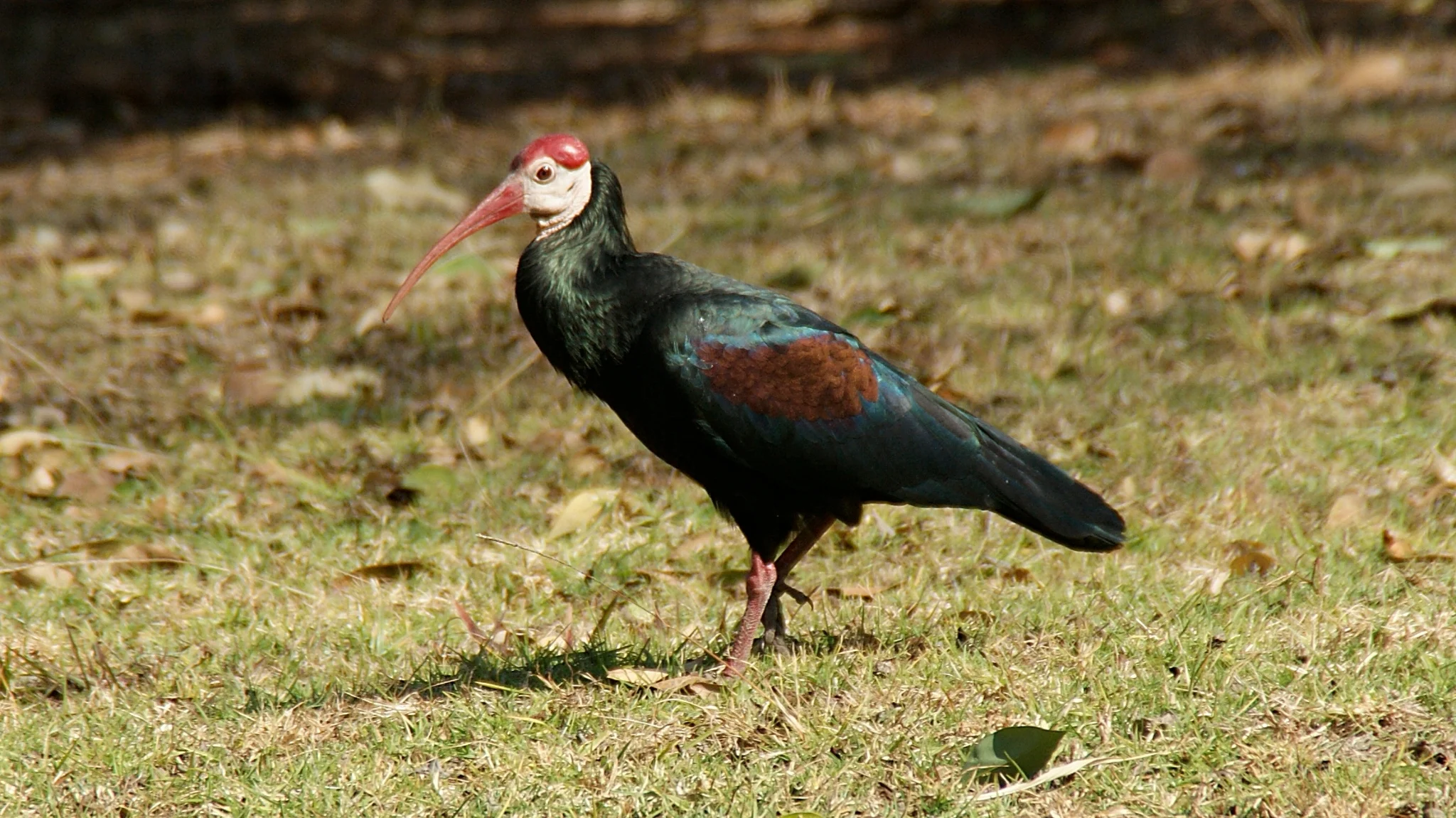
| Southern Bald Ibis | Martin’s Dam (roost), Zaaihoek Dam area | Roosts with Sacred and Hadeda Ibises |
| Wetland birds | Wakkerstroom Wetland, 4 hides | Up to 70 species in a morning |
The two larks
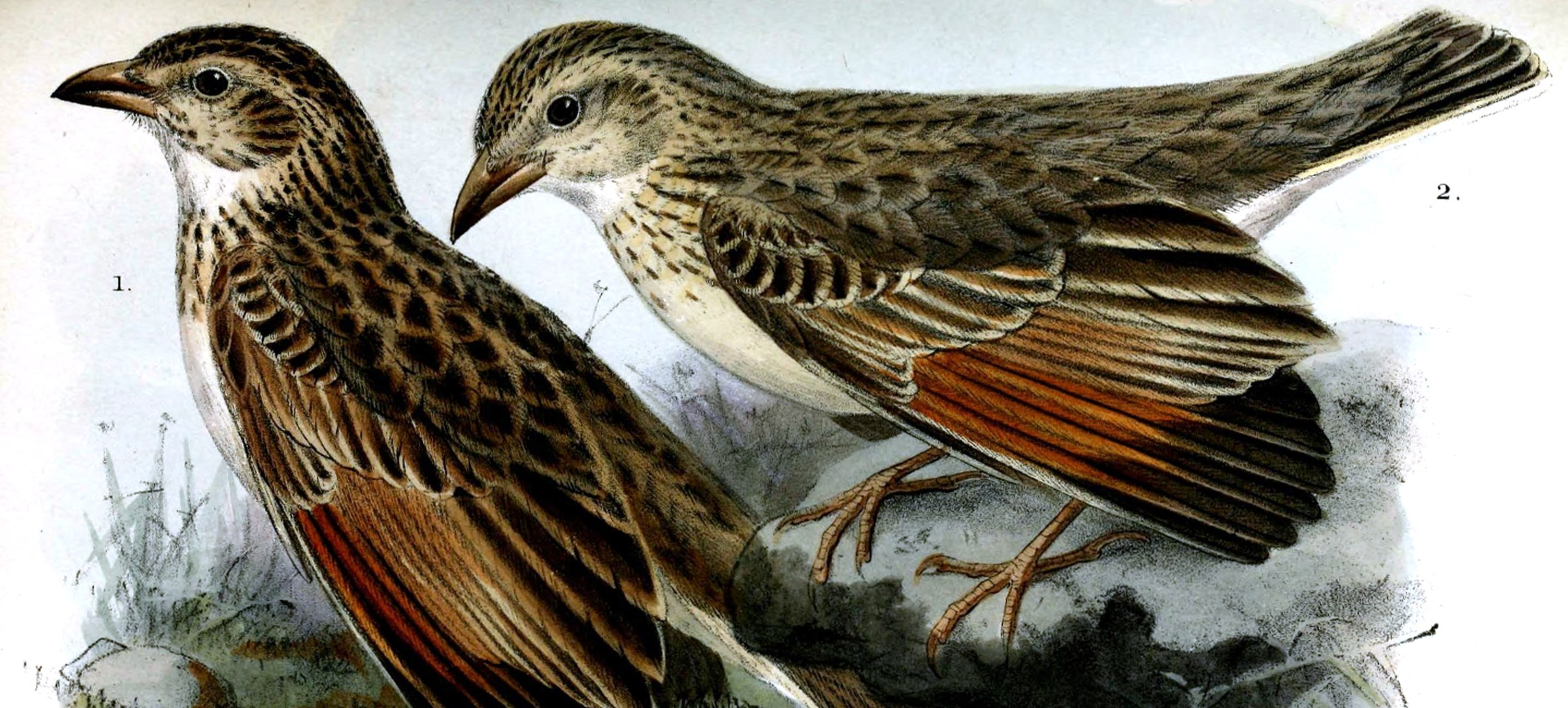
Botha’s Lark is a small, streaky lark of short, heavily grazed high-altitude grassland, endemic to southern Mpumalanga and the eastern Free State. It is now South Africa’s most threatened bird. A BirdLife South Africa action plan published in 2026 puts the population at fewer than 340 mature birds, down from an estimated 20,000 in 1983, and BirdLife’s project manager in the area has said they have found even fewer. About a third of its grassland has gone to farming and development, and recent heavy rains have flooded its ground nests.
Rudd’s Lark is a short-tailed, big-headed lark of high grassland that is easiest to find when males sing in display flight, which is the one time it stops hiding. BirdLife South Africa lists it as regionally Endangered. A survey around Wakkerstroom in 2016 found 9 birds on transects where there had been 32 in 2002, a sign of how much the local population has declined.
Neither bird is easy, and both are the kind that turn a good day into a dip, the birder’s word for a bird you went for and missed. Recent trip reports describe hard work for Rudd’s Lark and seasons with no Botha’s Lark at all at some sites. A local guide who has been checking territories that month gives you far better odds than searching on your own.
The wetland
The Wakkerstroom wetland covers about 700 ha on the north-western edge of the village and is one of the larger reed marshes in South Africa. BirdLife South Africa recommends the raised road north towards Amersfoort, the picnic spot below it and the 4 hides: Clive Beck and WoW on the northern side, and Iain Drummond and Crane on the western side. Look for South African Cliff Swallows under the bridge, African Rail, Little Bittern, Grey Crowned Crane, African Marsh Harrier and Red-chested Flufftail, and Marsh Owl and African Grass Owl at dusk near Crane Hide, which rewards staying out past dinner.
BirdLife’s Grasslands Conservation Centre sits across the wetland. It runs research and conservation work for the grassland birds and is no longer open to the public or offering accommodation.
Three loops from the village
BirdLife South Africa’s GoBirding guide to Wakkerstroom describes these drives, best taken slowly with the windows down:
- Amersfoort road loop (the lark loop). Leave over the wetland and take the first left towards Volksrust after about 8.6 km, for cranes, Denham’s Bustard, Blue Korhaan and Rudd’s Lark. Turn towards Fickland Pan, which is community land with an entry fee paid at the first green-roofed house, for Rudd’s Lark, Pink-billed Lark and African Quailfinch. Continue towards Daggakraal: just before the community, Botha’s Lark is often seen in the open fields.
- Ossewakop, Groenvlei and Zaaihoek Dam. The hill behind the village is commonage, and Yellow-breasted Pipits display on the higher slopes from October to March. The road towards Paulpietersburg is good for Denham’s Bustard, Yellow-breasted Pipit, Sentinel Rock Thrush and Buff-streaked Chat, and the Zaaihoek Dam area for Southern Bald Ibis.
- Jankieshoek and Dirkiesdorp. Martin’s Dam on the R543 is a roost for Southern Bald Ibis and Grey Crowned Crane. The forest patches beyond hold Bush Blackcap and Barratt’s Warbler.
Book a local guide
BirdLife South Africa trains local bird guides in Wakkerstroom and recommends using them. With a guide, BirdLife says a day in the district can produce around 110 species, including the endemic specials, which is very good going for a landscape of grass. Guides are booked through BirdLife South Africa’s Wakkerstroom contact, Thandulwazi Ndaba, on WhatsApp +27 82 289 3396 or by email at [email protected].
Using a local guide also puts money into the community whose land many of the larks depend on, and it keeps disturbance to breeding birds low.
When to go
October to March is the season: the grassland birds are breeding, the larks and pipits are displaying and singing, and Yellow-breasted Pipits are most visible on Ossewakop. The village sits at about 1,760 m and much of the surrounding land is above 2,000 m, so mornings are cold even in summer and winters are bitter. Pack the beanie in December. Summer thunderstorms can make some gravel roads slippery, and the Ossewakop track is best driven in a 4×4 in the dry season.
The verdict
Give Wakkerstroom at least 2 full days, book a BirdLife-trained local guide for the larks, and spend your free time at the wetland hides. Go in early summer, drive slowly, and stop to listen for displaying larks. If you see a Botha’s Lark, you will be one of very few people who ever do, and the lark’s best hope is that its grassland stays as it is.
Where to stay
The place to stay in this guide, with what it offers a birder:
| Place to stay | Where | For birders | From |
|---|---|---|---|
| DeKotzenhof | Wakkerstroom village | Walk to 4 wetland hides, local guides, Rudd’s Lark | Ask the lodge |
Lark numbers and access to private and community land change. Facts were checked on 9 November 2026 with BirdLife South Africa’s GoBirding guide to Wakkerstroom and recent reporting on the Botha’s Lark action plan. Confirm guide availability and any access fees directly with BirdLife South Africa.
More from the Journal
 Woodpeckers of Southern Africa, Including the One That Doesn’t Need TreesSouthern Africa's woodpeckers, from the Cardinal in every bushveld tree to the Ground Woodpecker that lives on treeless mountain slopes and eats almost nothing but ants.
 Where to See a Taita Falcon: the Strijdom Tunnel, the Blyde Cliffs and the Batoka GorgeA stocky falcon smaller than a pigeon, a handful of cliffs and surveys that keep coming back empty. Where it still nests, how to look, and the 2 roosts beside its cliffs.
 Where to See a Southern Bald Ibis: the Breeding Cliffs, Dullstroom, Wakkerstroom and LesothoA red-capped grassland ibis that nests on cliffs over waterfalls and feeds on burnt veld and maize stubble. The colonies you can watch, the fields to scan, and where to stay.
The Pigeon Post
Every Thursday: 1 bird, 1 place to go and 1 place to stay, by email. Sign up and get our printable checklist of the 163 endemics of southern Africa.