
Why South African Bird Names Keep Changing, and Why Afrikaans Names Mostly Don’t
In 2005 the Blacksmith Plover became a Blacksmith Lapwing without moving a feather. Where South Africa's English bird names come from, why they keep moving, why Bontkiewiet stayed put, and which list to follow.
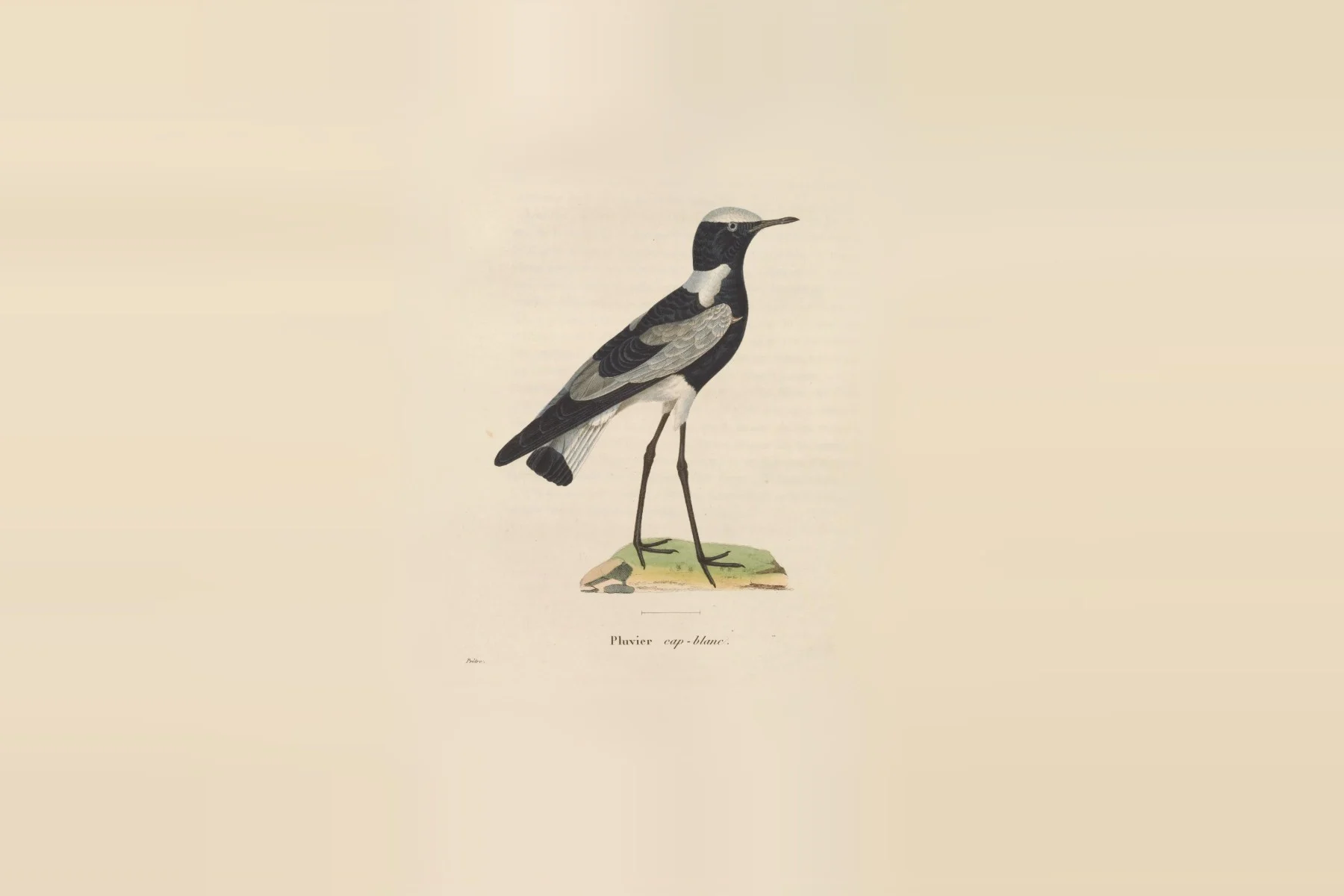
Anyone who learned South Africa’s birds from the 1993 edition of Roberts knows the Blacksmith Plover. In Roberts VII, published in 2005, the same bird is the Blacksmith Lapwing, as it is on BirdLife South Africa’s 2026 checklist. Nothing new had been learned about the bird, which carried on regardless: its scientific name is Vanellus armatus in both editions. The editors adopted international English names, under which every southern African Vanellus plover became a lapwing while the Charadrius plovers stayed plovers. In Afrikaans it was Bontkiewiet in 1993 and is Bontkiewiet today. Some names refuse to go to the meeting.
The frustration is widely shared. A 2018 study in the journal Ostrich found that 453 of 813 species, 55.7%, had their English names changed between the 1940 and 2016 Roberts field guides, causing discomfort among local birders, many of whom own a shelf of field guides that disagree with each other. Afrikaans names have moved far less, though they have moved. And only some of the changes come from science learning more about the birds.
The short answer
Some English name changes follow DNA studies that split or merge species. Many follow international rules on how names are built, such as group names and hyphens. A few remove offensive words, and some reverse earlier changes. The Blacksmith Lapwing was a rule change. Afrikaans names are not tied to a world list, so Roberts VII changed about 75 of them against about 300 English names. For the names to use today, follow BirdLife South Africa’s yearly checklist, and keep a pencil handy.
What happened in 2005
Roberts VII, edited by Hockey, Dean and Ryan at the FitzPatrick Institute, coincided with an international effort through the International Ornithological Committee (IOC) to give every bird a single English name. Its editors followed the IOC’s African sub-committee, on which southern Africa held 2 of the 5 seats. They conceded some inconsistencies, such as korhaan for the small southern bustards and bustard further north, and judged the long-term benefit worth “the short-term confusion caused by the name changes”. The short term has now lasted 2 decades.
The 2007 Roberts Bird Guide carried the new names into the field guide most birders used, and the Ostrich study puts the biggest single wave of change, 31.4% of species, in that book. Nearly a third of the birds in the field had a new name tag.
Old names and new
Afrikaans names are from Roberts VII and BirdLife South Africa’s 2026 list. Where the Afrikaans name changed, the old one comes first.
| Old name | New name | Afrikaans | Why |
|---|---|---|---|
| Blacksmith Plover | Blacksmith Lapwing (2005) | Bontkiewiet | Group name; scientific name unchanged |
| Cape Robin | Cape Robin-Chat (2005) | Gewone Janfrederik | Group name; hyphen because both words are bird groups |
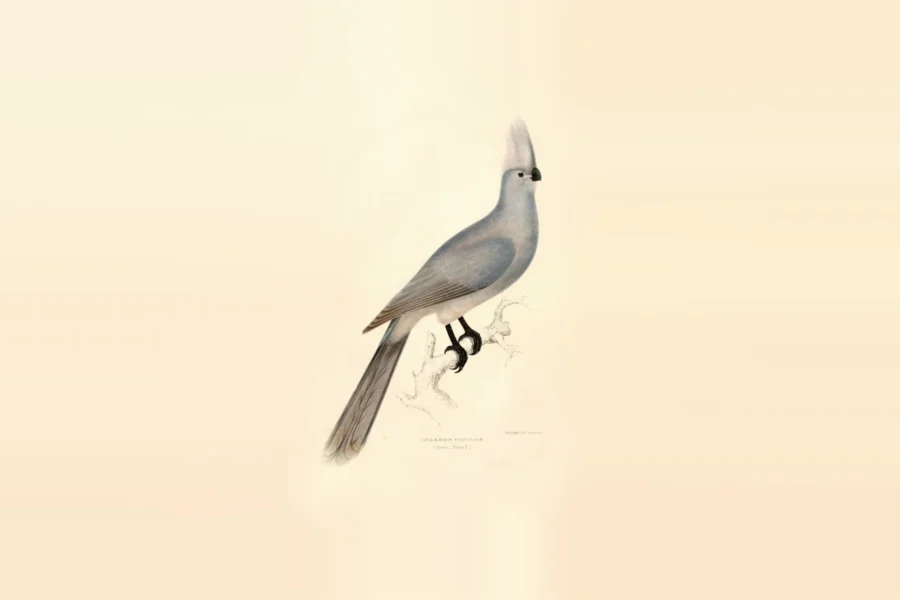
| Grey Lourie | Grey Go-away-bird (2005) | Kwêvoël | Lourie dropped; Go-away-bird kept as a long-used local name |
| Masked Weaver | Southern Masked-Weaver (2005), now Southern Masked Weaver | Swartkeelgeelvink | Made unique worldwide; hyphen added, then dropped |
| Cape Turtle Dove | Cape Turtle-Dove (2005), now Cape Turtle (Ring-necked) Dove | Gewone Tortelduif | Hyphen added, then dropped; local name kept first |
| Jackass Penguin | African Penguin (2005) | Brilpikkewyn | International standard name |
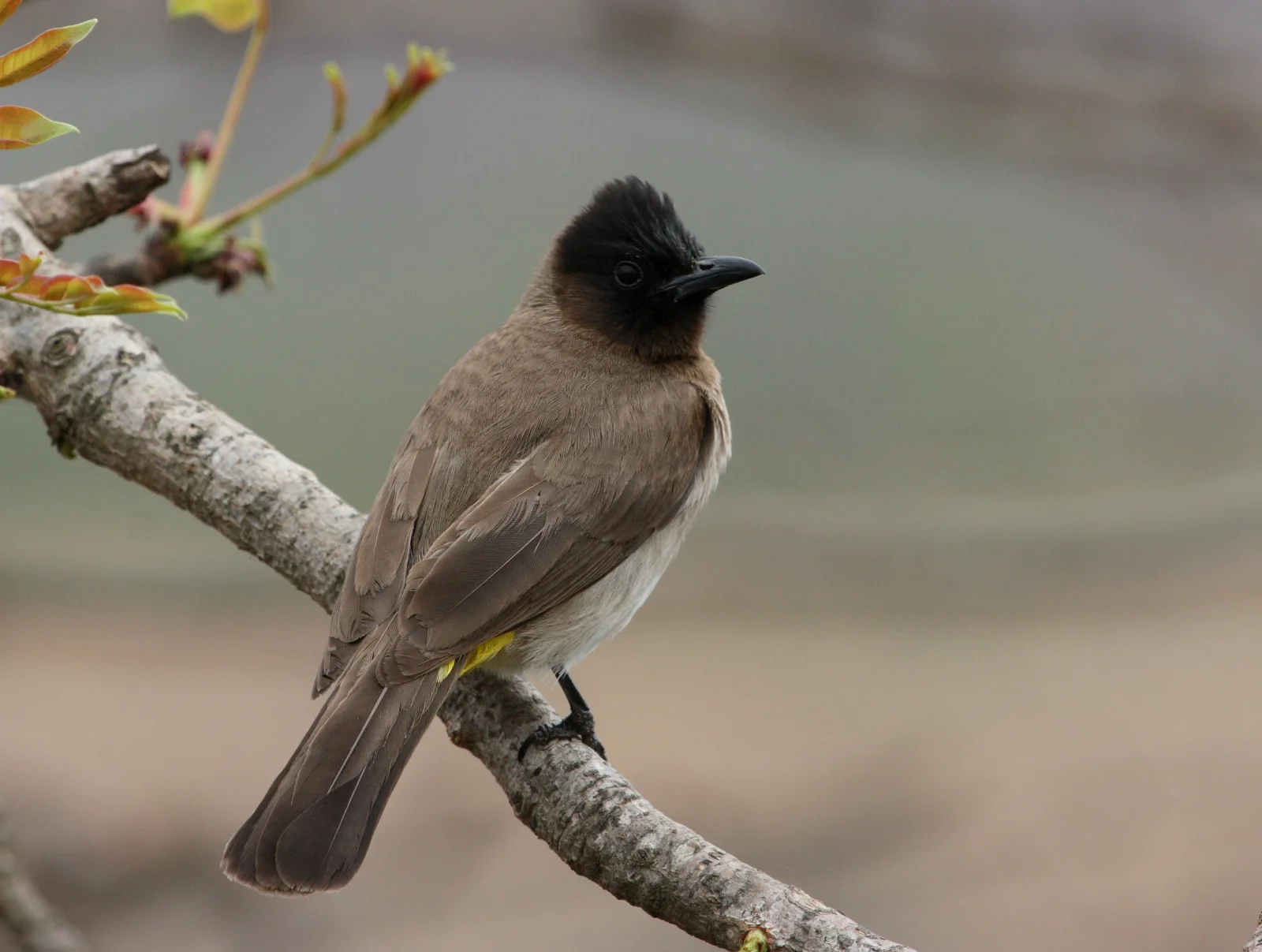
| Black-eyed Bulbul | Dark-capped Bulbul (2005), Common (Dark-capped) Bulbul (2025) | Swartoogtiptol | Split in 2005, lumped back in 2025 |
| Barn Owl | Western Barn Owl (IOC, by 2018) | Nonnetjie-uil | DNA studies split it into 3 species |
| Black-rumped Buttonquail | Hottentot Buttonquail (2005), Fynbos Buttonquail (2021) | Kaapse Kwarteltjie | Name moved in 2005; offensive word removed in 2021 |
| Hottentot Teal | Blue-billed Teal (2021) | Gevlekte Eend | Offensive word removed |
| Bleating Warbler | Green-backed and Grey-backed Camaroptera (2005), Bleating Camaroptera (AviList, 2025) | Kwê-kwêvoël, Groenrugkwêkwêvoël (2005), Kwêkwêvoël (2026) | Split, then lumped again |
Why names change
New science. After DNA studies published in 2016 and 2018, the Barn Owl was split into Western, American and Eastern species, so South Africa’s bird is now the Western Barn Owl. A new genus usually leaves the English name alone: Sabota Lark moved from Mirafra to Calendulauda in 2005 and kept its name, a change of surname that only the scientists noticed.
Rules. Many more changes are about how names are built. The IOC principles ask for a single English name per species, unique worldwide, with no priority for local names except long-established ones such as Go-away-bird. That turned Ostrich into Common Ostrich, a name few would say to its face, and Masked Weaver into Southern Masked Weaver. IOC rules keep hyphens for names where both words are bird groups, as in Robin-chat, so the 2005 hyphens in names such as Cape Turtle-Dove have since gone.
Offensive names. The IOC principles also call for offensive names to be changed. BirdLife South Africa proposed replacements for the 2 birds named Hottentot in 2020, and the IOC adopted Fynbos Buttonquail and Blue-billed Teal in January 2021. Names that honour people have stayed. The IOC takes no side on them, and research for this article found no African body following the American Ornithological Society, which decided in 2023 to replace such names in its region. Black Eagle even went the other way, becoming Verreaux’s Eagle in 2005.
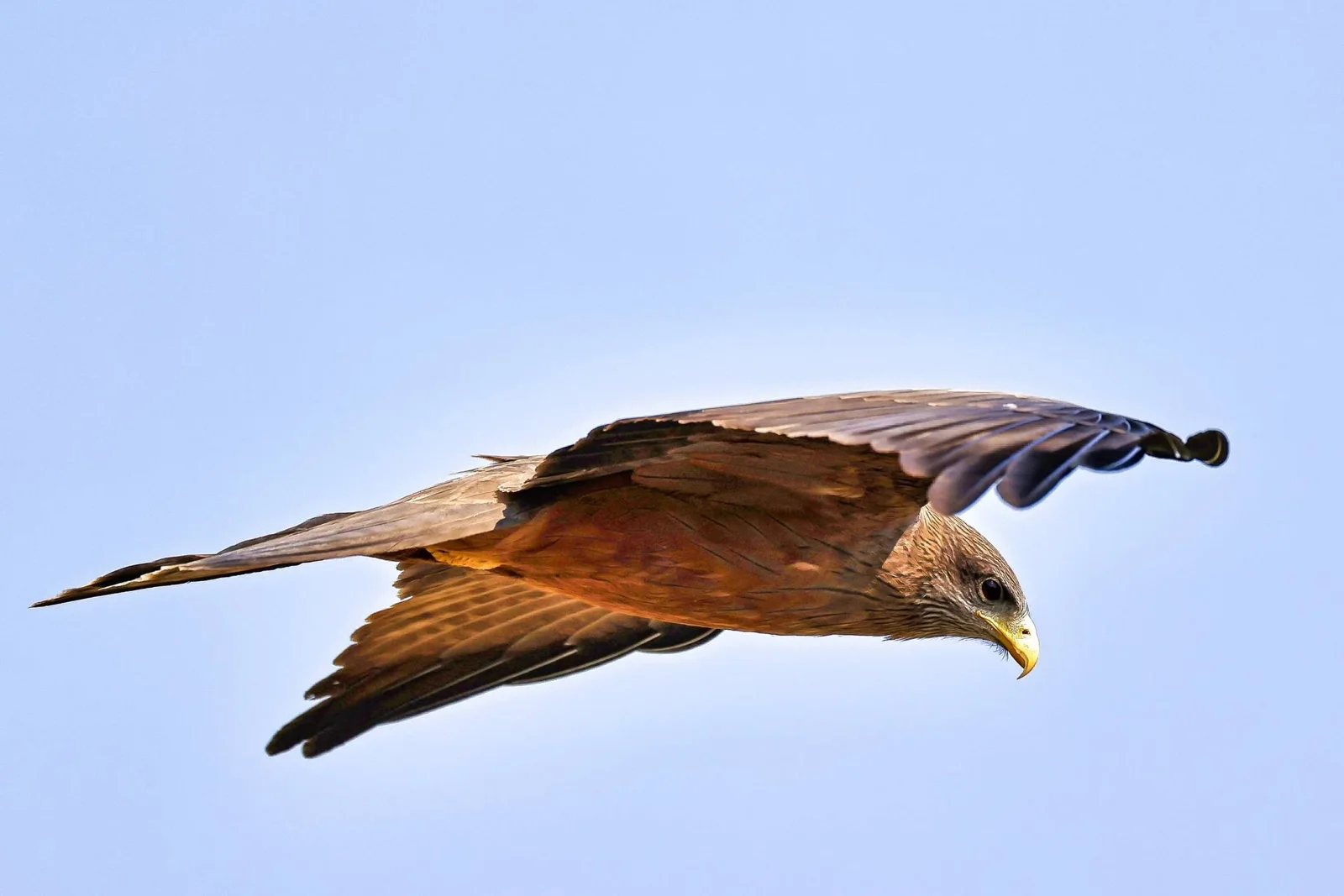
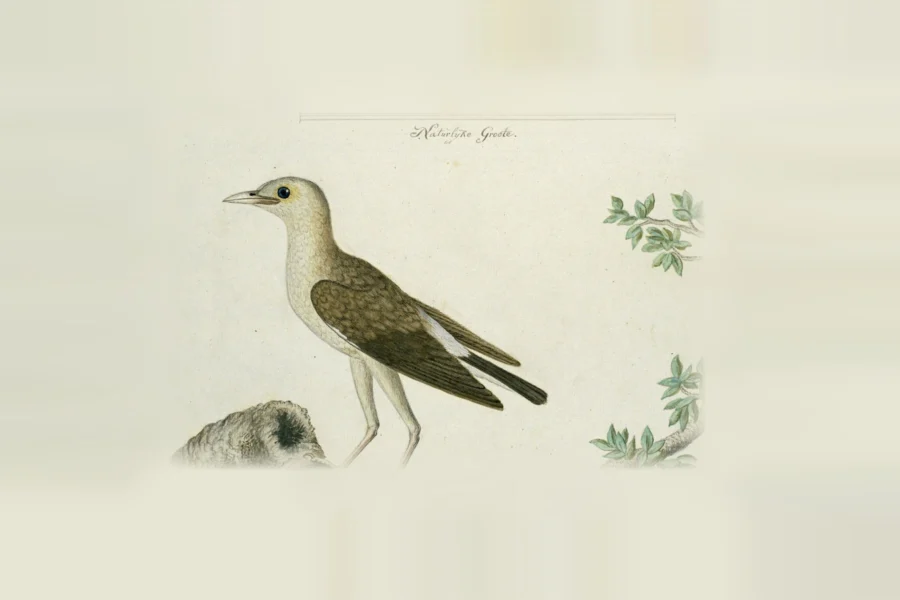
Round trips. Some changes undo earlier ones. The Black-eyed Bulbul of 1993 became the Dark-capped Bulbul in 2005, as a species of its own, and the IOC lumped it back into Common Bulbul in 2025. The Bleating Warbler became 2 camaropteras in 2005, and AviList merged them again in 2025. The kite below was a Black Kite in Roberts VII, then the Yellow-billed Kite, and is a Black Kite again under AviList. Its bill stayed yellow throughout.
Who decides now
The IOC list has closed. Its editors called version 15.2 their last update and point users to AviList, a single world checklist released on 11 June 2025 by the teams behind the IOC list, the eBird/Clements checklist and BirdLife International. AviList published its first major revision in October 2026 and plans yearly revisions after that.
South Africa has its own referee, and it has a whistle. BirdLife South Africa has published a Checklist of Birds in South Africa every year since 2010. Its List and Rarities Committee, chaired by Chris Lotz, says AviList underpins the checklist but adopts only the changes it considers right for South Africa, keeping names that reflect local birding heritage. It often keeps local names alongside world ones, as in Common (Dark-capped) Bulbul and Chestnut-vented Tit-Babbler (Warbler).
BirdLife South Africa’s own files can disagree. The printable 2026 checklist, posted in January, still lists Yellow-billed Kite, both camaropteras and Agulhas Long-billed Lark. The spreadsheet, updated in October 2026, has removed Yellow-billed Kite, Agulhas Long-billed Lark and Grey-backed Camaroptera, each with a note that AviList lumped it. The kite lump was debated: Hugh Chittenden told the Zululand Observer in September 2025 that it angered him. Bird names, it turns out, are not a calm subject.
Why Afrikaans names mostly stay put
Afrikaans birders have had an easier time, for the reason African Birdlife gave in 2021: Afrikaans is spoken only in this corner of Africa, so its bird names are not tied to a worldwide standard. Many of the roughly 75 Afrikaans changes in 2005 were only spellings or added alternatives. Bontkiewiet never moved, and never needed to.
Easier is not untouched. Roberts VII changed all 21 terns from seeswael to sterretjie, Rock Kestrel from Rooivalk to Kransvalk, the harriers from paddavreter to vleivalk and Cape Parrot from Grootpapegaai to Woudpapegaai. There is a committee, too; there is always a committee. The 2005 Roberts names database thanks Morné de la Rey and the Afrikaans Bird Names Group, and in December 2025 Trevor Hardaker, who keeps a checklist for the whole subregion, thanked the Afrikaans Bird Names Committee for names for the latest splits and lumps. When the camaropteras merged, BirdLife South Africa’s list changed the Afrikaans name to Kwêkwêvoël in January 2026.
The same African Birdlife article noted the drawback, that names which stay fixed can fall behind the taxonomy. The upside shows in the buttonquail, a South African endemic. In English it went from Black-rumped to Hottentot to Fynbos Buttonquail. In Afrikaans it has been Kaapse Kwarteltjie throughout, a name that never carried the slur and so never needed fixing.
What to do about it
Use BirdLife South Africa’s checklist, free on its website as a printable PDF and as a spreadsheet; the spreadsheet is the more current. It gives each bird’s English, scientific, Afrikaans and isiZulu names, plus, where it differs, its 1993 Roberts VI name in an “old names” column, so Blacksmith Plover can still be looked up by anyone whose notebooks predate 2005. A Changes tab records each change with its date and reason. For the wider subregion, version 13 of Hardaker’s checklist on SA Rare Bird News, posted in December 2025, is fully aligned with AviList and gives alternative southern African names and the Afrikaans name for 990 species.
Apps can keep up where printed guides cannot. The Roberts Birds app is sold on subscription, which Hardaker’s review in African Birdlife said lets it respond to taxonomic changes. Its May 2025 update brought name changes, its June 2025 update moved some names to the latest IOC list, and Afrikaans can be set as the main language for its family groupings. Sasol eBirds has its species text in English and Afrikaans. Neither app’s listing documents whether an old name such as Blacksmith Plover finds the bird, so test it first, before the bird flies off. Birding apps and field guides for southern Africa compares the apps and books, and birding for beginners explains which printed guide to start with.
The list-makers are relaxed about old habits. The Roberts VII editors wrote that birders could go on calling birds whatever they liked, and Hardaker said much the same in December 2025. A Blacksmith Plover in an old notebook is still a Vanellus armatus, however many times it is renamed.
Names were checked on 14 November 2026 against BirdLife South Africa’s 2026 checklist, the Roberts VII names lists, AviList and the IOC World Bird List.
More from the Journal
 Do You Need a Spotting Scope? When a Scope Helps, What to Look For and Where It MattersA scope turns grey dots on a mudflat into Curlew Sandpipers and Red Knots. When it earns its place in the car, the features that matter, and why 60x fails at noon.
 Your First Birding Safari: What to Expect, From the 05:30 Gate to the Evening ListHow a birding safari day runs, what the guide does, why the vehicle stops for a brown bird when there is an elephant over there, and the other things first-timers find odd.
 How to Log Your Bird Sightings: eBird, BirdLasser or SABAP2?eBird wants short checklists with counts, BirdLasser wants the same bird logged again and again, and SABAP2 wants 2 hours in one square. What each is for, and how to feed all 3.
The Pigeon Post
Every Thursday: 1 bird, 1 place to go and 1 place to stay, by email. Sign up and get our printable checklist of the 163 endemics of southern Africa.