
Your First Birding Safari: What to Expect, From the 05:30 Gate to the Evening List
How a birding safari day runs, what the guide does, why the vehicle stops for a brown bird when there is an elephant over there, and the other things first-timers find odd.
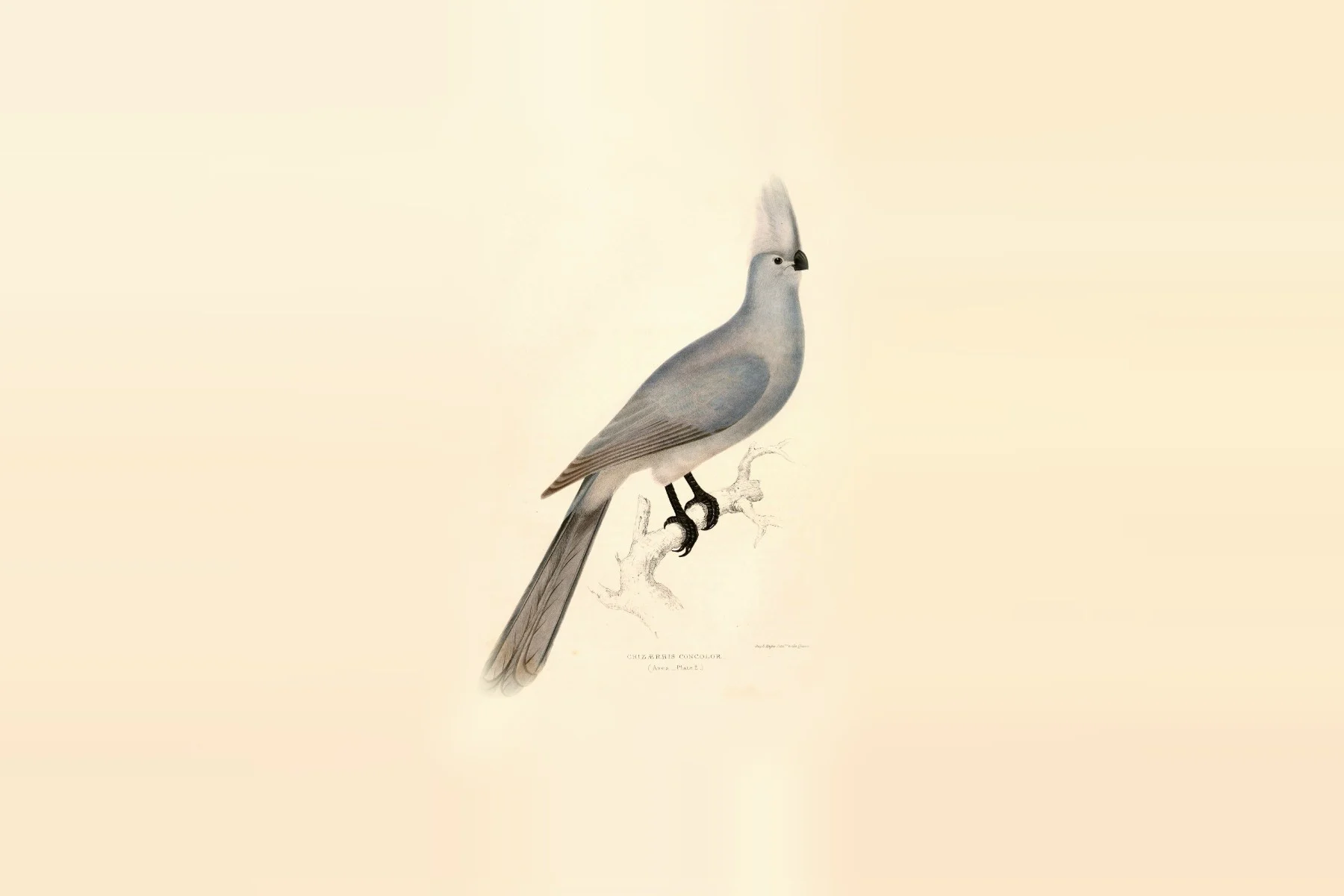
In November and December, Kruger National Park’s entrance gates open at 05:30 and close at 18:30, according to SANParks. That is the first fact of a birding safari: the day starts early and the gate decides when it ends. Everything else, from the coffee to the list at the end of the day, fits around those 2 times, and the Grey Go-away-bird on this page’s header will have been awake and complaining about it for a while before you are.
A birding safari is a safari in which the birds come first. It uses the same parks, lodges and vehicles as any other, but the guide stops for different reasons and the day is judged by a different measure. This guide walks through how a typical day runs, what to expect from guides, lodges and other guests, and the small things that surprise people the first time.
How the day runs
Before dawn. Birds are most active in the first hours of light, so the day begins in the dark. In a national park, the gate times set the limits: SANParks lists Kruger’s entrance gates opening at 05:30 from October to March and at 06:00 from April to September, and it warns that times may change without notice. Late arrivals are allowed only in emergencies, which is SANParks’ way of saying plan the drive home.
The morning activity. At a lodge, the morning is a guided drive or walk. Pafuri Camp, in the far north of Kruger, includes 2 safari activities a day in its rates, along with all meals, and offers birding, guided walks and game drives. At Makakatana Bay Lodge on Lake St Lucia, the resident birder leads an early-morning wetlands outing that ends with breakfast in the bush. Self-drive birders in a SANParks rest camp do the same thing in their own car, with the camp’s hides as extra stops.
The middle of the day. Bird activity drops as the heat builds. This is when the photographs get edited, the field guide comes out, and the list from the morning gets argued over. Hides are worth a midday sit: at Mopani Rest Camp in Kruger, the Pioneer Dam bird hide overlooks water that draws birds and animals through the day, and the camp also has the Shipandani sleep-over hide for those who want to stay the night.
The afternoon and evening. A second drive or walk runs into the last light, and some lodges add a night drive, when nightjars and owls take over. Then dinner, and then the list.
The guide
The guide makes or breaks a birding safari. A good bird guide finds birds by call long before anyone sees them, knows where each special is likely to be, and adjusts the drive to the group. Chitwa Chitwa, in the Sabi Sand, describes its guides as expert birders who teach children to identify birds on safari, and counts more than 300 species on its property. At smaller places, the resident birder is a named person: Makakatana Bay Lodge’s listing names Andrew Morrison.
Tell the guide what you want before the first drive. A guest who wants every bird ticked, a guest who wants photographs and a guest who wants to learn the calls need different mornings. The guide cannot read minds, though a good one will try. The guide to hiring a bird guide covers what to ask.
The things first-timers find odd
The vehicle stops for small brown birds. On a general safari, the vehicle stops for lions. On a birding safari it also stops, sometimes for a long time, for a lark, a pipit or a cisticola. This is the point of the trip, and it takes a day to get used to. If there are non-birders aboard, it takes them longer.
The birds are named by call. Guides often identify birds from the sound alone and move on. That is not showing off; in thick bush, many birds are far easier to hear than to see. By the third morning, you will know a few calls yourself.
People keep lists. Most birders on safari keep a running list of every species seen, and the evening ritual of going through the day’s birds, species by species, is part of the culture. The guide to keeping a bird list explains how to start one. A first birding safari in good country can add a long list of lifers, which is the word for a bird you have never seen before.
The language. Expect to hear about LBJs, specials, lifers and dips. The birding slang glossary translates.
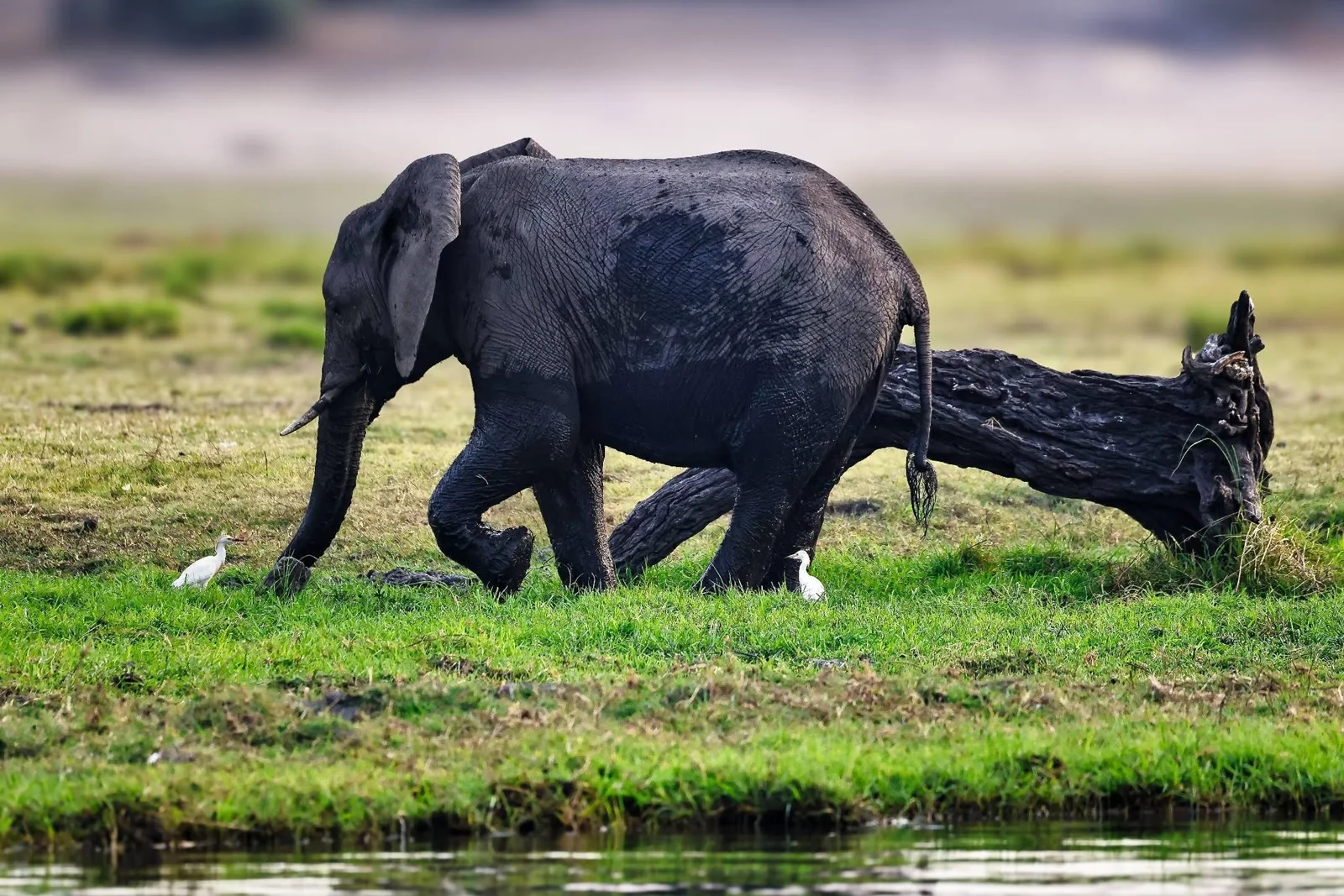
The mammals are still there. The elephants, lions and leopards do not leave because the guests are birders, and most birding safaris still stop for them. They just do not end the drive.
Planning a first trip
Choose the season. Summer, roughly November to March, brings the migrants, the breeding plumages and the heat. Winter brings cooler days, clearer views through bare trees and a shorter list.
Choose the style. A guided lodge with birding on the menu takes the work out of it. A self-drive trip in a national park costs less and lets you stop as long as you like. Mopani Rest Camp’s bungalows start at R1,888 a night for 2, self-catering, against R8,450 per person sharing at Pafuri Camp, fully inclusive with 2 guided activities a day. Many birders do both on the same trip.
Check the health advice. Pafuri Camp’s listing notes that it is in a malaria area. Take advice from a travel clinic before you go to any lowveld park.
Pack for early starts. Warm layers for the open vehicle at dawn, a hat for midday, binoculars for everyone, and a field guide or app. The packing list has the rest.
Where to stay
Places that do something specific for birders on safari:
| Place to stay | Where | For birders | From |
|---|---|---|---|
| Pafuri Camp | Makuleke Contract Park, northern Kruger | BirdLife Recommended, Important Bird Area, 2 activities daily | R8,450 pp sharing, fully inclusive (2026/27) |
| Chitwa Chitwa | Sabi Sand Game Reserve | Guides described as expert birders, 300+ species | R28,447 pp sharing, full board (2026) |
| Makakatana Bay Lodge | Lake St Lucia, iSimangaliso | Resident birder, early wetlands outing with breakfast | R10,880 pp sharing, fully inclusive |
| Mopani Rest Camp | Kruger National Park | Pioneer Dam bird hide, Shipandani sleep-over hide | R1,888 a bungalow for 2, self-catering |
| Antares Bush Camp & Umgede Hide | Grietjie, Balule Nature Reserve | Guided birding outings, low photographic hide | R9,950 for 1 to 2 guests, exclusive use |
Gate times come from SANParks and lodge details from the Birding Dispatch listings, checked on 15 November 2026. Rates and times change, so confirm with the park or lodge before booking.
More from the Journal
 Do You Need a Spotting Scope? When a Scope Helps, What to Look For and Where It MattersA scope turns grey dots on a mudflat into Curlew Sandpipers and Red Knots. When it earns its place in the car, the features that matter, and why 60x fails at noon.
 How to Log Your Bird Sightings: eBird, BirdLasser or SABAP2?eBird wants short checklists with counts, BirdLasser wants the same bird logged again and again, and SABAP2 wants 2 hours in one square. What each is for, and how to feed all 3.
 How to Keep a Bird List: Life, Year and Garden Lists, in Apps and NotebookseBird dates an old life list to 1 January 1900, and BirdLife South Africa's Listers' Club starts at 200 species. How to keep life, year and garden lists, in apps or on paper.
The Pigeon Post
Every Thursday: 1 bird, 1 place to go and 1 place to stay, by email. Sign up and get our printable checklist of the 163 endemics of southern Africa.