
Madagascar Birding Guide: The Endemic Families, the Route and Where to Stay
Bird families found almost nowhere else: how a first trip to Madagascar strings together the eastern rainforest, Ifaty's spiny forest, Toliara, Ankarafantsika and Masoala, with 2026 park fees, the breeding season and birders' lodges.
Madagascar split from Africa about 160 million years ago and from India about 90 million years ago, and its birds show it: they have had a very long time on their own to get strange. Of the 311 species on the island’s list, 109 are found nowhere else, and a handful more are shared only with the Comoros. The species total is modest by African standards. What draws birders is how many of those birds belong to families that exist only here, so the lifers (birds seen for the first time) come in whole families rather than one at a time.
The families that bring birders here
Most sources count 5 bird families confined to Madagascar or shared only with the Comoros: the mesites, the ground-rollers, the Cuckoo-roller, the asities and the vangas. A sixth, the Malagasy warblers or Bernieridae, was formally named in 2010 and holds 11 small forest species, the tetrakas among them, which means whole families were still being named here this century.
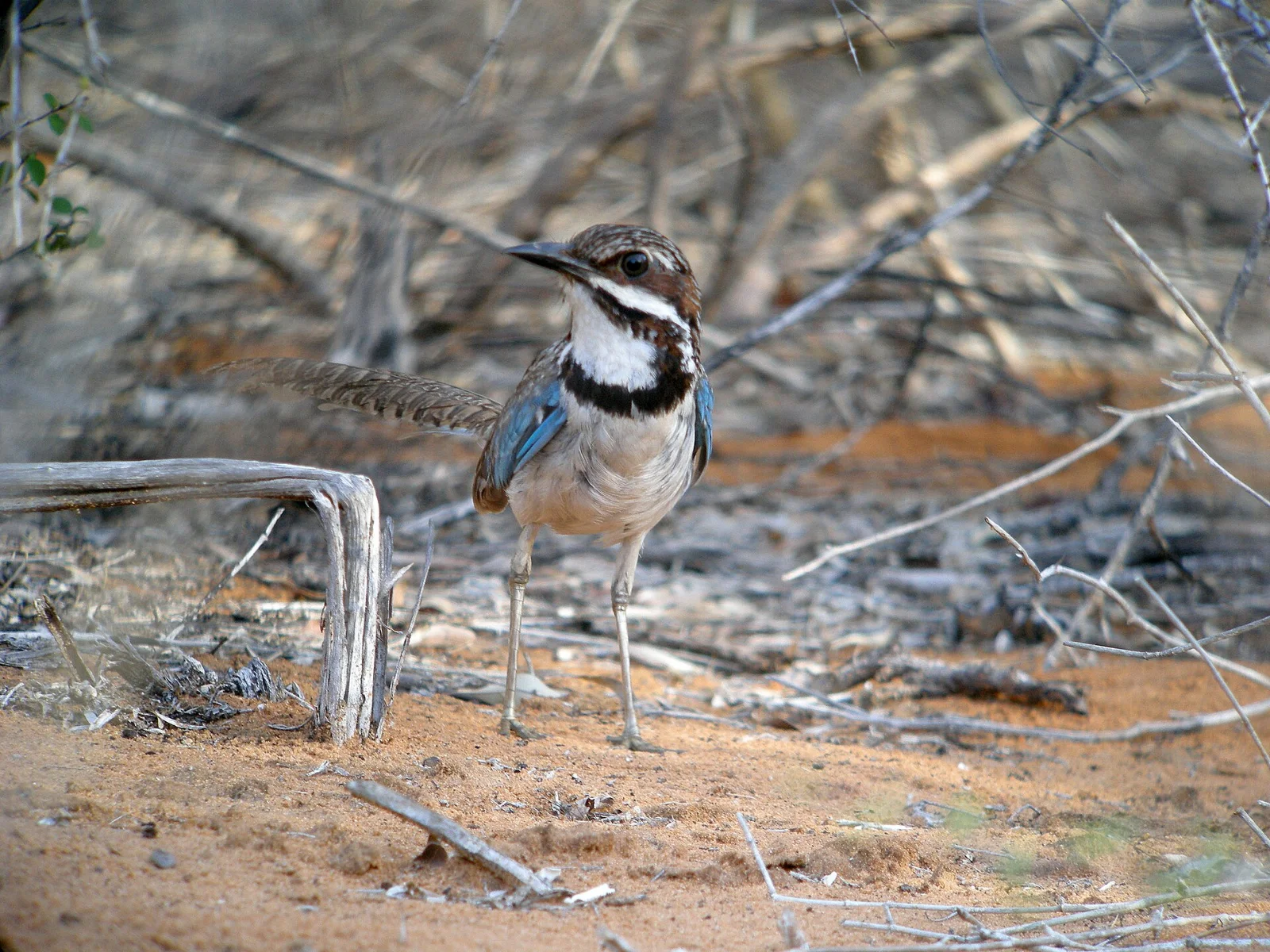
The vangas are the showpiece. Madagascar has around 20 of them, from the tiny Nuthatch Vanga to the Sickle-billed Vanga, and every one but the Comoro Blue Vanga is confined to the island. The 5 ground-rollers are the hardest group to see in full: 4 live on the rainforest floor and the fifth, the Long-tailed Ground-roller, only in the spiny forest of the south-west. The 3 mesites are all listed as Vulnerable, and each lives in a different forest type. Add the couas, a group of endemic cuckoos that run, climb and creep through every habitat on the island, and a first trip has a clear set of targets, including a cuckoo that would rather walk.
Those targets are spread across very different forest. No single site holds more than a share of them, which is why every serious tour follows roughly the same circuit, and why so many trip reports read alike.
At a glance
| Site | Forest type | Birds to target | Listed places to stay |
|---|---|---|---|
| Andasibe and Mantadia | Eastern rainforest | Pitta-like and Scaly Ground-rollers, Velvet Asity, Nuthatch Vanga | Mantadia Lodge, Echoes of the Forest Lodge |
| Ranomafana | Mid-altitude rainforest | Pollen’s Vanga, Rufous-headed Ground-roller, Brown Emutail | None yet |
| Zombitse | Western dry forest | Appert’s Tetraka, Giant Coua | None yet |
| Ifaty and Toliara | Spiny forest, coastal scrub | Long-tailed Ground-roller, Subdesert Mesite, Red-shouldered Vanga | Famata Lodge |
| Ankarafantsika | Western deciduous forest | White-breasted Mesite, Van Dam’s Vanga, Schlegel’s Asity | None yet |
| Masoala | Lowland rainforest | Helmet Vanga, Bernier’s Vanga, Scaly and Short-legged Ground-rollers | Masoala Forest Lodge |
Andasibe and Mantadia: the eastern rainforest
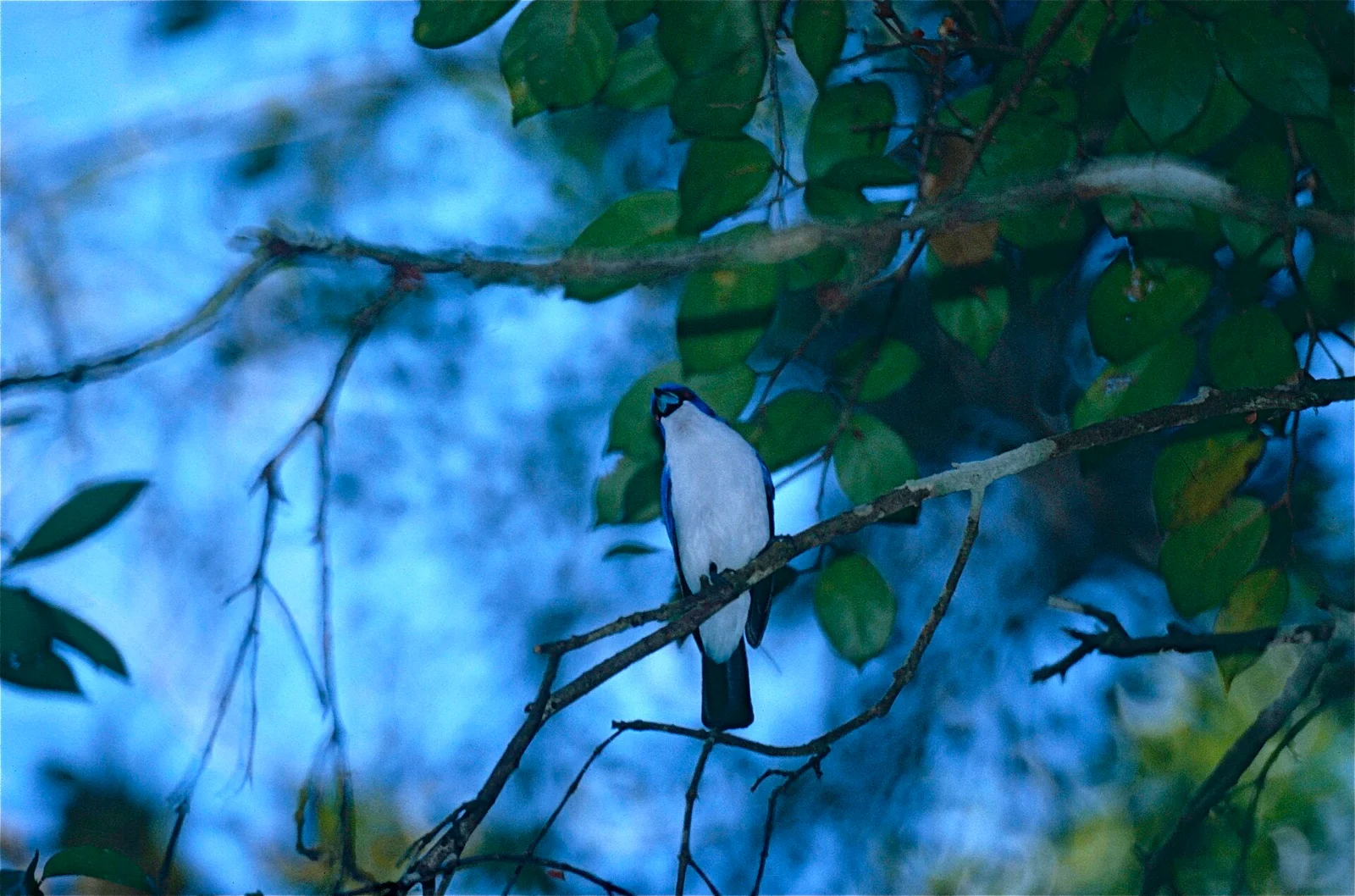
Andasibe is where most trips start, a drive east of Antananarivo, and it covers the rainforest specials better than anywhere else on the circuit. The national park has 2 units: Analamazaotra beside the village, and the larger Mantadia to the north. Field Guides trip lists from 2012 to 2019 show the pattern. Pitta-like Ground-roller is the reliable one, with a 2019 group getting a superb view a couple of hours into a forest walk. Scaly Ground-roller is the hard one: missed in 2012, heard but not seen in 2019, and found by other groups only after long searches. Rufous-headed Ground-roller comes and goes. Velvet Asity, Nuthatch Vanga and Madagascar Wood Rail appear on most lists, and a 2025 Tropical Birding group watched a female Velvet Asity taking nesting material from an orchid, which is choosy shopping for a bird.
The road into Mantadia is poor, and one report notes the group needed 2 four-wheel-drive vehicles for that section. Ask your lodge how it gets guests there.
Mantadia Lodge has 23 rooms and suites beside the park and arranges birding trips with guides licensed by Madagascar National Parks. Breakfast starts at 6 am, picnic baskets are available for long days in Mantadia, and bungalows start at €130 per double or twin a night on its own website. Echoes of the Forest Lodge has private bungalows in the rainforest at Andasibe, offers a guided dawn birding walk on its trails and night walks, and lists rooms from MGA 275,000.
Ranomafana: Pollen’s Vanga and the upper trail
Ranomafana, on the road south, holds the rainforest birds that Andasibe lacks or shows less often. Pollen’s Vanga features in nearly every tour report, and a 2016 Field Guides group found one on a nest. Rufous-headed Ground-roller is a harder bird here too: a 2018 group only heard it and caught brief glimpses, and a 2019 group needed much effort before it appeared. Brown Emutail turned up for a 2018 group late in the afternoon. The upper section of the park, Vohiparara, is where Birdquest’s 2023 group worked the trail for these species. Rain is the risk. A 2023 Field Guides report describes constant rain and mist, though the ground-rollers and Pollen’s Vanga still showed, which is more than could be said for the sun.
Zombitse: the one-site tetraka
Zombitse-Vohibasia National Park sits on the road between Isalo and Toliara, and most groups stop there for a single bird. BirdLife’s factsheet for Appert’s Tetraka says the species is known from only 2 locations in south-west Madagascar, and Zombitse is the one on the route. Trip reports point to the flat 2.5 km Circuit de Mandresy, where Giant Coua and Rufous Vanga are also possible, but at least 1 reviewer missed the tetraka, a dip (a target bird missed) that is hard to make up anywhere else on the route. Zombitse Ecolodge, the only accommodation near the gate, lets birders be on the trail early.
Ifaty, La Table and Toliara: the spiny forest
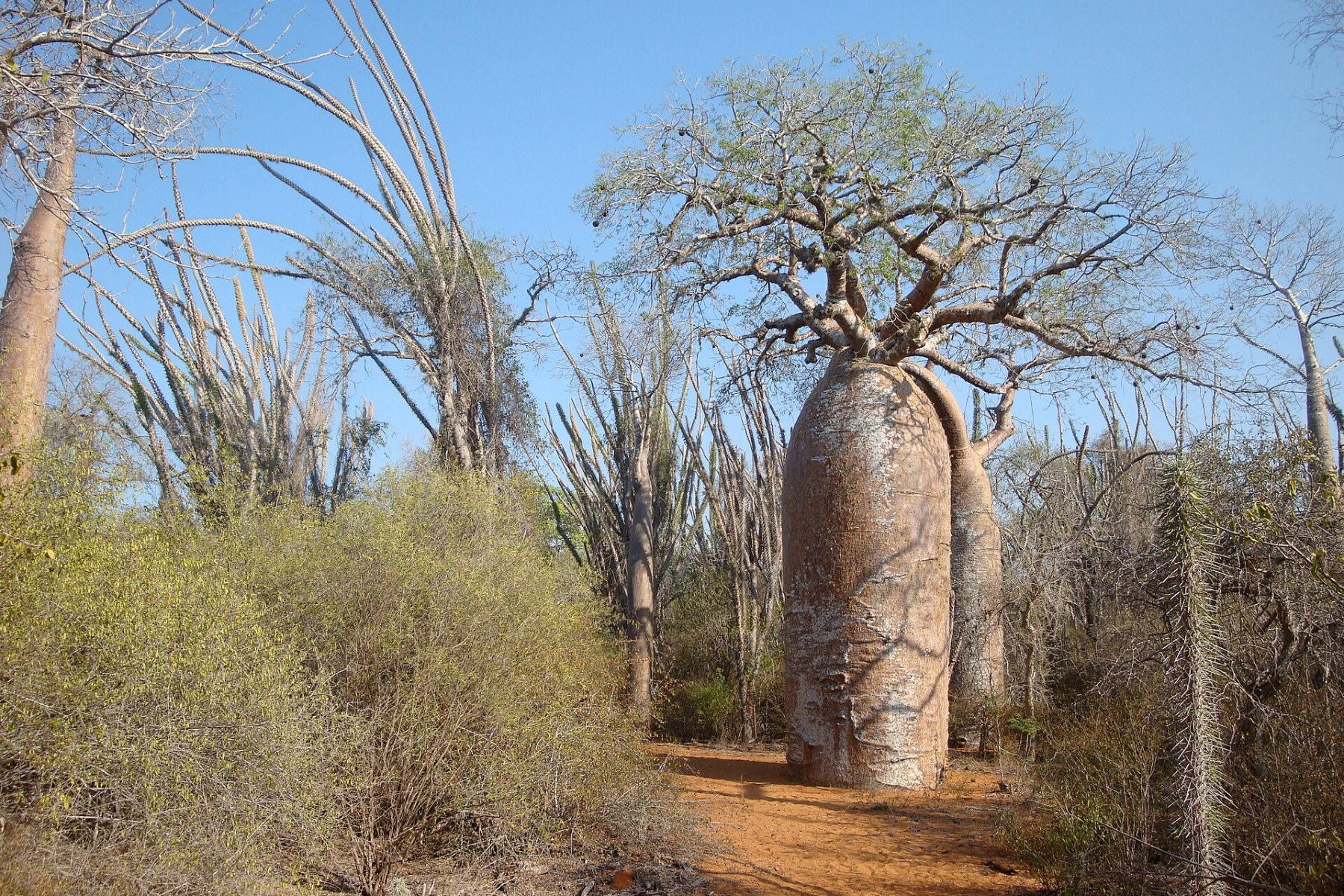
BirdLife treats the spiny forest of the south-west as its own Endemic Bird Area, 46,000 sq km of dry deciduous forest and thorn scrub dominated by Didiereaceae, a plant family found only in Madagascar, and tree euphorbias. Its factsheet lists 10 restricted-range species, among them Subdesert Mesite, Long-tailed Ground-roller, Running and Verreaux’s Couas, Red-shouldered Vanga, Archbold’s Newtonia, Thamnornis and Littoral Rock-thrush. The mesite and the ground-roller are confined to a coastal strip about 70 km wide by 200 km long in the north of that area, and BirdLife calls them threatened by their tiny ranges and by hunting. Only 2% of the remaining southern dry forest is well protected, and charcoal burning near the towns is the main threat.
Ifaty, north of Toliara, is where both specials are found. Field Guides wrote in 2023 that its local guides regularly located Subdesert Mesite and Long-tailed Ground-roller in Parc Mosa, and Tropical Birding notes that guides sometimes find the ground-roller by following its tracks in the red sand, which turns the birding into something closer to tracking. Field Guides’ October to November 2025 group had both, along with Running Coua, Olive-capped Coua, Madagascar Nightjar and Stripe-throated Jery, though it reported slow birding across the trip because the rains were late. Reniala, a private reserve at Ifaty with marked trails through baobabs and spiny forest, is the other site tours use. Guides there recommend going early in the morning.
Red-shouldered Vanga was described to science only in 1997, and BirdLife says it is known only from the Toliara region. The site for it, and for Verreaux’s Coua, is La Table, inland from the town, where the scrub stands 1 to 4 m tall and groups depend on local guides to find either bird. Littoral Rock-thrush is easier on the coast around Anakao.
Famata Lodge puts a birder in the right place for the Toliara end of this circuit. It has 13 bungalows in the Famata woodland at Anamakia-Ankilibe, about 25 minutes by car south of Toliara, and runs birding outings on foot with a local guide in its coastal forest, plus trips to Reniala and Saint Augustin. Saint Augustin Forest is one of BirdLife’s Important Bird Areas in the spiny forest. The lodge names Red-shouldered Vanga, Humblot’s Heron, Madagascar Hoopoe and Madagascar Fody among its birds. It does not publish a rate.
Ankarafantsika: the north-west forest
Ankarafantsika, inland from Mahajanga, is the western deciduous forest site, and the birding centres on the trails around Lake Ravelobe at Ampijoroa. Field Guides’ 2025 group called White-breasted Mesite a massive target and credited the local guide with finding it. Van Dam’s Vanga, which BirdLife lists as Endangered, came quickly near the lake, along with Red-capped and Coquerel’s Couas, and Schlegel’s Asity was seen in the park. The 2023 tour had Van Dam’s Vanga too, but White-breasted Mesite would not show, so build in a second morning; mesites keep their own appointments.
Masoala: for Helmet Vanga
Masoala National Park on the north-east coast is the add-on that serious birders take for Helmet Vanga, a long way round for one bird, which says something about the bird. Birding Ecotours says the chance of seeing it is excellent, that the even rarer Bernier’s Vanga is here too, and that Brown Mesite and Scaly and Short-legged Ground-rollers are easier here than anywhere else on the main circuit.
Masoala Forest Lodge has 7 palm-thatched treehouse tents between the rainforest and the sea, for up to 14 guests. Lodge guides lead birding walks by day and at night, and its wildlife page says Scaly and Short-legged Ground-rollers are seen regularly. Guests reach Maroantsetra and cross Antongil Bay by boat. The 2026 selling-price sheet from Wild Expeditions, which runs the lodge, lists a 7-night stay at EUR 3,445 or EUR 3,747 per person sharing depending on season, with full board, road and boat transfers and park fees included. The twice-weekly flights between Antananarivo and Maroantsetra are extra.
Park fees and guides
Madagascar National Parks is raising its fees. In May 2026 the Antananarivo paper L’Express reported that entry for both Malagasy and foreign visitors would double from 1 November, and gave the existing foreign adult ticket at Ankarafantsika as 45,000 ariary. The published 2026 to 2027 fee sheet for Marojejy, another MNP park, shows the foreign adult rate rising from 45,000 to 90,000 ariary on 1 October 2026, so expect about 90,000 ariary a day at each park on this route. L’Express also reported in May 2026 that guiding rates had been revised upwards. SafariFind’s 2026 guide says certified park guides are compulsory, and the local guide at each site is the person who knows where the mesites and ground-rollers are that week, which is worth more than any field guide.
When to go
The tour operators agree on late September to December. That is the breeding season, when the endemics are calling and holding territory and are at their least secretive, and Birding Ecotours notes that the 4 forest ground-rollers are very hard to find outside it. SafariBookings gives September to December as the best birding months at Andasibe and Mantadia. December is hot and the rains usually start during the month.
Avoid January to March. It is cyclone season, travel is often disrupted and forest birding is harder in the rain. From May to August the rainforests can be very quiet and many endemics furtive, although the semi-arid south-west birds well all year. The 2025 Field Guides tour, which ran from late October to mid-November, shows that even the right months depend on the rains arriving.
Where to stay
The places in this guide, with what each offers a birder:
| Place to stay | Where | For birders | From |
|---|---|---|---|
| Mantadia Lodge | Andasibe, Madagascar | Licensed park bird guides, 6 am breakfast, picnic baskets | €130 a double or twin bungalow |
| Echoes of the Forest Lodge | Andasibe, Madagascar | Guided dawn birding walk on its trails, night walks | MGA 275,000 a room |
| Famata Lodge | South of Toliara, Madagascar | Guided birding walks, Red-shouldered Vanga, Humblot’s Heron | Ask the lodge |
| Masoala Forest Lodge | Masoala Peninsula, Madagascar | Guided day and night walks, Scaly and Short-legged Ground-rollers | €3,445 pp sharing for 7 nights, full board |
Fees, guide rates and access change. Facts were checked on 13 November 2026 against each place’s listing on Birding Dispatch, BirdLife International’s South Malagasy spiny forests Endemic Bird Area and species factsheets, Field Guides, Birdquest, Tropical Birding and Birding Ecotours trip material, L’Express de Madagascar and the Marojejy fee sheet. Confirm fees with Madagascar National Parks before you travel.
More from the Journal
 Namib-Naukluft and Sossusvlei for Birders: Dune Lark, Desert Raptors and the Naukluft SpecialsA lark that lives on the dunes and nowhere else, Lappet-faced Vultures nesting in the desert, coursers on the gravel plains and the northern specials around the Naukluft cliffs, in one of Africa's largest parks.
 Lake Baringo and Lake Bogoria Birding: The Owl Walks, the Cliffs and the FlamingosA local guide who knows where every nightjar and eagle-owl slept last night, thorn scrub full of hornbills, a Goliath Heron colony on a rock, and the flamingo lake next door that keeps rising.
 Akagera Birding: Rwanda’s Savanna, Lakes and Papyrus, and the Shoebill ChancesRed-faced Barbet in the southern woodland, Papyrus Gonolek and Carruthers's Cisticola in the swamps, a lake of hippos and lapwings, and a Shoebill that hides in the wetlands more than it shows.
The Pigeon Post
Every Thursday: 1 bird, 1 place to go and 1 place to stay, by email. Sign up and get our printable checklist of the 163 endemics of southern Africa.