
Places to Stay for Birders in Mpumalanga
Crane wetlands at Dullstroom and Wakkerstroom, escarpment forests, Lowveld rivers with Kruger across the water: 12 Mpumalanga roosts for birders, with their hides, guides, species lists and rates.
Wakkerstroom lies at 1,760 m on the southern edge of Mpumalanga, beside a reed-marsh of about 700 ha that BirdLife South Africa counts among the larger ones in the country. A morning’s walk along it can give 70 species, and a day in the grassland around the village with a local guide about 110, Rudd’s Lark and Botha’s Lark among them, 2 larks that cause far more excitement than their plumage would suggest. To the north the same province falls off the Drakensberg escarpment into the Lowveld, where African Finfoot does its usual hiding along the Crocodile River in Mbombela and the lodges at Malelane look across that river into Kruger. Between them lie the trout farms of Dullstroom, at more than 2,000 m, where the anglers have the trout and all 3 of South Africa’s cranes have the wetlands.
The Birding Dispatch directory lists more than 30 places to stay in Mpumalanga. These 12 do the most for birders, with hides, guides, bird lists and early breakfasts between them, the last of which matters more than it sounds at the hour birders get up. The Sabi Sand and Kruger lodges have their own guide, to the best places to stay for birders in and around Kruger.
The places at a glance
| Place to stay | Where | For birders | From |
|---|---|---|---|
| Walkersons Hotel & Spa | Dullstroom | BirdLife Recommended, 800 ha estate, Wattled Crane | R3,710 pp sharing, dinner, bed and breakfast (2026) |
| Millstream Farm | R540, about 3 km from Dullstroom | Hide on Wordsworth Waters, 200+ species list | R2,550 per self-catering cottage |
| Greystone Lodge | Between Dullstroom and Belfast | BirdLife Recommended, breeding Blue Cranes, 94-species list | R1,200 per 1-bedroom chalet, weekdays (2026) |
| Doornkop Fish & Wildlife Reserve | Carolina district | BirdLife Recommended, 200+ species checklist, Southern Bald Ibis | R1,068 per chalet, 4-night midweek stay |
| Forellenhof Guest Farm | Near Wakkerstroom | BirdLife Recommended, community bird guides, Grassland IBA | Ask the lodge |
| DeKotzenhof | Wakkerstroom village | 4 public wetland hides within walking distance | Ask the lodge |
| Mbizane Escarpment Retreat | Schoemanskloof | BirdLife Recommended, 2 lookout towers, Narina Trogon | R3,800 per tent, excluding breakfast |
| Porcupine Ridge Guest House | Sabie | Bird list, birding books, packed breakfasts | R1,080 pp sharing B&B, 2 nights or more (to 30 Nov 2026) |
| Heuglins Lodge | Sheffield Estate, White River | BirdLife Recommended, reed-fringed dam, breakfast packs | R1,400 per cottage for 2, self-catering (from Jan 2025) |
| Tomjachu Bush Retreat | Near Mbombela | BirdLife Recommended, guided birdwatching walks | R3,300 per Homestead Suite |
| Kambaku River Lodge | Malelane, on the Crocodile River | BirdLife Recommended, 240 species, hide facing Kruger | R7,590 for 2 sharing, room only (Oct 2026 to Sep 2027) |
| Nkomazi Private Game Reserve | Near Badplaas | Bookable birding safaris, 300+ species | R8,070 a night, family package |
Dullstroom and the Steenkampsberg
Dullstroom sits at more than 2,000 m on the Steenkampsberg, 2 to 3 hours from Johannesburg and Pretoria, and BirdLife South Africa’s GoBirding site calls it the country’s fly-fishing capital. Birders, meanwhile, come for Wattled, Blue and Grey Crowned Cranes in the wetlands, Buff-streaked Chat and Ground Woodpecker on the rocks and Yellow-breasted Pipit on the high grassland. Summer adds Fan-tailed Grassbird, Cuckoo Finch and Denham’s Bustard. The wetlands are also home to the critically endangered White-winged Flufftail, the bird at the centre of BirdLife’s work with landowners here.
BirdLife and the Escarpment Bird Club have mapped the Steenkampsberg Birding Routes around the town. The Verloren Valei route and the De Berg road give Yellow-breasted Pipit and Rufous-breasted Sparrowhawk, with Cuckoo Finch in summer. On the Greater Lakenvlei route to the south, all 3 cranes are often seen together in farmland, a full set in one field, with Secretarybird, Denham’s Bustard and White-backed and Maccoa Ducks on the dams. The Dullstroom guide has the routes in detail.
Walkersons Hotel & Spa has the most land: an 800 ha estate just north of town with mapped routes, wetlands and dams, and its own sightings log, so the hotel keeps score too. It is BirdLife Recommended, gives more than 250 species for the Dullstroom area and names Wattled Crane, Blue Swallow and African Finfoot. GoBirding notes a hide on the estate for Red-chested Flufftail, Fan-tailed and Cape Grassbirds in the grassland above its Mountain Reserve and Gurney’s Sugarbird in the proteas, and says access is by prior arrangement only. Rooms are from R3,710 per person sharing, with dinner and breakfast, in 2026.
Millstream Farm, about 3 km from Dullstroom on the R540 Belfast road, lets stone cottages that sleep up to 10 and keeps a list of more than 200 species, with a hide on Wordsworth Waters. It names Grey Crowned Crane, Red-collared Widowbird and Wing-snapping Cisticola, which is a name to live up to. Greystone Lodge, between Dullstroom and Belfast, is BirdLife Recommended and describes breeding Blue Cranes and a Red-chested Flufftail in the wetland by its dam. Its own sightings list stands at 94 species, and an ordinary car reaches it.
Further east, in the Carolina district, Doornkop Fish & Wildlife Reserve is BirdLife Recommended and publishes a checklist of more than 200 species. It names Southern Bald Ibis, Blue Crane, Secretarybird, Martial Eagle, Verreaux’s Eagle and Cape Vulture, and suggests birding from its trails, lookouts and chalet patios, the last needing no hiking boots at all. The last 9 to 10 km are gravel.
Wakkerstroom
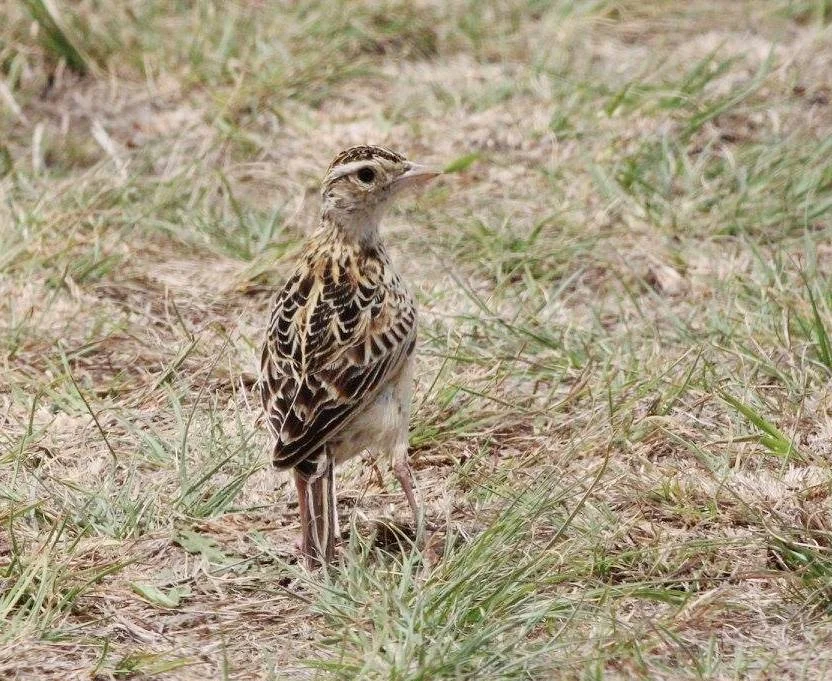
Wakkerstroom is the grassland base further south, where Mpumalanga meets KwaZulu-Natal. GoBirding counts nearly 1,000 km of gravel roads running out of the village, most of them birdable from a car, which is a great deal of road for 1 village, and lists Rudd’s Lark, Botha’s Lark, Yellow-breasted Pipit, Blue Korhaan, Barratt’s Warbler and Orange-breasted Waxbill among the key species. BirdLife South Africa books trained local guides here, and GoBirding recommends hiring a guide for the specials.
Forellenhof Guest Farm, outside the village, has self-catering cottages and a farmhouse in the Grassland Important Bird Area. It puts guests in touch with community bird guides and points them to 4 community-run wetland hides nearby. It is BirdLife Recommended, names White-winged Flufftail and Southern Bald Ibis as well as the 2 larks, and warns that its 3 km approach can be difficult after heavy rain.
In the village itself, DeKotzenhof is a guesthouse 25 km from Volksrust with 4 public wetland hides within walking distance. It publishes its own Wakkerstroom birding guide, reproduces a regional list of more than 370 species and arranges local guides for walks and drives. The Wakkerstroom larks guide covers the lark sites.
The escarpment
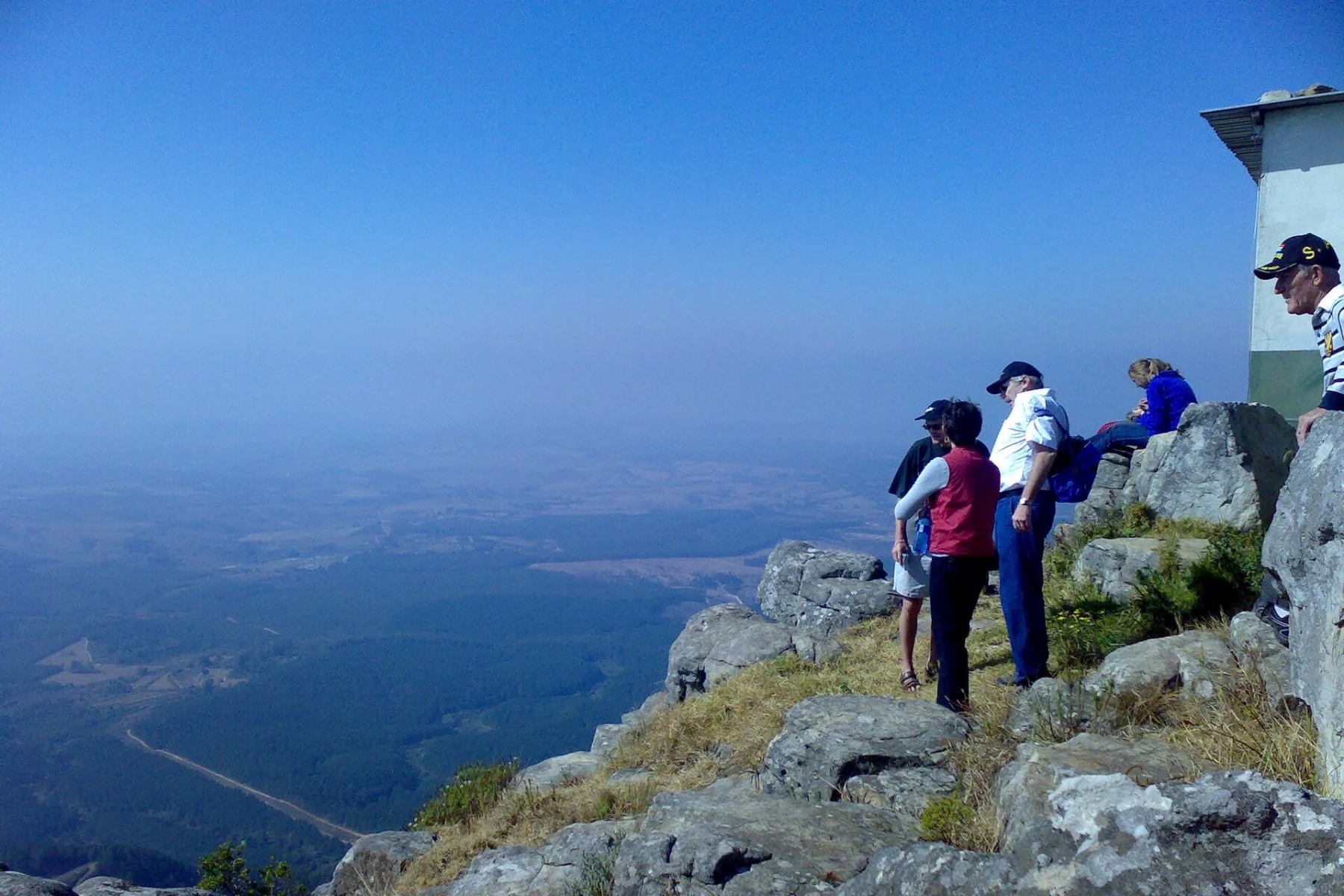
Where the escarpment breaks towards the Lowveld, grassland gives way to mist-belt forest. At God’s Window, on the R534 loop near Graskop, GoBirding describes a small patch of Afromontane mist-belt forest with very high rainfall, stepped paths through it and views over the Lowveld to Kruger and, on a clear day (not a given, with that rainfall), the Lebombo mountains. The key birds are Gurney’s Sugarbird, Cape Canary and Malachite Sunbird. It is busy at weekends, so go early or on a weekday.
Mbizane Escarpment Retreat in Schoemanskloof is the forest roost (birder for a place to stay). It is BirdLife Recommended, puts its tents below the escarpment cliffs and has 2 multi-level lookout towers for birding and photography. Its downloadable list has 93 species, including Narina Trogon, Knysna Turaco, Purple-crested Turaco, Verreaux’s Eagle and African Crowned Eagle, and guided hikes on the forest trails can be booked at reception.
Near Sabie, Porcupine Ridge Guest House keeps a bird list and birding books for guests, who can bird the estate’s gardens and waterfall in the Sabie River valley. It packs breakfasts for early starts into Kruger, since the birds will not wait for the kitchen.
The Lowveld
Below the escarpment, the Lowveld National Botanical Garden in Mbombela is the first stop. GoBirding describes 159 ha of Sour Lowveld Bushveld with riverine forest along the Crocodile and Nels Rivers, and names the bridge near Entrance 2 as the place to wait, patiently, for African Finfoot, with Half-collared Kingfisher and African Black Duck on the same stretch. Purple-banded Sunbird has colonised the town over the past 10 years, and winter brings Striped Pipit and sunbirds to the aloes. The gates open at 08:00.
Heuglins Lodge, 5 km from White River on Sheffield Estate, is BirdLife Recommended and has 5 garden cottages, a dam with reeds and open water, forest nearby and breakfast packs on request. Tomjachu Bush Retreat, about 15 km from Mbombela, is BirdLife Recommended and runs guided birdwatching walks. Near Badplaas in the Komati valley, Nkomazi Private Game Reserve reports more than 300 species, offers birding safaris and notes the migrants of the green season; its family package includes meals and 2 game drives.
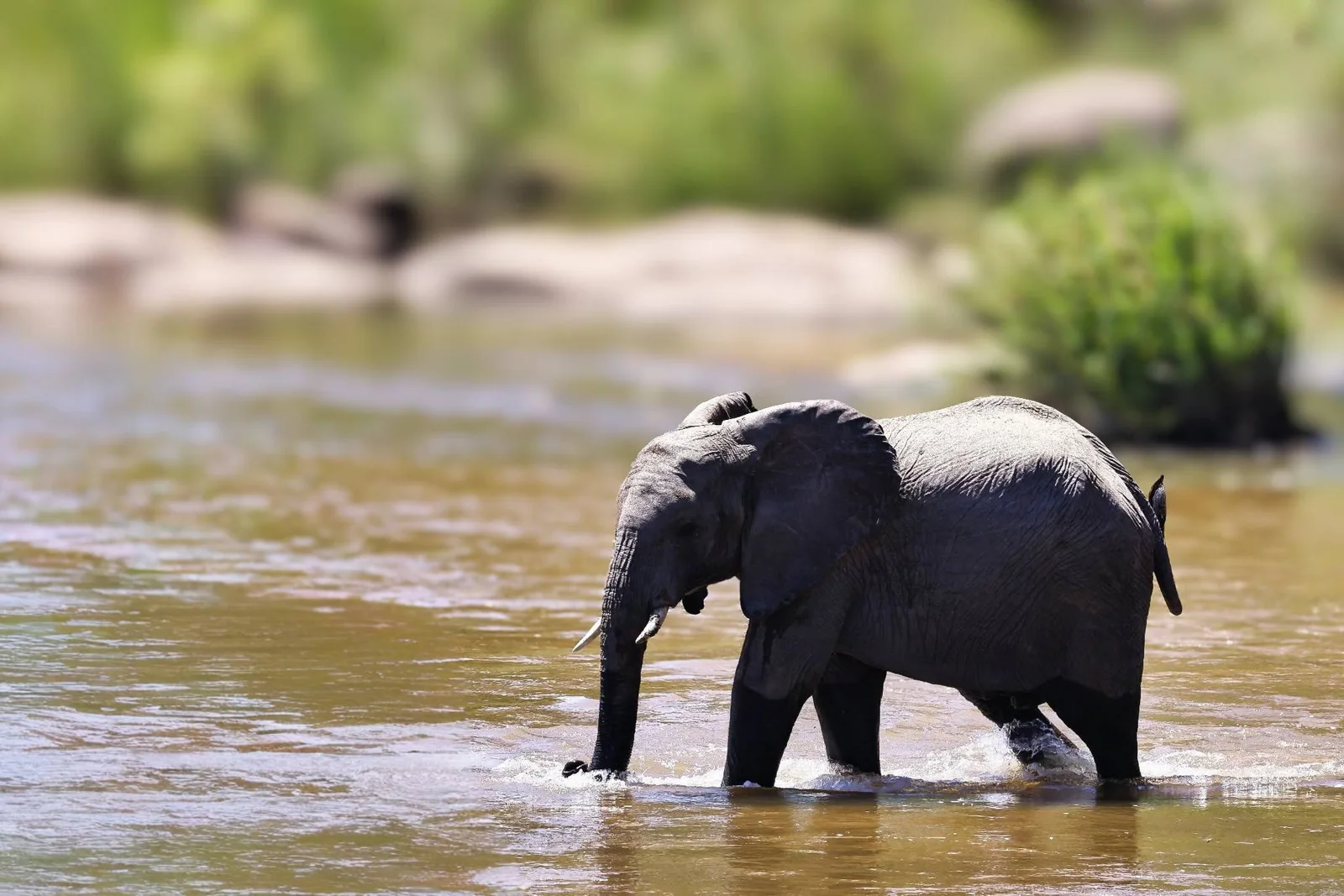
On the Crocodile River at Malelane, Kambaku River Lodge is BirdLife Recommended and records 240 species on the property. Its photographic hide sits at the water’s edge with Kruger as the view, and has to be reserved in advance. Children must be 8 or older.
Choosing a base
For cranes, flufftails and the Steenkampsberg routes, stay in or near Dullstroom, where Walkersons, Millstream and Greystone all have water and grassland on the property. For Rudd’s and Botha’s Larks, sleep in Wakkerstroom and book a guide through BirdLife. For forest birds, Mbizane puts you under the cliffs. For a Lowveld list with Kruger day trips, base yourself at Heuglins or Kambaku.
Summer is the grassland season: GoBirding gives Fan-tailed Grassbird, Cuckoo Finch and Denham’s Bustard as summer birds around Dullstroom, and Forellenhof names summer as the season at Wakkerstroom. Winter suits the Lowveld garden, when Striped Pipit turns up and the sunbirds take over the aloes.
Rates and openings change. Facts were checked on 14 November 2026 against each place’s listing on Birding Dispatch, which cites the place’s own website or facts supplied to Safari Dispatch, and against BirdLife South Africa’s GoBirding site guides. Confirm rates, hides and guiding with the place before you book.
More from the Journal
 Zululand Birding Route: a 10-Day Loop by Car from DurbanA 10-day self-drive from King Shaka airport: Dlinza's canopy, Green Barbet at Ongoye, the Cape Vidal road, Hluhluwe-iMfolozi's vultures, the uMkhuze hides and Ndumo's pans, with a birder-friendly roost every night.
 West Coast and Karoo Birding Route: 10 Days by Car from Cape TownA 10-day self-drive from Cape Town: Langebaan's waders, the Berg River pans, Rocherpan's hides, 40,000 gannets at Lambert's Bay, Cape Rockjumper in the Cederberg and larks in the Tankwa, with a birder-friendly roost every night.
 Where to Stay for Birding Big Day: The Best Bases for a Big CountOn Saturday 5 December, teams all over South Africa count from wherever they draw their circle. 9 places to stay whose 50 km circle takes in river, forest, grassland, wetland and dry bush, from Pafuri Camp in the far north of Kruger to De Hoop on the south coast.
The Pigeon Post
Every Thursday: 1 bird, 1 place to go and 1 place to stay, by email. Sign up and get our printable checklist of the 163 endemics of southern Africa.