
Mana Pools Birding: Walking the Zambezi Floodplain
Carmine bee-eater banks, skimmers on the sandbars, Lilian's Lovebird in the woodland and an African Pitta that keeps a strict December diary, plus walking rules, 2026 road problems and the camps that suit birders.
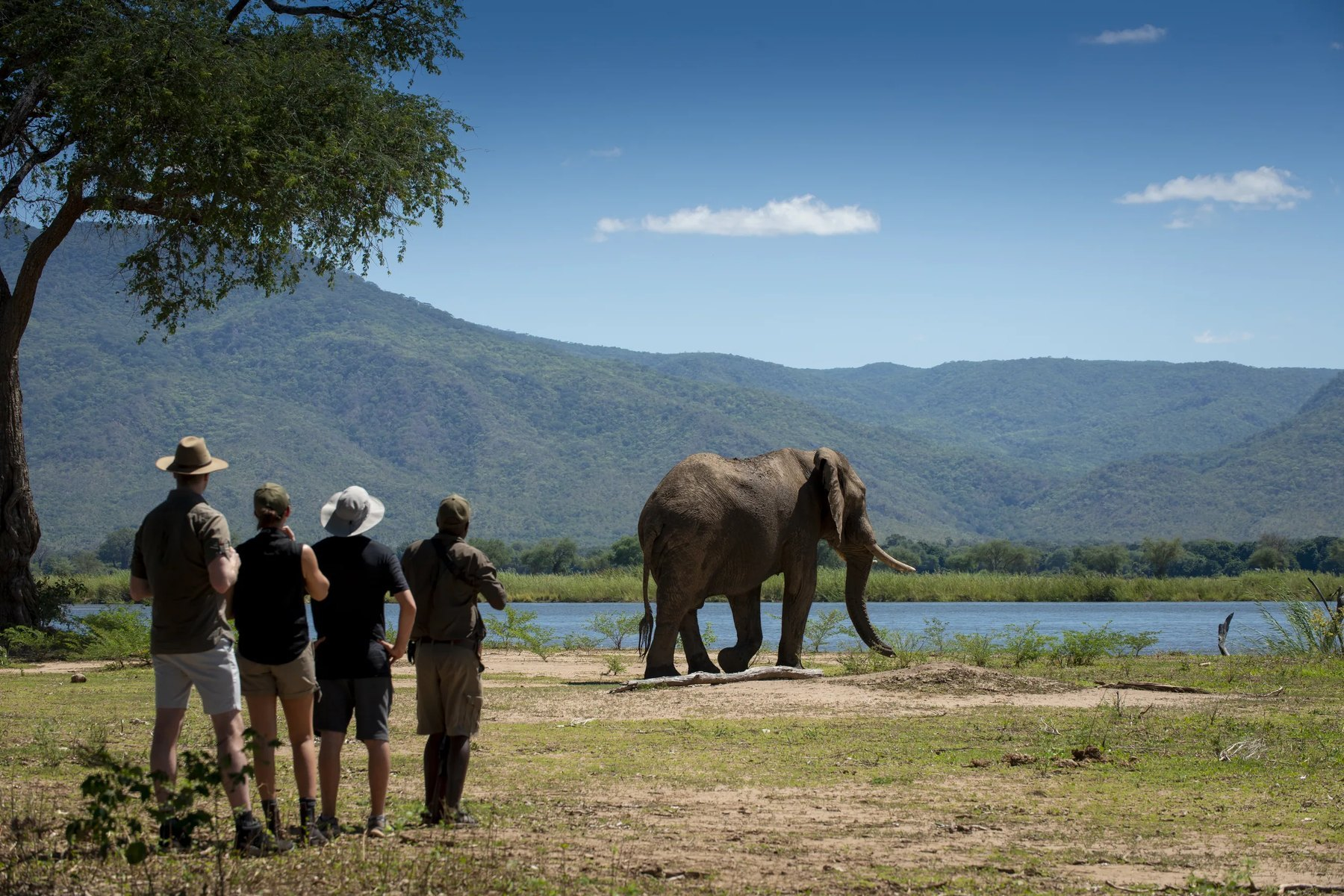
Mana Pools is one of the few national parks in Africa where visitors may walk without a guide. The ZimParks code of conduct, revised in 2023, allows unaccompanied walking on the Zambezi floodplain with a permit bought in advance, though not in the riverine bush or thickets, and it says that walking is at your own risk and that a ranger is advisable unless you have a lot of experience. For a birder that means a morning on foot on the open floodplain, with lapwings calling from the riverbank as if someone had told them you were coming.
BirdLife Zimbabwe counts Mana Pools within the Middle Zambezi River Important Bird Area. ZimParks’ visitor page gives about 380 species for the park, and its management plan more than 400, so the official total depends on which page you read.
At a glance
| Place to stay | Where | For birders | From |
|---|---|---|---|
| Mhara River Camp | Chitake River concession, Zimbabwe | Guided birding walks, bird baths, African Pitta | Ask the lodge |
| Rukuru Bush Camp | Below Chirundu, Zimbabwe | 350+ species, boat trips, Lilian’s Lovebird | US$150 pp, self-catering (2027/28) |
| Mana Pools Safari Lodge | Floodplain upstream of Nyamepi, Zimbabwe | Birdwatching tours, Narina Trogon, Lilian’s Lovebird | Ask the lodge |
| Nyamepi Campsite | Zambezi riverfront, Zimbabwe | Self-catering, walking from camp | US$120 per site for up to 6, camping |
| Chitake Springs Campsites | Below the escarpment, Zimbabwe | Remote camping by a perennial spring | US$235 per site for up to 6, camping |
| Chula Island Camp | Lower Zambezi National Park, Zambia | Bird guides on staff, canoe safaris, African Pitta | Ask the lodge |
The river and the floodplain
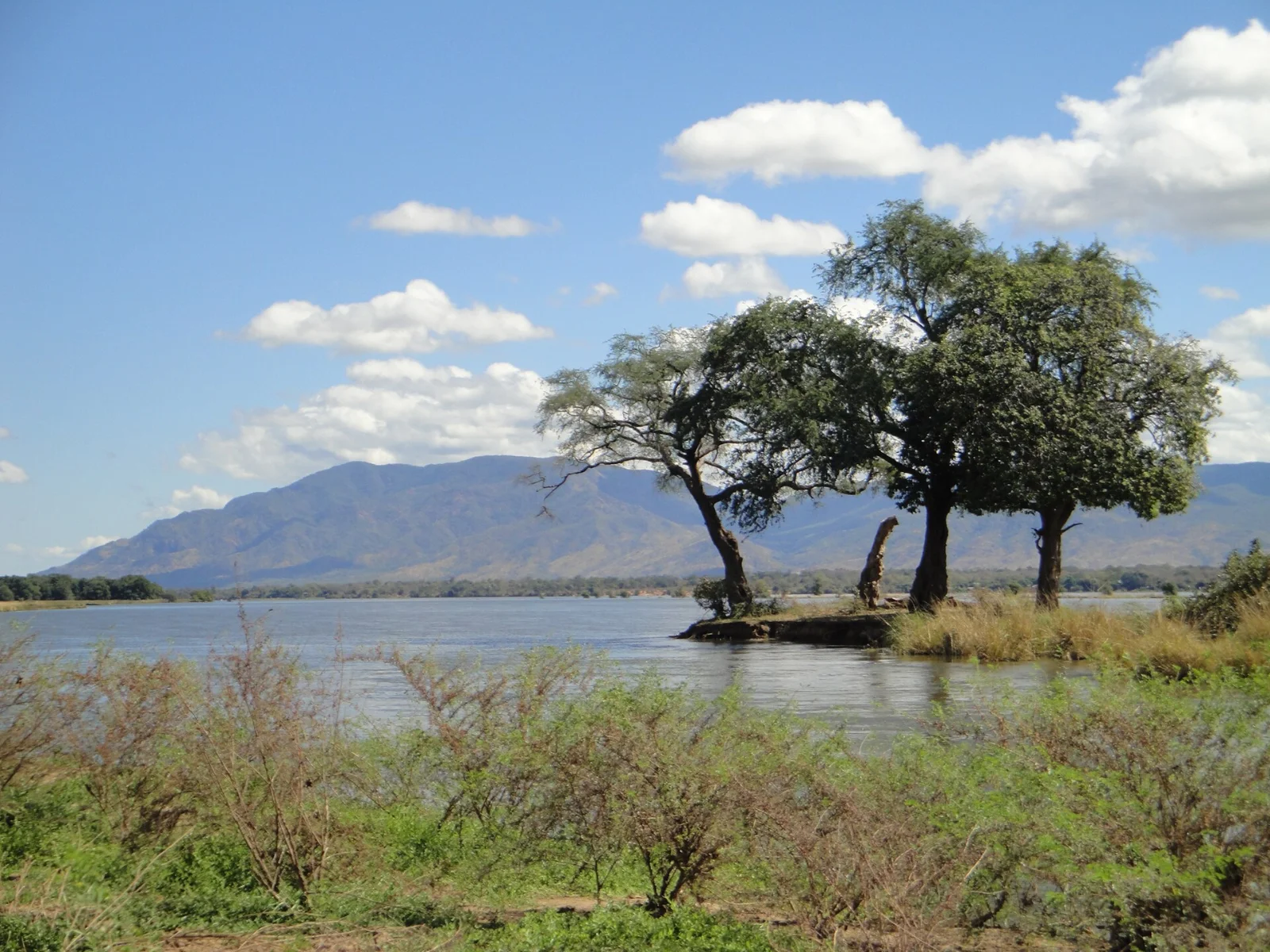
BirdLife Zimbabwe’s Mana Pools page calls the river and its floodplain the main attraction. Rufous-bellied Heron and Long-toed Lapwing hunt in the fringing weed along the banks, White-fronted Plover and African Skimmer breed on the open sandbars, and White-crowned Lapwing and Water Thick-knee call along the waterline without a pause. Collared Pratincoles roost on islands and sandbars, the best real estate on the river. The sandbars depend on the water released from Kariba upstream, and BirdLife Zimbabwe notes that releases often flood the skimmers’ breeding habitat.
The banks are the bee-eater show. Southern Carmine Bee-eaters nest in colonies along the steep banks, and the BirdLife Zimbabwe IBA account for the Middle Zambezi puts the population at about 10,500 birds. White-fronted Bee-eaters, the bird on this article’s header, hold colonies on the same banks all year, and Blue-cheeked Bee-eaters join them in summer. Check old holes for Horus Swift and Brown-throated Martin, the tenants of the bee-eaters’ second-hand housing.
Pel’s Fishing Owl is, in BirdLife Zimbabwe’s words, quite frequent around the national park lodges, which is about as close to a promise as this owl gets, and appears elsewhere along the river from time to time. White-backed Night Heron also occurs but is secretive; the same page says it is commonest in the thick fringing growth of Chikwenya Island, at the eastern end of the park. For both, see how to find Pel’s Fishing Owl.
The woodland and the thickets
Back from the river, the floodplain gives way to acacia and mixed woodland, pans and, further inland, mopane and jesse thicket. The IBA account says the Middle Zambezi holds several thousand Lilian’s Lovebirds, an important share of the world population, and calls the valley a stronghold for Dickinson’s Kestrel and Racket-tailed Roller. BirdLife Zimbabwe lists Ayres’s Hawk-Eagle and Crowned Hornbill in the woodland, Western Banded Snake Eagle perched in tall trees over the river, easy to miss, and Red-necked Falcon spreading from the Rukomechi and Sapi rivers on the park’s boundaries. Mottled Spinetails favour particular baobabs, like regulars with a favourite chair, and Böhm’s Spinetails are frequent over the floodplain.
The thickets hold Eastern Nicator, Red-capped Robin-Chat and Bearded Scrub Robin. Look for Collared Palm Thrush where there are Ilala palms, and Black-throated Wattle-eye and Livingstone’s Flycatcher in the cooler riverine growth. Meves’s Starlings, in BirdLife Zimbabwe’s phrase, are just plain common. Shelley’s Sunbird turns up only at flowering mistletoe in the rains.
African Pitta
The bird that makes serious birders time a Mana trip to the week is African Pitta. Birding Ecotours says it is only realistically possible from late November to mid-December, when the birds are displaying in the thickets. Its November and December 2024 group spent 4 nights at Mhara River Camp in the south of the park and found pittas displaying in thick riverine growth near camp, though it took several days of patient work before everyone had a good view, which by pitta standards counts as a quick result. Livingstone’s Flycatcher, African Broadbill and Southern Crested Guineafowl were in the same vegetation.
That timing has a cost, paid mostly in sweat. BirdLife Zimbabwe warns that the valley can reach 44°C in November before the rains, and several camps close for the wet season. Mhara is the camp in the directory that names the pitta and gives November to April as its season.
Walking and permits
Walking is the reason to bird Mana rather than drive it. Under the 2023 code of conduct, unguided walking is limited to the floodplain and needs a permit bought in advance, and anyone who walks without one can be fined. In the thickets and riverine bush, where the pittas and flycatchers are, walk only with a licensed guide. Mhara and Rukuru both offer guided walks.
Getting in, in 2026
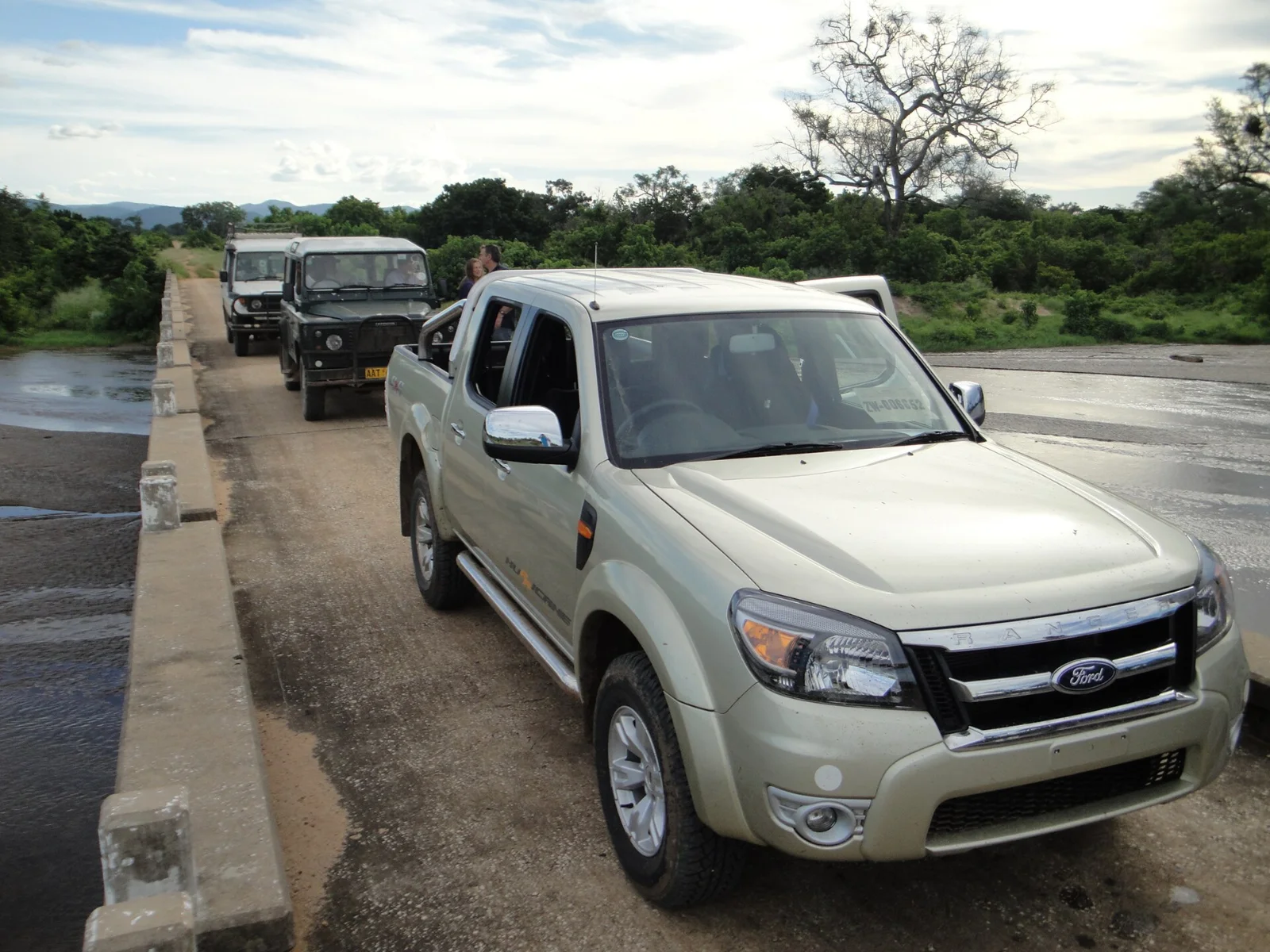
Road access is the problem this year. Heavy rain in early 2026 washed away the eastern section of the Ruckomechi River bridge on the main road into the park. In March, ZimParks advised walk-in self-drivers to stay away, and Wild Zambezi reported that the only 4×4 route left came in from the east via the Angwa and Mkanga bridges, at least 11 hours from Harare and fully self-sufficient. The Herald reported in April that repairs to 4 bridges were under way. Air charters and boat transfers kept running, and a Tracks4Africa forum post in April said the lodges had built a footbridge for their guests. No report that the main bridge has reopened could be found by 13 November 2026, so confirm the road with ZimParks or your camp before you book.
ZimParks’ 2026 tariff sets the Mana Pools conservation fee at US$24 a day for international visitors, US$18 for SADC visitors and US$8 for Zimbabweans.
Where to stay
Lodges and camps in the park
Mhara River Camp has 6 tents on a private concession above the Chitake River. Camp guides lead birding walks across the concession, and guests can watch bird baths from their patios, which is birding at its least strenuous. It names African Pitta and Narina Trogon, gives November to April as its season, and is the camp the 2024 Birding Ecotours group used for the pitta. Its directions and rates are not published.
Mana Pools Safari Lodge is a solar-powered lodge of 12 chalets on the floodplain, about 15 km upstream of Nyamepi, with birdwatching tours among its activities. It lists Narina Trogon, Giant Kingfisher, Spotted Creeper, Lilian’s Lovebird, Grey-headed Parrot, Meyer’s Parrot and Southern Ground Hornbill as birds seen often around it, as well as pittas.
Camping
Nyamepi Campsite is the main ZimParks campsite on the river, with riverfront and standard sites, from US$120 a night for a standard site for up to 6 people at the 2026 international rate. ZimParks recommends a high-clearance vehicle. Chitake Springs Campsites sit beside a perennial spring below the escarpment, far from the river, from US$235 per campsite for up to 6 at the 2026 international rate. Both are self-catering, and both depend on this year’s road.
Upriver and across the river
Rukuru Bush Camp is on a 10,000 ha private concession on the Zimbabwean bank below Chirundu, about 60 km upriver from Mana Pools. It records more than 350 species, among them Lilian’s Lovebird and Livingstone’s Flycatcher, and offers boat trips, game drives and walks with a professional walking guide. Rates for 2027/28 start at US$150 per person a night self-catering, US$225 catered and US$300 all-inclusive, with 2 activities a day. Boat hire is extra. For Rock Pratincole, BirdLife Zimbabwe advises taking a boat upriver from Chirundu and checking sandstone outcrops from about September to December, where a grey bird on a grey rock takes some finding.
Chula Island Camp is on an island in the Lower Zambezi National Park in Zambia, on the far bank. Its operator, Classic Zambia, advertises specialist birding with camp-based guides and canoe safaris along the channels, and names Lilian’s Lovebird and African Pitta. It opens from 1 April to 31 October.
Not yet in the directory: Kavinga Safari Camp and Chikwenya Camp.
When to go
A birder has 2 Mana Pools seasons to choose from. The dry months, April to October, are when Chula Island is open, and Time + Tide gives September to November for the carmine colonies on this stretch of the Zambezi. From late November to mid-December comes the pitta, with the summer migrants, at the price of heat, fewer open camps and, this year, a road that may not be fixed. For the river birds, go late in the dry season. For the pitta, book Mhara early and accept the heat, which the pitta, busy displaying in the thickets, does not seem to mind.
Fees, access and camp seasons change, and Mana Pools’ roads change with every rainy season. Facts were checked on 13 November 2026 with each listing on Birding Dispatch, BirdLife Zimbabwe’s Mana Pools and Zambezi Valley pages and its Middle Zambezi IBA account, the ZimParks 2023 code of conduct, the Birding Ecotours 2024 Zimbabwe trip report, Wild Zambezi, The Herald and the 2026 ZimParks tariff. Confirm road access and walking permits with ZimParks before you travel.
More from the Journal
 Namib-Naukluft and Sossusvlei for Birders: Dune Lark, Desert Raptors and the Naukluft SpecialsA lark that lives on the dunes and nowhere else, Lappet-faced Vultures nesting in the desert, coursers on the gravel plains and the northern specials around the Naukluft cliffs, in one of Africa's largest parks.
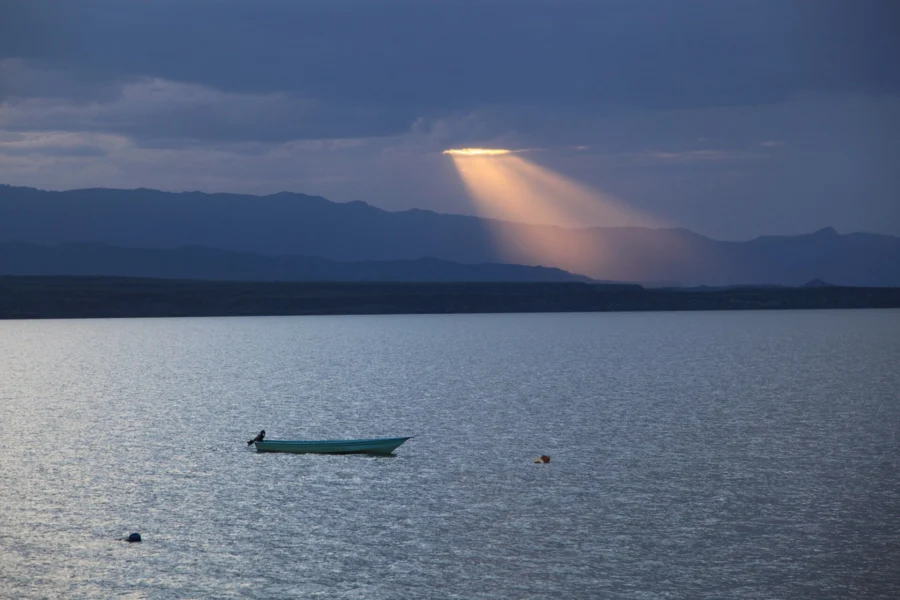 Lake Baringo and Lake Bogoria Birding: The Owl Walks, the Cliffs and the FlamingosA local guide who knows where every nightjar and eagle-owl slept last night, thorn scrub full of hornbills, a Goliath Heron colony on a rock, and the flamingo lake next door that keeps rising.
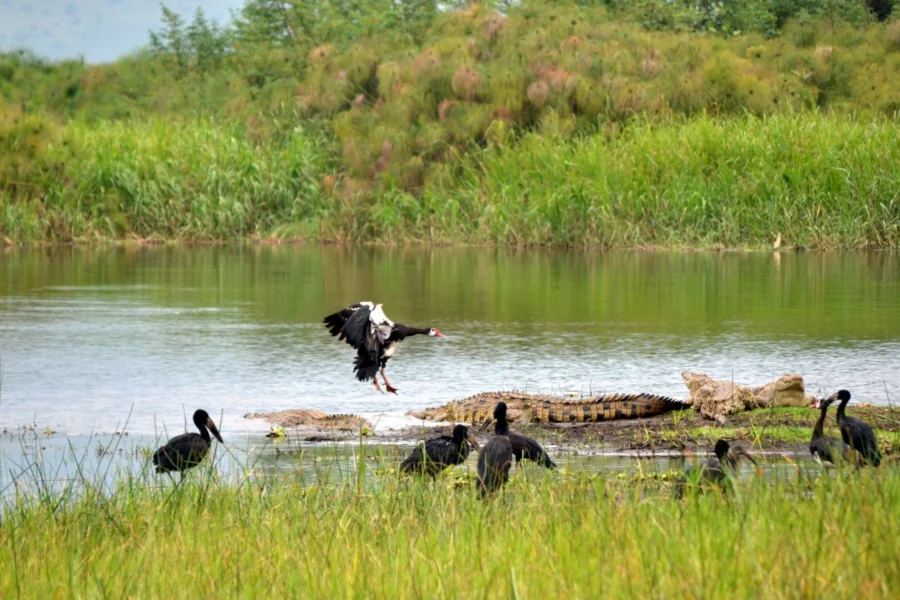 Akagera Birding: Rwanda’s Savanna, Lakes and Papyrus, and the Shoebill ChancesRed-faced Barbet in the southern woodland, Papyrus Gonolek and Carruthers's Cisticola in the swamps, a lake of hippos and lapwings, and a Shoebill that hides in the wetlands more than it shows.
The Pigeon Post
Every Thursday: 1 bird, 1 place to go and 1 place to stay, by email. Sign up and get our printable checklist of the 163 endemics of southern Africa.