
Chobe River Birding: Boats, Skimmers and Where to Stay
Boat-based birding on the Chobe from Kasane and the Namibian bank, with African Skimmer, Rock Pratincole and the river specials, the park rules and fees, and the stays that run birding outings.
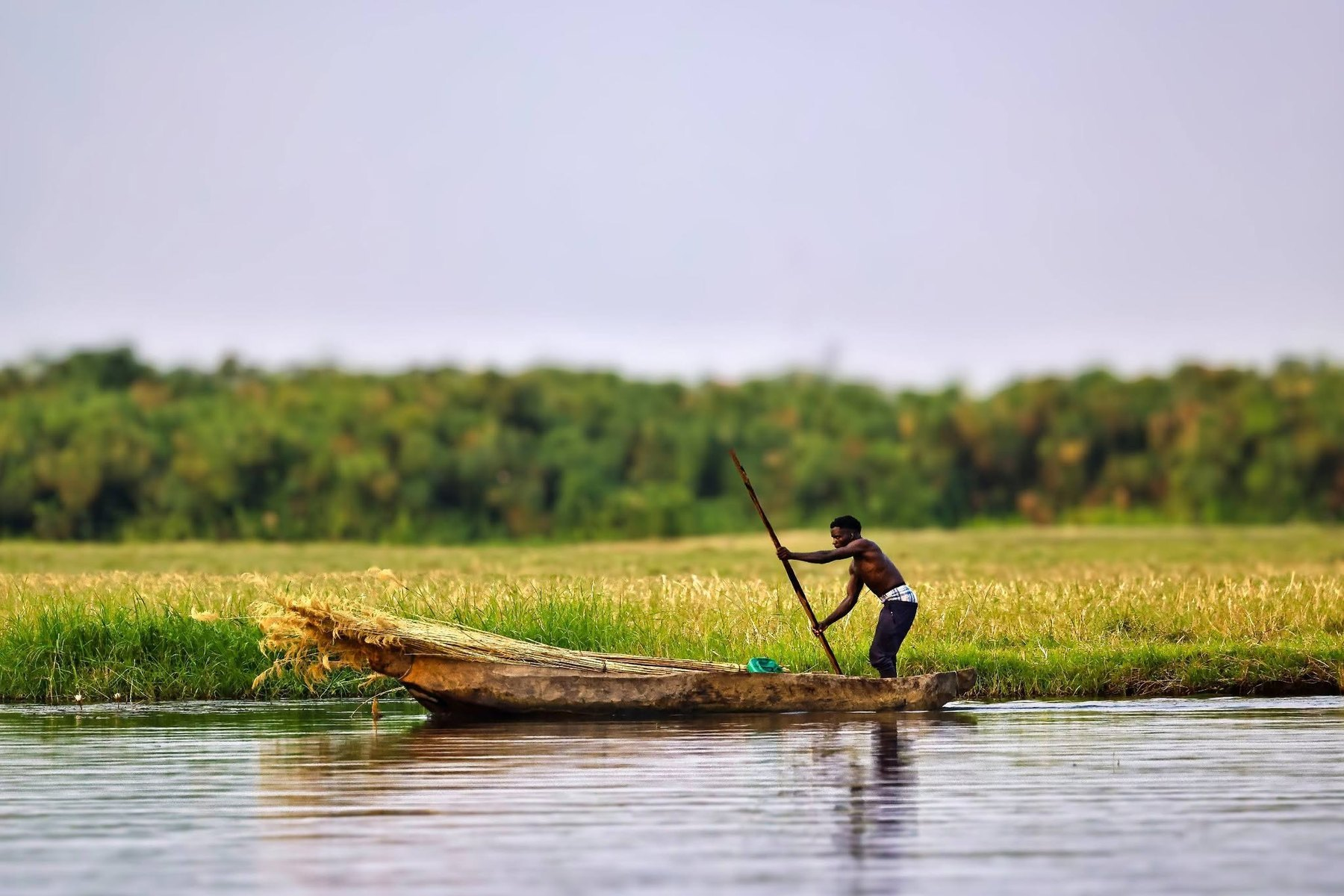
The Chobe is the same water as the Kwando and the Linyanti, renamed as it bends east along Botswana’s northern border. By the time it reaches Kasane it has Chobe National Park on the south bank and Namibia’s Zambezi Region on the north, and it is about to meet the Zambezi: 1 river, 3 names, which is more than most birds have had to put up with. BirdLife International treats the river and the Linyanti swamp as 1 Important Bird Area of 200 sq km, with 24 qualifying species.
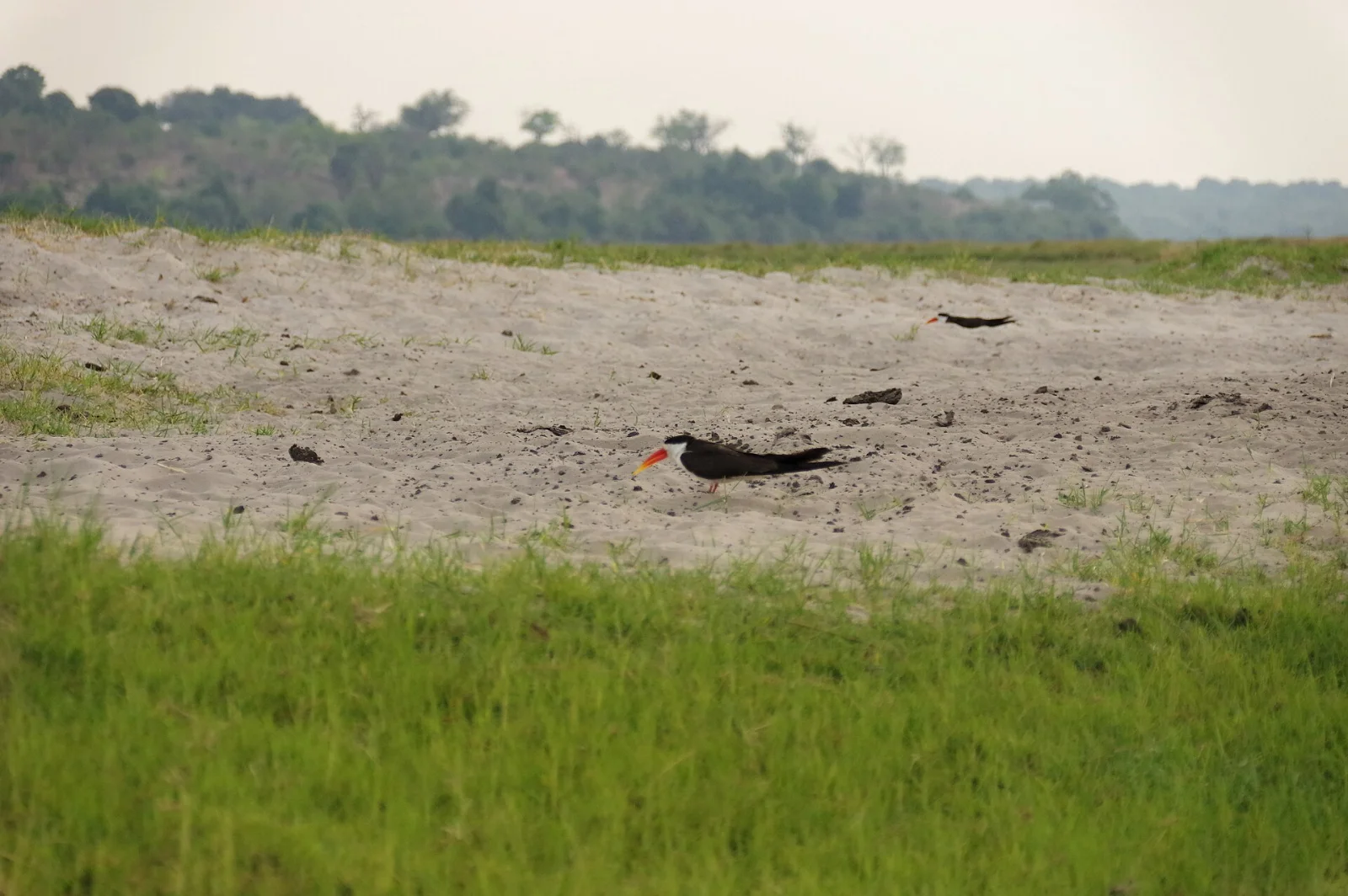
Most visitors see the Chobe from a boat for the elephants. Birders get the same boat and spend much of it looking the other way: African Skimmer on the sandbanks, Rock Pratincole on the rapids, and herons, storks and pratincoles in numbers that BirdLife counts in the hundreds and thousands.
What the river holds
BirdLife’s factsheet for the Linyanti swamp and Chobe river lists Slaty Egret, Wattled Crane and up to 300 Black-winged Pratincoles in the northern winter, plus 250 Rufous-bellied Herons, 356 African Spoonbills and 3,000 African Openbills outside the breeding season. Its range-restricted residents include Coppery-tailed Coucal, Brown Firefinch, Hartlaub’s Babbler, Chirping Cisticola, Bradfield’s Hornbill and Racket-tailed Roller.
The habitats explain the list. BirdLife describes riparian woodland, including mopane, along the banks, floodplain grassland, papyrus and reed in the Linyanti swamp and the lagoons, palms on the islands, and Baikiaea woodland with a thick understorey away from the river. The reeds and papyrus are where to listen for Chirping Cisticola, whose name is a fair hint, and Coppery-tailed Coucal; Racket-tailed Roller and Bradfield’s Hornbill are birds of the drier woodland, so they need a drive rather than a boat.
Protection is patchy. Only the 54 km of Botswana riverfront between Kasane and the Ngoma Bridge is inside the national park, Chobe Forest Reserve runs beside the floodplain for a further 80 km, and BirdLife says the Linyanti swamp, the rapids and the rest of the floodplain have little or no protection on either side of the border.
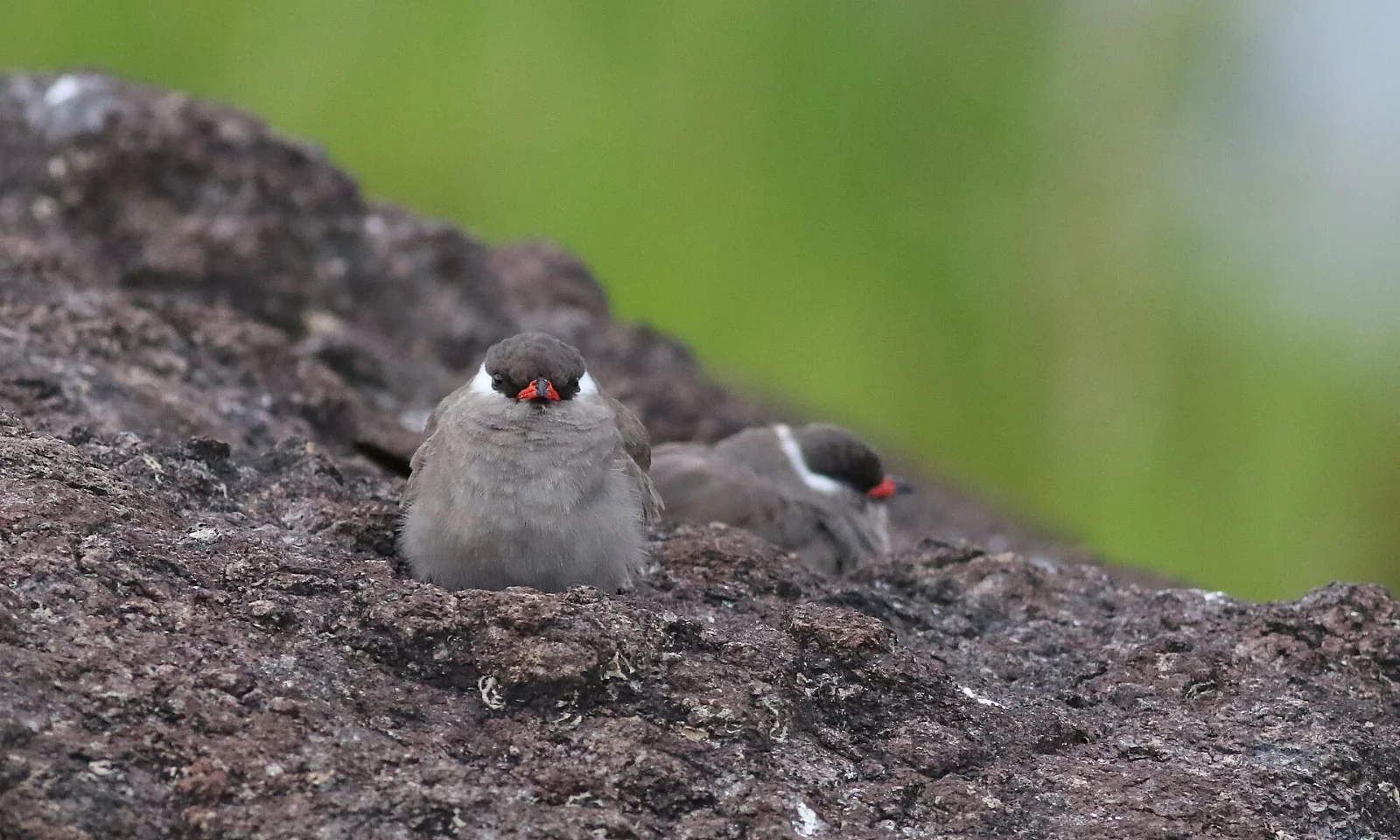
It also singles out 1 short stretch. From the eastern fence of Mowana Safari Lodge downstream to the Chobe Farms, the river has Botswana’s only rapids, with a small kopje and riverine woodland, and BirdLife says the area supports plants and birds found nowhere else in the country. This is where the Rock Pratincoles are.
Birding Ecotours, which runs Chobe in its northern Botswana tours, says African Skimmers and African Fish Eagles are always present in good numbers on its afternoon cruises, with large flocks of Collared Pratincole, colonies of Southern Carmine and White-fronted Bee-eaters, Pink-backed and Great White Pelicans, and Long-toed Lapwing.
At a glance
| Site | Where | Specials (BirdLife, Birding Ecotours) | Best way in |
|---|---|---|---|
| Chobe riverfront | Kasane to Ngoma, 54 km inside the park | African Skimmer, Collared Pratincole, Long-toed Lapwing | Afternoon boat cruise |
| Kasane Rapids | Downstream of Mowana Safari Lodge | Rock Pratincole, African Finfoot | Boat or riverbank |
| Kasai Channel | Between the Chobe and the Zambezi | Slaty Egret, Lesser Jacana, Allen’s Gallinule, Rufous-bellied Heron | Boat |
| Puku Flats | Chobe National Park | Rosy-throated Longclaw | Game drive |
| Kasane town edges | Riverine thicket | Brown Firefinch, Collared Palm Thrush | On foot |
The Botswana bank: Kasane and the park
The park’s riverfront runs from Kasane upstream to the Ngoma Bridge. This is the stretch the Kasane boat cruises work, and Birding Ecotours does its river birding on an afternoon cruise. Tell the operator you are birding, so the guide stops for skimmers and pratincoles as well as elephants, which otherwise win every time.
Away from the water, Birding Ecotours looks for Brown Firefinch and Collared Palm Thrush around Kasane and gives an afternoon to Puku Flats in the park for Rosy-throated Longclaw. Chobe Game Lodge is the only lodge inside the park.
Moremi and Chobe are Botswana’s 2 Category A parks. Non-residents pay P270 per person per day, or P190 as the client of a licensed Botswana operator, and children from 8 to 15 pay half. Fees are charged for every calendar day, including the day you leave, and a foreign-registered vehicle adds P115 a day in Chobe. A rise to P500 for non-residents was due on 1 April 2026 and was postponed on 31 March 2026; it has been delayed, not cancelled.
The Rapids and the Kasai Channel
The Kasane Rapids are the place for Rock Pratincole, living up to its name on the rocks in the current, and for African Finfoot along the overhanging edges. Further east, the Kasai Channel links the Chobe to the Zambezi, and Birding Ecotours finds Slaty Egret, Lesser Jacana, Allen’s Gallinule and Rufous-bellied Heron there. Both are reached by boat, so tell your operator before you set out that these are your targets.
The Namibian bank
The north bank belongs to Namibia’s Zambezi Region, and it is quieter, which birders tend not to mind. Chobe River Camp, 4 km from the Ngoma border post, runs a guided birding drive of about 3 hours that looks for the species around camp. It is seasonal, depends on the level of the river, and can only be booked at the camp. Boat cruises of about 3 and 6 hours go out into the channels, and rates start at N$2,600 per person sharing on bed and breakfast. In the wet season the access road needs a 4×4, and the camp can collect guests from Ngoma Police Station.
Downstream, near the Zambezi confluence, Birding Ecotours names Chobe Savanna Lodge on the Namibian side and Impalila Island as bases. Neither is listed in the directory yet.
Further up the Zambezi and into the park
On the Zambezi itself, 2 stays sit 40 km east of Katima Mulilo. Zambezi Mubala Lodge and Zambezi Mubala Camp both run a guided walk of about 3 hours to a Carmine Bee-eater colony in season, booked at reception and, at the lodge, for at least 2 people, and a boat cruise that names herons, pelicans, egrets, Lesser Flamingo and African Fish Eagle. The lodge has 21 riverfront bungalows from N$3,541 per person on bed and breakfast; the camp has 8 self-catering tents from N$1,150 per person.
Upstream on the Kwando, Camp Kwando near Kongola offers a birding cruise of 2 and a half hours on request and gives over 450 species for the area. It has 13 thatched riverside tents and 4 raised chalets, and runs game drives into Mudumu National Park, which adds the woodland birds a boat will miss, however patiently it drifts. Inside Chobe National Park, far from the river, Savute Elephant Lodge has a lookout hide over its waterhole beside the Savute Channel and names Kori Bustard among more than 250 species.
For a guided trip that takes in the Chobe riverfront, San and Nature Safaris in Maun runs a green-season Bird Tour from November to April that includes it, from US$1,200 per person sharing per night in 2027.
When to go
Water decides the birding. In the late dry season, from about August, the river falls and sandbanks appear; Xaro Lodge, upstream on the Okavango, says skimmers arrive in late winter as the banks emerge and that almost every exposed bank has a nesting pair in spring. The same months bring Carmine Bee-eaters to their colonies, which is when the Mubala walks run. The Black-winged Pratincoles that BirdLife counts are here in the northern winter, which is the southern summer, so the birds and the visitors have rather different ideas about the weather.
Summer brings the migrants, but in wet conditions the road to Chobe River Camp needs a 4×4. For skimmers and bee-eaters, aim for September to November. For a combined trip with the Okavango, see the Botswana birding guide.
Where to stay
The places in this guide, with what each offers a birder:
| Place to stay | Where | For birders | From |
|---|---|---|---|
| Chobe River Camp | Near Ngoma, Namibia | Guided birding drive, boat cruises into the channels | N$2,600 pp sharing B&B |
| Zambezi Mubala Lodge | East of Katima Mulilo, Namibia | Carmine Bee-eater colony walk, boat cruise, Lesser Flamingo | N$3,541 pp B&B |
| Zambezi Mubala Camp | East of Katima Mulilo, Namibia | Carmine Bee-eater colony walk, boat cruise | N$1,150 pp self-catering |
| Camp Kwando | Kongola, Namibia | Birding cruise on request, 450+ species, Mudumu game drives | Ask the lodge |
| Savute Elephant Lodge | Savute, Chobe, Botswana | Hide over the waterhole, 250+ species, Kori Bustard | Ask the lodge |
| San and Nature Safaris | Maun, Botswana | Green-season Bird Tour, November to April, Chobe riverfront | US$1,200 pp sharing |
Park fees, river levels and rates change. Facts were checked between 9 and 13 November 2026 against BirdLife International’s Linyanti swamp/Chobe river Important Bird Area factsheet, Birding Ecotours’ Northern Botswana itinerary, the national parks tariff as reported by moremipark.com, Xaro Lodge and each place’s listing on Birding Dispatch. Confirm fees with the Department of Wildlife and National Parks before you go.
More from the Journal
 Namib-Naukluft and Sossusvlei for Birders: Dune Lark, Desert Raptors and the Naukluft SpecialsA lark that lives on the dunes and nowhere else, Lappet-faced Vultures nesting in the desert, coursers on the gravel plains and the northern specials around the Naukluft cliffs, in one of Africa's largest parks.
 Lake Baringo and Lake Bogoria Birding: The Owl Walks, the Cliffs and the FlamingosA local guide who knows where every nightjar and eagle-owl slept last night, thorn scrub full of hornbills, a Goliath Heron colony on a rock, and the flamingo lake next door that keeps rising.
 Akagera Birding: Rwanda’s Savanna, Lakes and Papyrus, and the Shoebill ChancesRed-faced Barbet in the southern woodland, Papyrus Gonolek and Carruthers's Cisticola in the swamps, a lake of hippos and lapwings, and a Shoebill that hides in the wetlands more than it shows.
The Pigeon Post
Every Thursday: 1 bird, 1 place to go and 1 place to stay, by email. Sign up and get our printable checklist of the 163 endemics of southern Africa.